Opinion
Nigeria Has the Talent. Nigeria Has the Potential. So Why Can't We Make Things Work?
From insecurity and unreliable electricity to damaged public infrastructure and rising political promises ahead of 2027, Nigeria's biggest problem may not be a lack of resources or talented people. It may be the country's inability to consistently turn its resources, policies and human potential into systems that work for ordinary citizens.
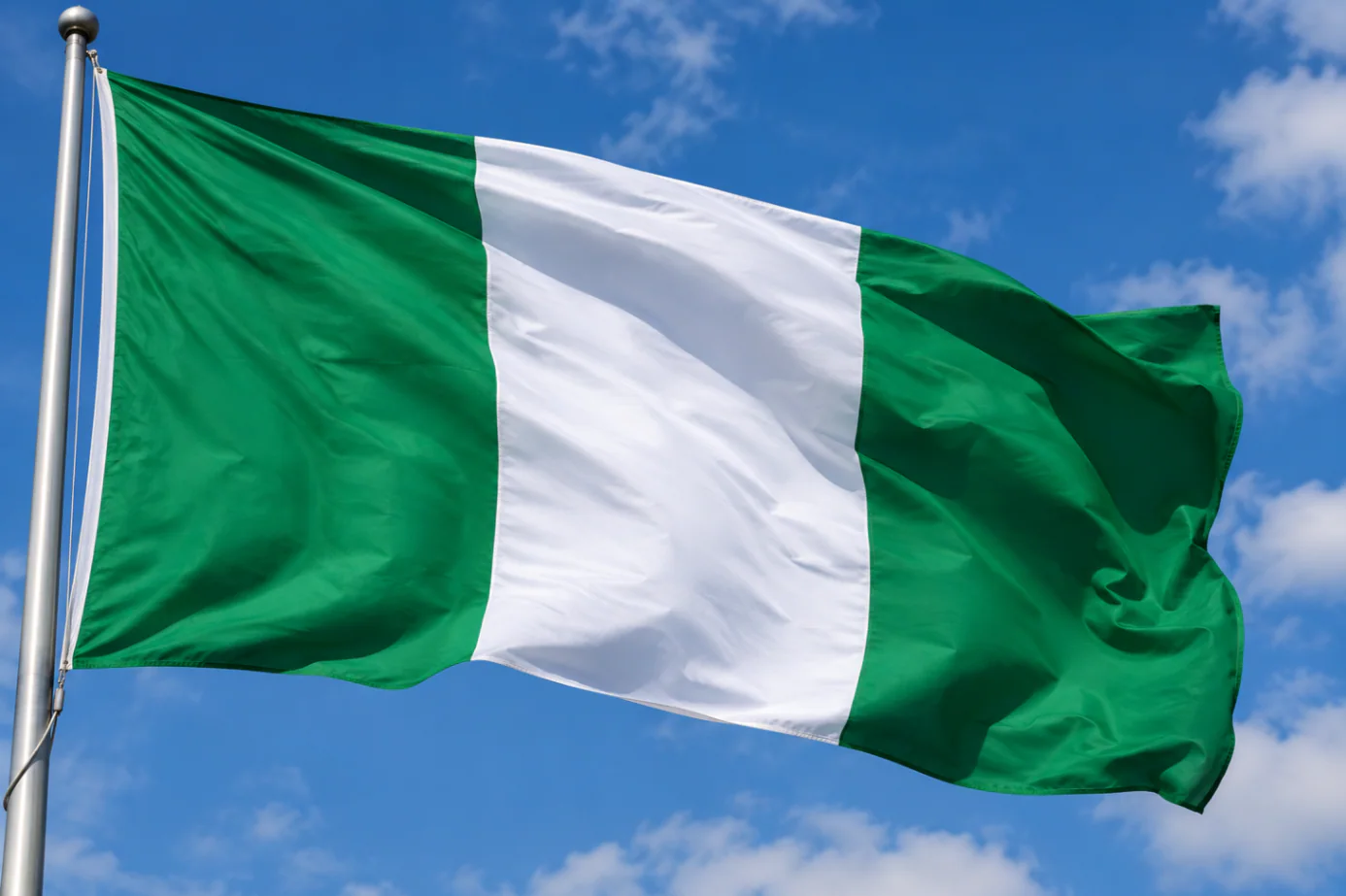
There is something strange about Nigeria.
Every week, Nigerians are reminded of what the country could be.
And almost every week, we are also reminded of what the country is not yet.
This week alone, we saw Nigerians worry about abducted worshippers, mourn a mother and three children killed in a Yobe fire, discuss the country's electricity crisis, watch a young man allegedly destroy public drainage infrastructure for scrap metal and debate whether economic reforms are actually improving everyday life.
Then, almost in the middle of all that frustration, two young Nigerian women made history.
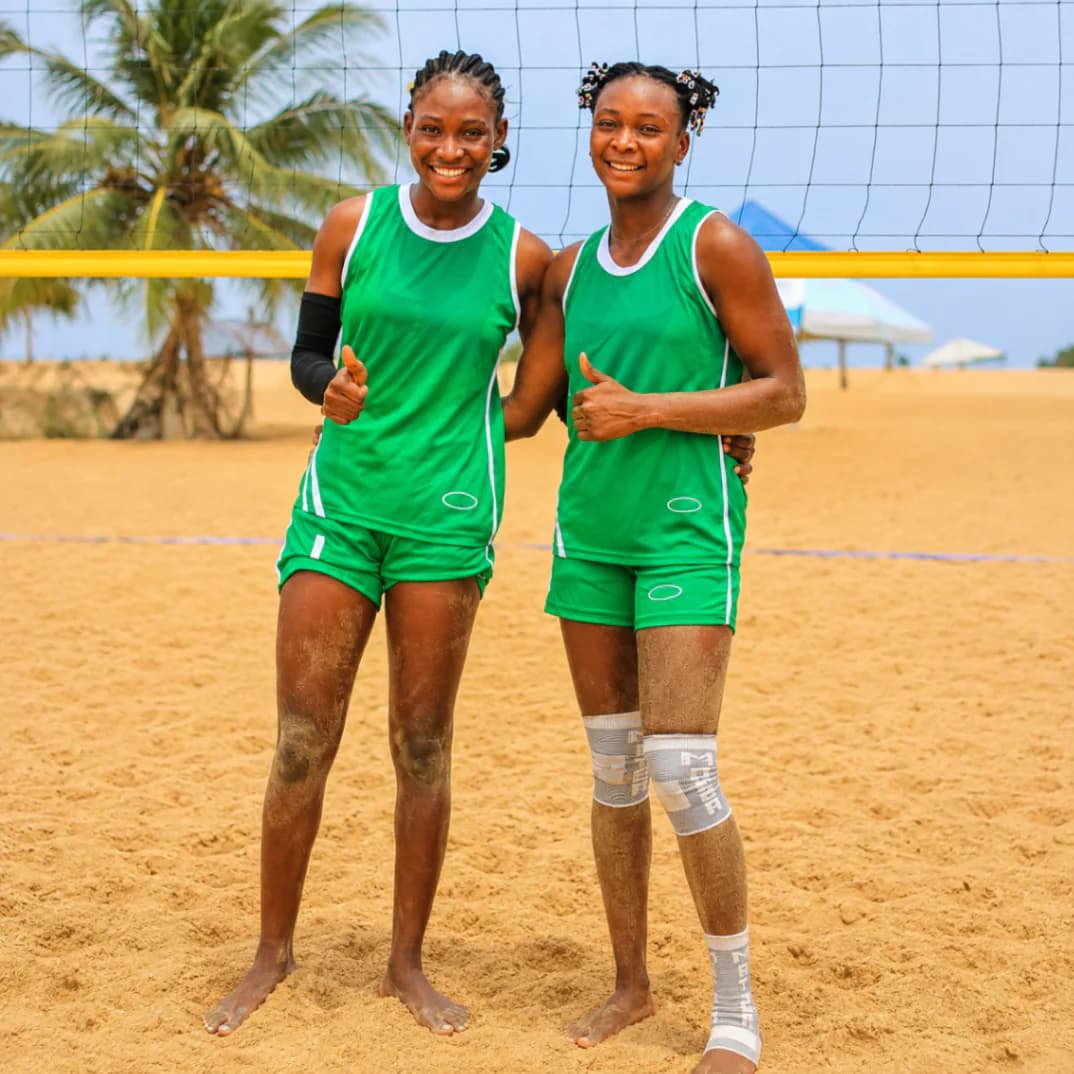
Esther Mbah and Pamela Bawa qualified Nigeria for its first-ever Olympic beach volleyball competition.
They defeated Morocco to win the 2026 African Beach Volleyball Championship and secure Nigeria's ticket to Los Angeles 2028.
That achievement should make us proud.
But it should also make us ask an uncomfortable question:
If Nigerians can achieve extraordinary things, why does Nigeria itself so often struggle to make ordinary things work?
The Problem Is Bigger Than One Government
It is tempting to turn every Nigerian problem into an argument about APC versus PDP, Tinubu versus Atiku, North versus South or government versus opposition.
But Nigeria's challenges are older and deeper than any single administration.
Governments change.
Ministers change.
Governors change.
Political parties change.
Yet many of the same problems remain.
Poor infrastructure.
Unreliable electricity.
Weak maintenance.
Insecurity.
Waste.
Corruption.
Poor planning.
Slow government response.
And perhaps most importantly, a culture in which things are often built or announced without enough attention to whether they will continue to work five, 10 or 20 years later.
That is a systems problem.
And systems problems cannot be solved with slogans.
We Don't Just Need More MoneyNigeria needs investment.
There is no question about that.
But money alone is not the answer.
We can pour billions into electricity and still have unreliable power if projects are poorly planned, contracts are badly managed, infrastructure is not maintained and institutions lack accountability.
We can build roads and drainage systems and still watch them deteriorate if nobody protects or maintains them.
We can allocate money to security and still struggle with kidnappings if intelligence, coordination and community engagement are inadequate.
The question should therefore not simply be:
“How much money are we spending?”
It should be:
“What are Nigerians getting for the money?”
That is a much more uncomfortable question.
Look at Nigeria's Electricity ProblemFor decades, Nigerians have been promised better electricity.
Generation projects have been announced.
Transmission projects have been announced.
Distribution reforms have been announced.
Solar projects have been announced.
Yet millions of Nigerians still plan their daily lives around the availability—or absence—of electricity.
Businesses buy generators.
Families buy petrol or diesel.
Small enterprises spend money powering equipment that should simply be connected to a reliable electricity network.
And the consequences go beyond inconvenience.
Electricity affects production.
Production affects prices.
Prices affect households.
Household purchasing power affects the wider economy.
So when electricity fails, the problem doesn't remain inside the electricity sector.
It spreads throughout society.
That is why the discussion about Nigeria's power sector should not be reduced to political arguments over who failed first.
We should be asking what permanent system will finally make electricity reliable.
Then There Is the Security ProblemPerhaps the most painful example is insecurity.
We have written about abducted children.
We have written about worshippers reportedly taken from a mosque.
We have written about people rescued from kidnappers.
We have written about military operations against terrorists.
And behind every headline are real human beings.
A child who doesn't come home.
A parent waiting for a phone call.
A family wondering whether their loved one is alive.
This is where government performance becomes more than a political scorecard.
Security is the most basic responsibility of a state.
A Nigerian should be able to travel.
A child should be able to attend school.
A family should be able to worship.
A farmer should be able to work.
A trader should be able to move goods.
These should not be extraordinary expectations.
They should be normal life.
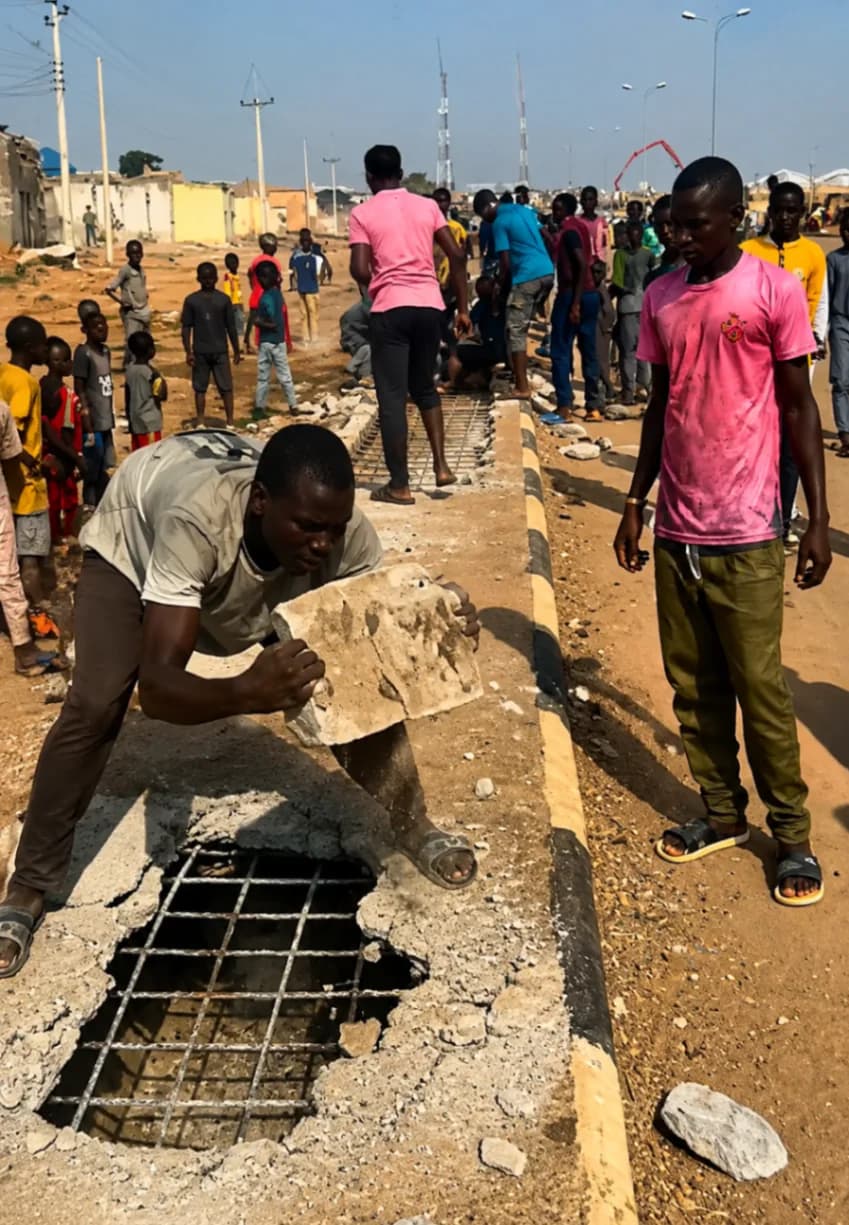
And Then We Destroy What We HaveOne of the strangest stories we encountered this week was a video showing a young man apparently breaking apart a concrete drainage structure to remove iron rods for scrap.
It is easy to watch such a video and simply say:
“Arrest him.”
And if public infrastructure has deliberately been vandalised, accountability is certainly important.
But there is another question.
How did we create a system where destroying public infrastructure can become economically attractive to someone?
If someone can break a drainage channel, remove metal and sell it, there is an entire chain behind that activity.
Someone collects the material.
Someone buys it.
Someone processes it.
Someone sells it.
Somebody makes money.
That means tackling the problem requires more than chasing the person holding the hammer.
We also need to examine the market that makes the vandalism profitable.
The 2027 Election Should Be About ThisNigeria's 2027 political campaign is now underway, and the major political camps are already presenting their competing visions for the country.
President Bola Tinubu's supporters argue that his reforms need continuity.
Opposition politicians are demanding that candidates defend their records and explain how they would address Nigeria's problems.
This is where Nigerian voters should become much more demanding.
Don't just ask:
“Who is your candidate?”
Ask:
“What exactly will change?”
Don't just ask:
“How much money will you spend?”
Ask:
“How will you ensure the money produces results?”
Don't just ask:
“Will you reduce fuel prices?”
Ask:
“How will you make the policy financially sustainable?”
Don't just ask:
“Will you provide electricity?”
Ask:
“What will you do differently from the governments before you?”
And don't accept vague answers.
Nigeria Needs a Culture of MeasurementThis may be one of the biggest changes Nigeria needs.
We need to become obsessed with results.
If government announces a road project, Nigerians should know:
How much it costs.
Who received the contract.
When it should be completed.
Who is responsible for supervision.
What happens if the contractor fails.
How the road will be maintained.
If government launches an electricity programme, citizens should know:
How many homes will receive power.
How much it costs.
When the project will be completed.
How performance will be measured.
Who will maintain it.
If government launches a security programme, Nigerians should know what success looks like.
Not simply:
“We are fighting insecurity.”
But:
“Kidnappings in this area have fallen by X amount, response times have improved and communities are now covered by this security network.”
That is how functioning institutions are built.
We Should Also Give Credit When Things Go RightCriticism is necessary.
But criticism without recognition can become another form of cynicism.
Nigeria's Olympic beach volleyball qualification is a perfect example.
Esther Mbah and Pamela Bawa didn't qualify because Nigeria magically became a perfect country.
They qualified because talent met preparation, competition and opportunity.
Their victory over Morocco was historic. Nigeria's National Sports Commission has also announced that the team will be integrated into its training grant programme ahead of Los Angeles 2028.
That is exactly what we should want more of.
Find talented Nigerians.
Give them proper preparation.
Provide the infrastructure.
Provide the coaching.
Create opportunities.
Then let them compete.
The lesson is bigger than volleyball.
Nigeria works when Nigerians are given functioning systems within which their talent can flourish.
We Have Millions of Esthers and PamelasThere are Nigerian engineers building companies.
Doctors working under difficult conditions.
Teachers educating children despite limited resources.
Farmers producing food despite enormous challenges.
Developers creating technology.
Athletes winning competitions.
Musicians taking Nigerian culture around the world.
Young entrepreneurs creating businesses from bedrooms and small offices.
Scientists researching solutions.
Students competing internationally.
The problem is not that Nigerians lack ability.
The problem is that too many Nigerians have to fight the system before they can even begin to use their ability.
That is the tragedy.
Imagine what Nigeria could accomplish if ordinary citizens spent less energy navigating broken systems and more energy creating, building and innovating.
We Need to Stop Normalising DysfunctionThis may be the hardest part.
Nigerians have become remarkably good at adapting to things that should not be normal.
No electricity?
Buy a generator.
Bad road?
Use another route.
Government service unavailable?
Find someone who knows someone.
Long queue?
Pay someone to help.
Security problem?
Don't travel at night.
Poor internet?
Find another network.
Broken drainage?
Hope it doesn't flood.
This adaptability is often praised as the “Nigerian spirit.”
But perhaps we should ask ourselves whether constantly adapting to dysfunction is actually a victory.
A country should not require extraordinary resilience just to live an ordinary life.
The Government Cannot Do EverythingThere is another side to this conversation.
Citizens also have responsibilities.
We cannot demand good roads and then destroy them.
We cannot complain about corruption while offering bribes.
We cannot demand clean cities while dumping rubbish into drainage channels.
We cannot demand security while refusing to report suspicious activity.
We cannot demand accountability while supporting politicians simply because they come from our ethnic group or political party.
Government must improve.
But citizens must also change.
Nation-building is not a spectator sport.
Nigeria's Biggest Resource Is Not OilNigeria has spent decades talking about crude oil as its greatest resource.
But the country's greatest resource has always been its people.
Oil cannot write software.
Oil cannot win a volleyball match.
Oil cannot build a business.
Oil cannot teach a child.
Oil cannot invent.
Nigerians do those things.
The Olympic achievement this week is a small but powerful reminder of that.
The question is whether Nigeria can build systems capable of consistently supporting the people who make the country work.
So What Should Nigeria Become?We don't need a perfect country.
No country is perfect.
We need a country where basic things work most of the time.
Where electricity is reliable enough for businesses to plan.
Where roads are maintained.
Where drainage systems survive rainfall and vandalism.
Where children can attend school safely.
Where public money can be tracked.
Where government promises are measured against results.
Where businesses can grow without spending half their income solving infrastructure problems.
Where talented Nigerians don't have to leave the country simply to find functioning systems.
That should be the ambition.
Not perfection.
Functionality.
The 2027 Question Should Be SimpleAs politicians campaign over the coming months, Nigerians will hear many promises.
There will be rallies.
There will be speeches.
There will be slogans.
There will be endorsements.
There will be attacks.
There will be social-media wars.
But voters should keep asking one simple question:
“How will you make Nigeria work?”
Not how loudly can you campaign.
Not how many people can you mobilise.
Not how many celebrities support you.
Not how many politicians defect to your party.
How will you make Nigeria work?
Because Nigerians don't need another four years of arguments about whether things are improving.
They need to experience the improvement.
Nigeria Can WorkThe most important lesson from this week's news is not that Nigeria is hopeless.
It is the opposite.
Nigeria has enormous potential.
The country has talented people.
It has natural resources.
It has entrepreneurs.
It has young people with ideas.
It has athletes capable of making history.
It has communities that continue to show remarkable resilience.
What Nigeria needs is the discipline to build institutions and systems that allow those people to succeed without constantly fighting unnecessary obstacles.
Esther Mbah and Pamela Bawa have already done their part.
They have shown what is possible.
Now Nigeria has to do its own part.
Build the systems. Protect the infrastructure. Fix the electricity. Improve security. Spend public money responsibly. Measure results. Reward competence. Demand accountability.
Because Nigeria doesn't lack potential.
Nigeria needs to become better at turning potential into progress.
And perhaps that is the real conversation Nigerians should be having as the country heads toward 2027.
Opinion Disclaimer
This article represents the opinion of the writer and is intended to encourage public discussion. References to recent events are based on publicly reported information and do not constitute allegations of wrongdoing against individuals unless expressly stated and supported by the cited sources.
Tags
PUBLISHER NOTE
About Talk Ya True
Talk Ya True publishes independent reporting and analysis with clear attribution, source transparency and corrections when needed.
Related Articles
Sports
Nigeria Makes Olympic History as Mbah and Bawa Secure Beach Volleyball Ticket
Nigeria
Young Man Filmed Breaking Road Drainage to Steal Iron Rods for Scrap
Nigeria
Mother and Three Children Die as Fire Destroys Yobe Settlement
Nigeria
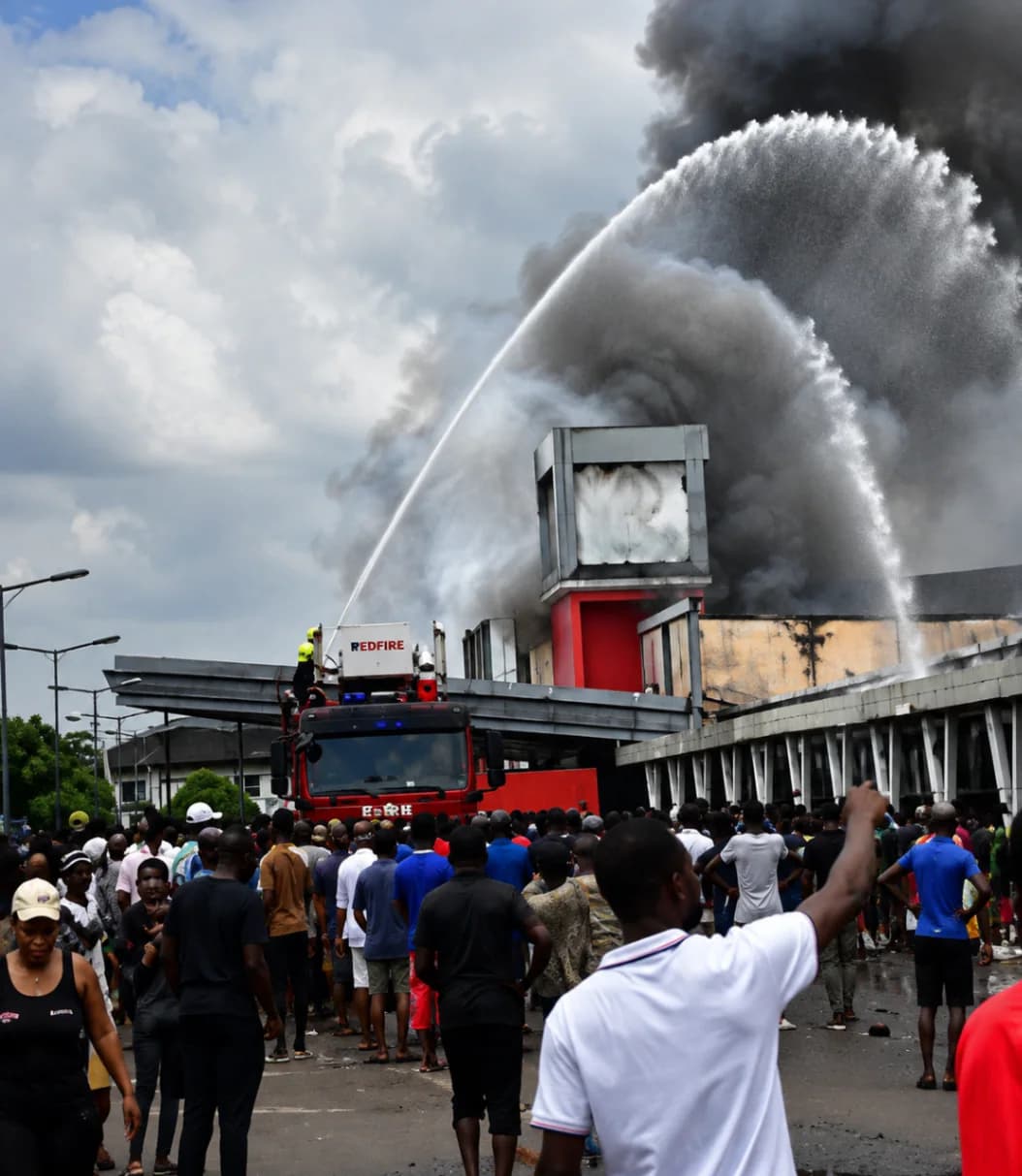
Breaking: Fire Erupts at SPAR Mall in Calabar After Reported Explosion
Stay Informed
Get the latest stories from Nigeria.
Free news updates. Unsubscribe anytime.
By subscribing, you agree to receive free news updates from Talk Ya True. You can unsubscribe at any time.