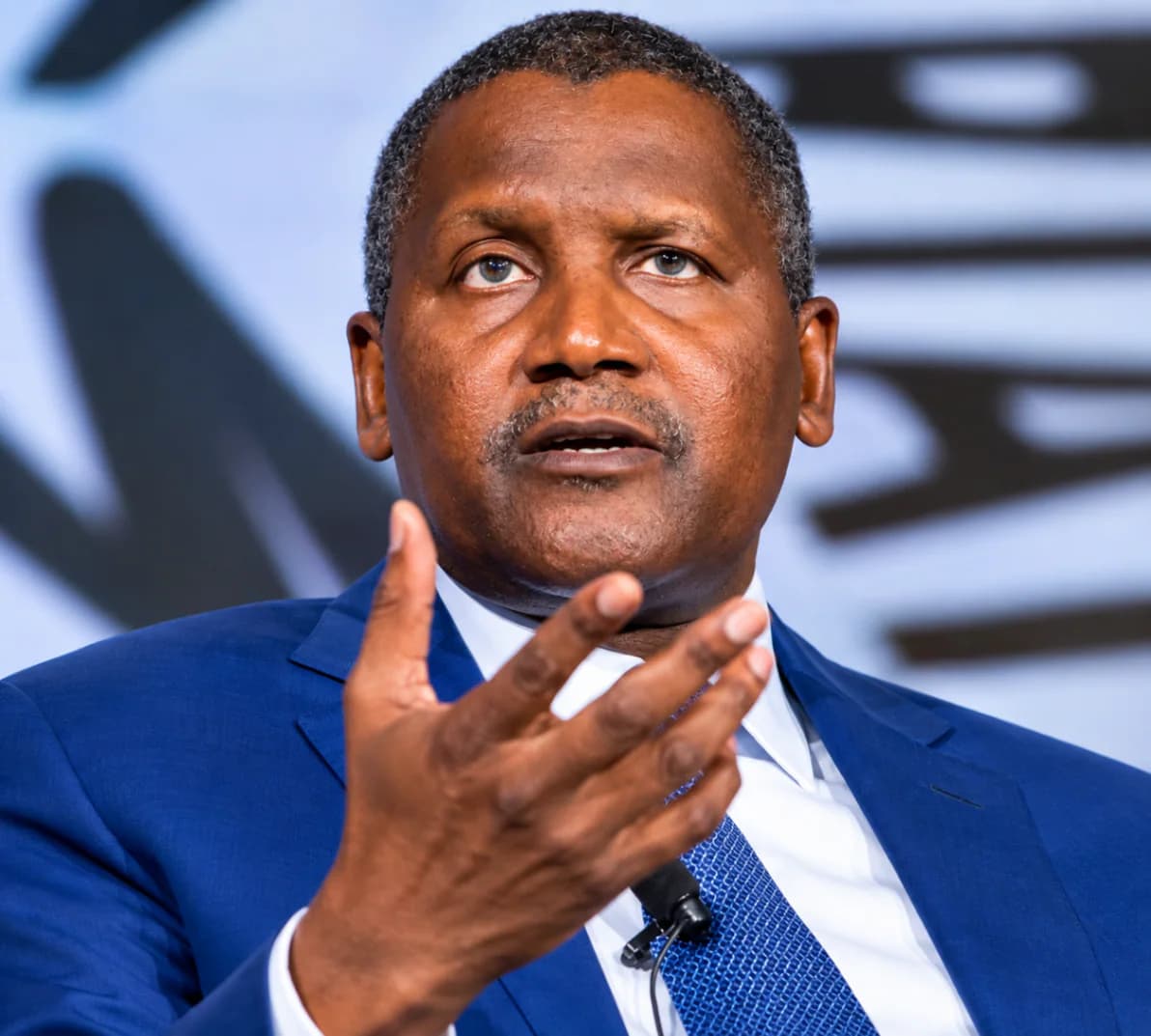
Dangote Refinery Records $1.82bn Profit as IPO Opens
Dangote Refinery has reported a $1.82 billion profit for the first half of 2026 as its ₦2.15 trillion public share offering opens to investors, marking a major turnaround from its 2025 loss.
Latest Coverage
Top Story
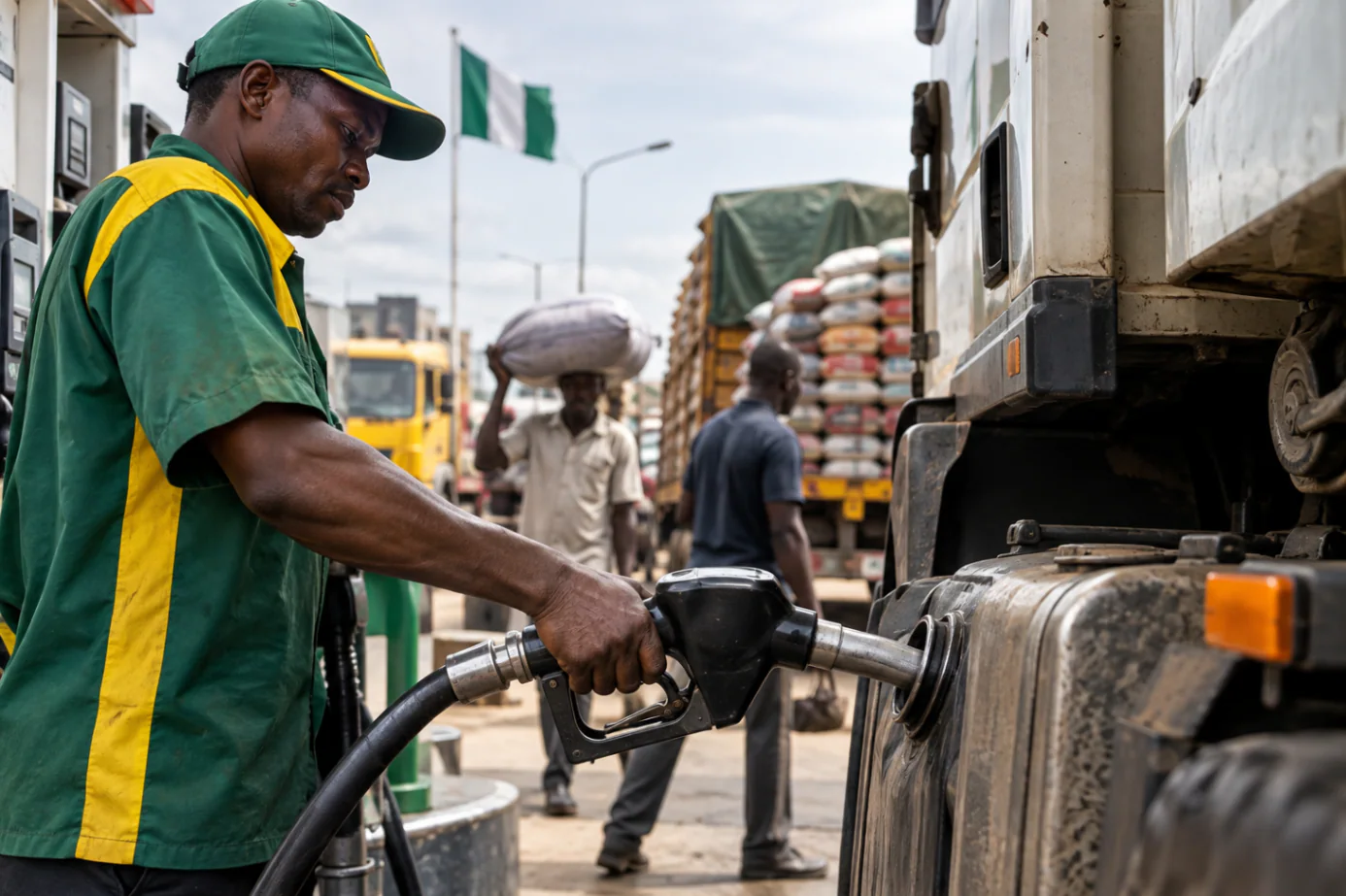
Petrol prices have reached ₦1,500 per litre in parts of northern Nigeria and around ₦1,400 in Lagos and Abuja as rising international crude prices push up fuel costs across Nigeria.
Dangote Refinery has reported a $1.82 billion profit for the first half of 2026 as its ₦2.15 trillion public share offering opens to investors, marking a major turnaround from its 2025 loss.
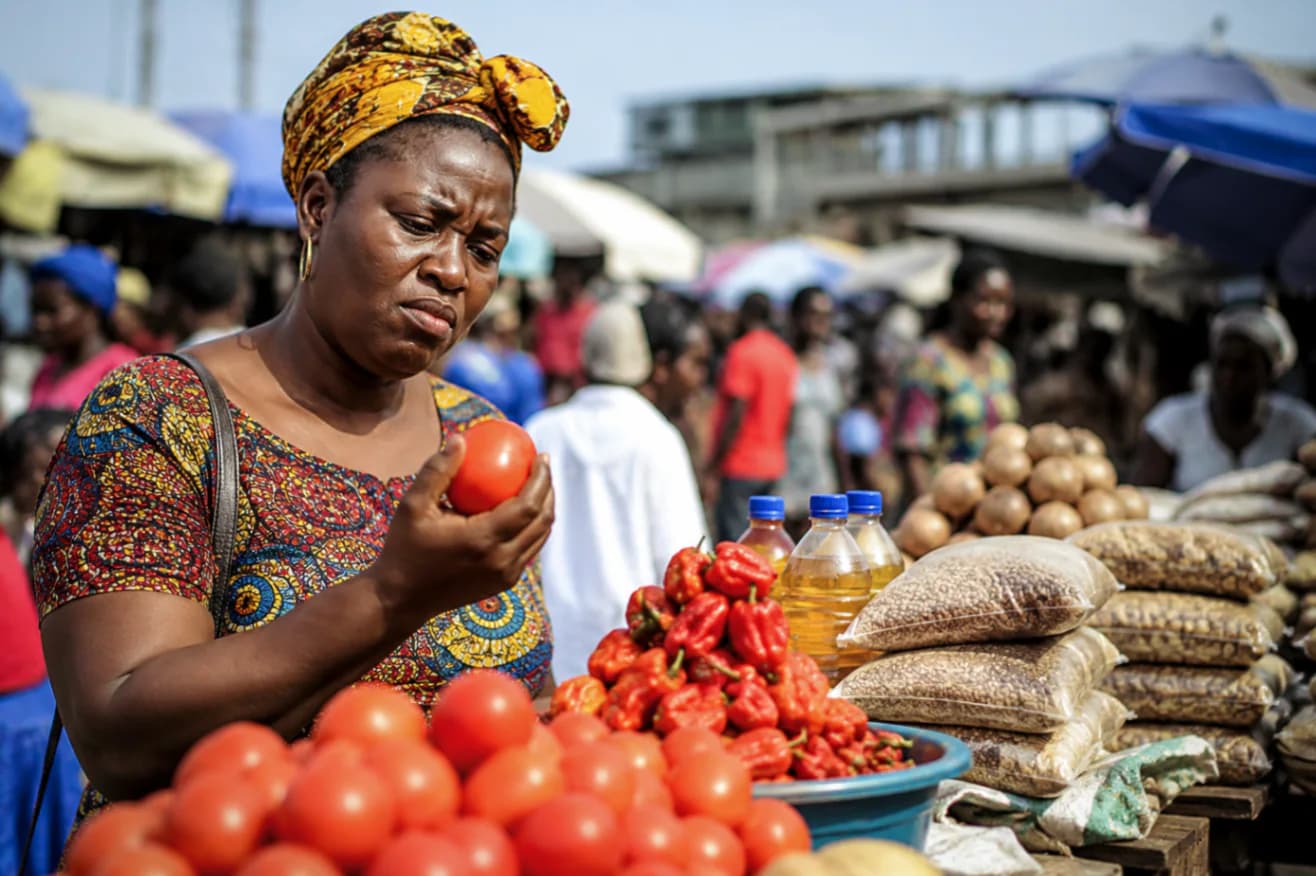
Nigeria’s headline inflation rate eased slightly to 15.39 per cent in August, while monthly food inflation fell sharply, offering signs that the pace of price increases is slowing.
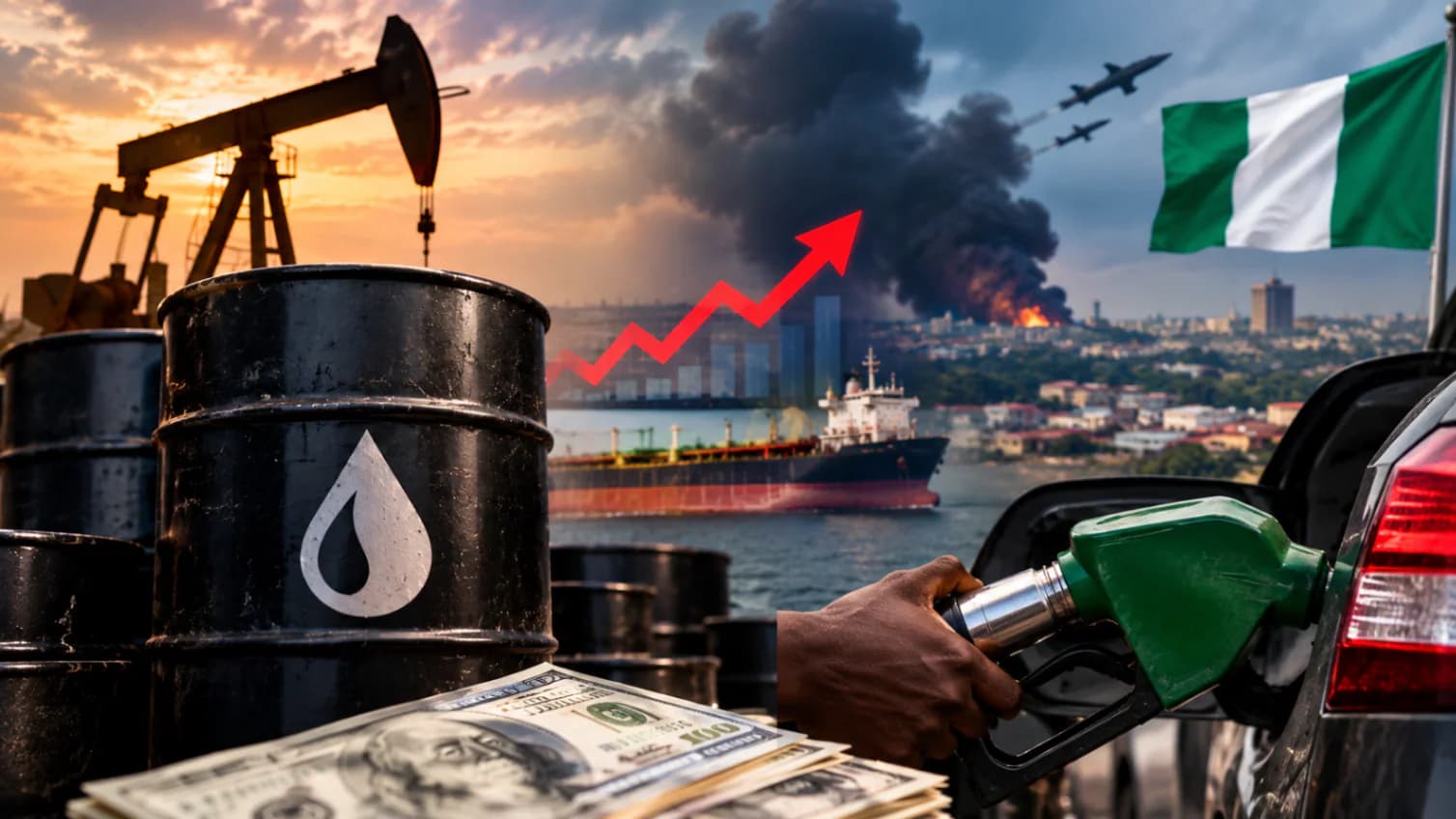
Nigeria’s crude oil and condensate production reached about 1.68 million barrels per day in August, while the country maintained OPEC quota compliance for a fourth consecutive month.
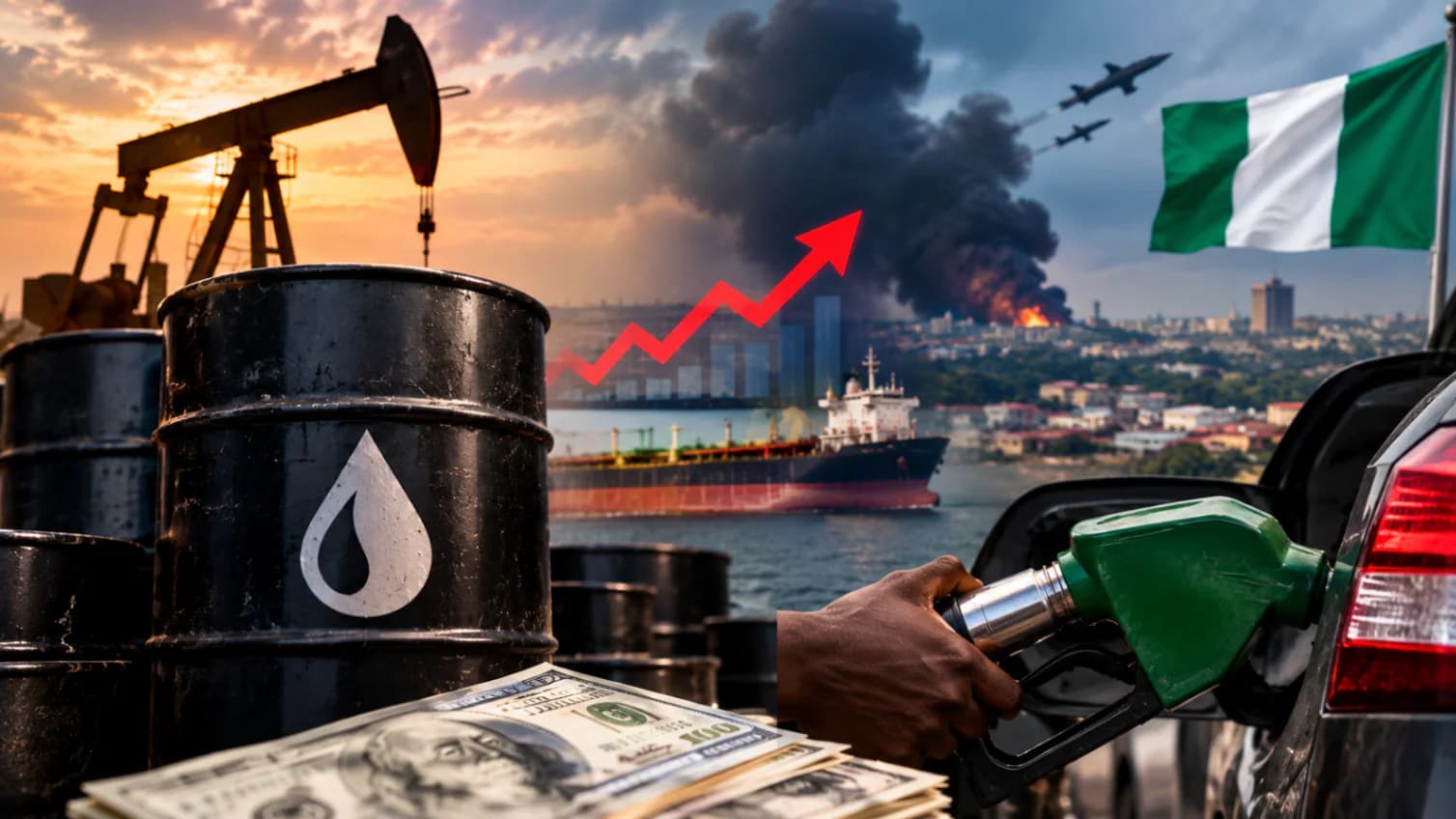
Petrol prices have climbed above ₦1,400 per litre in parts of Nigeria after Dangote Refinery increased its wholesale price to ₦1,350. The latest increase comes as global crude prices remain above $100 amid continuing Middle East supply concerns.
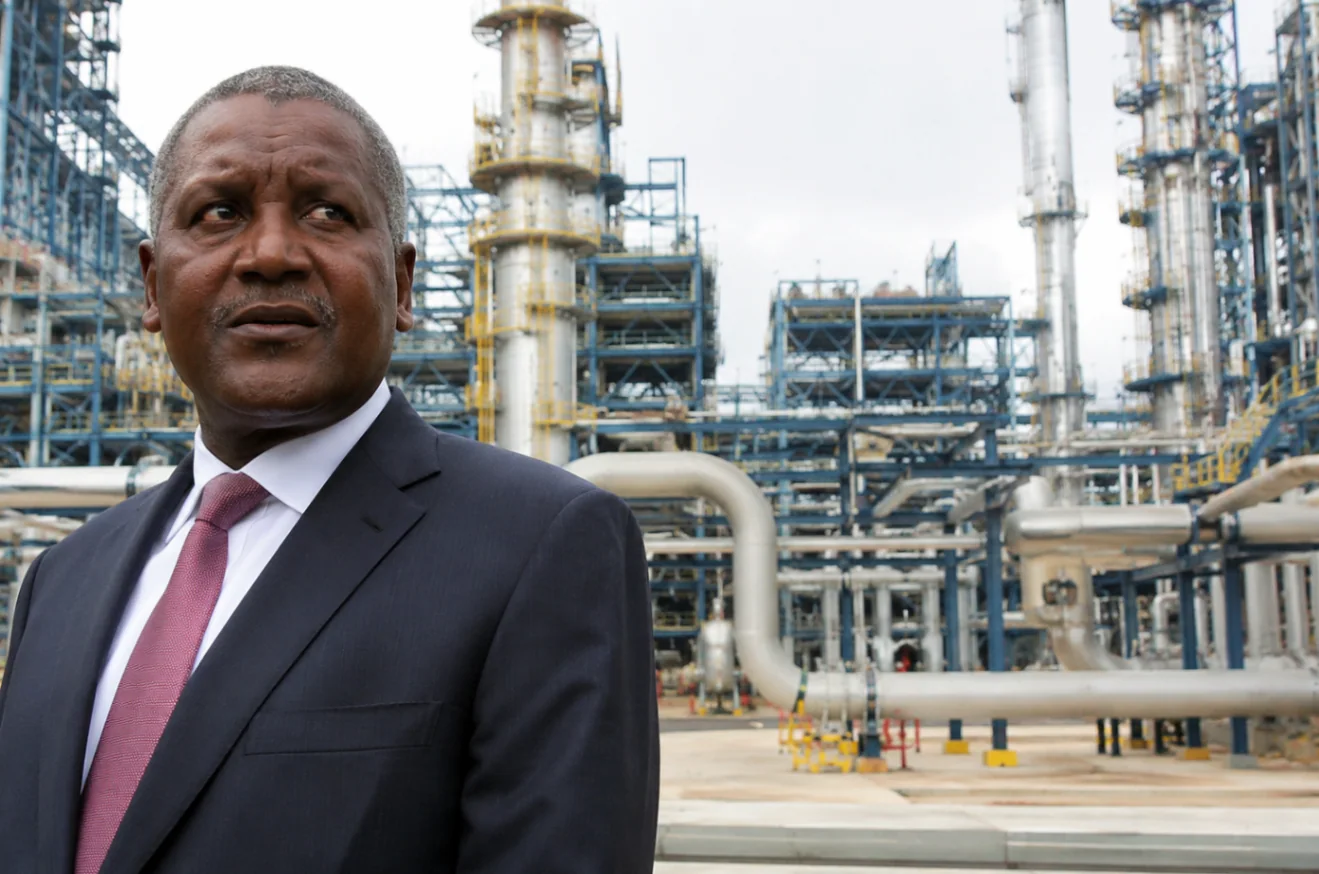
Dangote Refinery has opened its ₦2.15 trillion IPO, offering 4.1 billion shares at ₦525 each. Nigerians can subscribe for as few as 10 shares, giving retail investors an opportunity to own a stake in Africa's largest refinery.
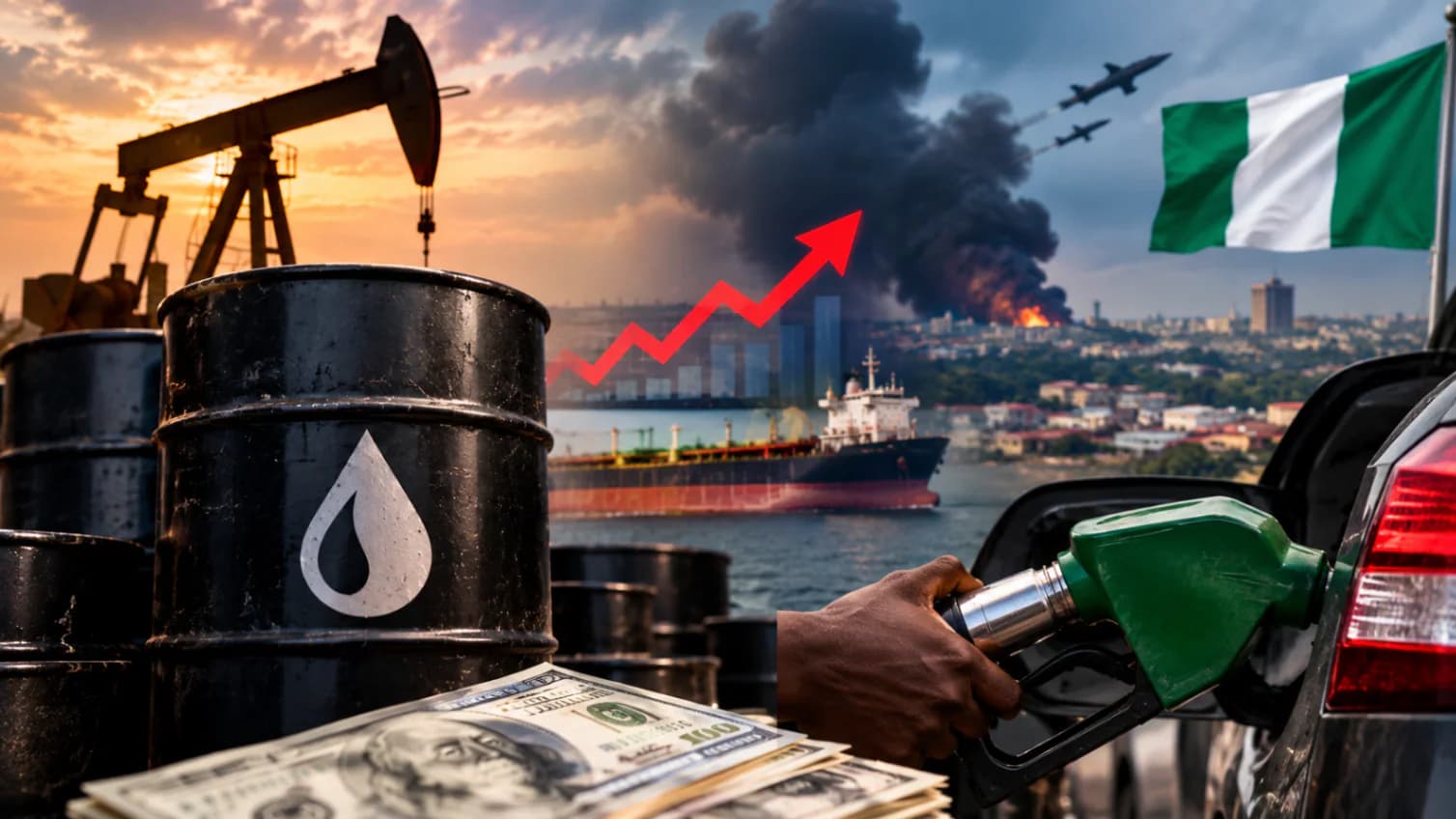
Global oil supply fears are intensifying after a vessel was hit in the Strait of Hormuz, days after Saudi Arabia shut a major oil pipeline following drone attacks. The developments could push crude prices higher and create fresh fuel-cost pressures for Nigeria.
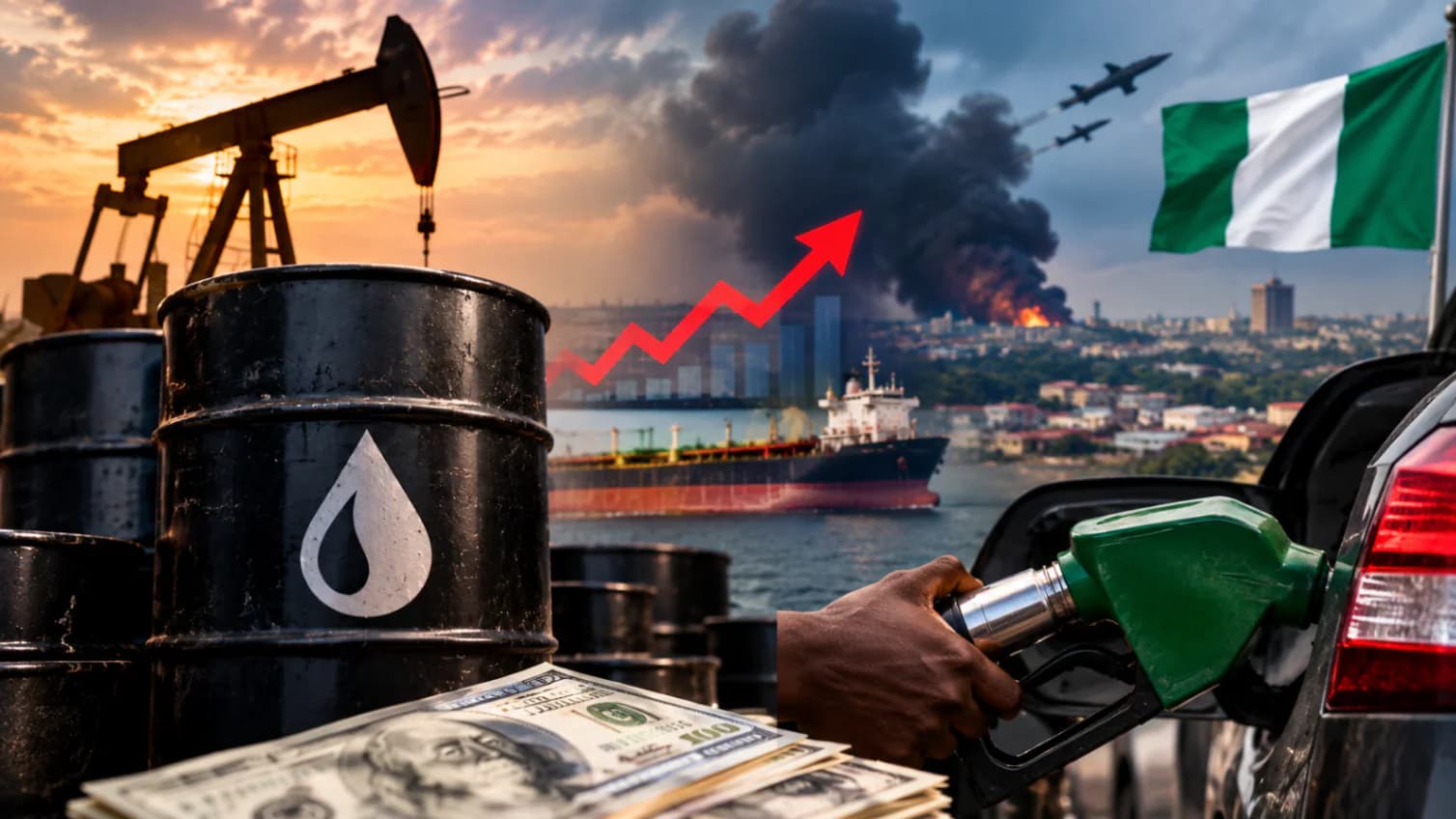
Brent crude has surged above $108 a barrel as Middle East tensions threaten global oil supplies and shipping routes. In Nigeria, the rally is already raising concerns over petrol prices, transport costs and broader inflationary pressure.
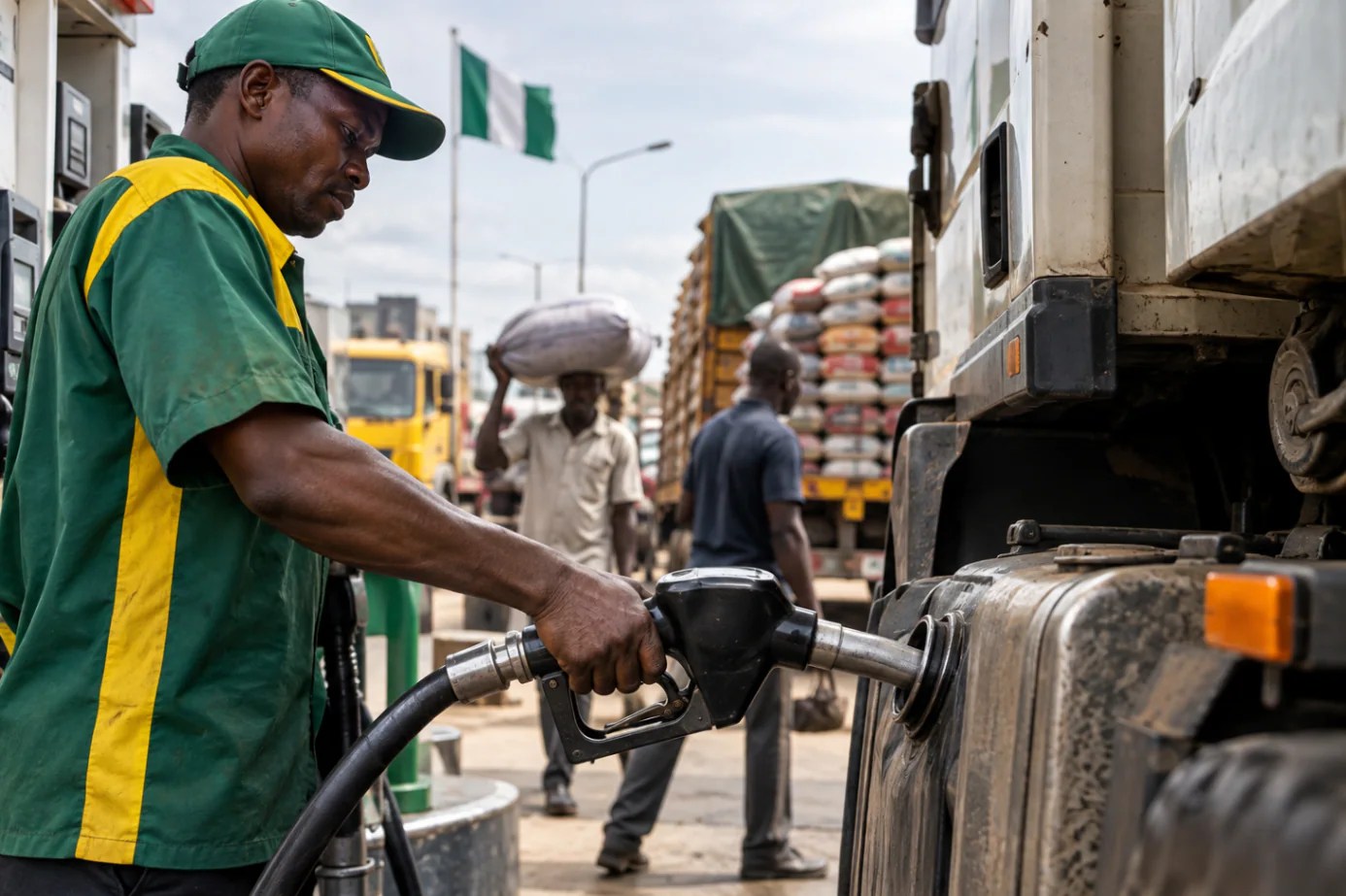
Diesel prices are approaching ₦2,000 per litre in Nigeria, prompting refinery owners to call for urgent government intervention. Manufacturers and other businesses that depend heavily on diesel-powered generators are facing rising operating costs, with fears that the pressure could feed into food prices, transportation and the wider cost of living.
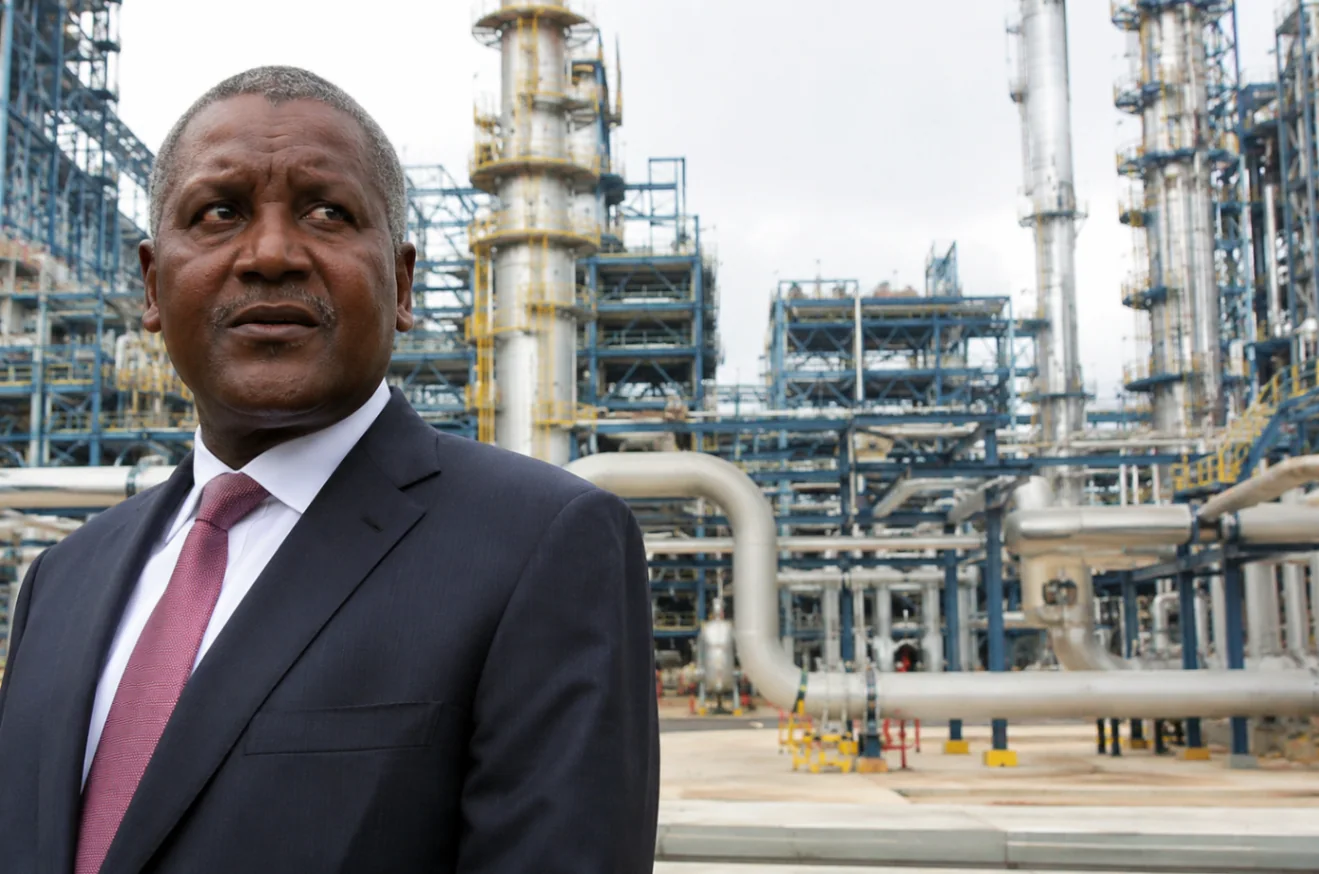
Dangote Petroleum Refinery and Petrochemicals is preparing to open what is expected to be Africa’s largest initial public offering, with the company targeting up to 10 million retail investors. The offer will sell 4.1 billion shares at ₦525 each, allowing eligible investors to participate with a minimum of ₦5,250.
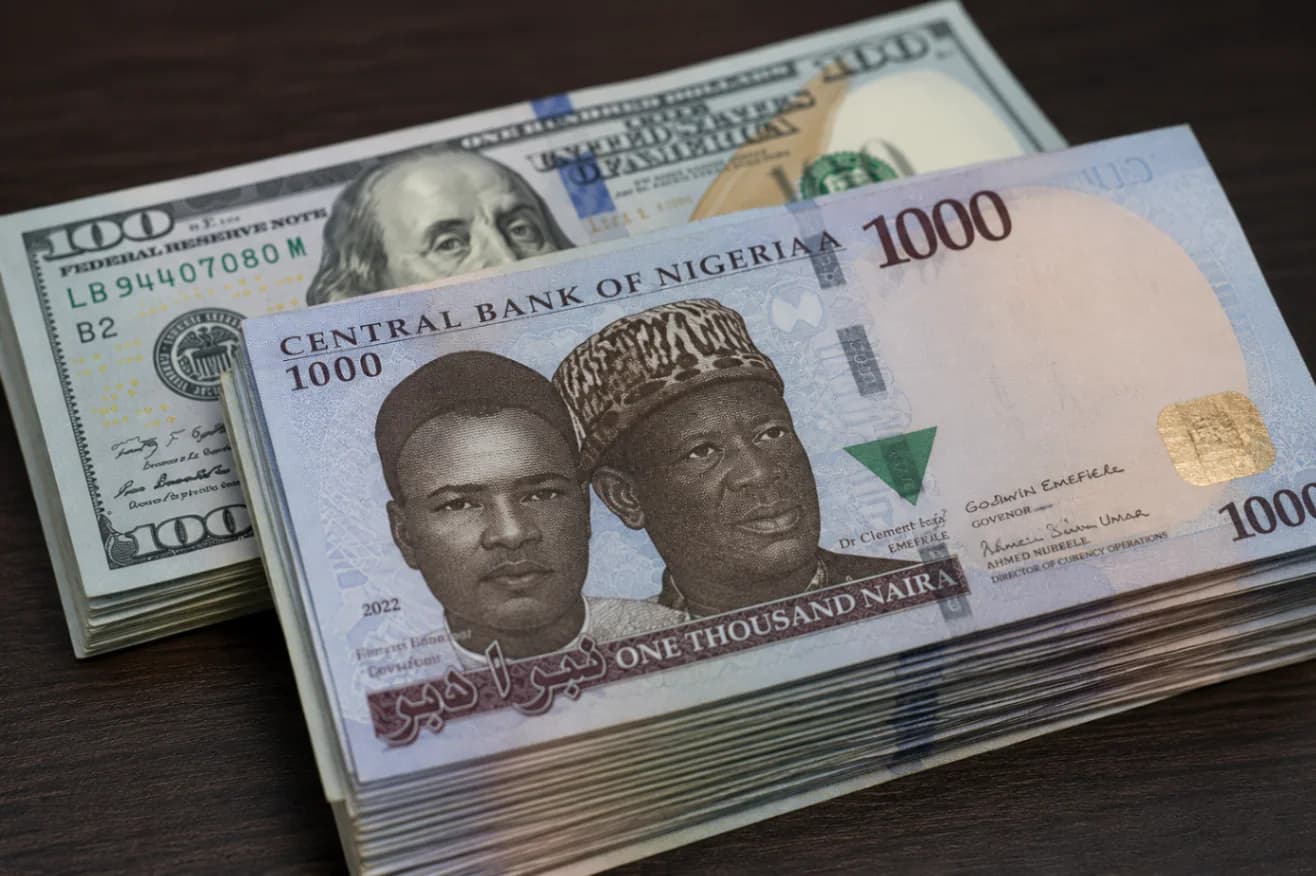
Nigeria’s foreign exchange reserves have climbed above $54 billion for the first time since 2008, while the naira has strengthened significantly against the US dollar. The reserve buildup is giving the Central Bank of Nigeria a larger foreign-exchange buffer as authorities continue efforts to stabilise the currency.
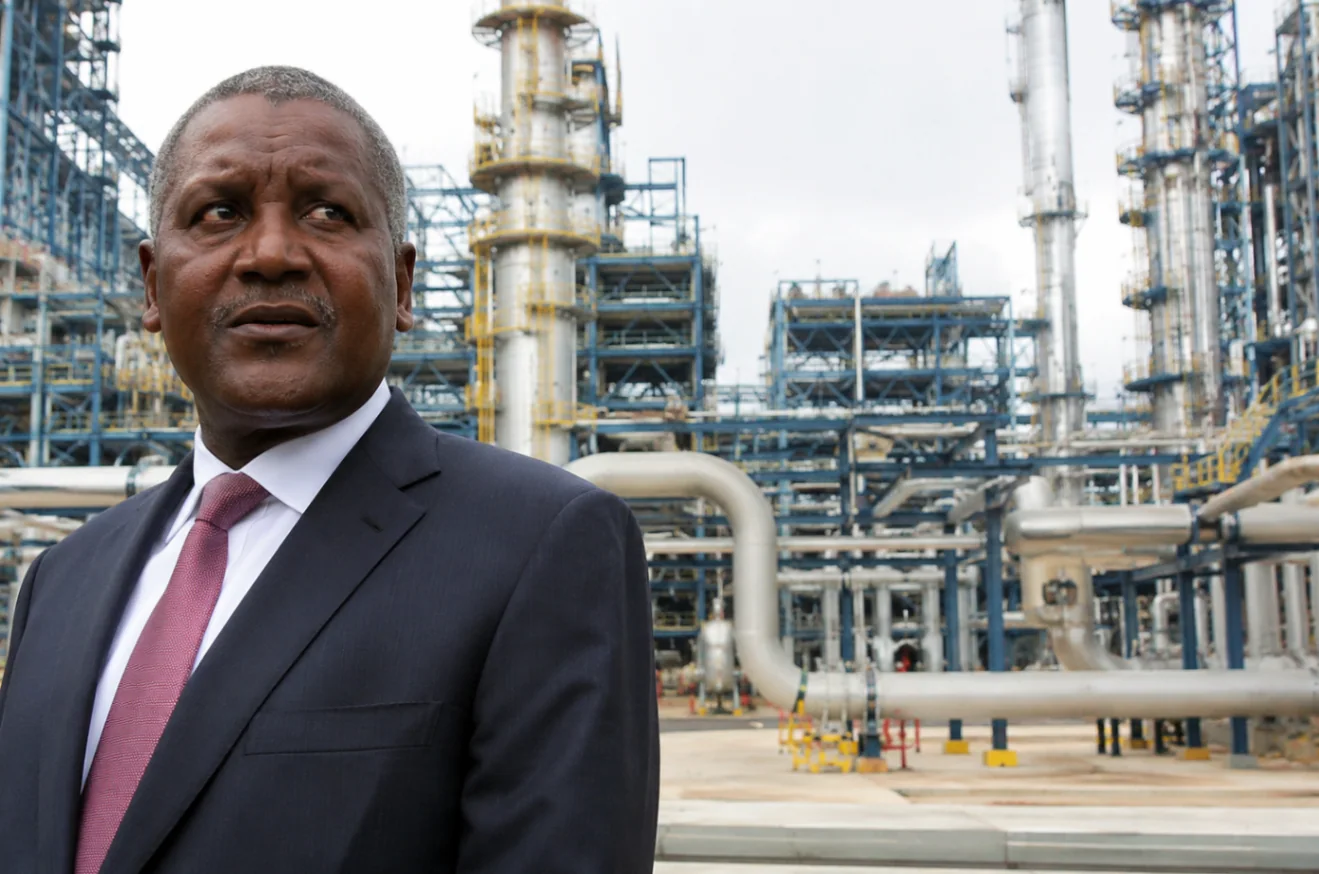
Dangote Group is preparing to raise between $1.5 billion and $1.8 billion through an initial public offering of Dangote Petroleum Refinery, in what could become one of Nigeria’s biggest capital-market transactions. The proposed share sale is expected to help finance an expansion that could eventually double the refinery’s processing capacity.

Uber has officially ended its ride-hailing operations in Nigeria after 12 years in the country. The company says the decision followed a review of its business priorities and investment focus, while industry groups have raised concerns about the impact on drivers. Bolt, meanwhile, says it remains firmly committed to Nigeria.

A call by an airport taxi driver for a nationwide ban on Uber and Bolt has reignited Nigeria's debate over competition, passenger choice and the future of airport transportation. The demand comes after recent restrictions on e-hailing operations at Nigerian airports triggered complaints over higher taxi fares. However, the Federal Airports Authority of Nigeria has rejected the idea of a blanket ban and says it is working with e-hailing companies on a regulated framework.
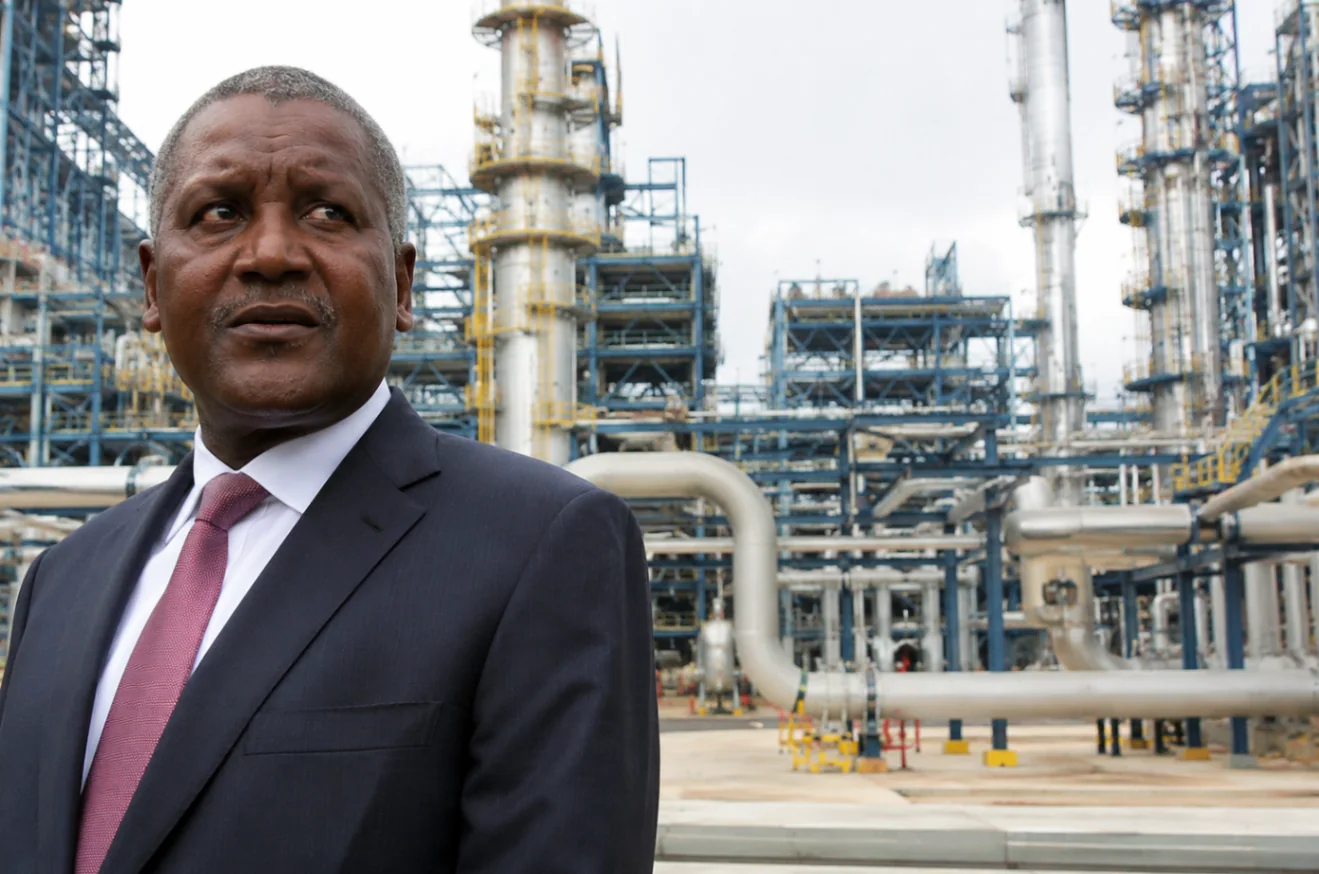
Nigeria’s refined petroleum exports to Europe surged by about 767% in the second quarter of 2026, rising to an average of 130,000 barrels per day from 15,000 barrels per day in 2023. The United States Energy Information Administration says the expansion of the Dangote refinery has played a major role in transforming Nigeria from a major importer of refined petroleum products into an increasingly important exporter.
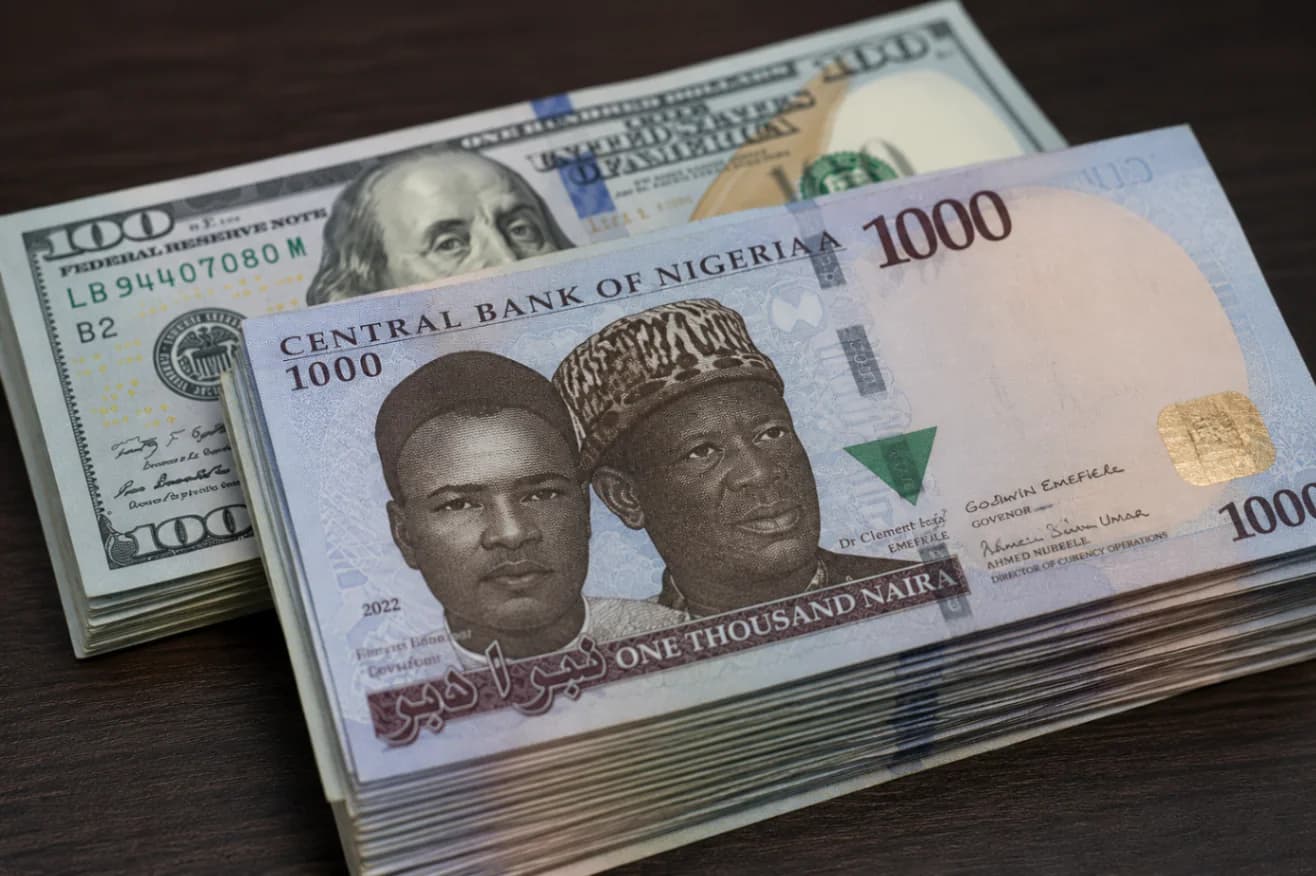
Nigeria’s foreign exchange reserves have climbed to $52.83 billion, gaining about $7.27 billion since the beginning of 2026. The increase strengthens the country’s external financial buffer and could support confidence in the naira, although analysts and businesses will be watching to see whether the stronger reserves translate into greater stability in the foreign-exchange market.
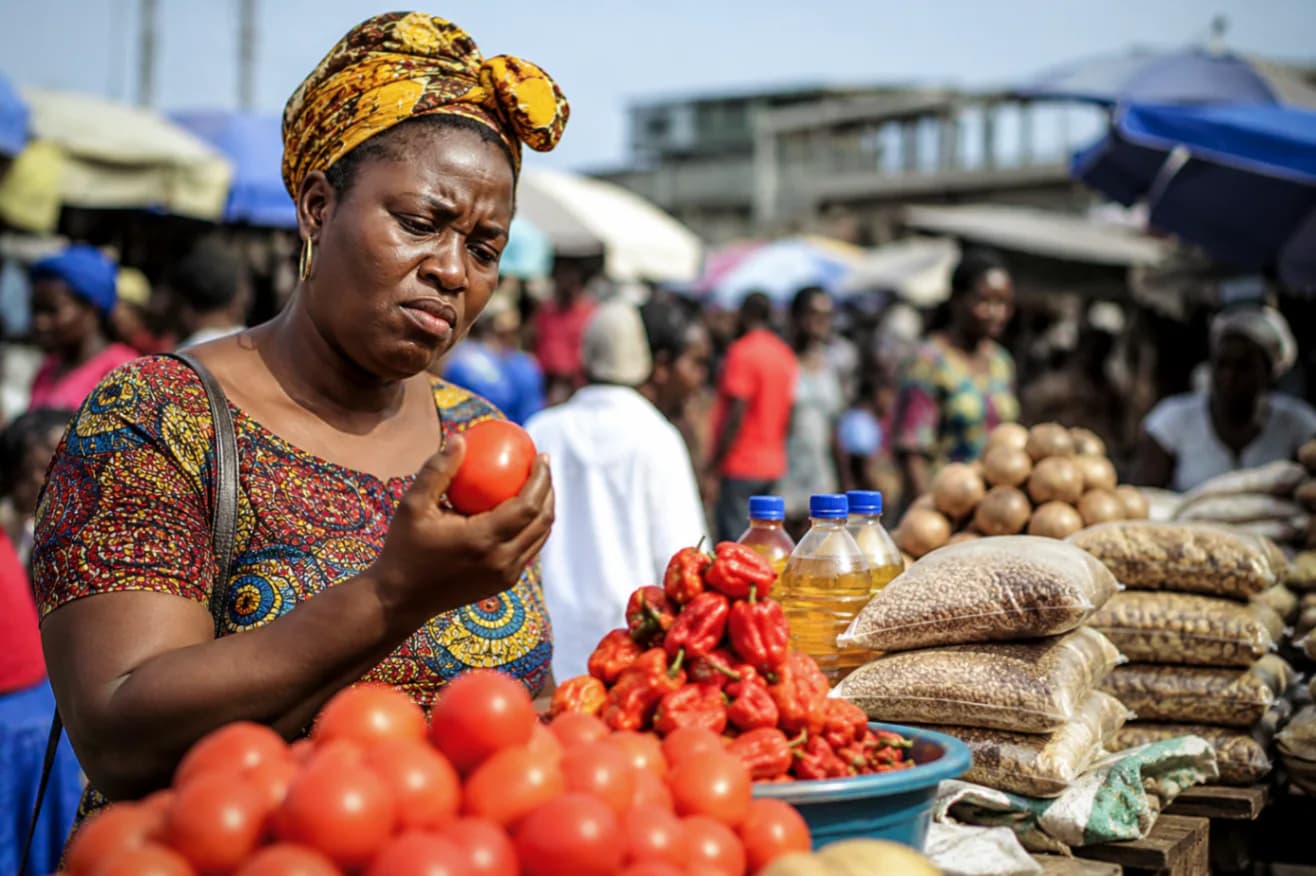
Nigeria's headline inflation rate has fallen to 15.43%, according to the latest figures, but the improvement has not necessarily translated into cheaper food, transport and household essentials for many Nigerians. The development raises an important question: if inflation is slowing, why are millions of households still struggling with the cost of living?
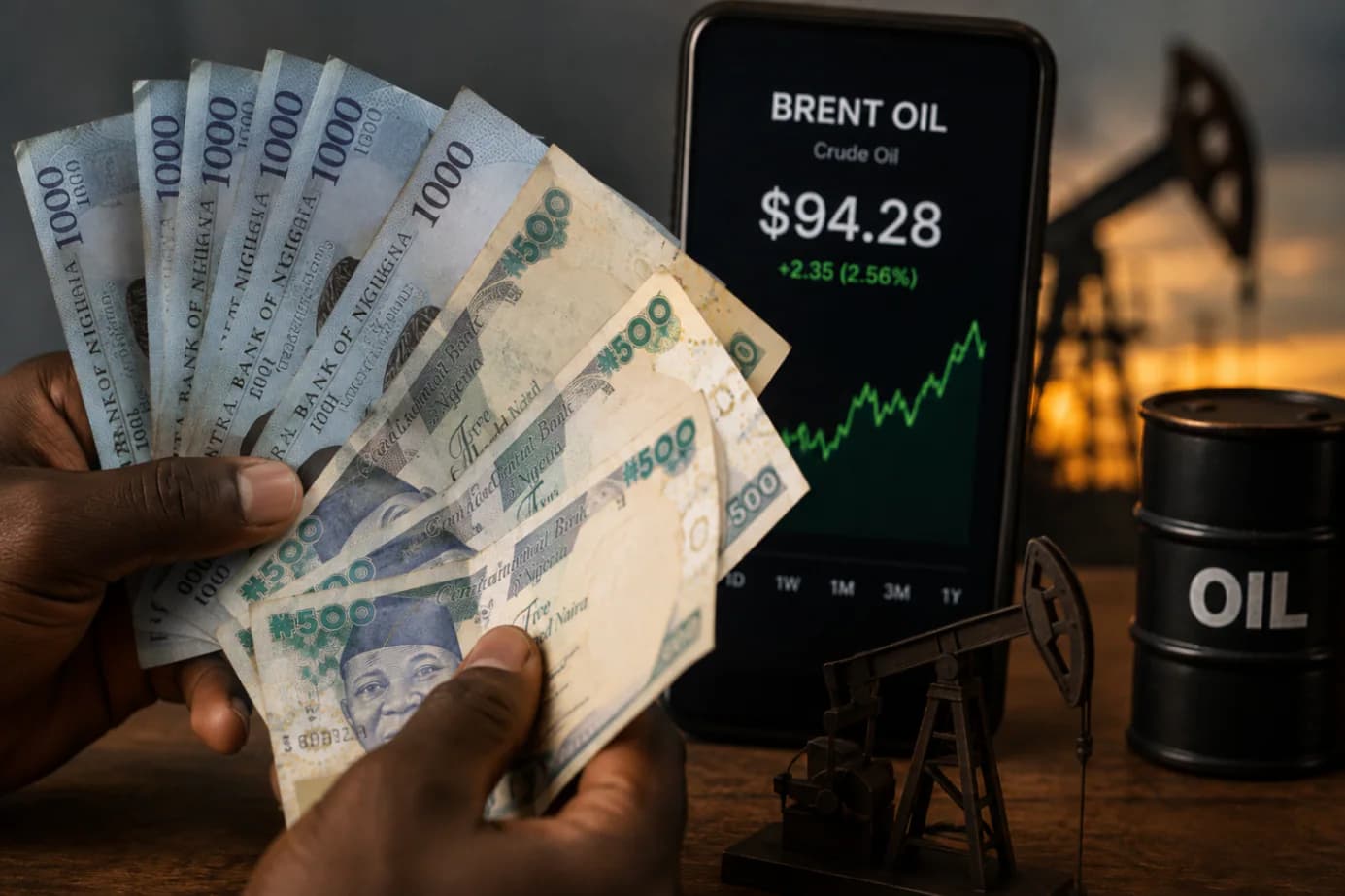
The Nigerian naira is showing signs of relative stability, trading around ₦1,345 to the dollar on the official market as Brent crude rises above $94 a barrel. Higher oil prices could provide support for Nigeria’s foreign-exchange position, although global supply risks and the wider cost-of-living crisis remain major concerns.

Nigeria’s internet subscriber base rose to 157.4 million in May 2026, marking the tenth consecutive month of growth, while broadband penetration climbed to 56.1%. The latest figures point to continued expansion of digital connectivity across the country.
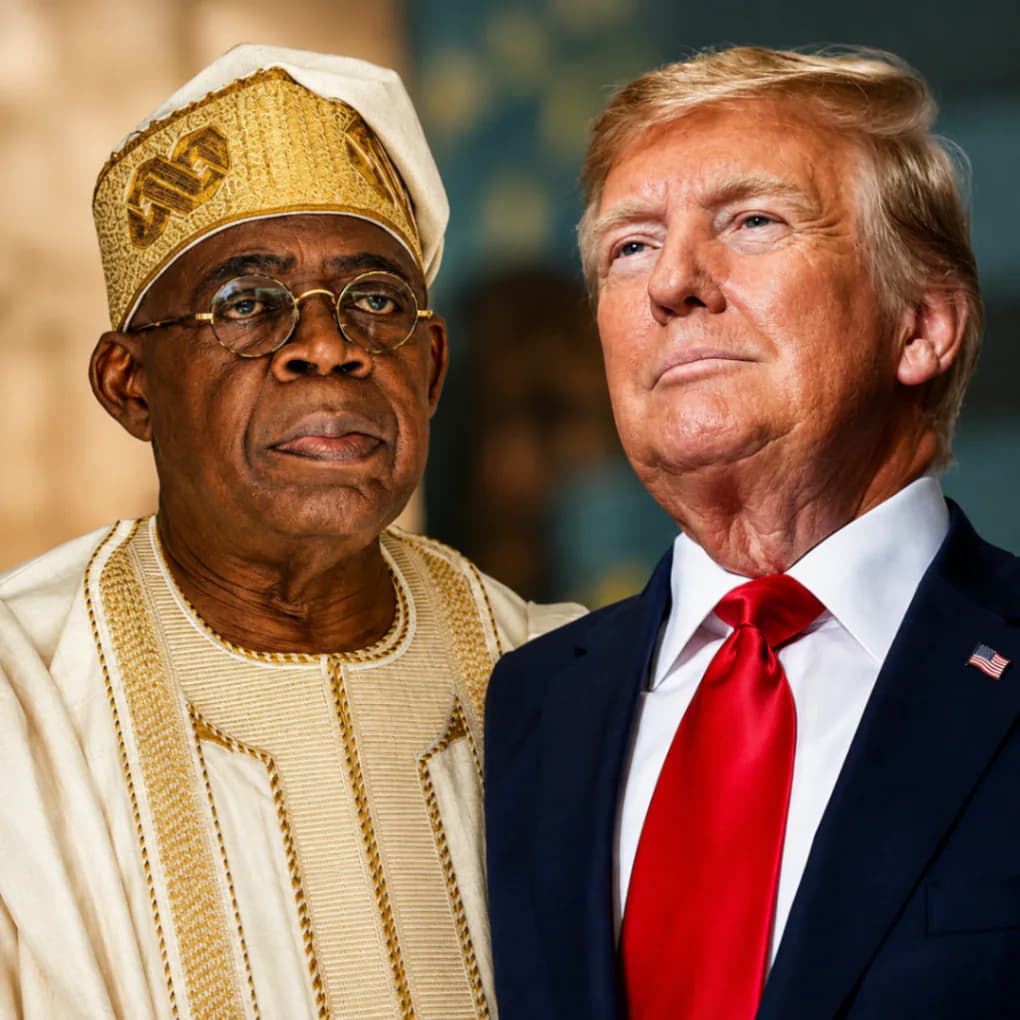
The United States Coast Guard has lifted a 12-year Condition of Entry imposed on vessels arriving in the US from Nigeria. The Nigerian government says the decision reflects improvements in maritime security and could reduce shipping costs while making Nigerian ports more competitive.
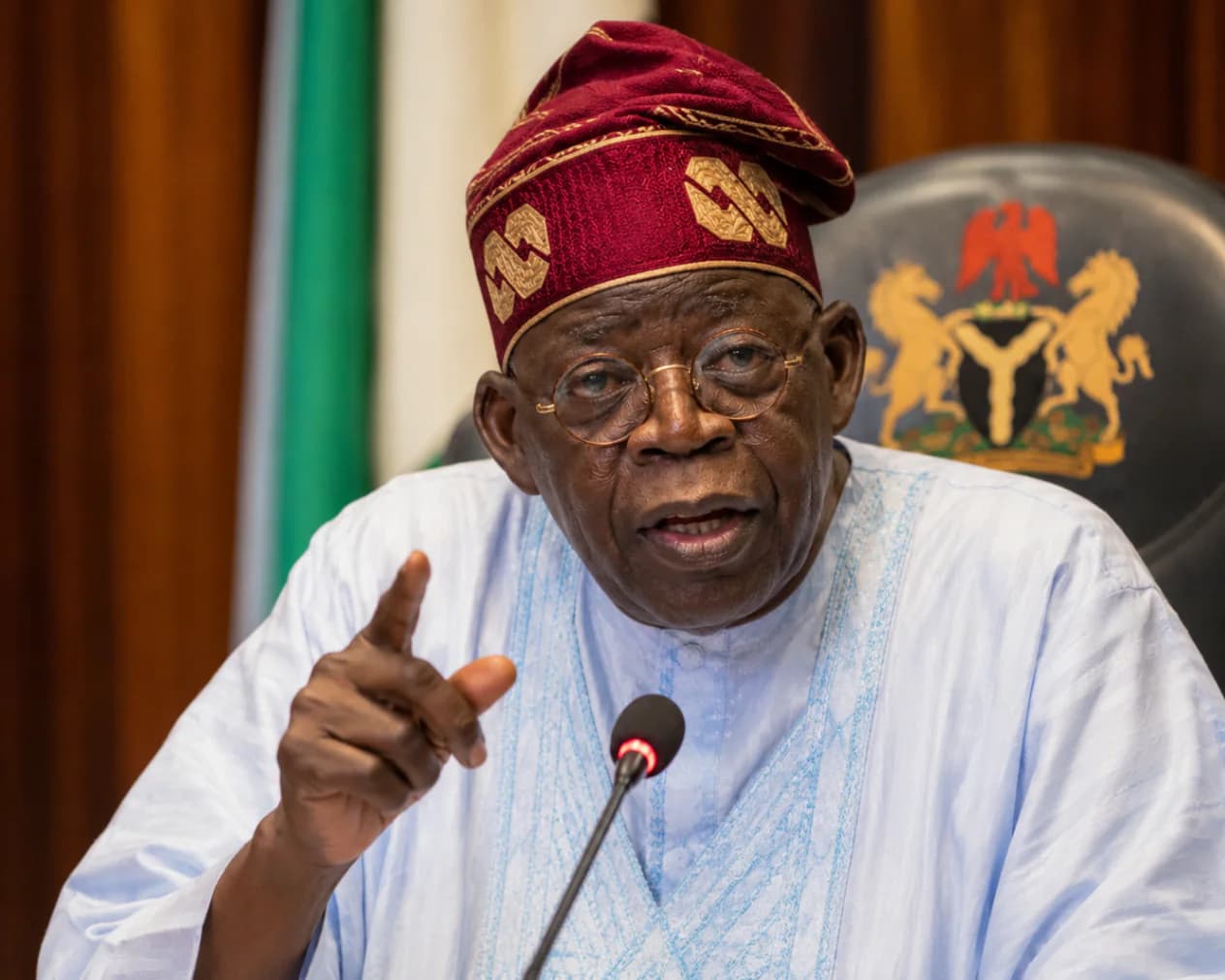
Nigeria is positioning its offshore oil and gas sector for a major investment wave, with the NUPRC expecting 22 projects to attract between $30 billion and $50 billion in investment through 2030. The Federal Government says recent regulatory reforms are designed to make deepwater projects more attractive to investors.
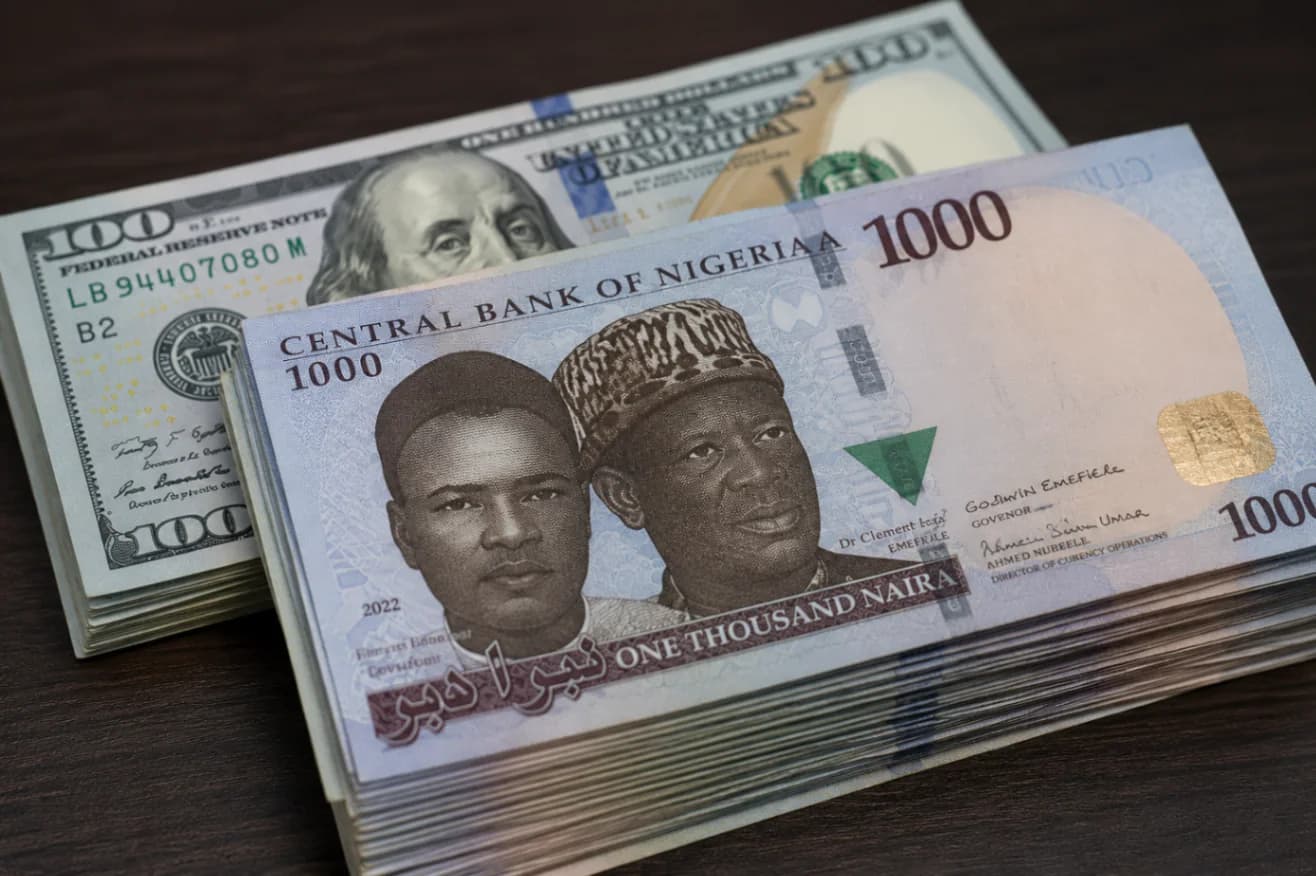
The Nigerian naira has continued its recent recovery against the US dollar, with the official exchange rate reaching about ₦1,350 per dollar on Monday. The currency's latest performance comes as traders continue to monitor foreign-exchange liquidity and demand.
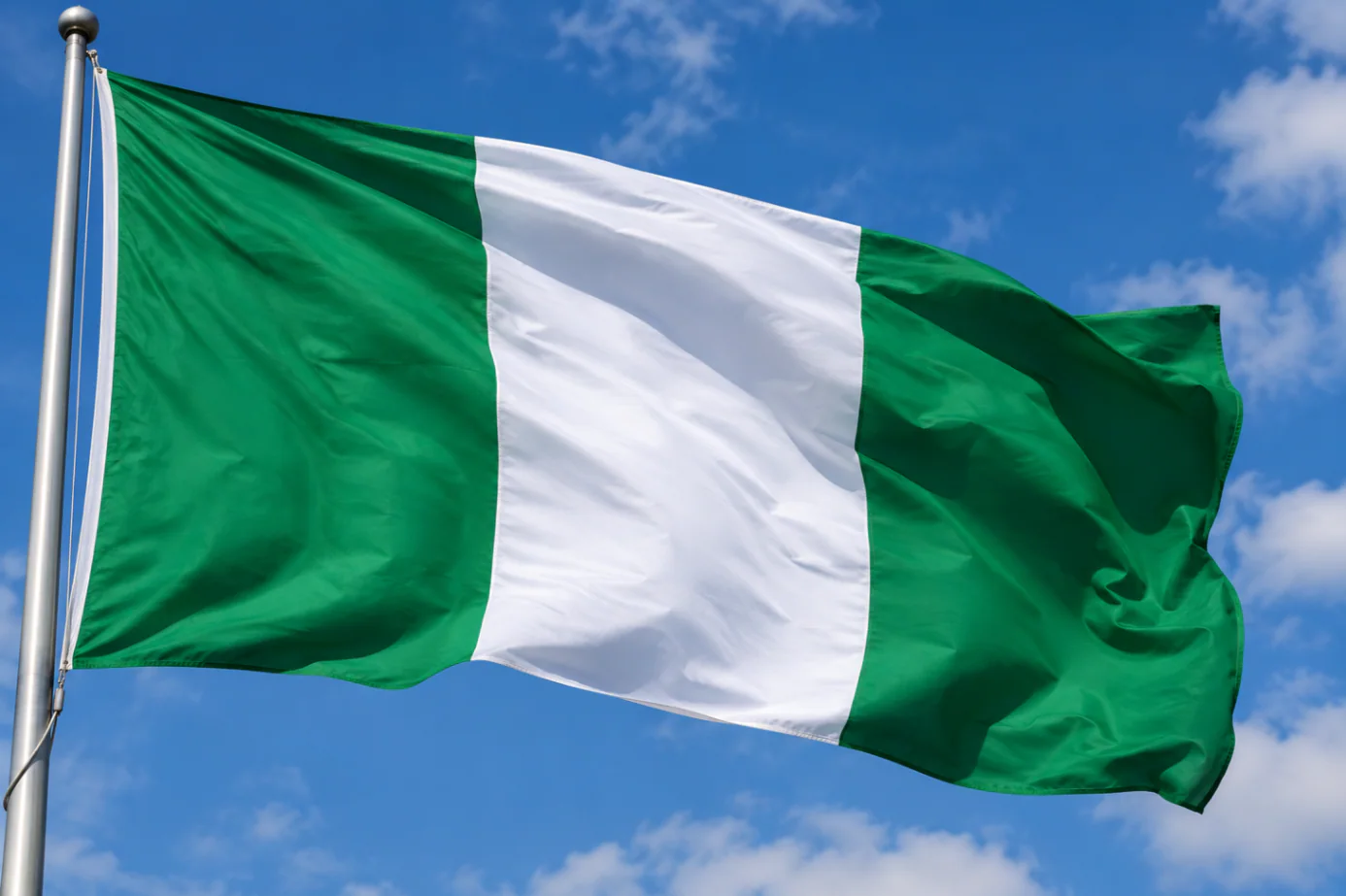
Nigeria’s headline inflation rate eased to 15.43% in July 2026, down from 15.91% in June. However, food inflation moved sharply higher, reaching 20.31% year-on-year and raising fresh concerns about the cost of living for households.
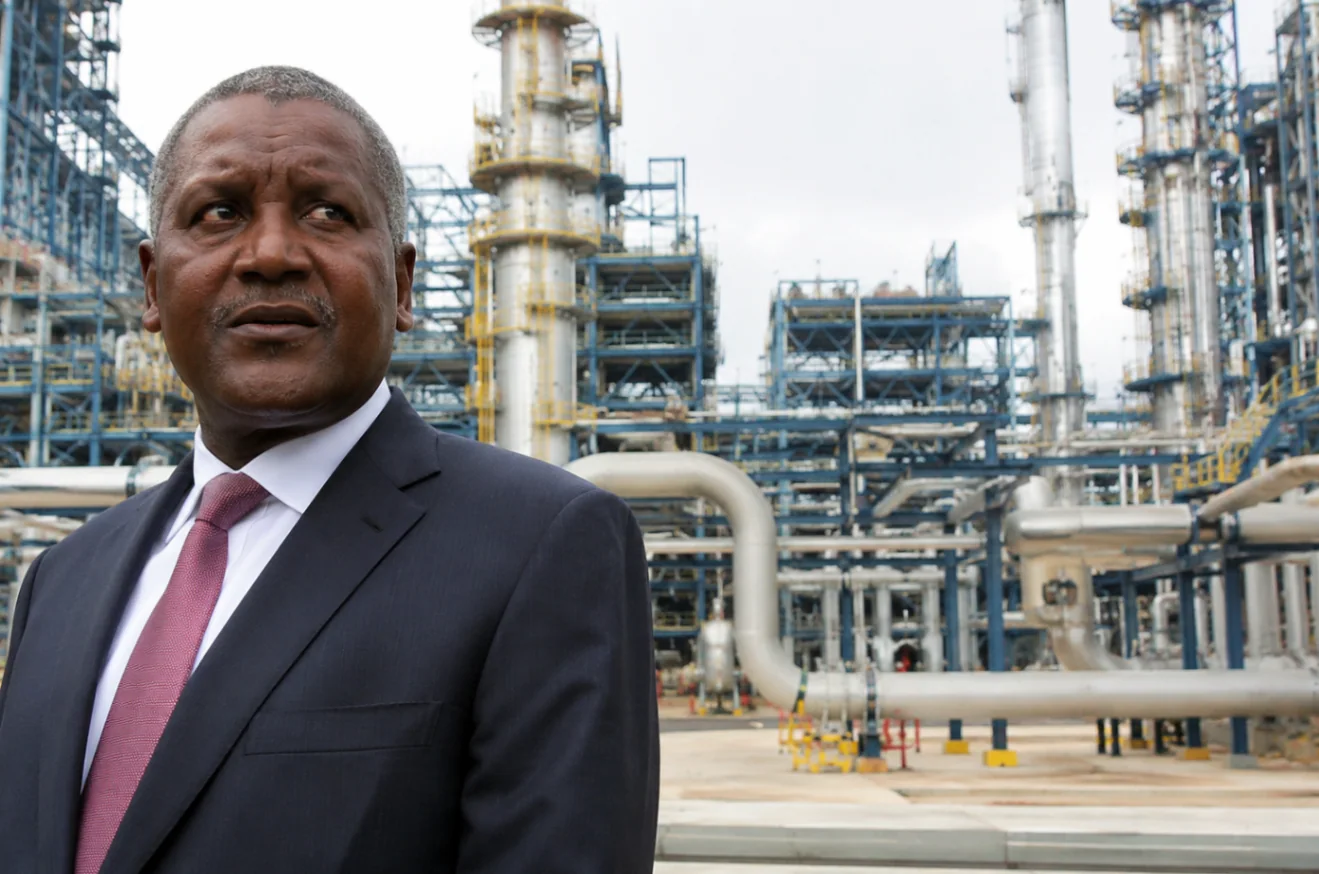
Nigeria is considering changes to its domestic crude allocation and pricing framework that could make it easier for Dangote Refinery and other local plants to access crude while reducing some transportation and handling costs.
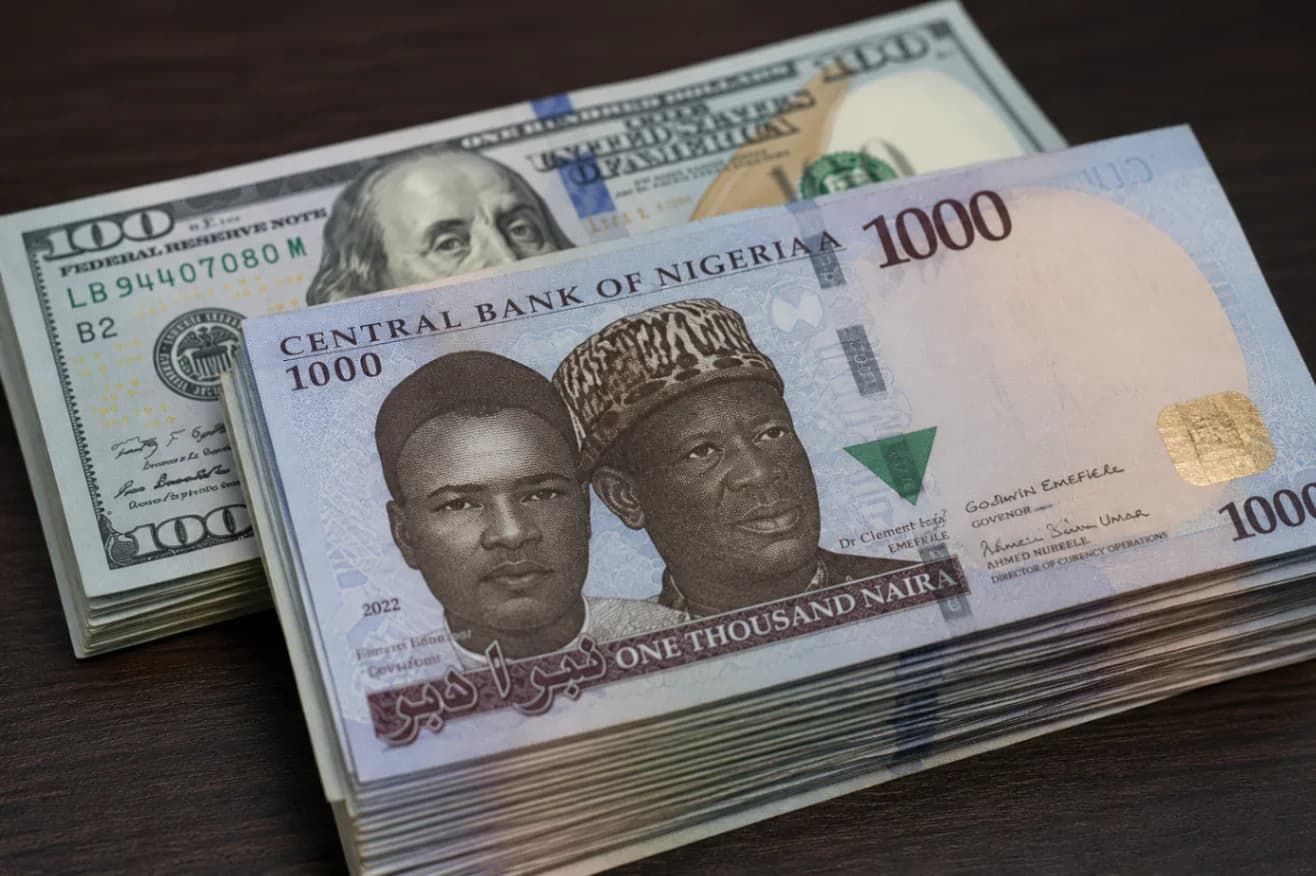
The Nigerian naira has started the week on firmer ground, with the official NFEM rate at about ₦1,357.61 per US dollar while the parallel market is quoting around ₦1,420.
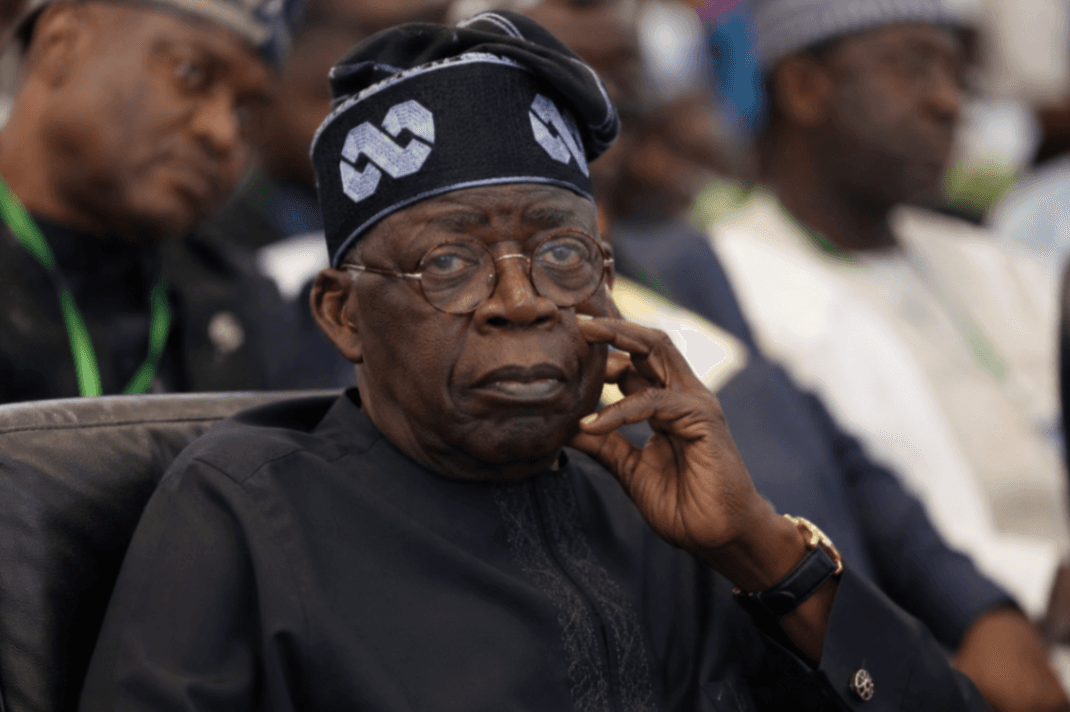
President Bola Tinubu has approved Nigeria's deep-offshore tax-remission framework. Officials say it could unlock up to $50 billion in investment, but that figure is potential, not committed capital.

Pastor Jerry Eze has taken on a new corporate role after Heirs Life Assurance appointed him an Independent Non-Executive Director. The appointment has generated congratulatory reactions online, while Heirs Life says his influence, community engagement and philanthropic work could help strengthen public trust and expand insurance access across Nigeria.
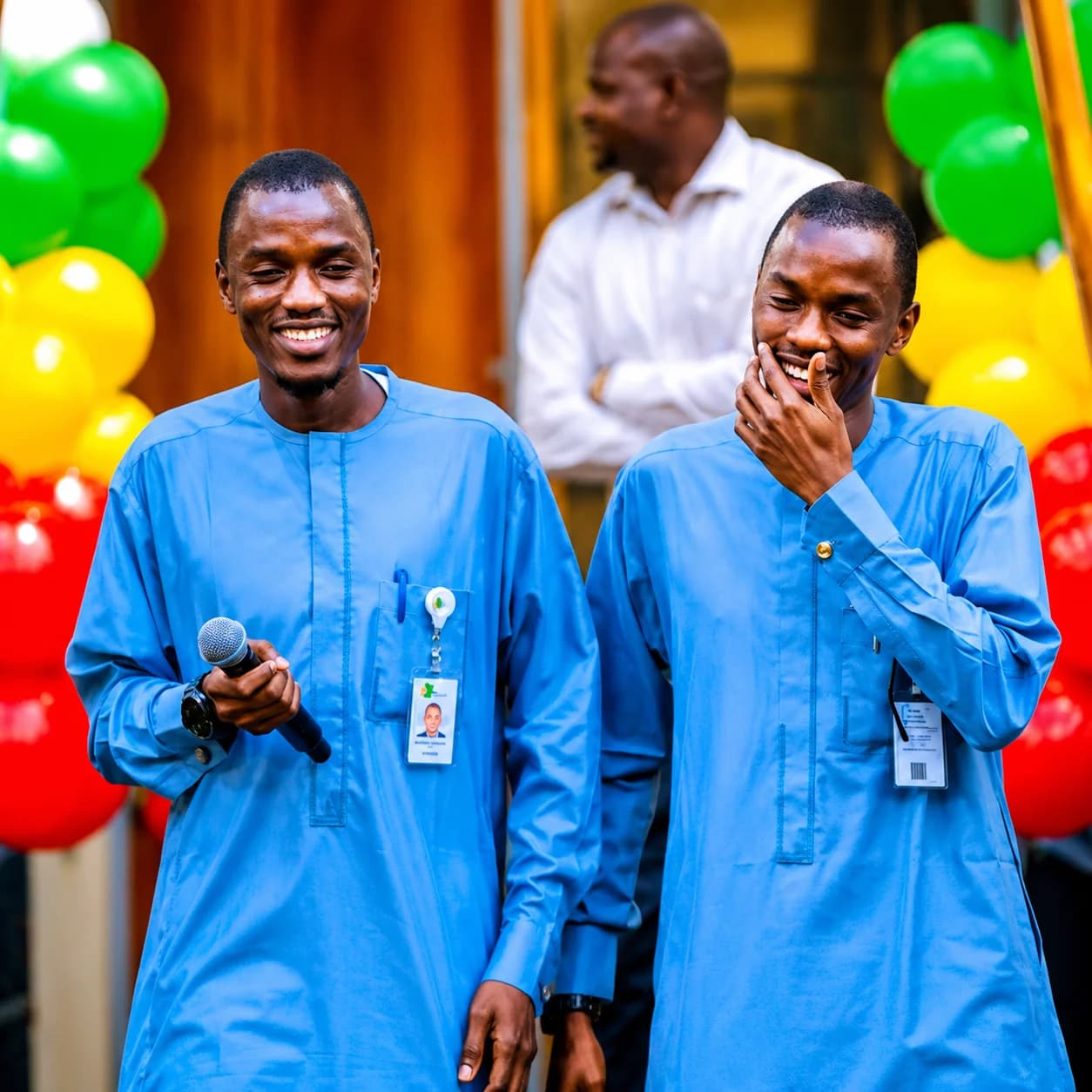
Identical twin brothers Hussaini and Hassan Malami have both secured positions with NNPC, turning what began as a shared family concern into a remarkable recruitment success story. NNPC says their experience challenges the belief that only one member of a family can be recruited and highlights the company's emphasis on merit in its recruitment process.
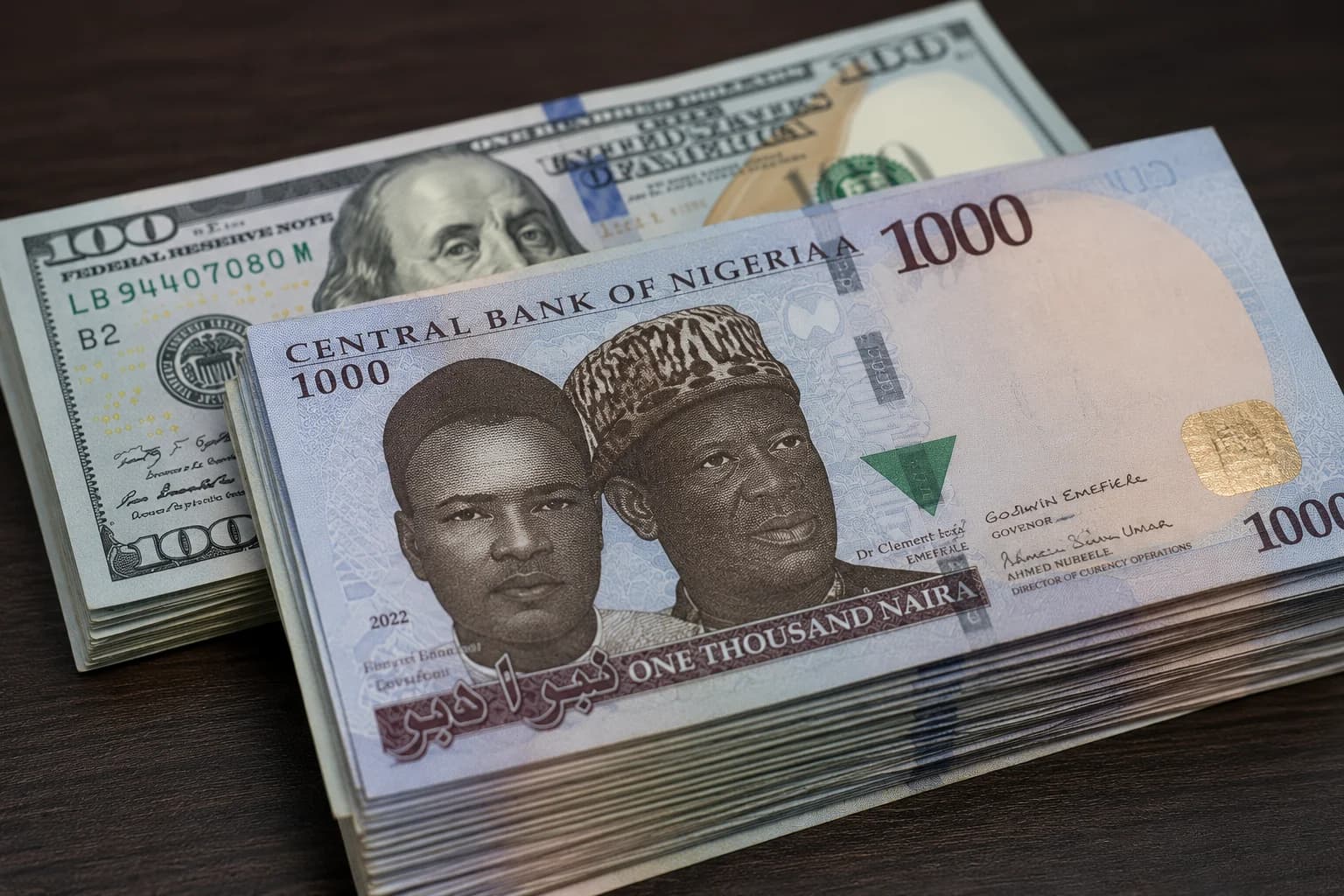
The Nigerian naira has maintained a relatively stable exchange rate against the US dollar in both the official and parallel markets, providing cautious optimism for businesses and consumers after months of volatility. Analysts say improved foreign exchange liquidity and continued Central Bank interventions have helped keep the currency steady.
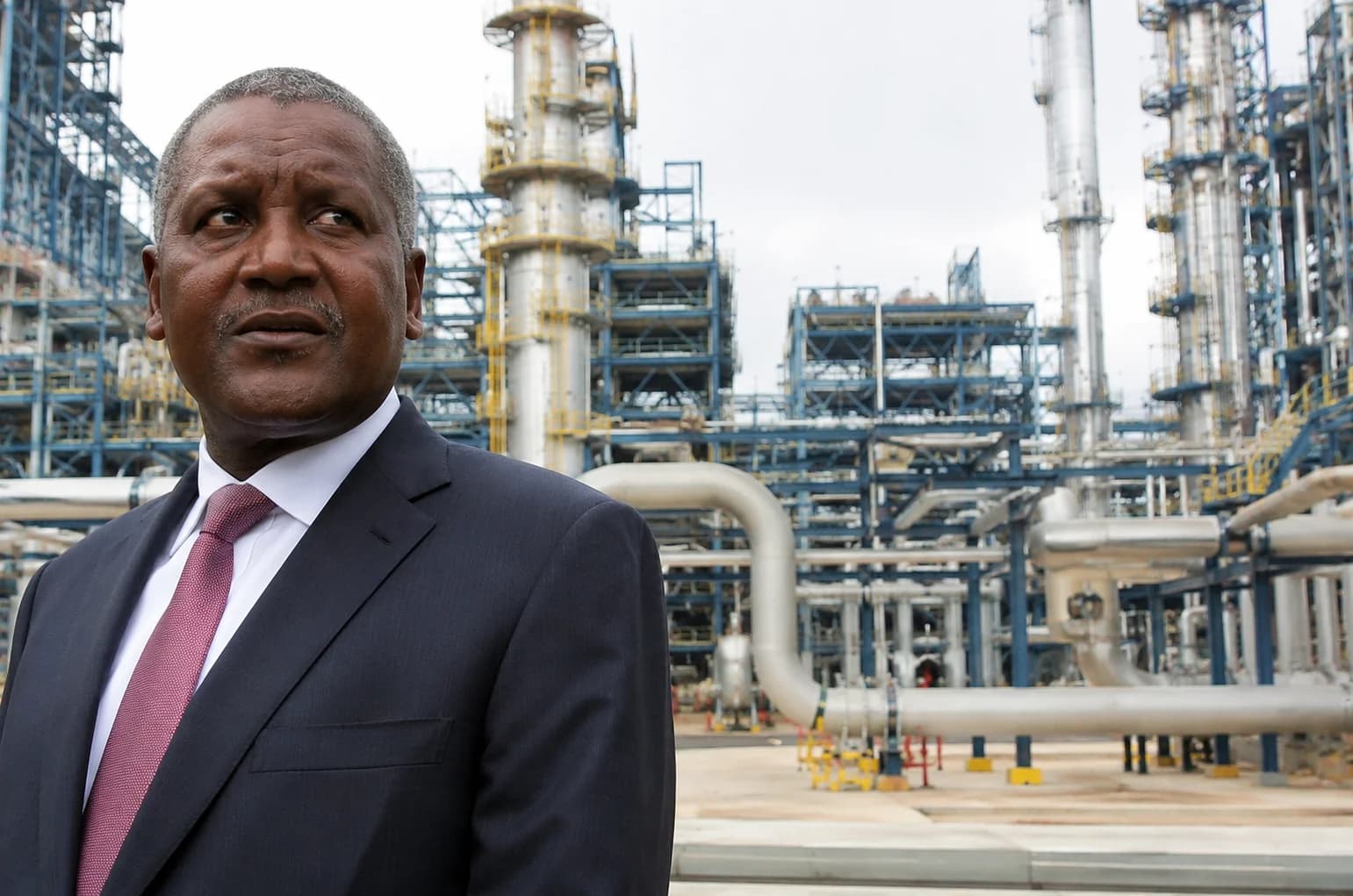
Dangote Petroleum Refinery has announced another reduction in the price of petrol, cutting its ex-depot price by ₦50 per litre. The latest adjustment is expected to trigger lower fuel prices across Nigeria as marketers respond to increasing competition in the downstream petroleum sector.

Nigeria's banking industry is facing renewed cybersecurity concerns after Access Bank and Zenith Bank confirmed separate data security incidents within days of each other. While both banks insist customers' money remains safe, the breaches have raised fresh questions about the protection of personal information in an increasingly digital banking environment.
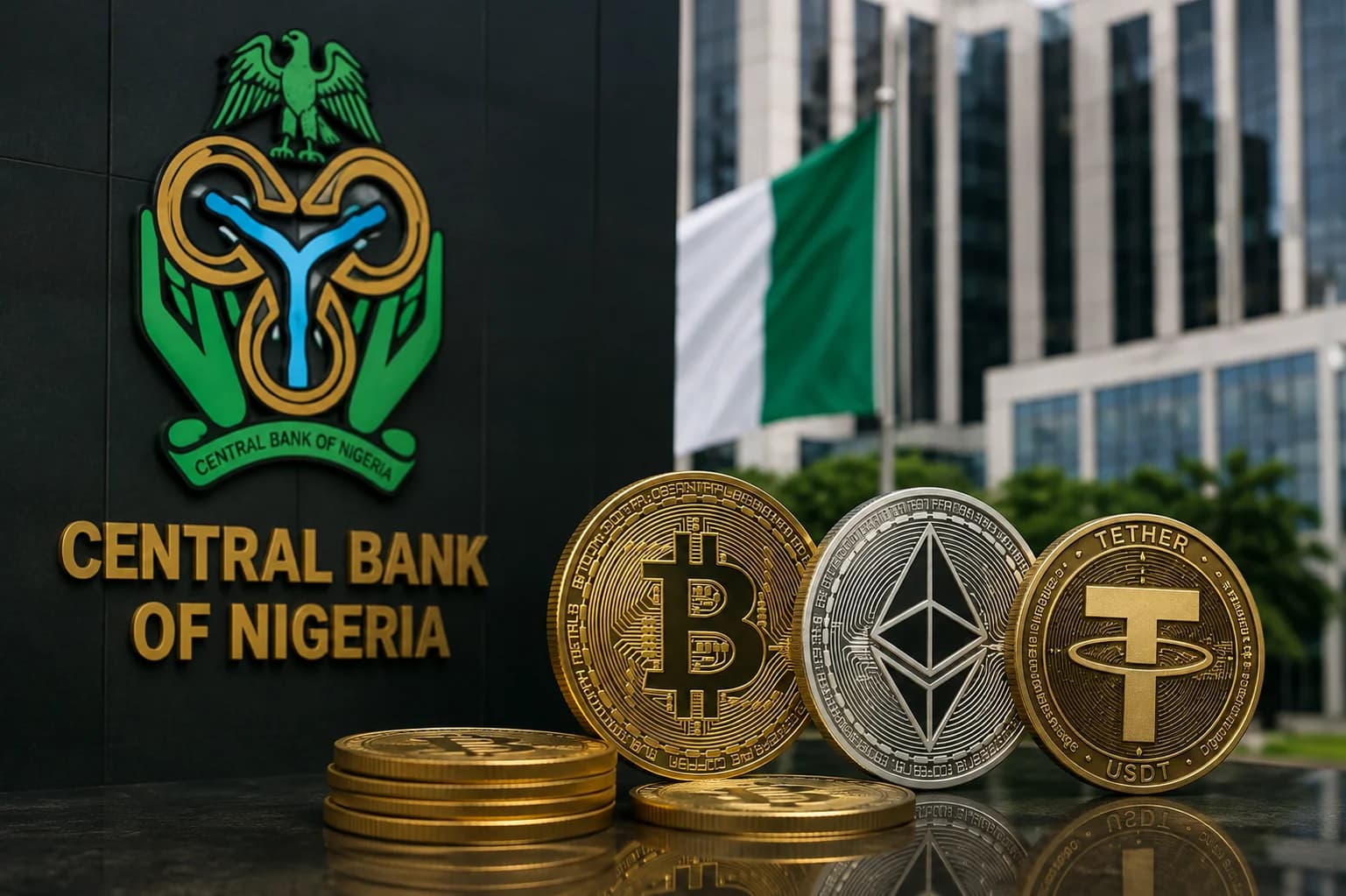
The Central Bank of Nigeria (CBN) is taking a major step toward regulating cryptocurrencies, stablecoins, and other virtual assets, signaling a shift from years of uncertainty to a more structured oversight framework for the digital asset industry.
The World Bank has officially opened applications for its 2027 Africa Fellowship Programme, giving young African researchers and professionals an opportunity to contribute to global development projects while gaining hands-on experience at one of the world's leading financial institutions.
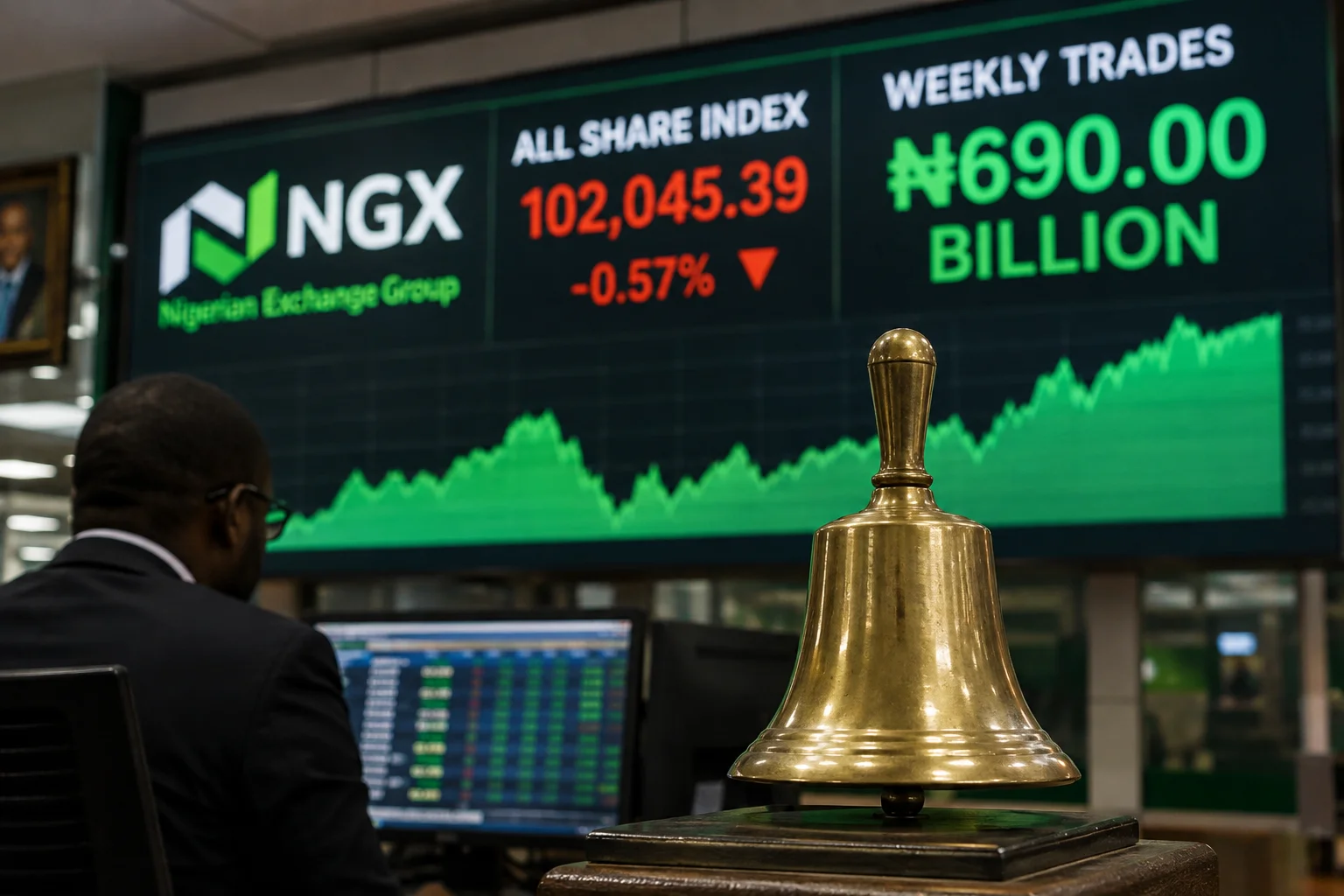
Trading activity on the Nigerian Exchange (NGX) remained robust during the week, with investors exchanging shares worth approximately ₦690 billion, even as the market ended lower due to widespread profit-taking.
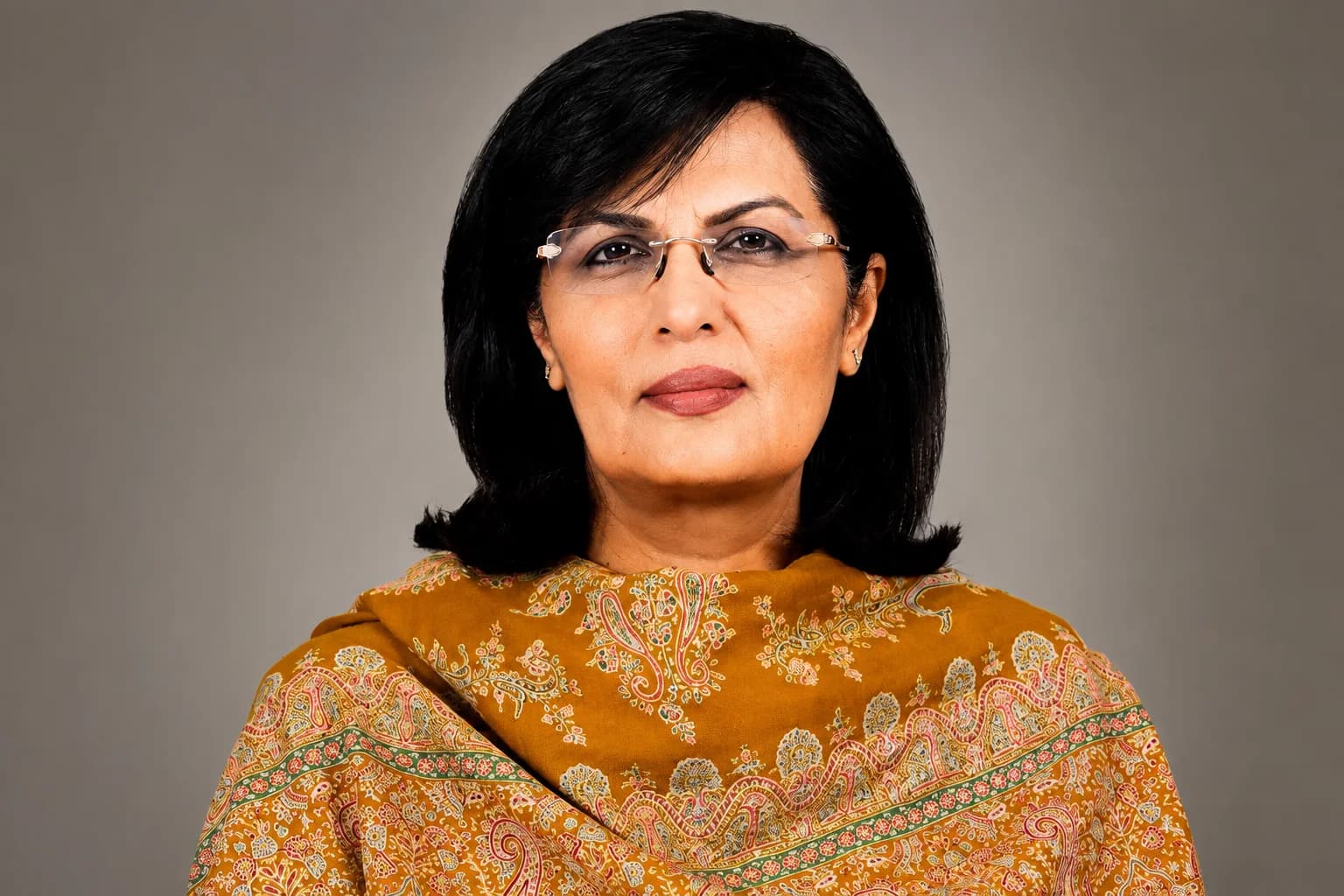
The Vaccine Alliance (Gavi) has pledged more than $500 million to support Nigeria's vaccination programmes over the next five years, a move expected to strengthen immunisation, improve primary healthcare, and protect millions of children across the country.
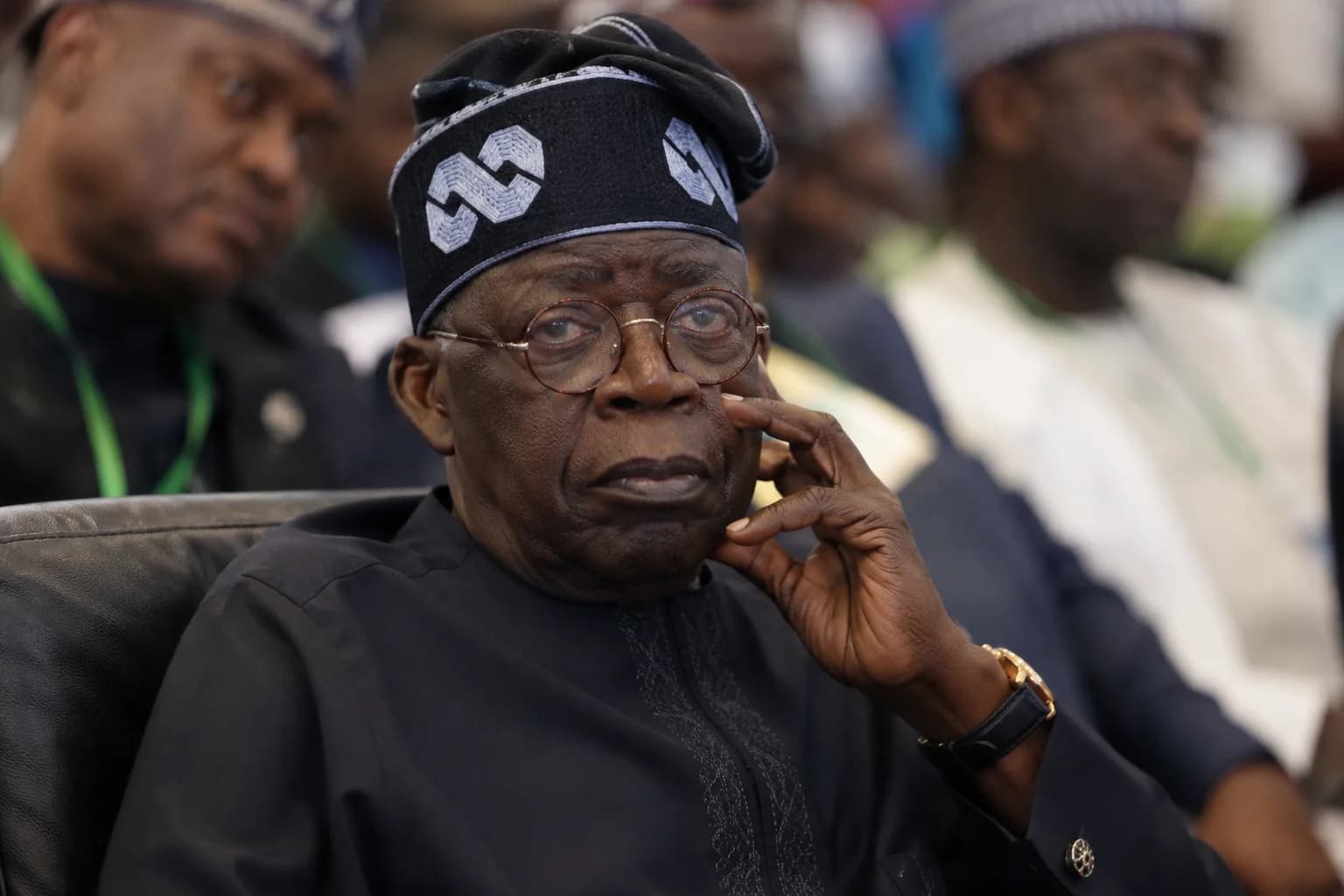
The Federal Government has dispatched a high-level delegation to Benin Republic to study the country's customs, port and border management systems as Nigeria seeks to strengthen trade facilitation, improve border operations and deepen economic cooperation with its West African neighbour.
The Federal Government of Nigeria has warned that the escalating security crisis in the Red Sea could have far-reaching consequences for the global economy, disrupting international trade, increasing shipping costs and putting additional pressure on energy prices. Nigeria called on all parties involved to pursue dialogue and restore stability to one of the world's busiest maritime routes.
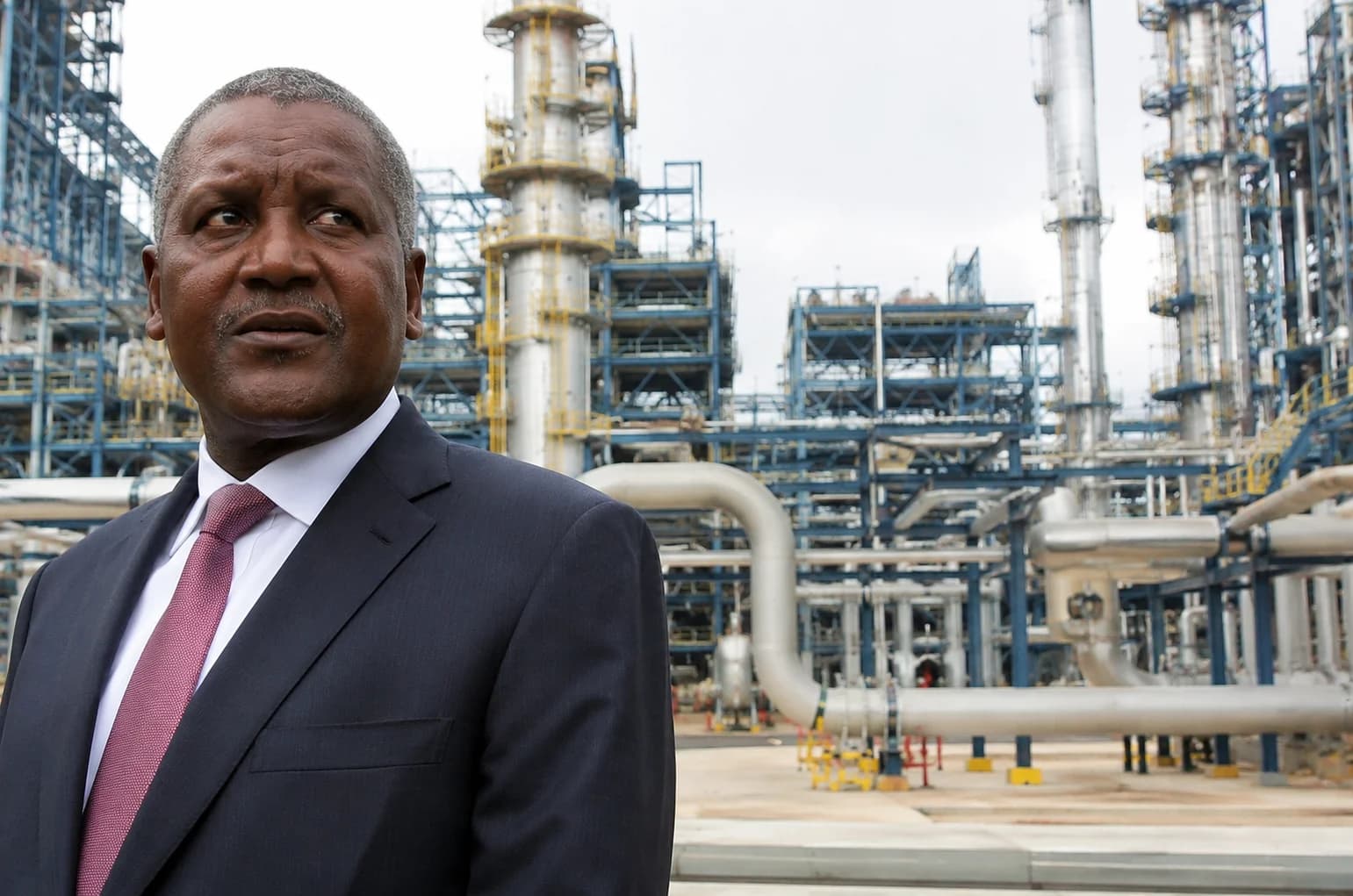
The Dangote Group has announced plans to build a petroleum products storage terminal in Cameroon, marking another major step in the expansion of the 650,000-barrel-per-day Dangote Refinery. If approved, the project is expected to strengthen fuel distribution across Central Africa and improve regional energy security.
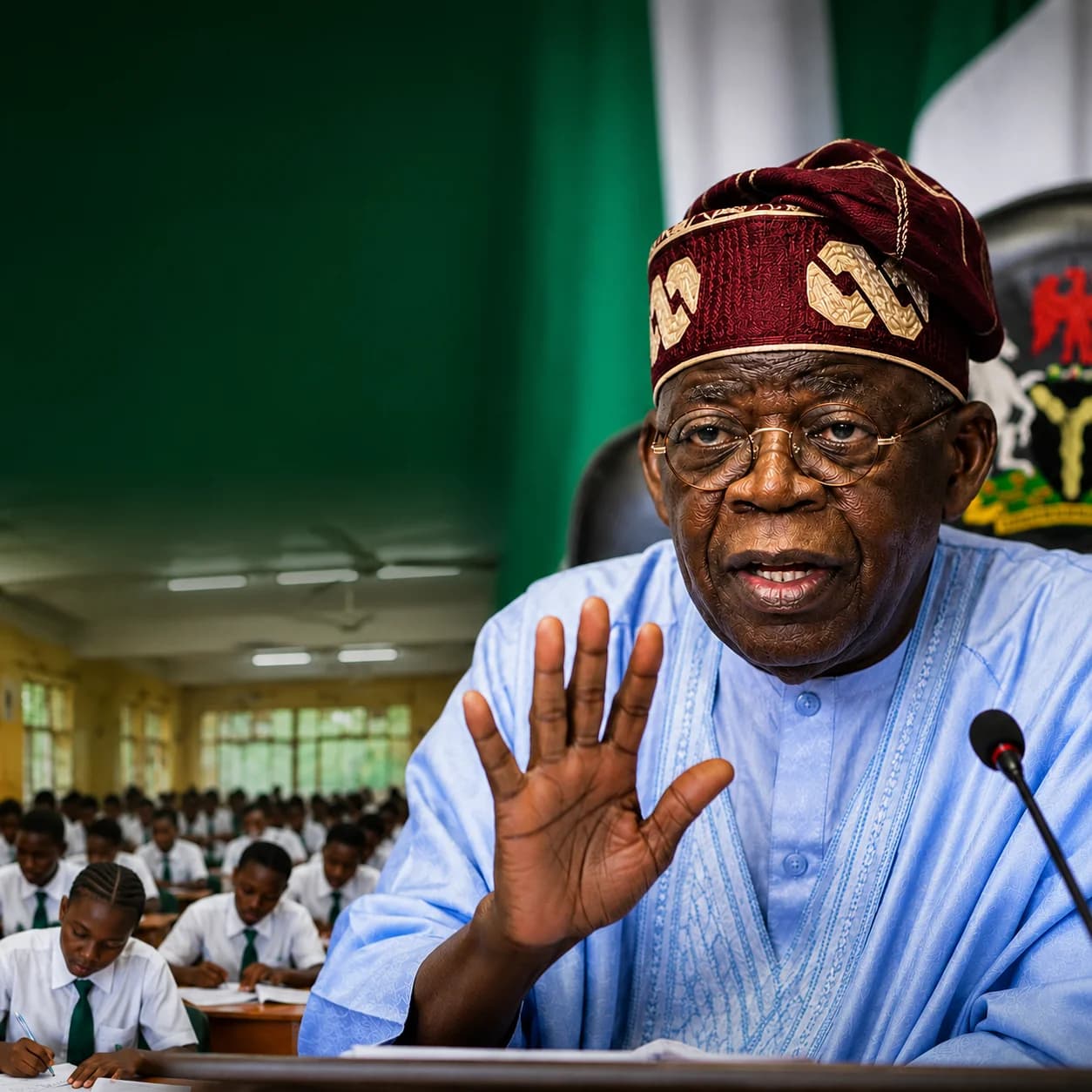
President Bola Ahmed Tinubu has signed the Presidential Executive Order on Virtual Assets Coordination, 2026, creating a unified regulatory framework for cryptocurrencies and other digital assets in Nigeria. The move is designed to promote innovation, protect investors and strengthen oversight of the country's rapidly growing crypto industry.
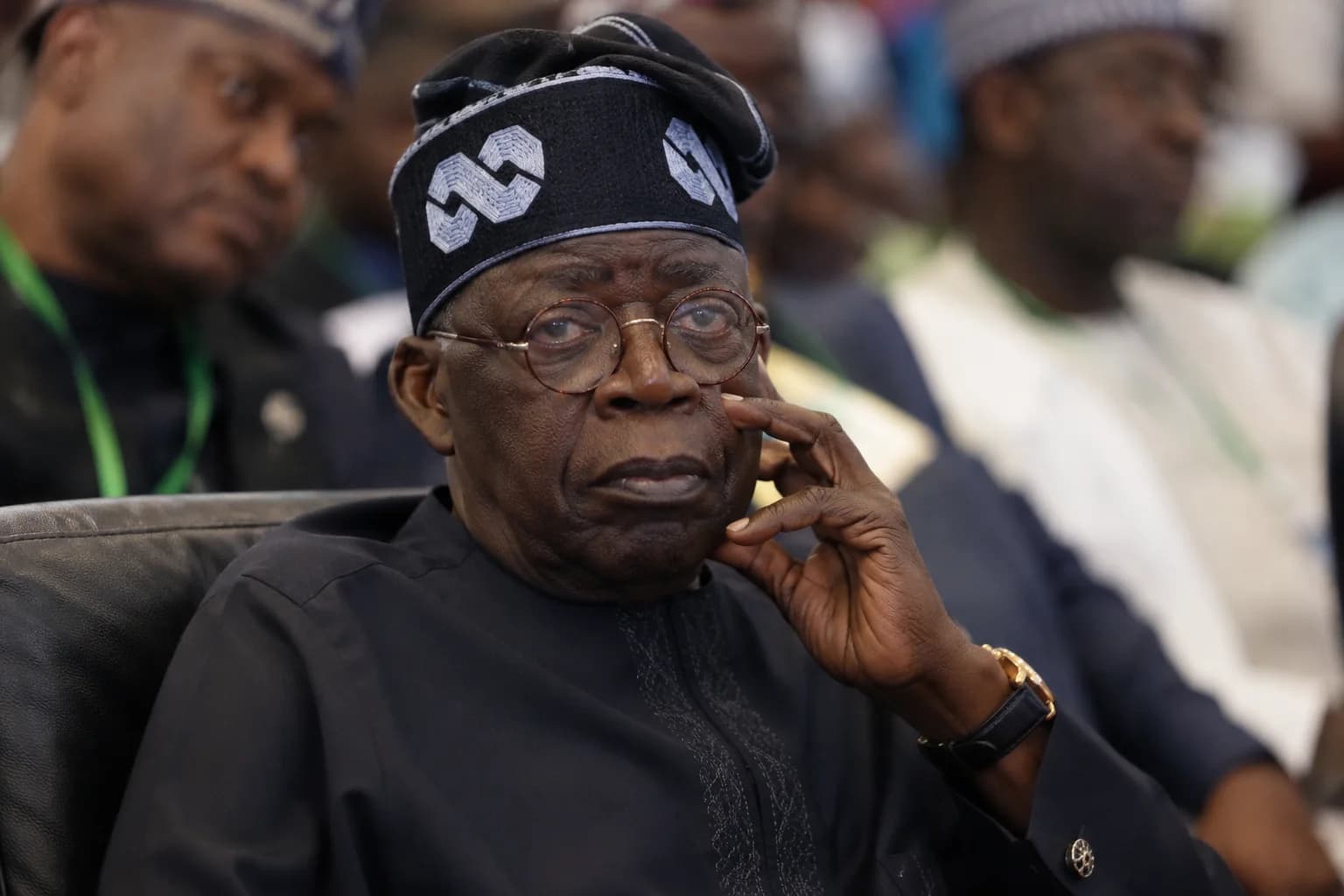
The Federal Government has begun settling long-standing debts owed to electricity generation companies (GenCos), paying ₦333 billion under its Presidential Power Sector Debt Reduction Programme while preparing a fresh ₦729 billion bond to clear more verified obligations. The move is expected to improve liquidity in Nigeria's power sector and support more reliable electricity supply.
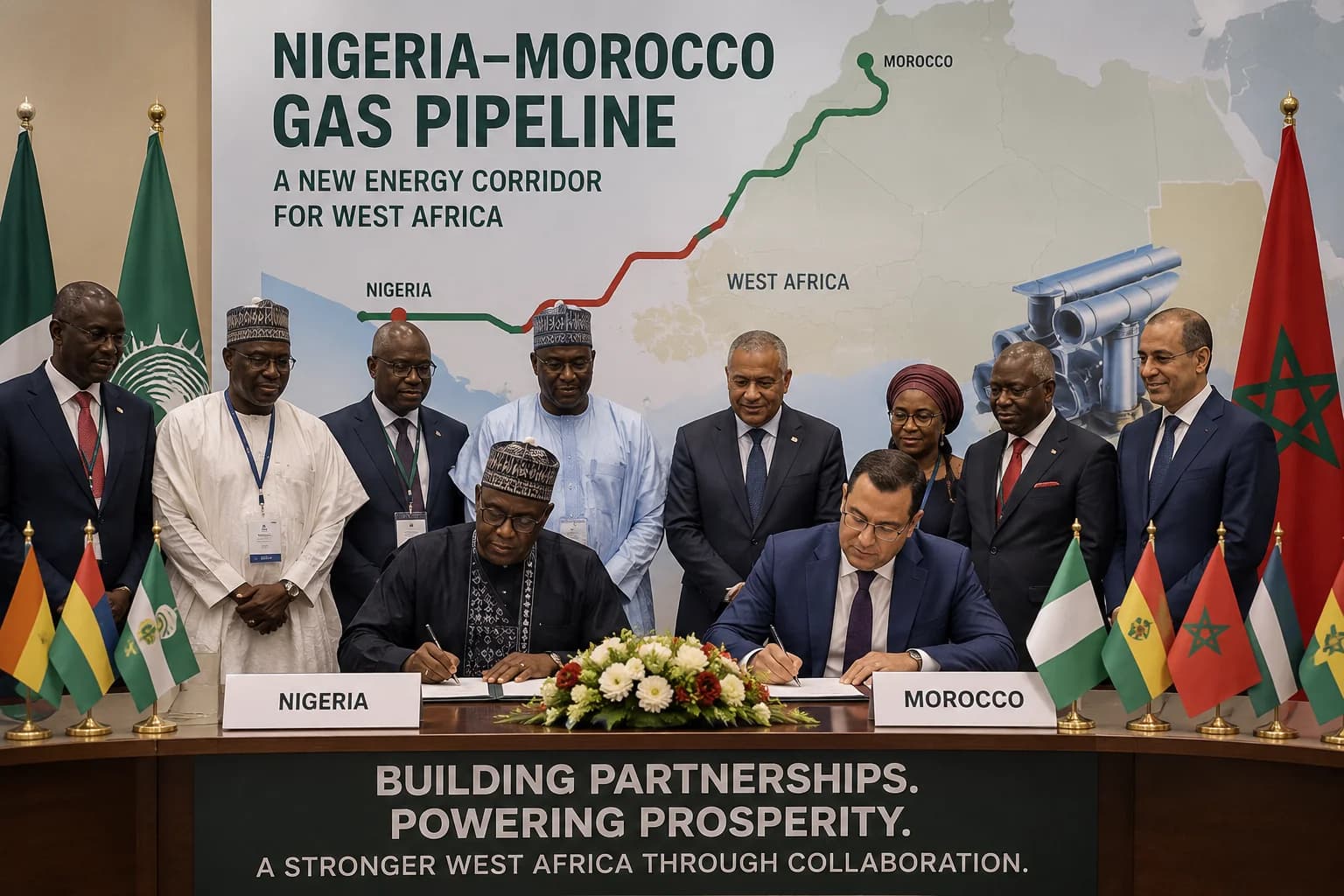
West African leaders have approved the Nigeria–Morocco Gas Pipeline, a landmark energy project expected to connect Nigeria's vast natural gas reserves with 13 West African countries, Morocco and eventually Europe. The approval marks a major milestone for one of Africa's largest infrastructure projects.
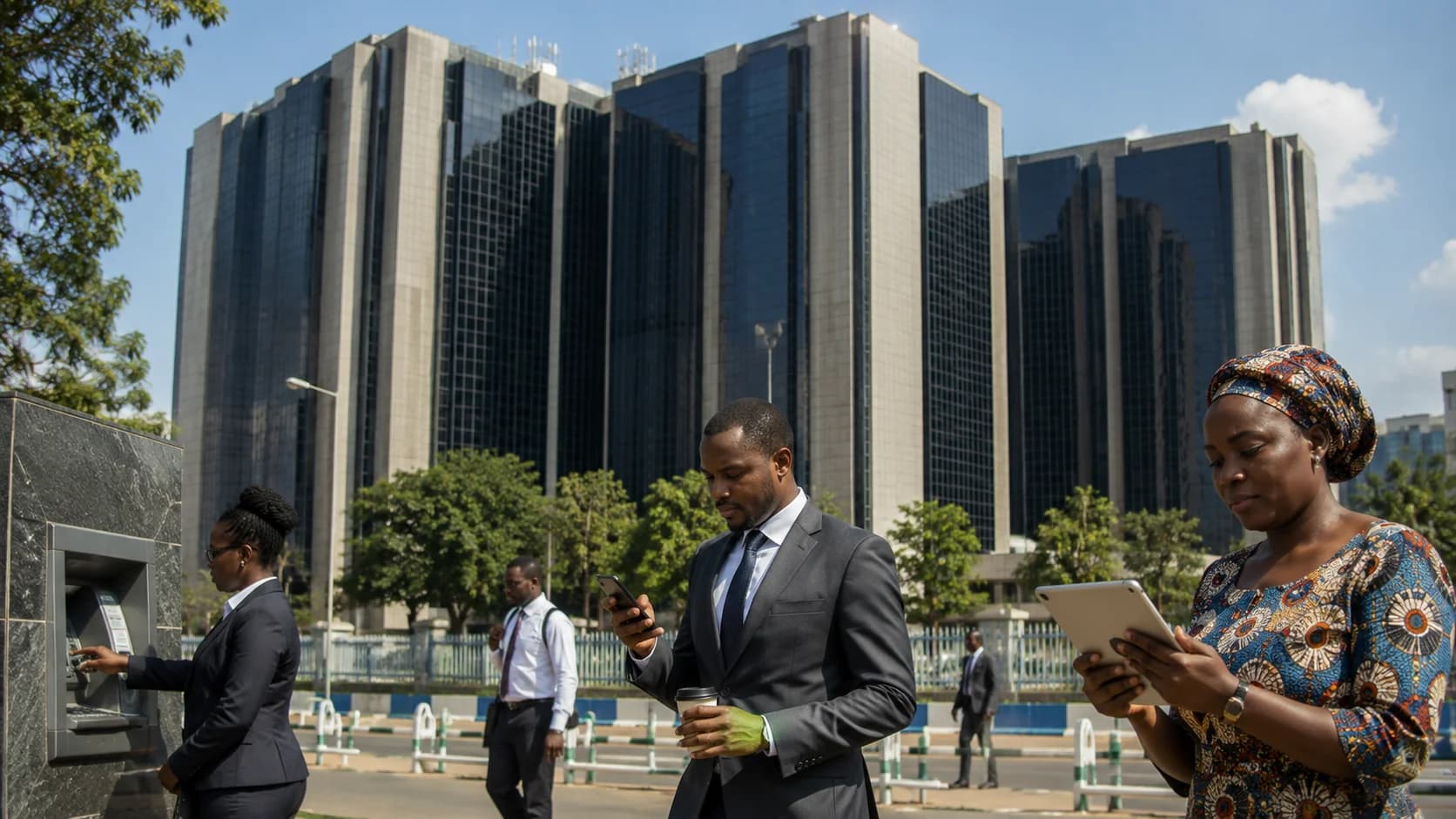
Nigeria's financial markets are watching closely as the Central Bank of Nigeria's Monetary Policy Committee (MPC) prepares to meet this week. Investors, businesses and households are awaiting key decisions on interest rates, inflation and the country's broader economic outlook. Recent easing in inflation has raised expectations that the CBN could maintain its current policy stance.
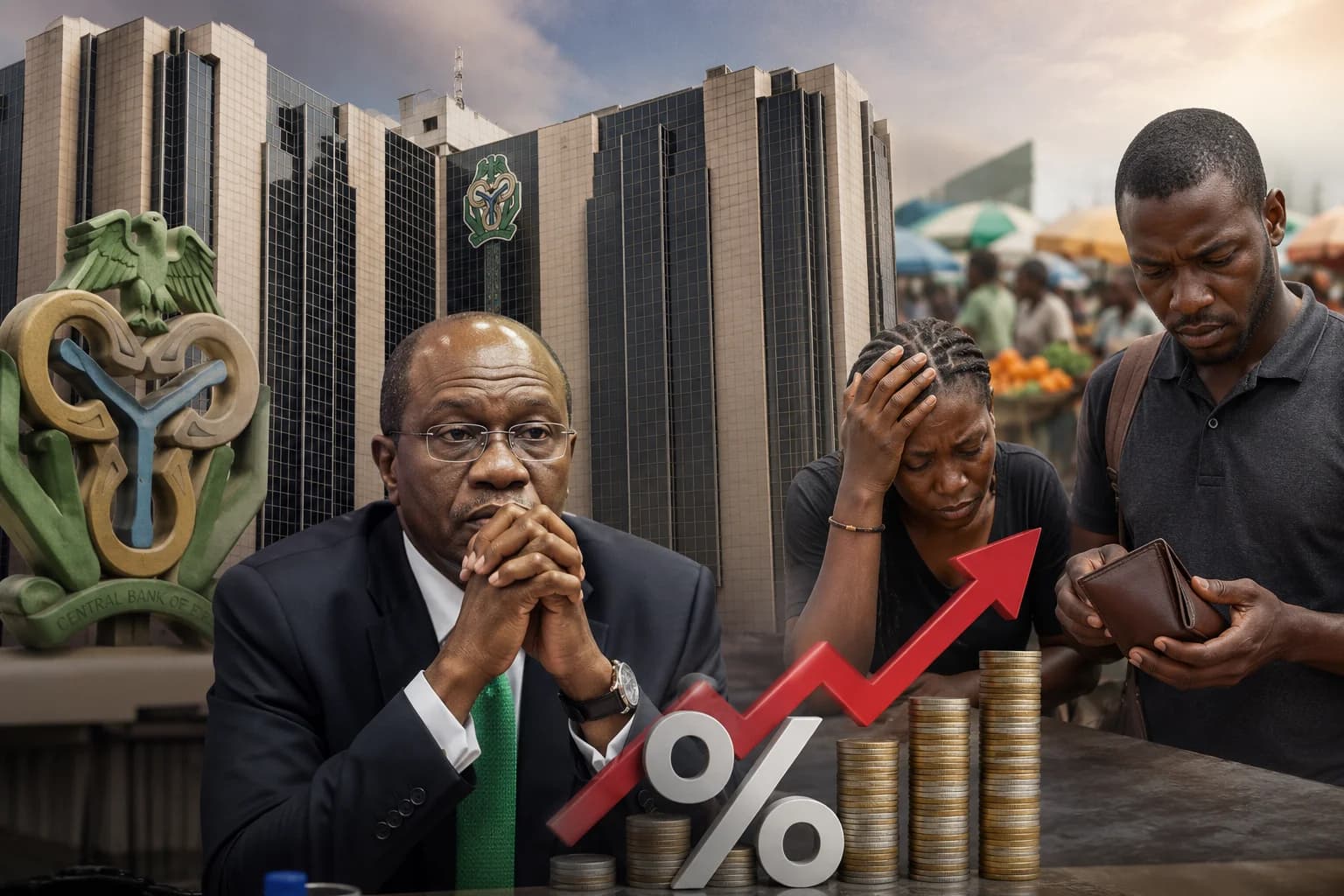
Despite signs that inflation is easing, the Central Bank of Nigeria (CBN) is signaling that it is not yet ready to reduce interest rates. CBN Governor Olayemi Cardoso says the bank must remain cautious because of global uncertainties, including geopolitical tensions in the Middle East, exchange rate pressures and inflation risks. The decision could shape the cost of borrowing, business investment and the everyday finances of millions of Nigerians.
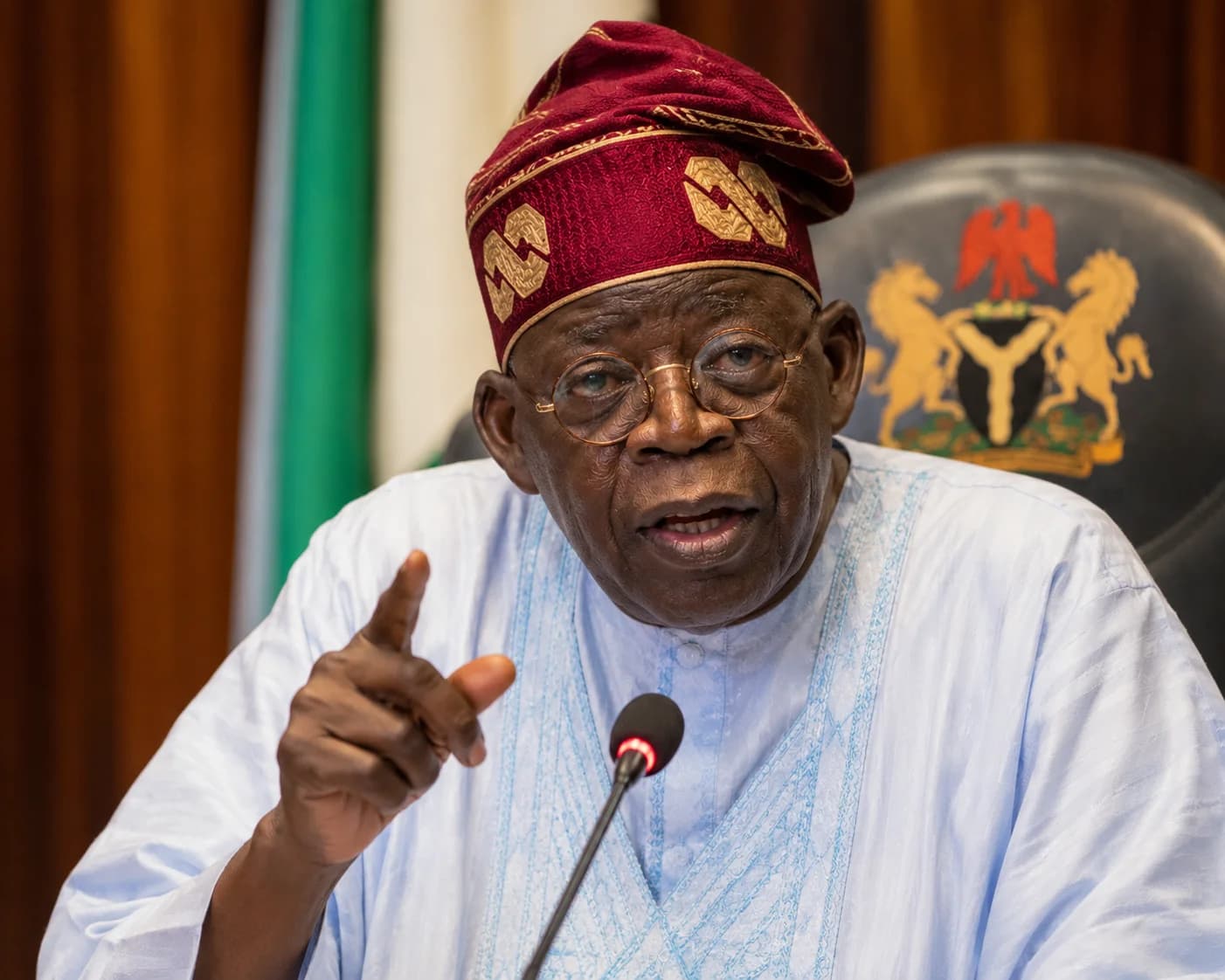
Nigeria's economic outlook received a significant boost after Central Bank Governor Olayemi Cardoso announced that the country's net foreign reserves have climbed from about $3 billion in 2023 to approximately $40 billion. The announcement marks one of the strongest improvements in Nigeria's external financial position in recent years and is expected to strengthen investor confidence, support the naira and improve the country's resilience against global economic shocks.
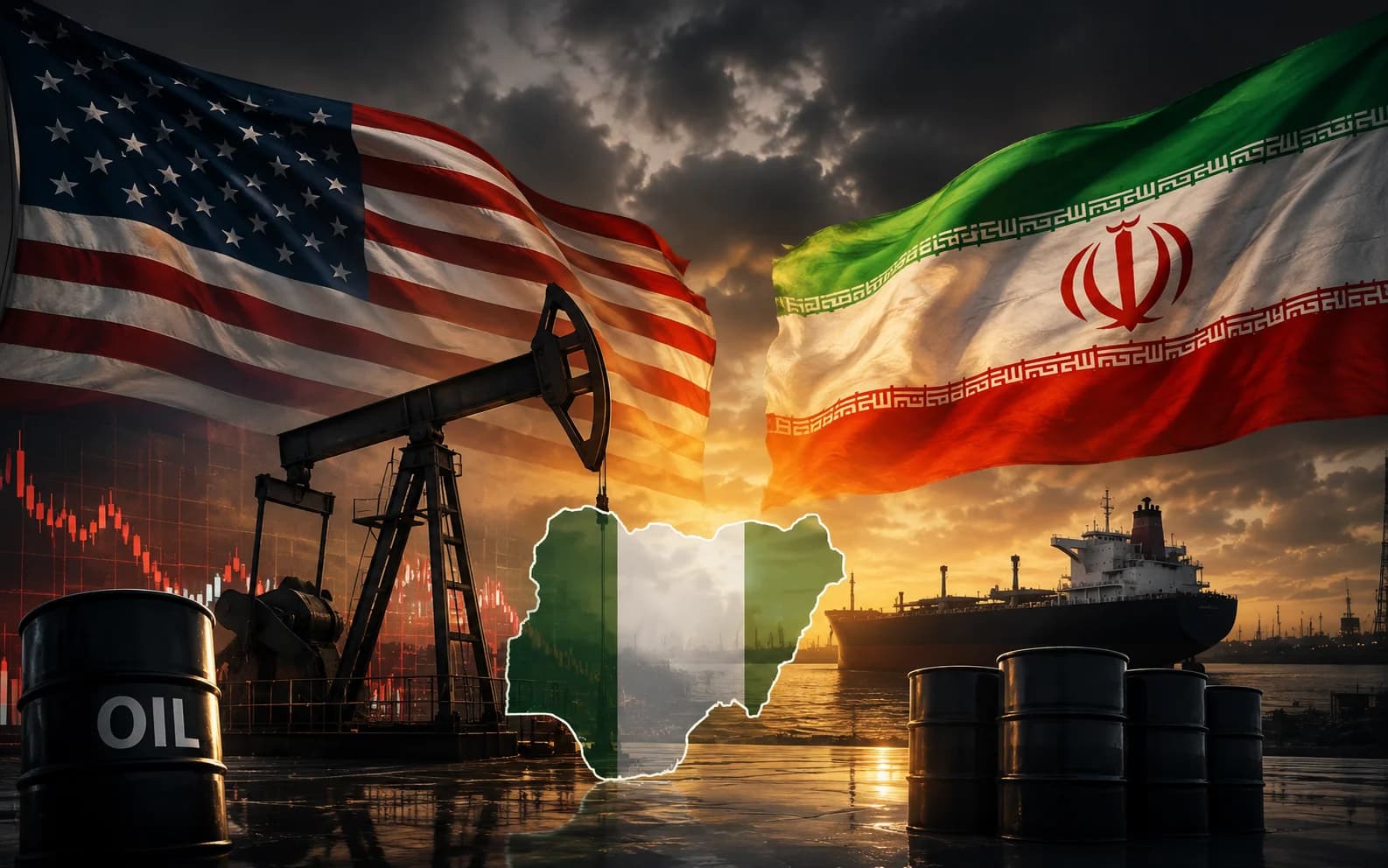
Global oil markets remain on high alert as tensions between the United States and Iran continue to fuel uncertainty across the Middle East. Investors are closely monitoring developments amid concerns that any further escalation could disrupt global energy supplies. For Nigeria, Africa's largest crude oil producer, the situation presents both economic opportunities and serious challenges.
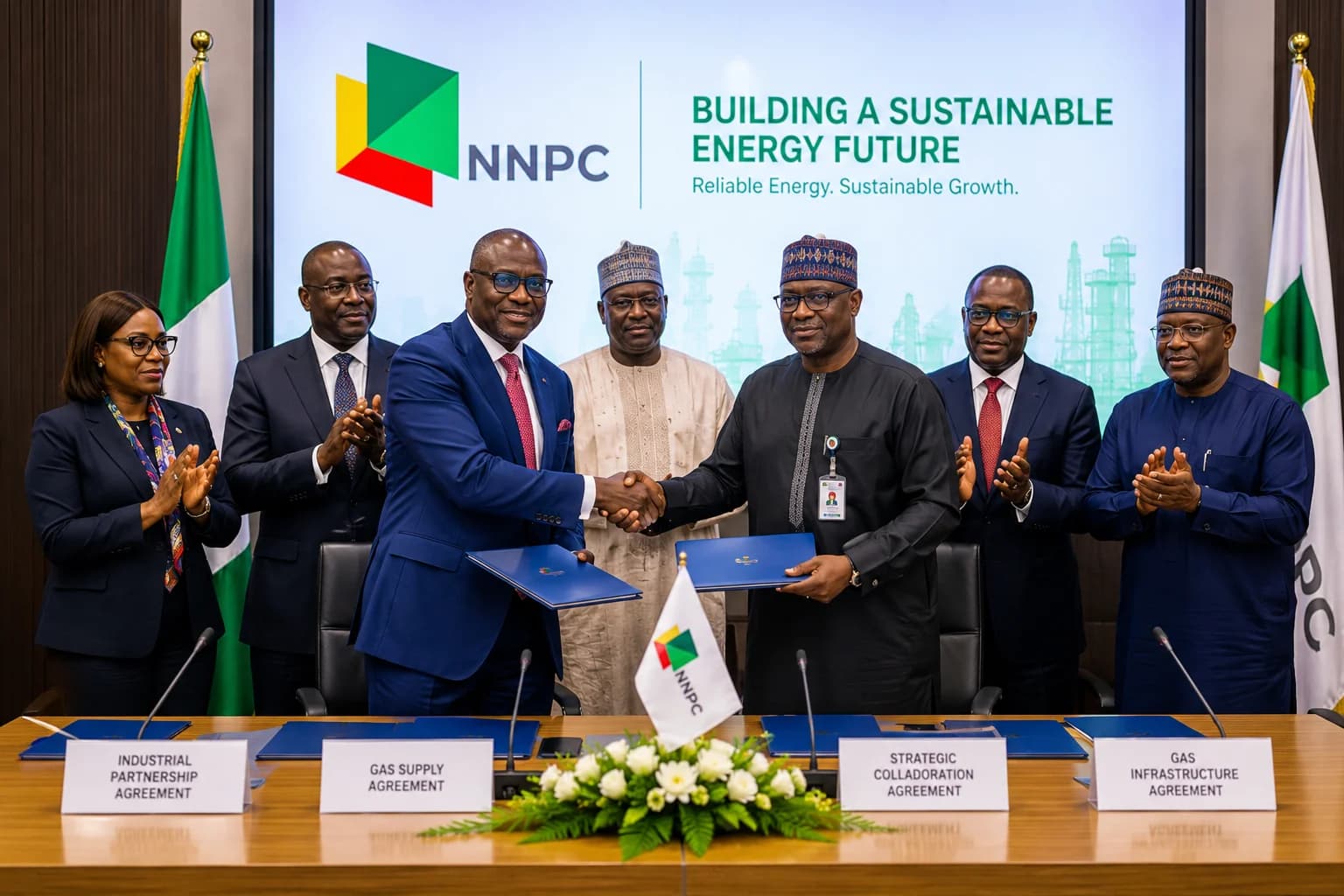
The Nigerian National Petroleum Company Limited (NNPC Ltd) has signed six strategic gas agreements with key industry partners in a move aimed at accelerating Nigeria's gas-based industrialisation agenda. The agreements are expected to boost domestic gas supply, attract investment, create jobs and improve energy security as the country pushes to unlock the economic potential of its vast natural gas reserves.
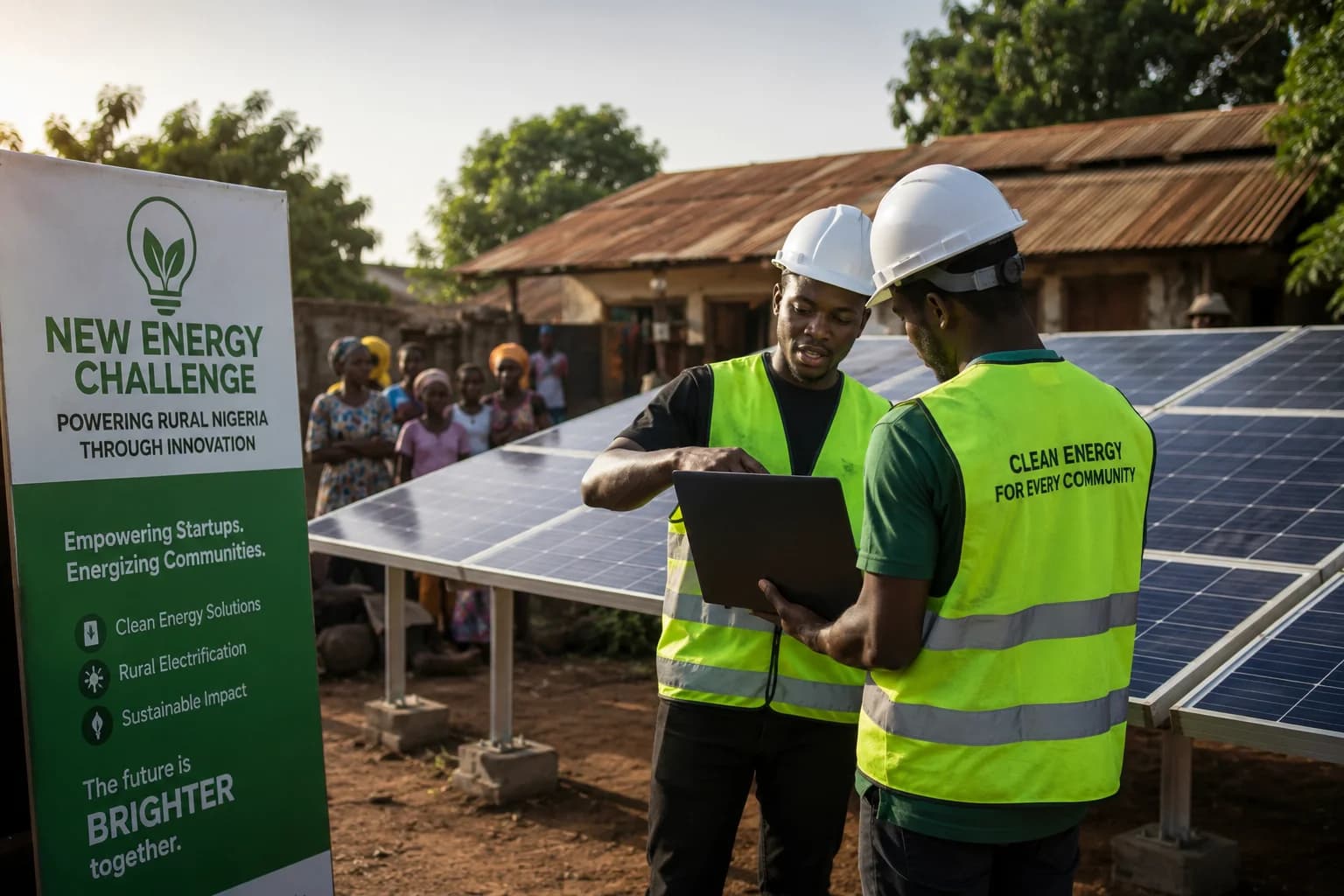
Nigerian clean energy investment company All On has launched the 2026 Off-Grid Energy Challenge, an initiative aimed at supporting innovative startups developing solutions to improve electricity access in underserved communities. The programme is expected to encourage entrepreneurship, accelerate renewable energy adoption and help bridge Nigeria's persistent electricity gap.
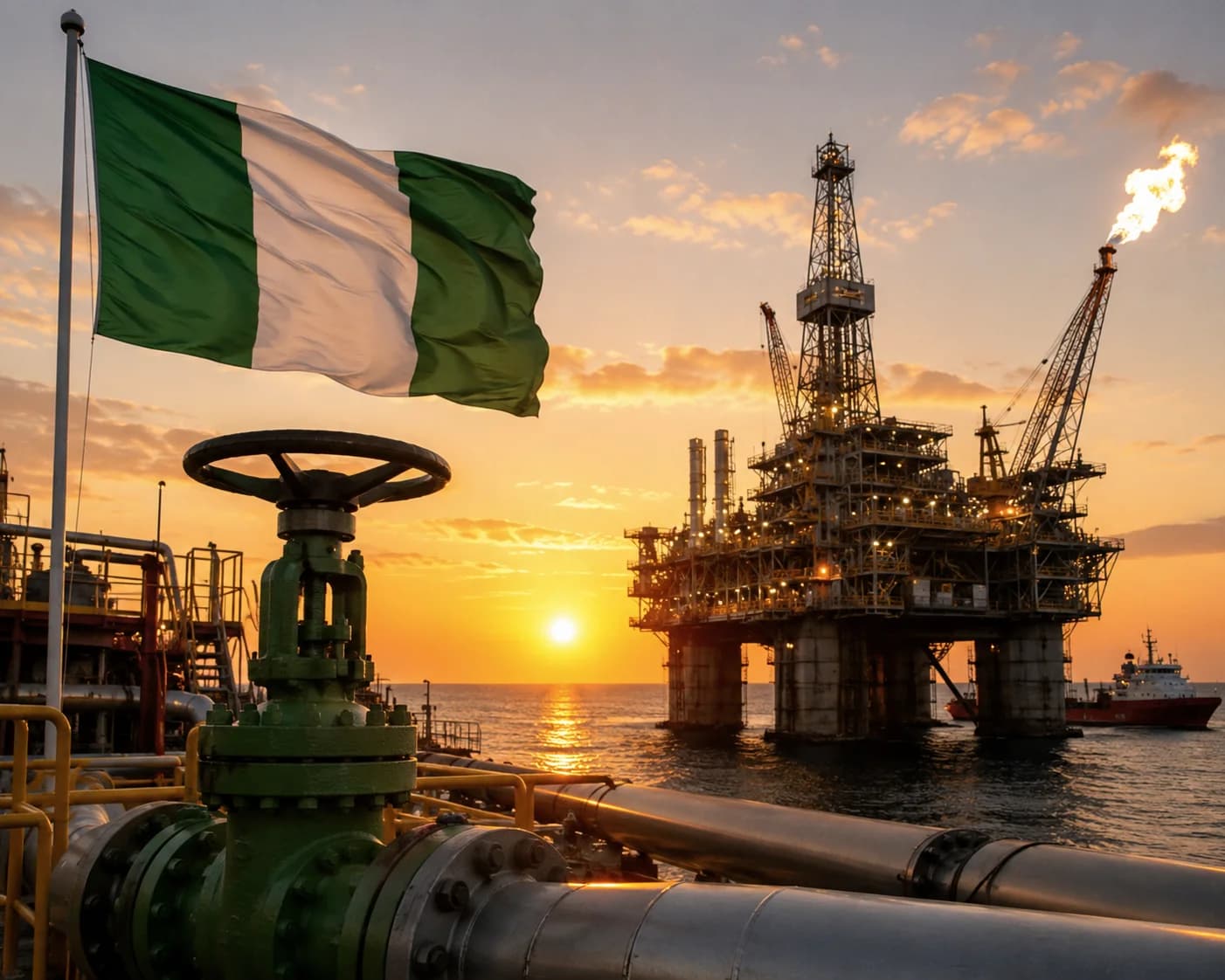
Nigeria's crude oil production has reached its highest level in more than five years, marking a significant milestone for Africa's largest oil producer. According to the Nigerian Upstream Petroleum Regulatory Commission (NUPRC), the country produced an average of 1.56 million barrels per day in June 2026, exceeding its OPEC production quota for the first time in years. The achievement has raised hopes of stronger government revenues, increased foreign exchange earnings and renewed investor confidence, although experts warn that sustaining the momentum will require continued improvements in security and infrastructure.
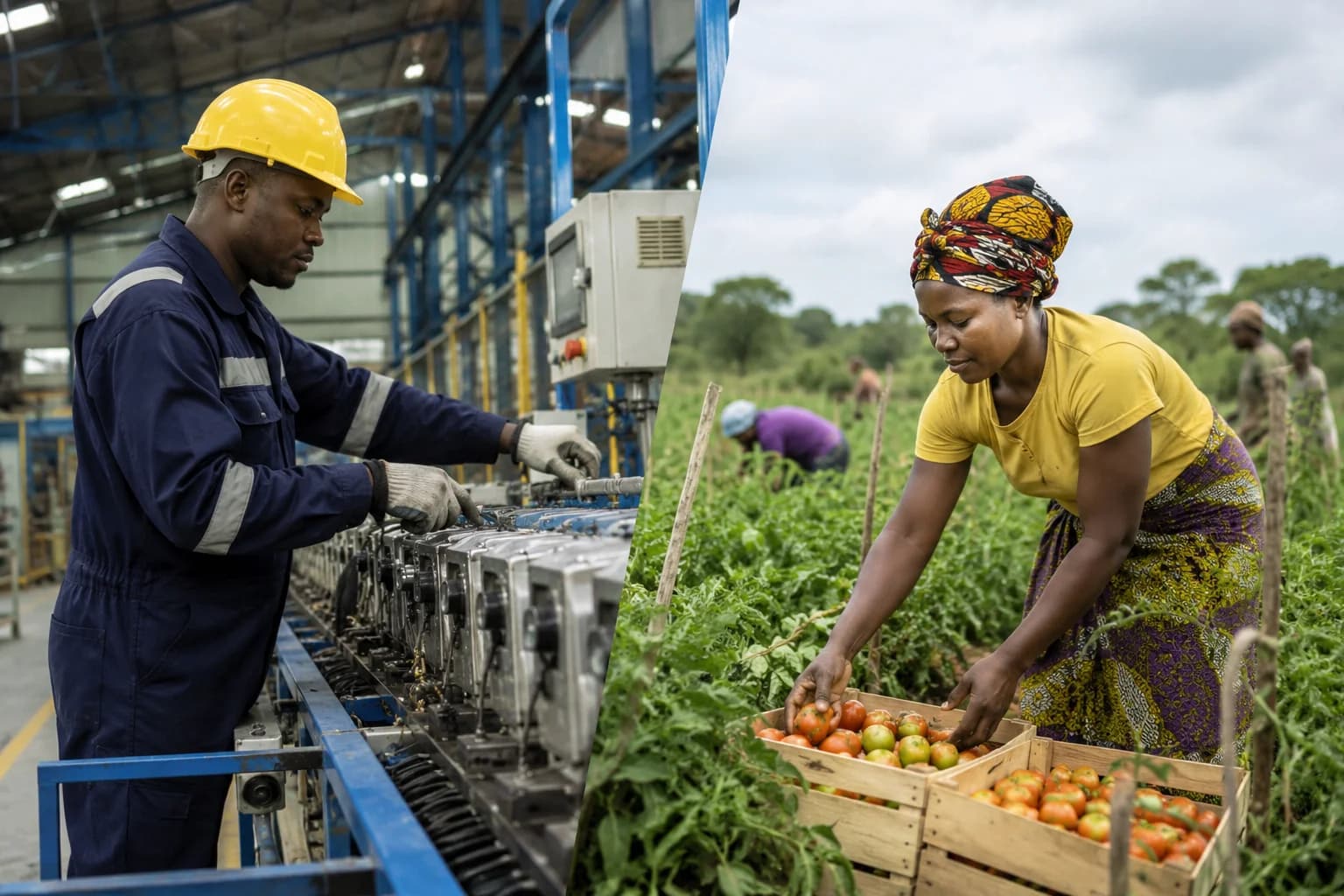
Nigeria’s manufacturing, agriculture and trade sectors recorded business expansion in June, according to the latest Nigerian Economic Summit Group (NESG) Business Confidence Monitor. While high operating costs, limited access to credit and insecurity continue to challenge businesses, the report suggests that key sectors of the economy are showing resilience, offering cautious optimism for entrepreneurs, investors and policymakers.
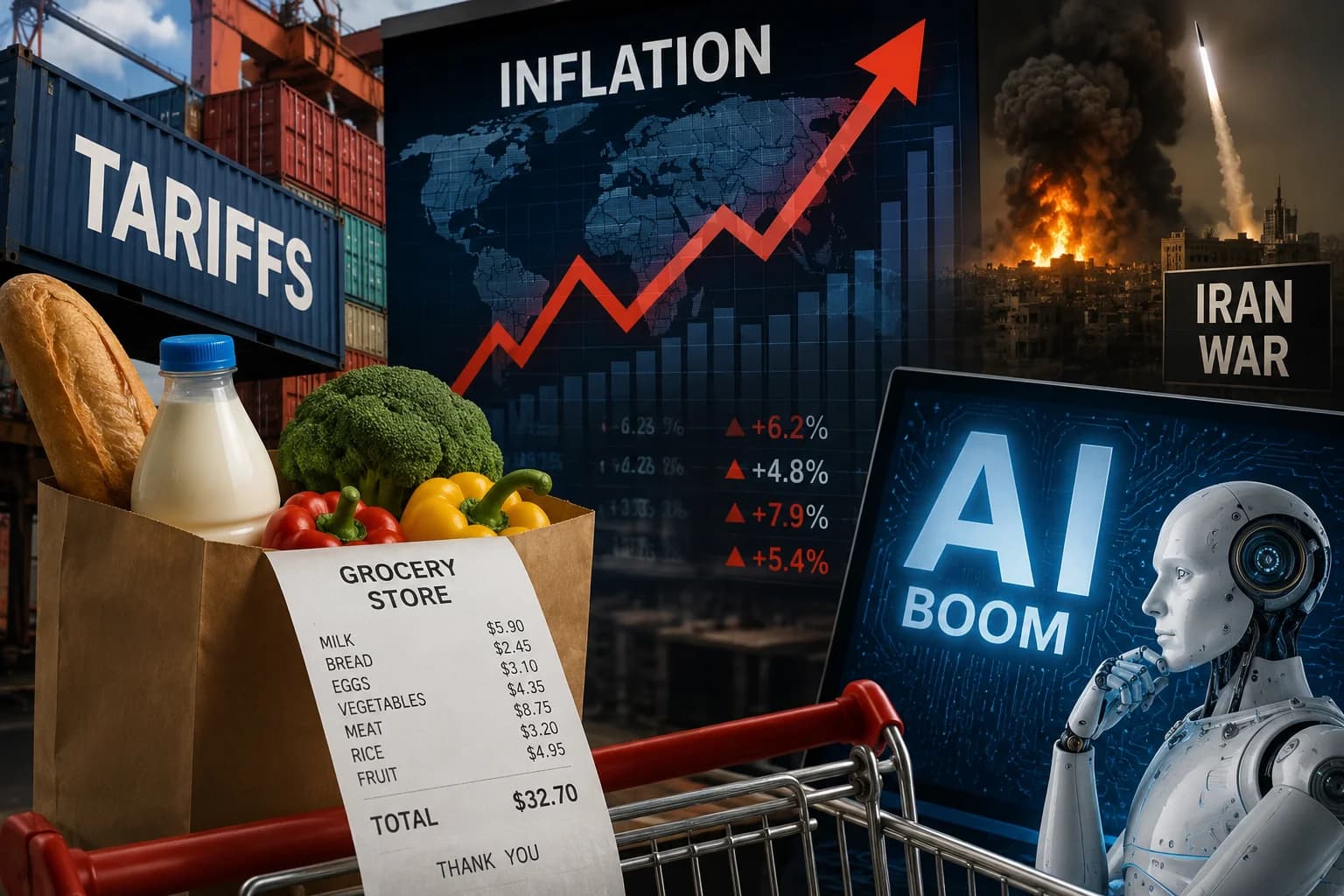
A new report from the U.S. Federal Reserve warns that inflation has intensified in recent months, driven by the combined impact of tariffs, higher energy costs linked to the Iran conflict and massive investment in artificial intelligence infrastructure. While the warning comes from the world's largest economy, its consequences could be felt far beyond America's borders, including in Nigeria and across Africa, where higher import costs and global price pressures continue to squeeze households and businesses.
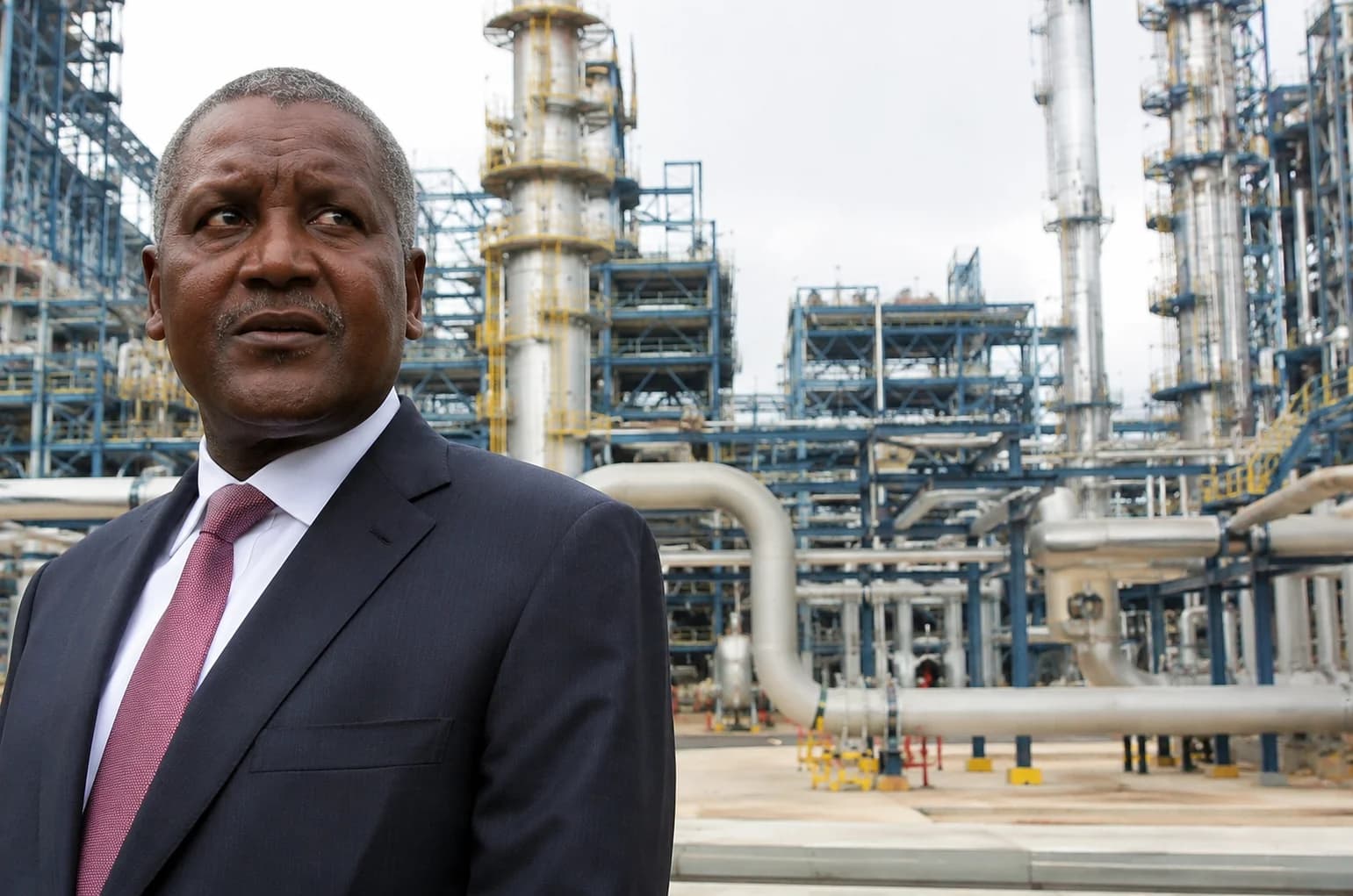
The Dangote Refinery has emerged as one of the unexpected business beneficiaries of the global energy disruption caused by the Iran war. After years of delays, massive construction costs and doubts about whether the project could succeed, the refinery reached full capacity just as disruption around the Strait of Hormuz increased global demand for alternative fuel supplies. Now Aliko Dangote is pursuing an even bigger ambition: turning an African refining giant into a global energy empire.
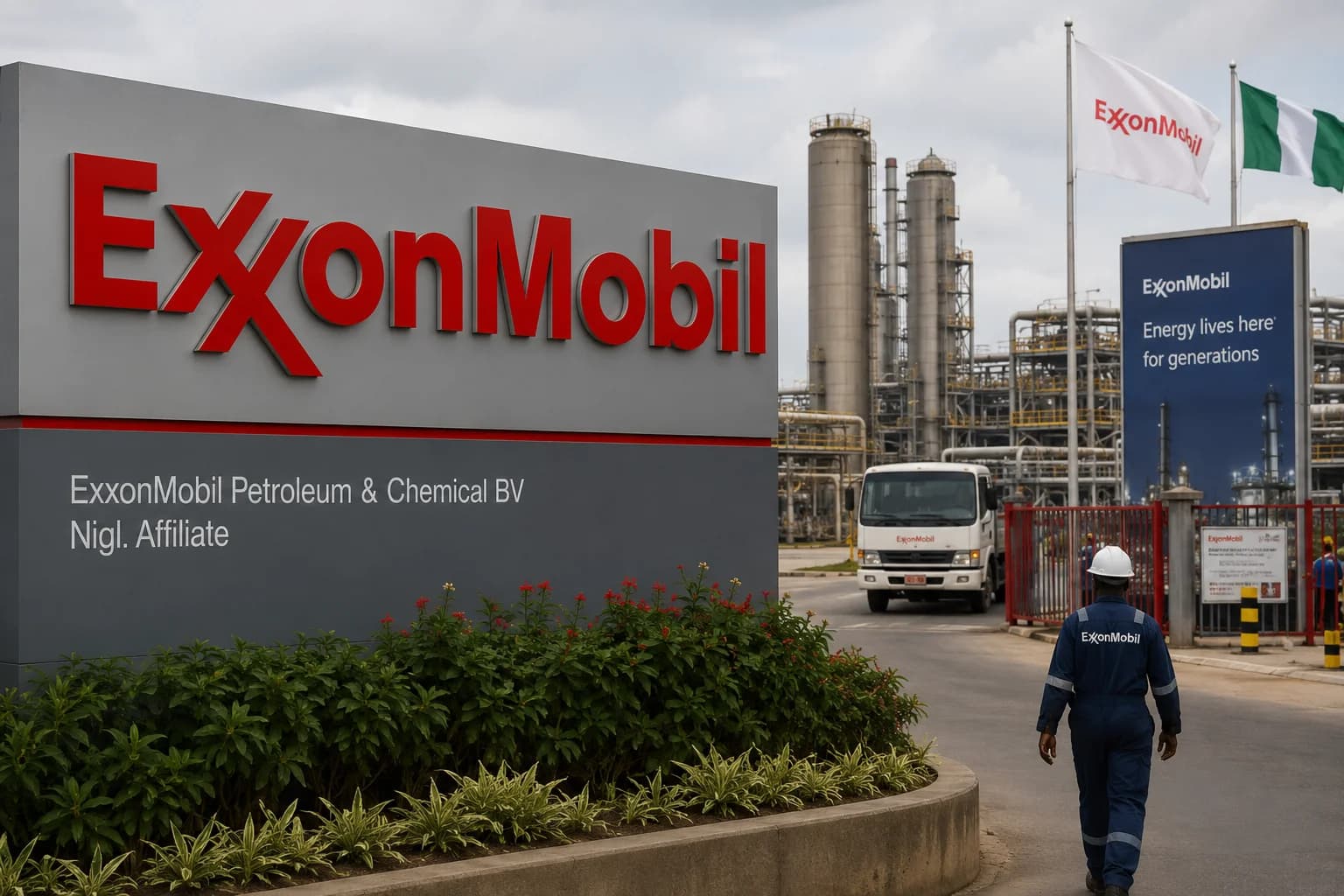
ExxonMobil and its partners are committing $1 billion to the Usan Infill Project offshore Nigeria, a development expected to add around 40,000 barrels of crude oil per day. The investment marks a significant return to drilling activity for the company’s Nigerian affiliate after roughly a decade—but the bigger question is whether renewed oil investment can finally translate into jobs, industrial growth and improved living standards for ordinary Nigerians.
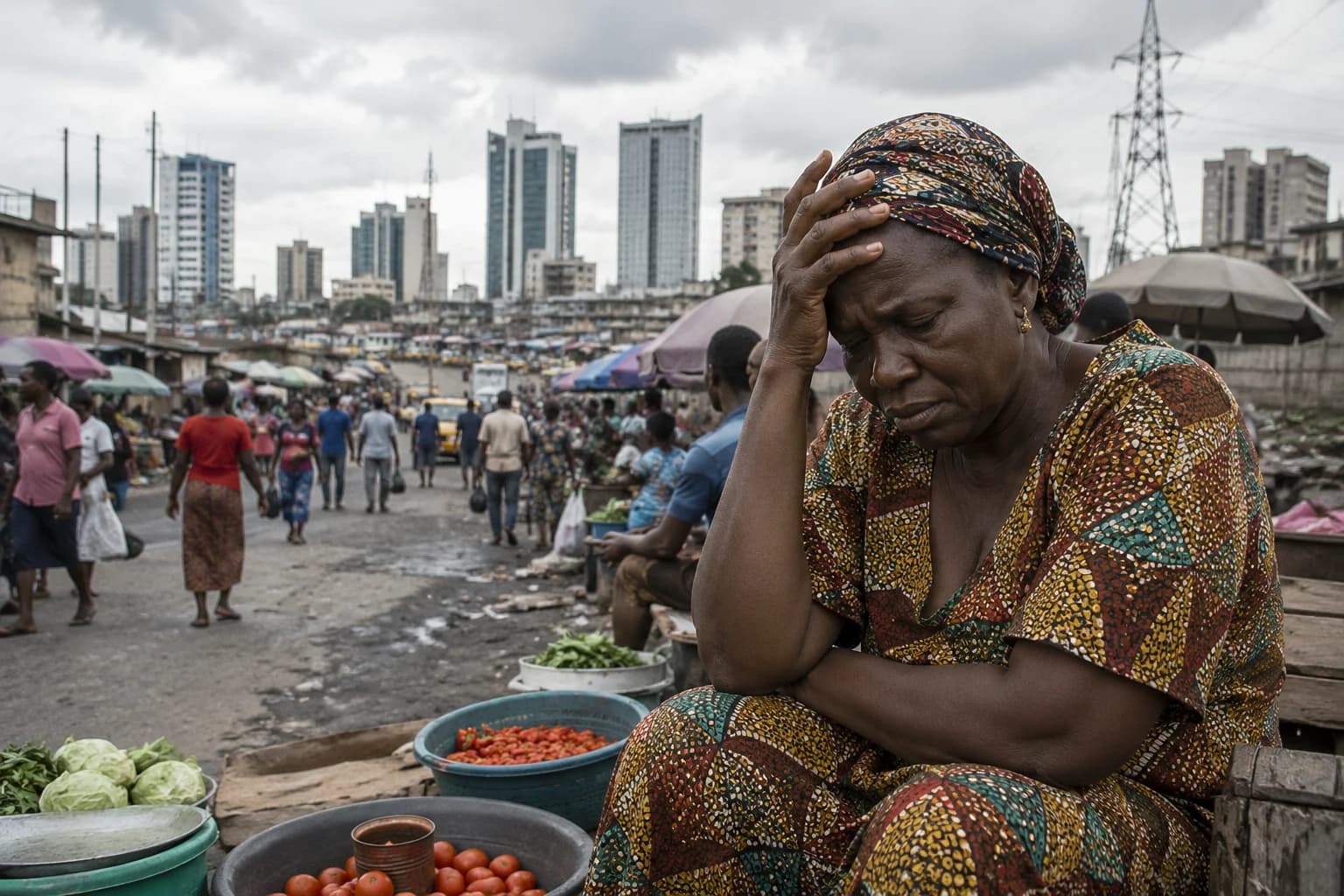
Nigeria’s economy is projected to grow by 4.1% in 2026 and 4.3% in 2027, but the IMF has warned that rising prices for food, energy and other basic necessities could push more Nigerians into poverty. The contradiction raises a difficult question: what does economic growth really mean when millions of households cannot feel it?
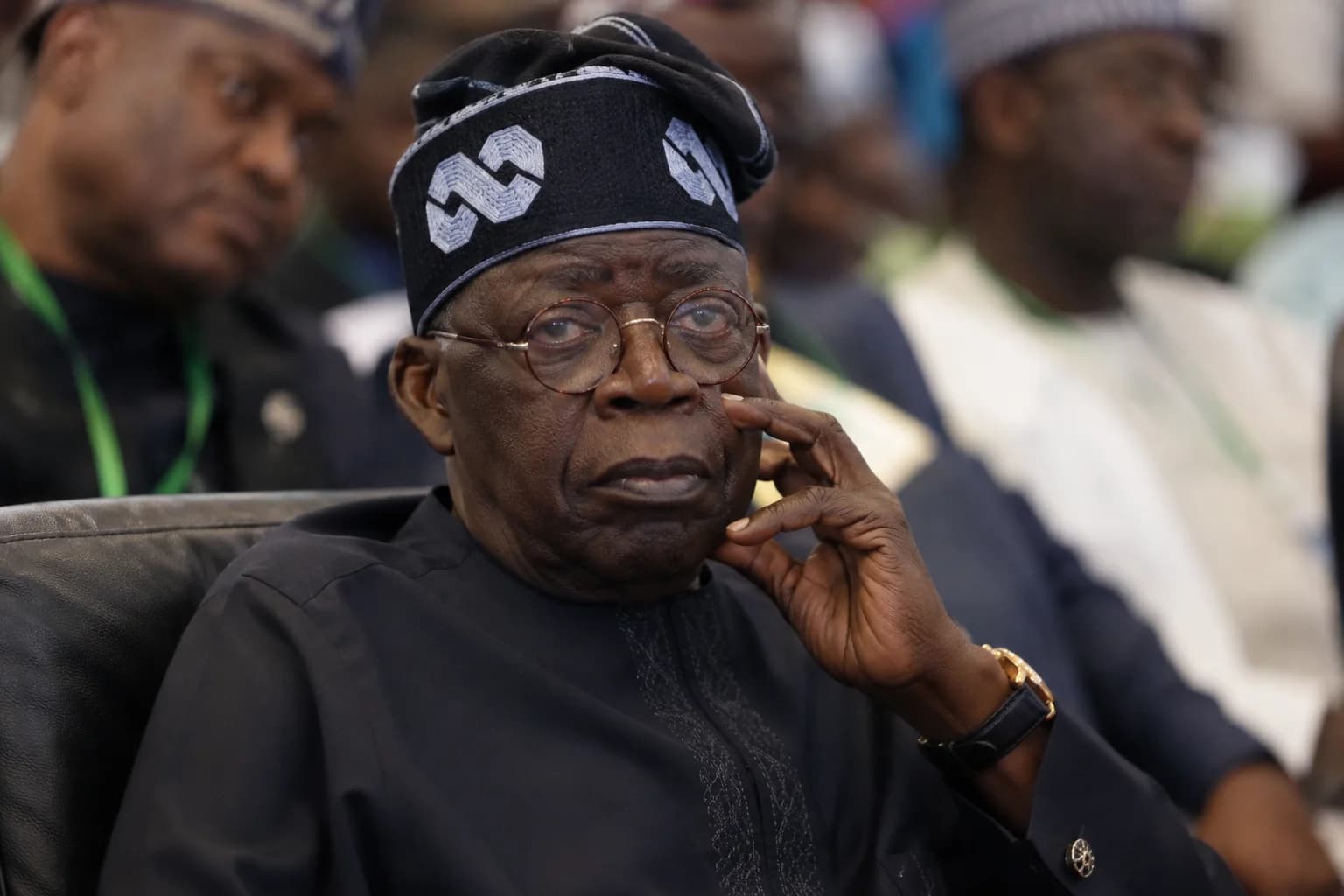
Nigeria’s revenue collection has surged to ₦21.6 trillion in the first half of 2026, marking a 49% year-on-year increase as tax reforms, digitalisation and changes to oil revenue remittances reshape government finances. The historic rise now raises a bigger question: will stronger revenue translate into better roads, electricity, healthcare, education and economic relief for ordinary Nigerians?
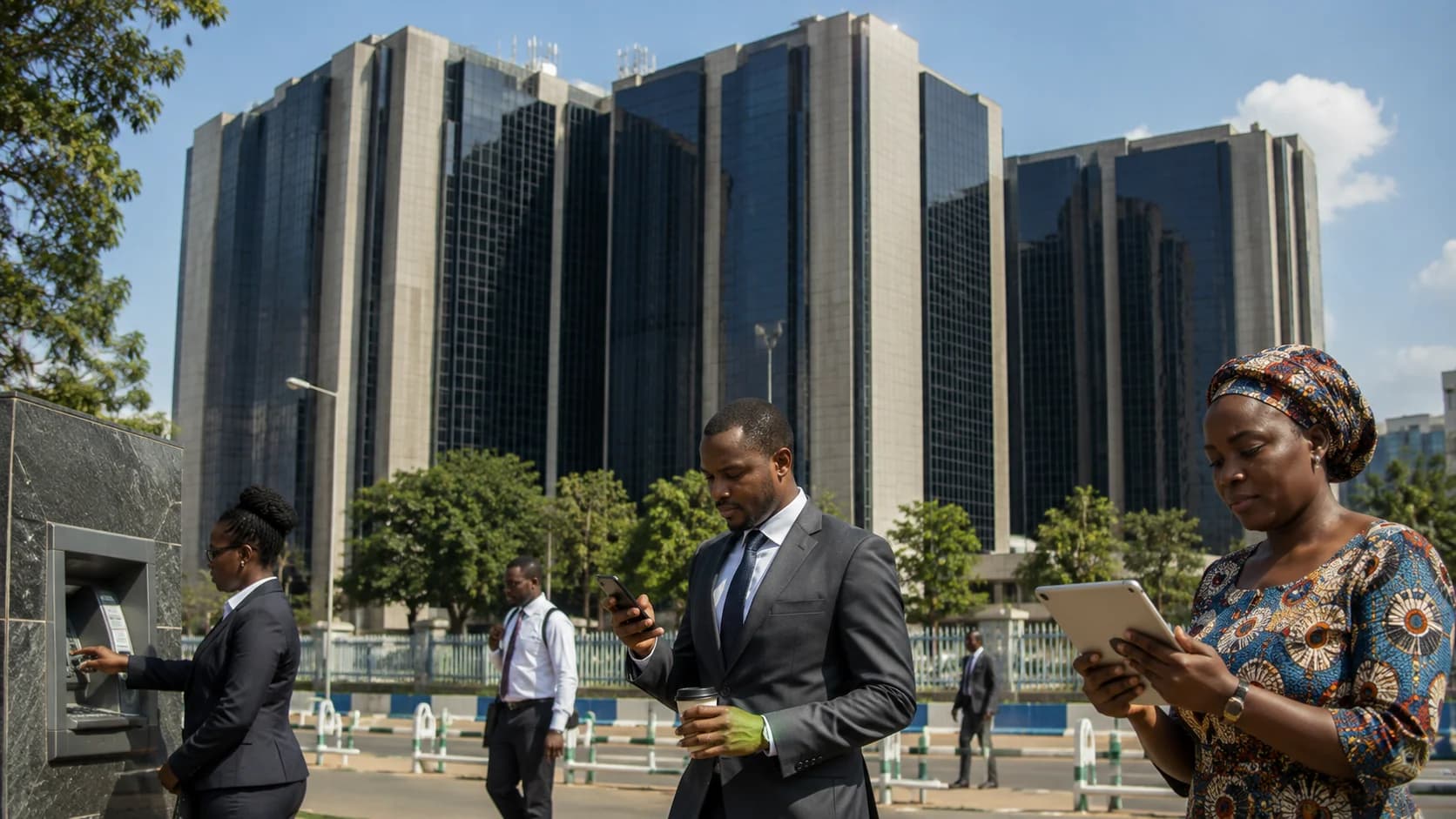
The Central Bank of Nigeria says new regulatory measures are aimed at strengthening the banking sector, improving financial stability and enhancing customer confidence as the industry continues to evolve.
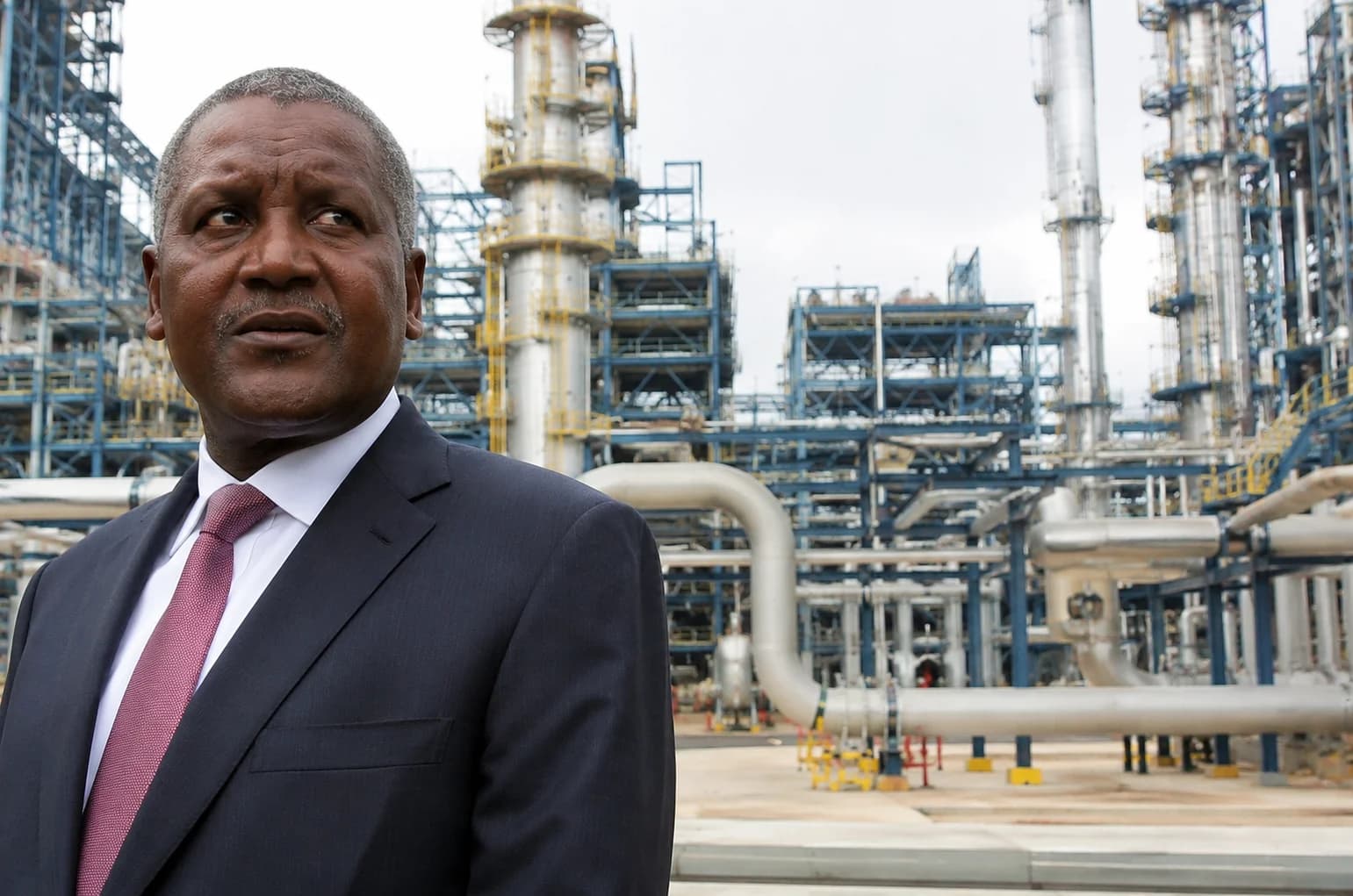
Dangote Refinery has announced another reduction in petrol prices, raising hopes of lower transportation costs and easing pressure on businesses and households as competition in Nigeria’s downstream oil sector intensifies.
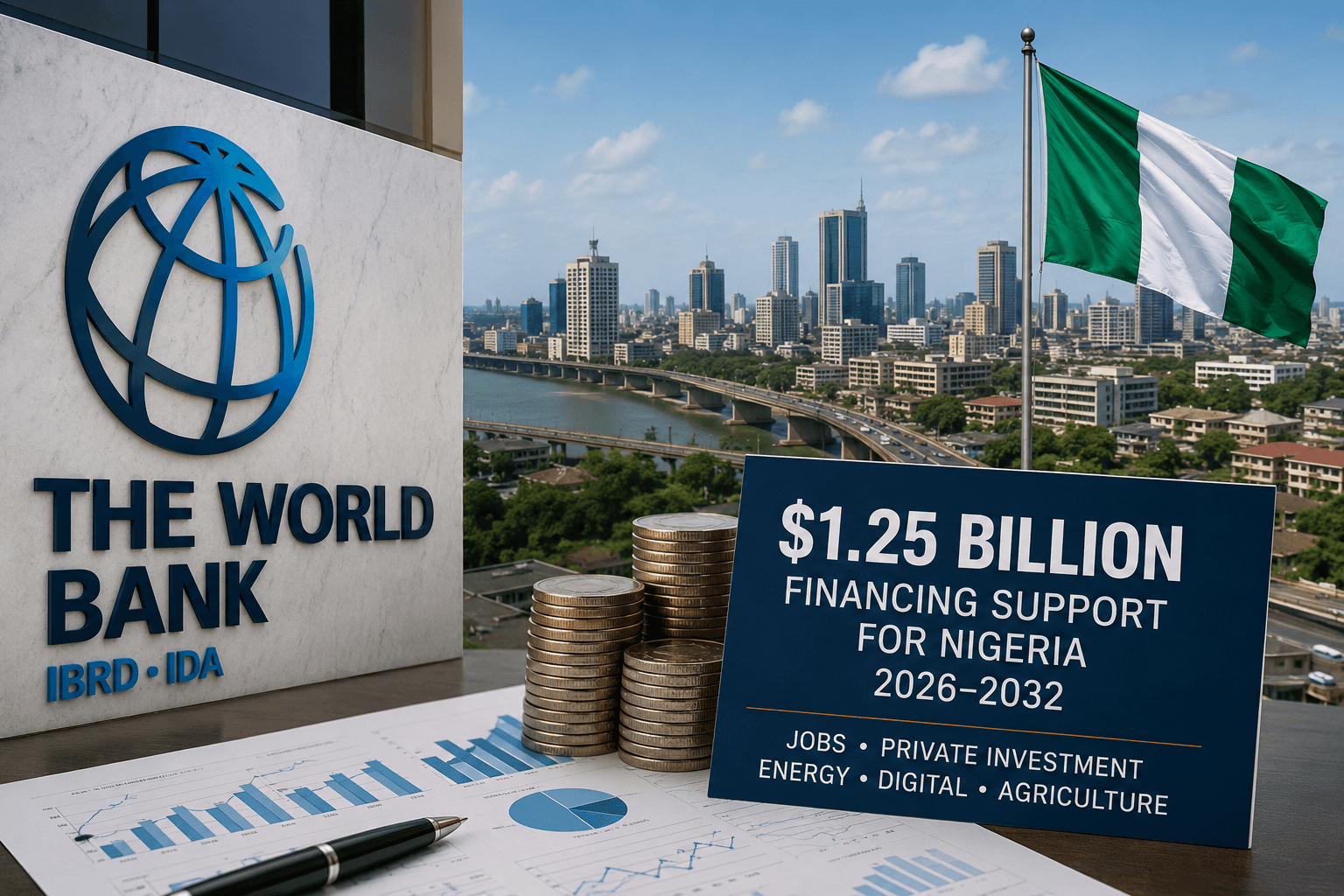
The World Bank Group has approved a new long-term partnership strategy for Nigeria, backed by $1.25 billion in financing aimed at creating jobs, attracting private investment and expanding access to energy, digital and agricultural services.
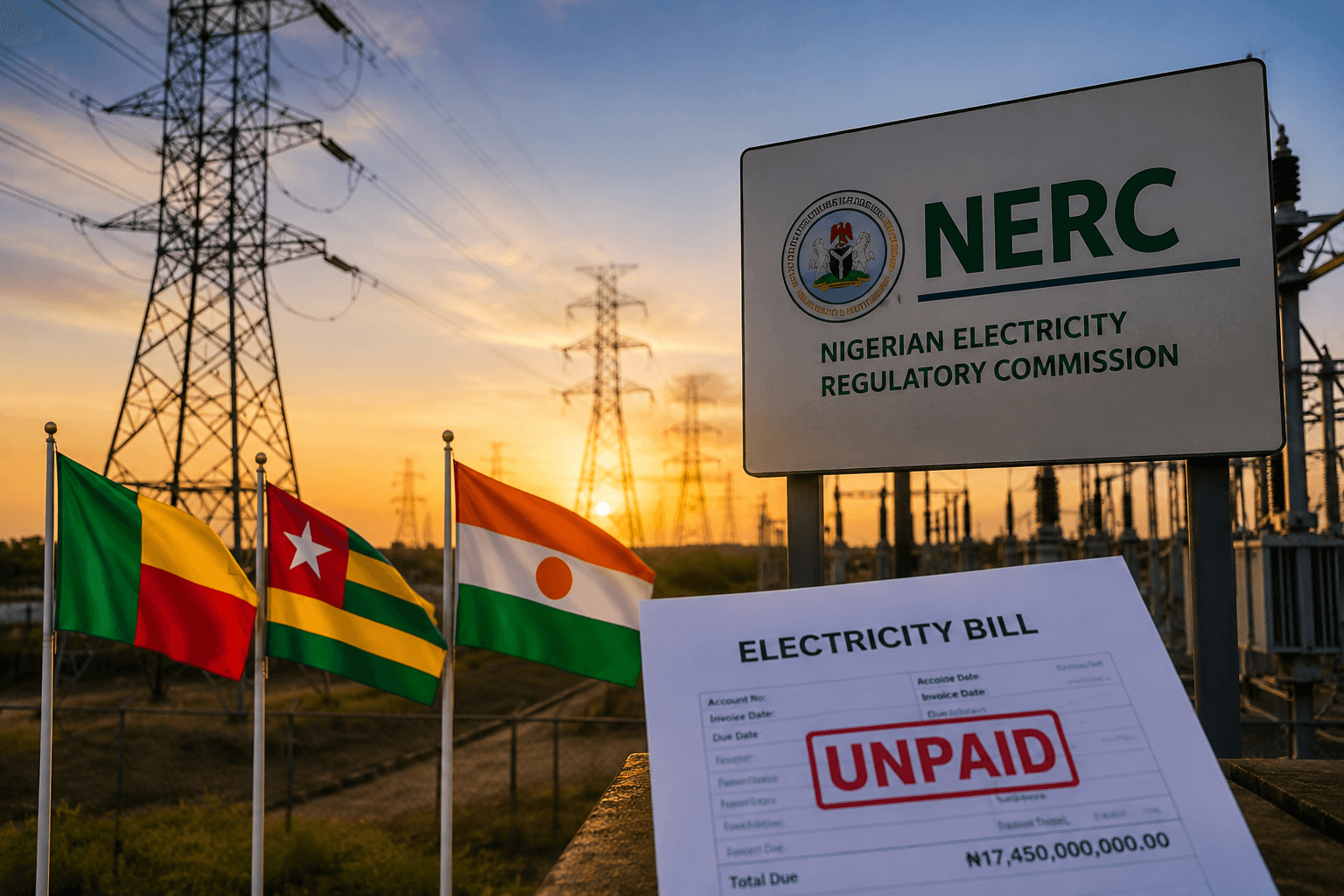
Electricity customers supplying Benin Republic, Togo and Niger Republic reportedly owe Nigeria about ₦17.45 billion for power supplied during the first quarter of 2026.
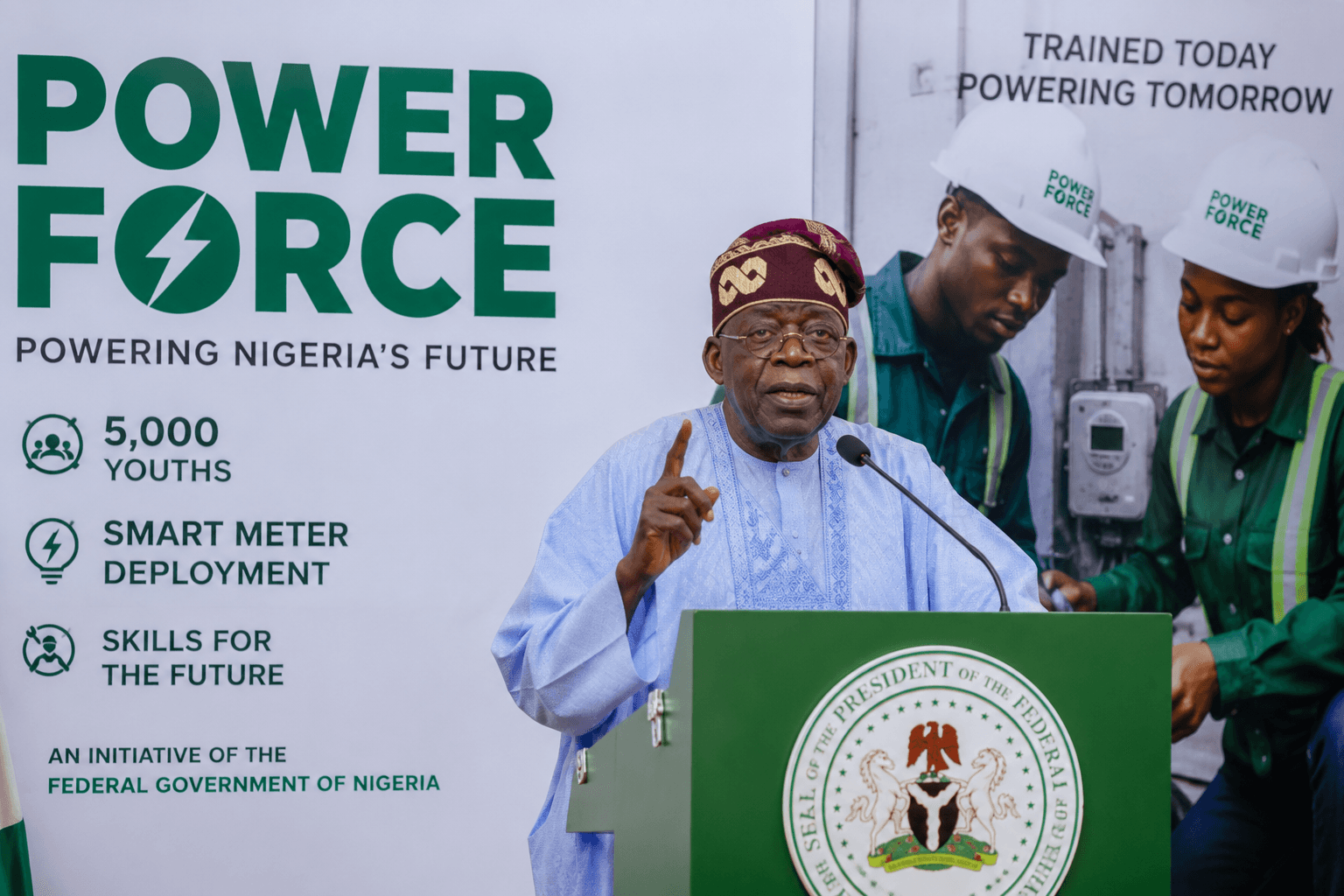
President Tinubu has launched the POWER FORCE initiative, which the presidency says will train 5,000 young Nigerians and support faster smart-meter rollout. The programme links youth technical training with electricity-sector delivery, with impact expected to depend on implementation details as rollout proceeds.