Africa
Nigeria Suspends Parliamentary Engagements With South Africa Over Attacks on Nigerians
Nigeria’s National Assembly has suspended official parliamentary engagements with South Africa indefinitely over recurring attacks against Nigerians and other African migrants. The decision escalates pressure on Pretoria while stopping short of a diplomatic break between the two countries.
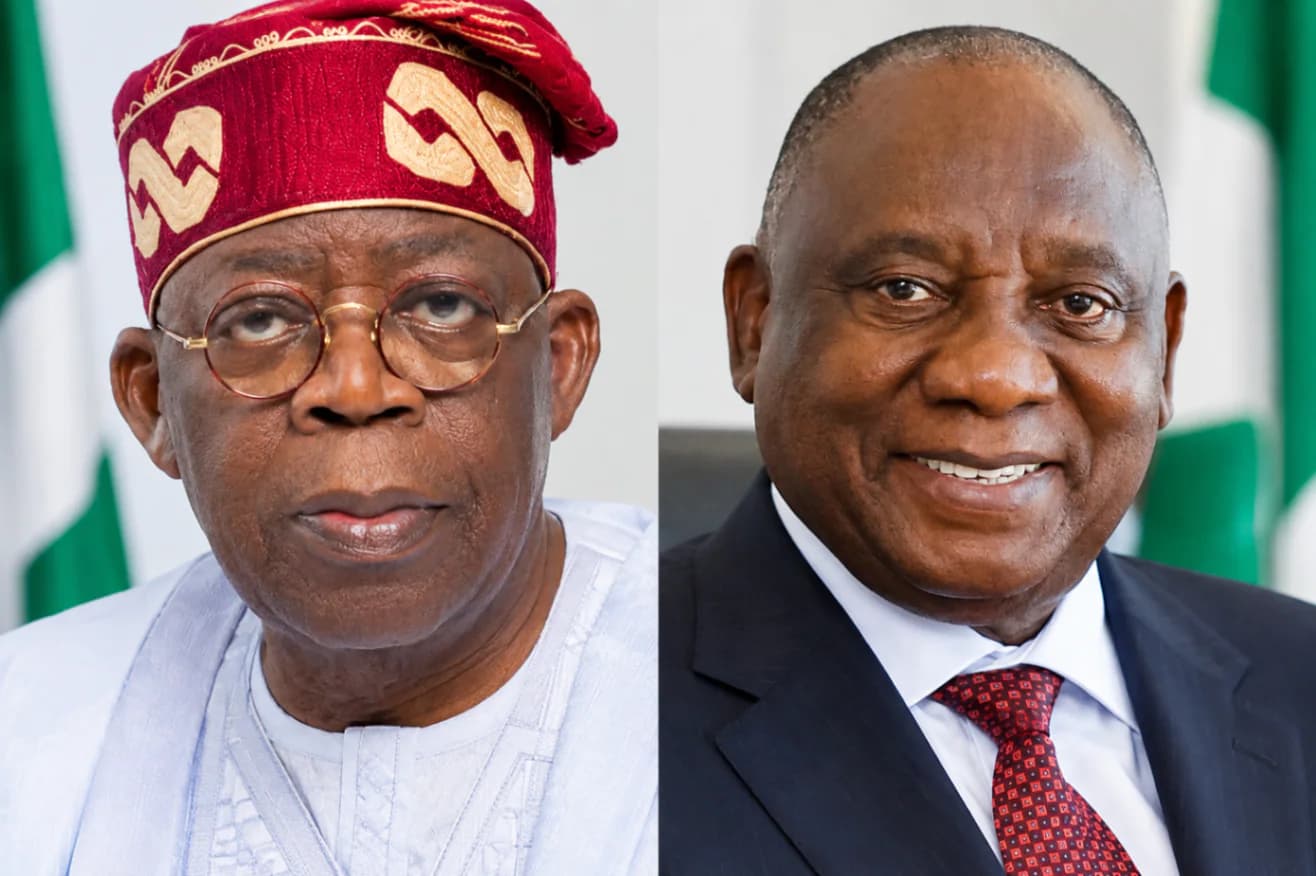
Nigeria’s National Assembly has suspended official parliamentary visits and legislative engagements with South Africa indefinitely, following growing concerns over recurring attacks against Nigerians and other African migrants.
The decision means Nigerian lawmakers will no longer undertake official visits to South Africa or participate in legislative meetings and activities hosted or organised by South African institutions until further notice.
The move comes amid renewed anti-migrant tensions in South Africa and growing concerns over the safety of Nigerians living, working and operating businesses in the country.
The National Assembly said it was particularly concerned by reports of Nigerians being killed, injured, displaced and forced to abandon their businesses, investments, homes and other properties because of recurring violent attacks.
The parliamentary action is being described as a strong expression of Nigeria’s concern over the treatment of its citizens in South Africa.
However, the decision does not amount to a complete suspension of diplomatic relations between Nigeria and South Africa.
Government-to-government visits and diplomatic meetings are not covered by the parliamentary directive.
The development follows a series of deadly incidents involving Nigerians in South Africa.
Nigeria’s Minister of State for Foreign Affairs, Ambassador Sola Enikanolaiye, said in July that at least 98 Nigerians had been killed in mob attacks, hate-related violence and extrajudicial killings in South Africa since 2022.
The latest tensions have also resulted in Nigerians leaving South Africa.
Nigeria’s acting high commissioner in Pretoria previously said 1,695 Nigerians had voluntarily returned home in 2026 amid xenophobia-related tensions.
Two more Nigerian deaths were reported this month.
According to Nigeria’s Foreign Ministry, James Uchechukwu Nwankwo died in Cape Town on September 5 following what Nigerian authorities described as alleged abusive interrogation by South African police officers.
Another Nigerian, Bishop Taiwo Michael Fakunle, was killed at his residence in Johannesburg on September 4. Authorities said no suspect or motive had been identified in that case at the time of the report.
The incidents have further increased pressure on Nigerian authorities to demand stronger protection for citizens living in South Africa.
In July, South African Foreign Minister Ronald Lamola travelled to Abuja for talks with Nigerian officials over the recurring attacks. Lamola said the South African government condemned xenophobia and all forms of violence against foreign nationals.
Despite those diplomatic discussions, concerns over the safety of Nigerians have continued.
The latest parliamentary decision therefore represents a significant escalation in Nigeria’s political response, although Abuja has stopped short of cutting diplomatic ties with Pretoria.
Nigeria and South Africa maintain extensive economic and political relationships, with major businesses from both countries operating across their respective markets.
The suspension of parliamentary engagements could add further pressure to those already strained relations as Nigeria continues to demand greater protection and accountability for its citizens in South Africa.
Key Facts
Nigeria’s National Assembly has suspended official parliamentary engagements with South Africa indefinitely.
Nigerian lawmakers will not undertake official parliamentary visits to South Africa.
Nigerian legislators will also boycott legislative activities hosted by South African institutions.
The decision does not suspend Nigeria-South Africa diplomatic relations.
Government-to-government meetings and visits are not covered by the parliamentary directive.
Nigeria says at least 98 Nigerians have died in mob, hate-related and extrajudicial attacks in South Africa since 2022.
Nigeria has also reported the recent deaths of two Nigerian nationals in South Africa.
The move follows continuing concerns over xenophobic violence and the safety of Nigerians.
Sources
Reuters — Nigeria parliament boycotts South Africa events over anti-migrant attacks, September 11, 2026
Associated Press — Nigeria’s parliament suspends engagements with South Africa over anti-migrant violence, September 11, 2026
Associated Press — Nigeria says two nationals killed in South Africa as anti-migrant tensions flare, September 12, 2026
House of Representatives, Federal Republic of Nigeria — Statement on attacks against Nigerians in South Africa
PUBLISHER NOTE
About Talk Ya True
Talk Ya True publishes independent reporting and analysis with clear attribution, source transparency and corrections when needed.
Related Articles
Africa
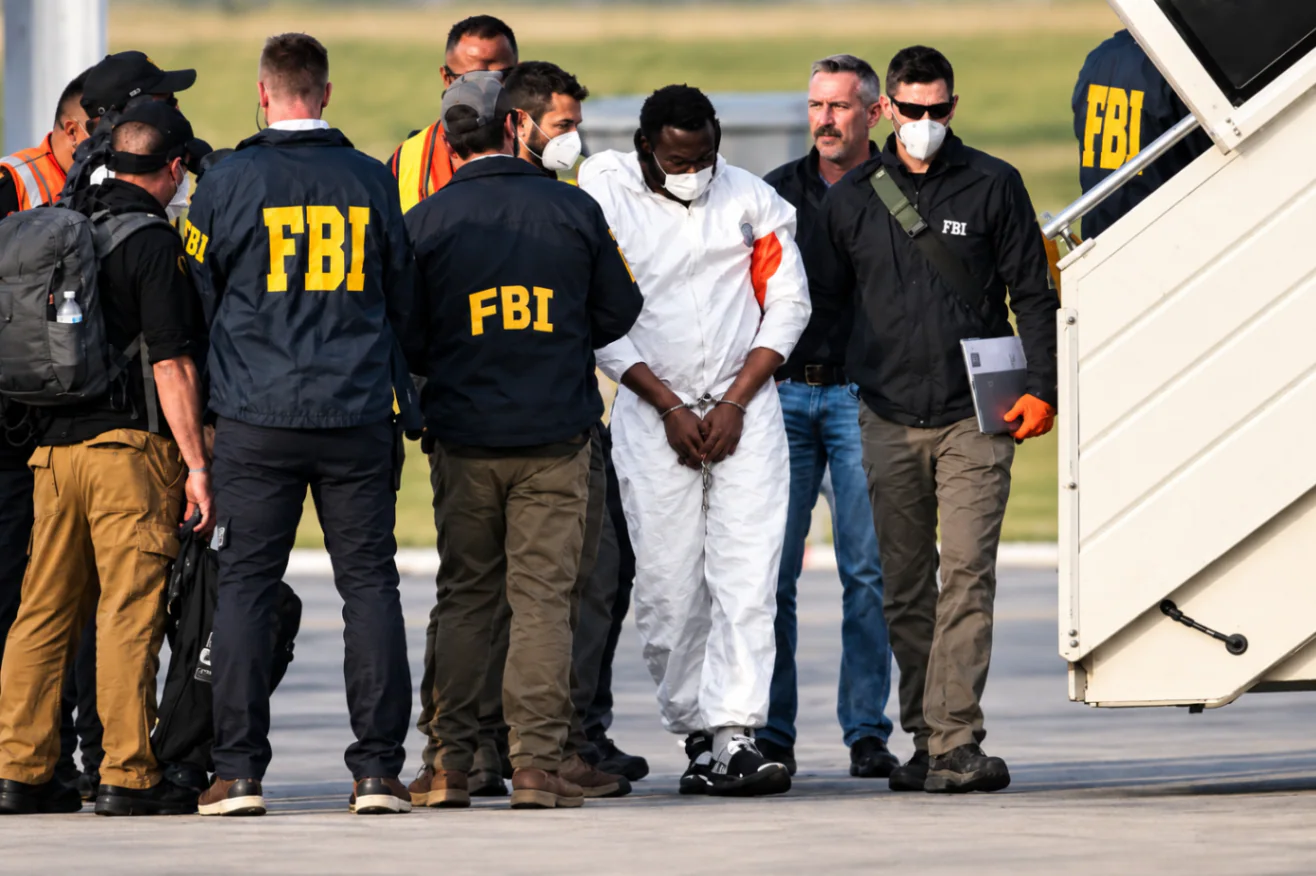
Six Nigerians Extradited to US Over Alleged $6.2 Million Romance Scam Targeting American Women
Nigeria
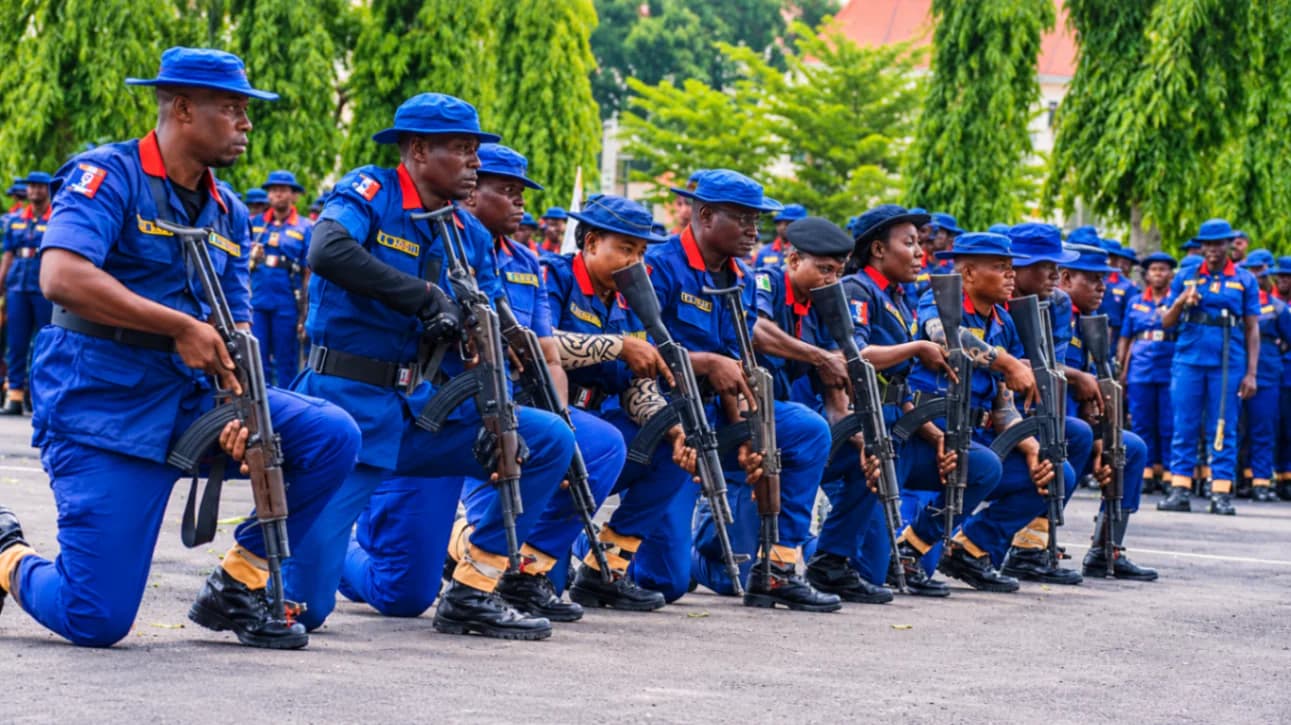
37 Suspected Illegal Miners Die in NSCDC Custody as Tinubu Orders Independent Probe
Business
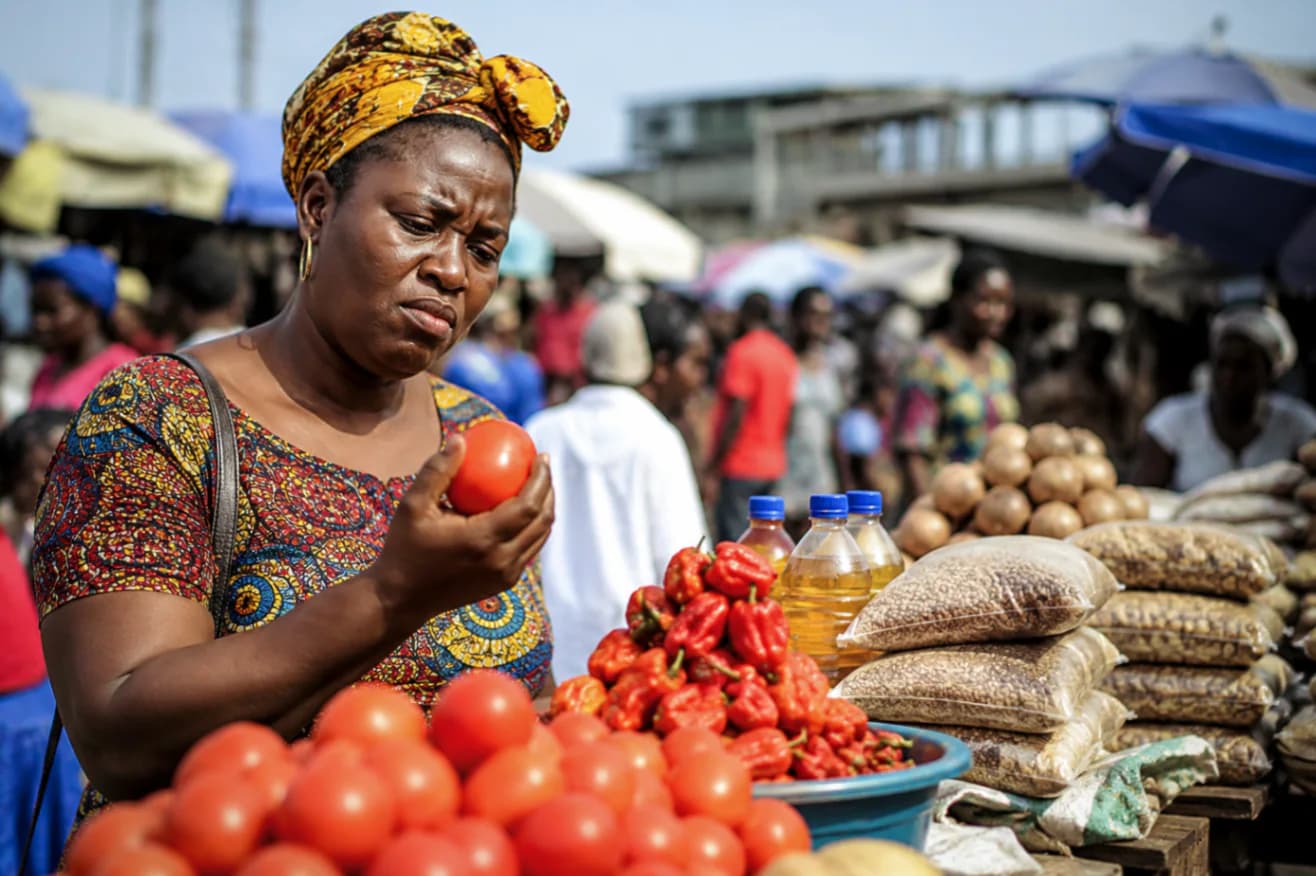
Nigeria’s Inflation Falls to 15.39% as Food Price Pressure Eases

Business
Nigeria’s Oil Output Hits 1.68m Barrels Per Day as OPEC Compliance Continues
Stay Informed
Get the latest stories from Nigeria.
Free news updates. Unsubscribe anytime.
By subscribing, you agree to receive free news updates from Talk Ya True. You can unsubscribe at any time.