Opinion
South Africa Has a Right to Control Immigration, but Foreigners Cannot Become the Scapegoat for Every Failure
South Africans have every right to demand secure borders and effective immigration laws. But when unemployment, crime and failing public services are blamed almost entirely on foreigners, legitimate concerns about migration risk becoming an excuse for violence and a distraction from deeper failures of governance.
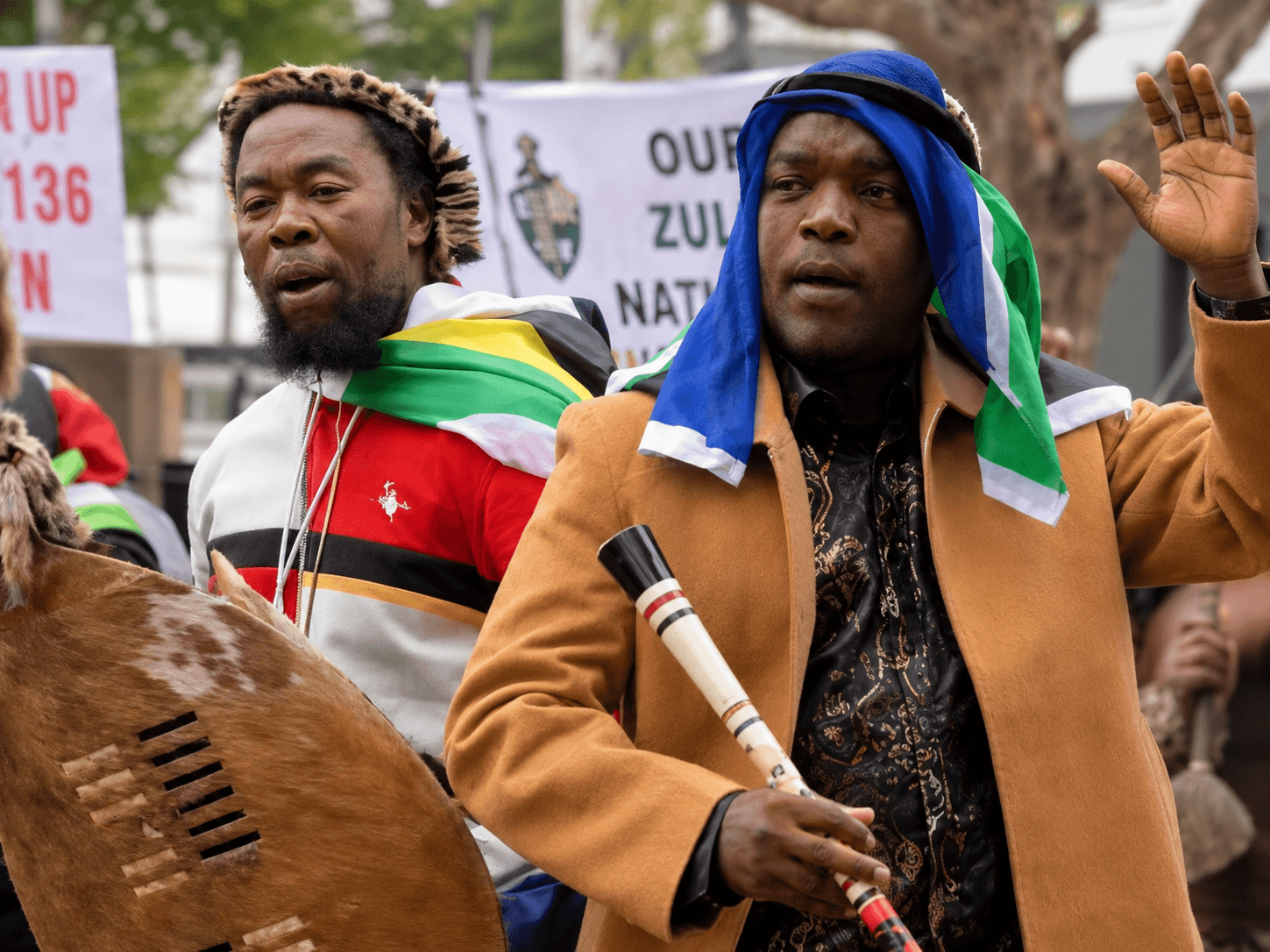
South Africa has an immigration problem.
Saying this should not automatically make anyone xenophobic.
Every sovereign country has the right and responsibility to know who enters its territory, who remains there and under what legal conditions. South Africans are entitled to ask difficult questions about border control, undocumented migration and pressure on public services.
But another truth must be said just as clearly:
Foreigners cannot be made responsible for every problem South Africa has failed to solve.
When unemployment is high, blame the foreigner.
When crime rises, blame the foreigner.
When hospitals struggle, blame the foreigner.
When housing is inadequate, blame the foreigner.
When young people cannot find jobs, blame the foreigner.
This may be politically convenient, but convenience is not the same thing as truth.
And when political frustration turns into collective punishment, intimidation, looting or killing, a debate about immigration has crossed into something much more dangerous.
A Country Can Enforce Its Borders Without Creating a Mob
The distinction between immigration enforcement and mob action should not be difficult to understand.
If a person is living in a country illegally, there are laws and institutions responsible for dealing with that situation.
A neighbour with a stick is not an immigration officer.
A crowd cannot become a court.
A political movement cannot invent its own deadline and decide who belongs in the country.
And a person's nationality should never become evidence of criminality.
Recent demonstrations followed an unofficial June 30 deadline set by anti-migrant campaigners demanding that undocumented migrants leave South Africa. While many demonstrations were peaceful, violence and looting occurred in some places, and thousands of foreign nationals had already fled their homes or the country amid fear of attacks.
The situation has become serious enough to affect relations between African countries. Nigeria says two of its citizens were killed amid the latest period of anti-migrant tension, although the circumstances of the incidents remain under investigation and some accounts have been disputed by South African authorities.
This is no longer merely an internal political argument about migration.
It is becoming an African problem.
The Anger Is Real, but Is It Directed at the Right People?
It would be a mistake to dismiss the frustration of ordinary South Africans.
A country with deep inequality and extremely high unemployment will inevitably experience social tension.
A young person who has searched unsuccessfully for work for years is angry.
A family waiting for decent housing is frustrated.
A community struggling with crime is afraid.
Those feelings are real.
But the existence of genuine anger does not prove that the chosen target is responsible.
Foreign-born migrants make up only a small share of South Africa's total population—about 4% according to figures cited in current reporting. Researchers and migrant-rights groups have challenged broad claims that foreigners are responsible for the country's unemployment and crime problems.
This should lead to a more difficult question.
If every foreigner disappeared from South Africa tomorrow, would corruption disappear?
Would every unemployed young South African suddenly receive a job?
Would electricity become cheaper?
Would every community become safe?
Would public hospitals immediately become efficient?
Would inequality disappear?
Of course not.
Immigration may create genuine pressures that require serious policy responses. But blaming migrants for structural problems can become a way of protecting those who should be answering harder questions about governance.
Poor People Are Being Turned Against Other Poor People
Perhaps the saddest part of xenophobic violence is that it often involves struggling people attacking other struggling people.
The wealthy are not usually the ones running through the streets carrying everything they own.
The powerful are not usually sleeping outside consulates waiting for evacuation.
The people losing small shops, informal jobs and rented rooms are often ordinary Africans who moved in search of survival.
Meanwhile, another group of struggling people is told that these migrants are the reason their own lives are difficult.
This creates a dangerous competition among the poor while the deeper causes of unemployment, inequality and inadequate services remain unresolved.
A Malawian worker and an unemployed South African youth may see each other as enemies.
But both may be suffering from economies that have failed to create enough opportunity.
A Nigerian shopkeeper and a South African informal trader may compete for customers.
But competition does not justify violence.
African countries must become better at managing migration, but they must also become better at creating economies where desperation does not make neighbours see one another as threats.
Legal and Illegal Migration Must Not Be Deliberately Confused
There is another dangerous problem in anti-foreigner movements: the distinction between documented and undocumented migrants can quickly disappear.
The slogan may begin with "illegal immigrants must leave."
But who checks the documents when a mob arrives?
Who verifies refugee status before a shop is attacked?
Who examines a work permit before a tenant is threatened?
Current reporting has documented complaints from legally present migrants who say they have also faced intimidation, displacement and loss of work.
Once people are targeted primarily because they look or sound foreign, immigration enforcement has been replaced by xenophobia.
That distinction matters.
A government can deport someone who has no legal right to remain.
But society cannot punish an entire nationality because some individuals may have broken the law.
Crime is committed by individuals, not passports.
African Governments Also Have Responsibilities
This conversation should not place all responsibility on South Africa.
Other African governments must ask why so many of their citizens feel they must leave home to survive.
Why does a young person travel thousands of kilometres, often through dangerous conditions, for the possibility of selling goods on a street corner in another country?
Why are so many African economies unable to create enough jobs for their growing populations?
Why do governments become vocal about the dignity of their citizens abroad while sometimes failing to create dignity and opportunity for them at home?
These questions do not excuse violence against migrants.
But they are part of the larger African migration crisis.
Countries of origin must build economies people can believe in. Destination countries must enforce immigration laws fairly. Regional organisations must improve cooperation.
No part of that solution requires mobs.
South Africa Should Remember What It Represents
South Africa's history gives this issue a particular significance.
During the struggle against apartheid, people across the African continent supported South Africans in different ways. Governments, communities and ordinary citizens made sacrifices.
History does not mean South Africa must accept uncontrolled immigration.
Friendship between nations does not eliminate borders.
But history should remind all Africans of something important: human dignity should not depend on nationality.
The South Africa admired across the continent after apartheid was supposed to demonstrate that a society wounded by injustice could choose law, democracy and human dignity.
Every image of a foreign African running from a mob damages that promise.
Immigration Policy Must Be Made by the State, Not the Street
South Africans deserve secure borders.
They deserve an immigration system that works.
They deserve accurate information about migration rather than rumours and inflated numbers.
They deserve jobs, functioning public services and safe communities.
But foreigners also deserve protection from collective punishment.
These positions are not contradictory.
A serious country should be capable of enforcing its immigration laws while protecting human beings from violence.
The government must control the border.
The police must enforce the law.
The courts must decide cases.
Elected leaders must solve economic problems.
The street must not decide who deserves to live in fear.
South Africa's immigration debate is legitimate and necessary.
But the moment foreigners become convenient explanations for every national failure, the country stops solving its problems and begins searching for someone weaker to blame.
That road will not create jobs.
It will not fix hospitals.
It will not defeat crime.
It will only produce more victims.
This article represents the editorial opinion of Talk Ya True.
PUBLISHER NOTE
About Talk Ya True
Talk Ya True publishes independent reporting and analysis with clear attribution, source transparency and corrections when needed.
Related Articles
Opinion
Opinion: Nigeria Must Stop Waiting for Doctors to Threaten Strikes Before Taking Action
Opinion
Opinion: The Real Tragedy in Asaba Isn't Just the Fuel Scooping - It's the Desperation Behind It
Opinion
Opinion: Why Many Nigerians Are Questioning the Official Story Behind the Oyo Schoolchildren's Rescue

Opinion
Nigeria Doesn't Have a Revenue Problem - It Has an Accountability Problem
Stay Informed
Get the latest stories from Nigeria.
Free news updates. Unsubscribe anytime.
By subscribing, you agree to receive free news updates from Talk Ya True. You can unsubscribe at any time.