World
World Cup 2026: The American Experience Delivers Spectacle, Culture Shock and a Football Festival on a Massive Scale
The 2026 FIFA World Cup has transformed cities across the United States into global football destinations, delivering packed stadiums and vibrant fan celebrations while also exposing supporters to high costs, extreme heat and the challenges of travelling across a vast host country.
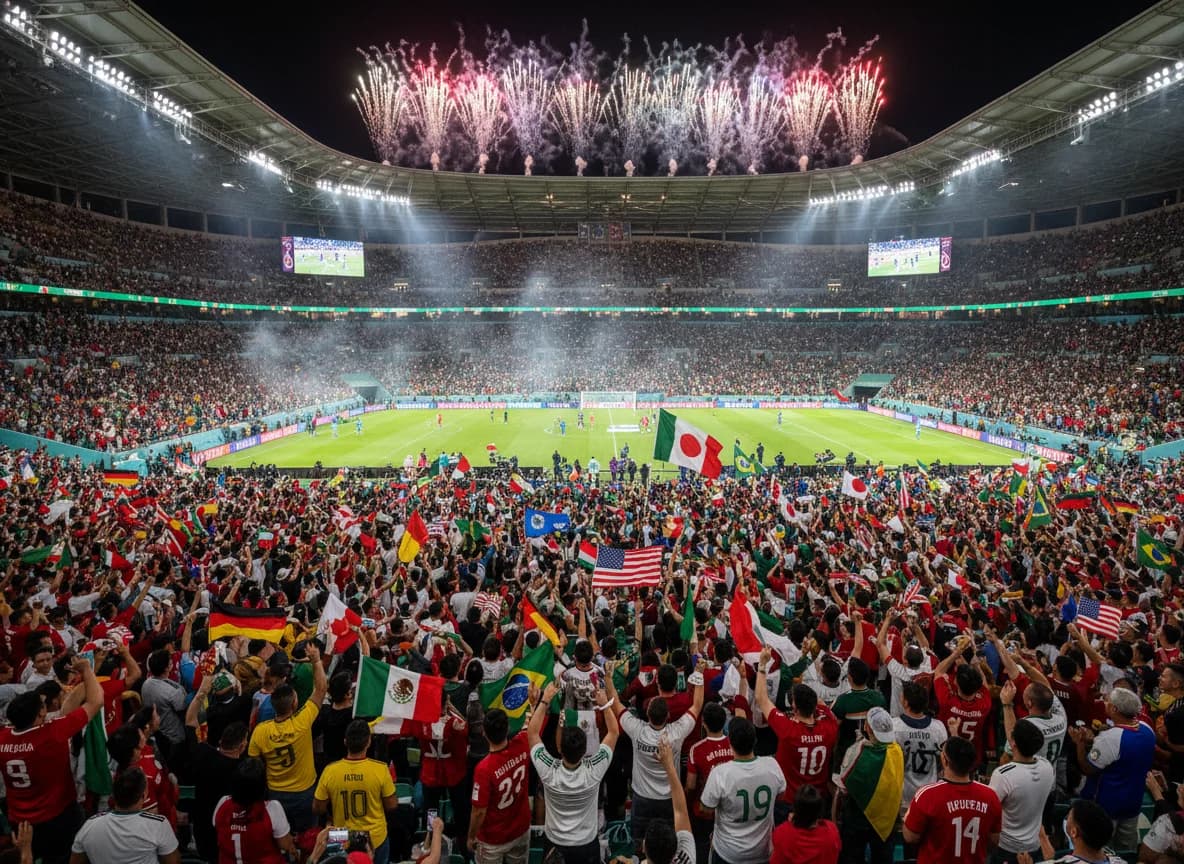
The 2026 FIFA World Cup has given international football supporters a distinctly American experience, combining enormous stadiums, large-scale entertainment and multicultural celebrations with some of the practical challenges of hosting the world's biggest football tournament across one of the largest countries on earth.
Since the tournament began in June, supporters from around the world have filled stadiums, public viewing areas and city centres, bringing the colours, songs and traditions of dozens of football nations to American cities.
For many visitors, the experience has offered a mixture of football culture and American sporting traditions. Modern stadiums, large entertainment programmes and organised fan events have helped create a festival atmosphere beyond the matches themselves.
However, the tournament has also generated debate over expensive food and drinks inside some stadiums, the cost of travelling between host cities, extreme summer temperatures and the difficulties faced by some international supporters attempting to enter the United States.
A World Cup Built on an Unprecedented Scale
The 2026 tournament is the largest World Cup ever staged, with 48 teams and 104 matches spread across the United States, Canada and Mexico.
The American portion of the tournament has demonstrated both the advantages and complications of hosting a global football competition across a vast geographical area.
Unlike tournaments held within smaller countries, supporters following their national teams have sometimes faced significant distances between matches.
Travelling from one host city to another can involve flights, hotel stays and additional transportation expenses, making the experience considerably different from tournaments where supporters can move easily between venues by train or road.
At the same time, the size of the American market has allowed the tournament to use some of the largest sporting venues in the world, creating impressive scenes as tens of thousands of supporters gather for matches.
Fan Festivals Bring the Tournament Beyond Stadiums
One of the most visible features of the tournament has been the popularity of official fan festivals and public viewing events.
Large crowds have gathered away from stadiums to watch matches on giant screens, enjoy live entertainment and celebrate alongside supporters from different countries.
These events have helped create a World Cup atmosphere even for people without match tickets.
The festival culture has also allowed host cities to introduce international visitors to local food, music and entertainment while giving American residents an opportunity to experience the traditions of football supporters from around the world.
For a country where American football, basketball and baseball have traditionally dominated the sporting landscape, the tournament has provided another major test of football's growing popularity.
Culture Shock Over Stadium Prices
Not every aspect of the American World Cup experience has impressed international visitors.
Some supporters have expressed frustration over the prices of food and drinks at stadiums, with reports of expensive water, soft drinks, meals and alcoholic beverages attracting criticism online.
For supporters accustomed to football stadiums in parts of Europe, Africa and South America, American-style concession pricing has been one of the tournament's biggest cultural shocks.
The issue has added to wider concerns about the overall cost of attending the World Cup.
Beyond match tickets, international visitors must consider flights, accommodation, local transportation and, in some cases, domestic flights between host cities.
The experience has highlighted a wider question facing modern global sporting events: how organisers can maintain accessibility for ordinary supporters while the commercial value of major tournaments continues to increase.
Heat Becomes Part of the World Cup Story
Summer conditions have also become an important part of the tournament experience.
High temperatures and humidity in some host regions have created challenges for players and supporters, particularly during daytime activities and outdoor fan events.
The issue has renewed discussions about hydration, access to water and the scheduling of major football matches during periods of intense summer heat.
While several venues offer indoor or climate-controlled environments, supporters attending outdoor events or travelling around host cities have faced different conditions depending on location.
The experience could provide important lessons for future major sporting competitions as organisers increasingly consider the effects of extreme weather on athletes and spectators.
Immigration and Visa Concerns Affect Some Supporters
The World Cup has also unfolded against wider debates surrounding immigration and entry into the United States.
Some international supporters have faced visa difficulties or concerns about travelling to the country, particularly those from nations affected by entry restrictions or complicated visa processes.
For a tournament built around bringing supporters from across the world together, these difficulties have created an uncomfortable contrast with the World Cup's traditional message of international unity.
Despite those concerns, diaspora communities across the United States have played a major role in creating atmosphere around the tournament, with supporters of African, Latin American, European and Asian teams bringing strong cultural identities to stadiums and fan zones.
The result has been a tournament atmosphere shaped not only by international visitors but also by America's own diverse immigrant communities.
A Defining Moment for Football in America
The long-term significance of the 2026 World Cup may extend far beyond the final match.
The United States has already hosted the men's World Cup before, but the scale of this year's tournament has provided a much larger platform for football to compete for attention in one of the world's most valuable sports markets.
The tournament has introduced more casual American sports fans to the traditions of international football while giving established football communities across the country their biggest global stage in decades.
The experience has not been without problems. High costs, travel distances, summer heat and immigration concerns have complicated the tournament for some supporters.
Yet the packed public celebrations, multicultural atmosphere and scale of the event have demonstrated the enormous potential of football in North America.
As the tournament moves toward its decisive stages, the American World Cup experience is emerging as one of contrasts: spectacular but expensive, exciting but logistically demanding, and unmistakably different from previous tournaments.
Whether that model becomes the future of global football events remains open to debate. What is already clear is that the 2026 World Cup has turned the United States into a major centre of global football culture and given millions of supporters an experience unlike any previous edition of the tournament.
PUBLISHER NOTE
About Talk Ya True
Talk Ya True publishes independent reporting and analysis with clear attribution, source transparency and corrections when needed.
Related Articles
World
Europe on Alert as Record Heatwave Pushes Temperatures Above 40°C, Triggers Wildfires and Power Disruptions
World
US Introduces Up to $20,000 Visa Bond Requirement for Nigerians Applying for Tourist and Business Visas
World
FIFA Scraps Controversial World Cup Investment Plan After Global Backlash

World
Breaking News in Nigeria Today 24/7: Your Real-Time Guide to Staying Informed
Stay Informed
Get the latest stories from Nigeria.
Free news updates. Unsubscribe anytime.
By subscribing, you agree to receive free news updates from Talk Ya True. You can unsubscribe at any time.