Nigeria
CBN Retains Interest Rate at 26.5%: What It Means for Every Nigerian
The Central Bank of Nigeria (CBN) has left its benchmark interest rate unchanged at 26.5%, marking the second consecutive time the Monetary Policy Committee (MPC) has maintained the rate. The decision comes as inflation continues to ease, but policymakers remain cautious about global economic uncertainty and domestic price pressures. Here's what the decision means for businesses, borrowers, savers and the average Nigerian.
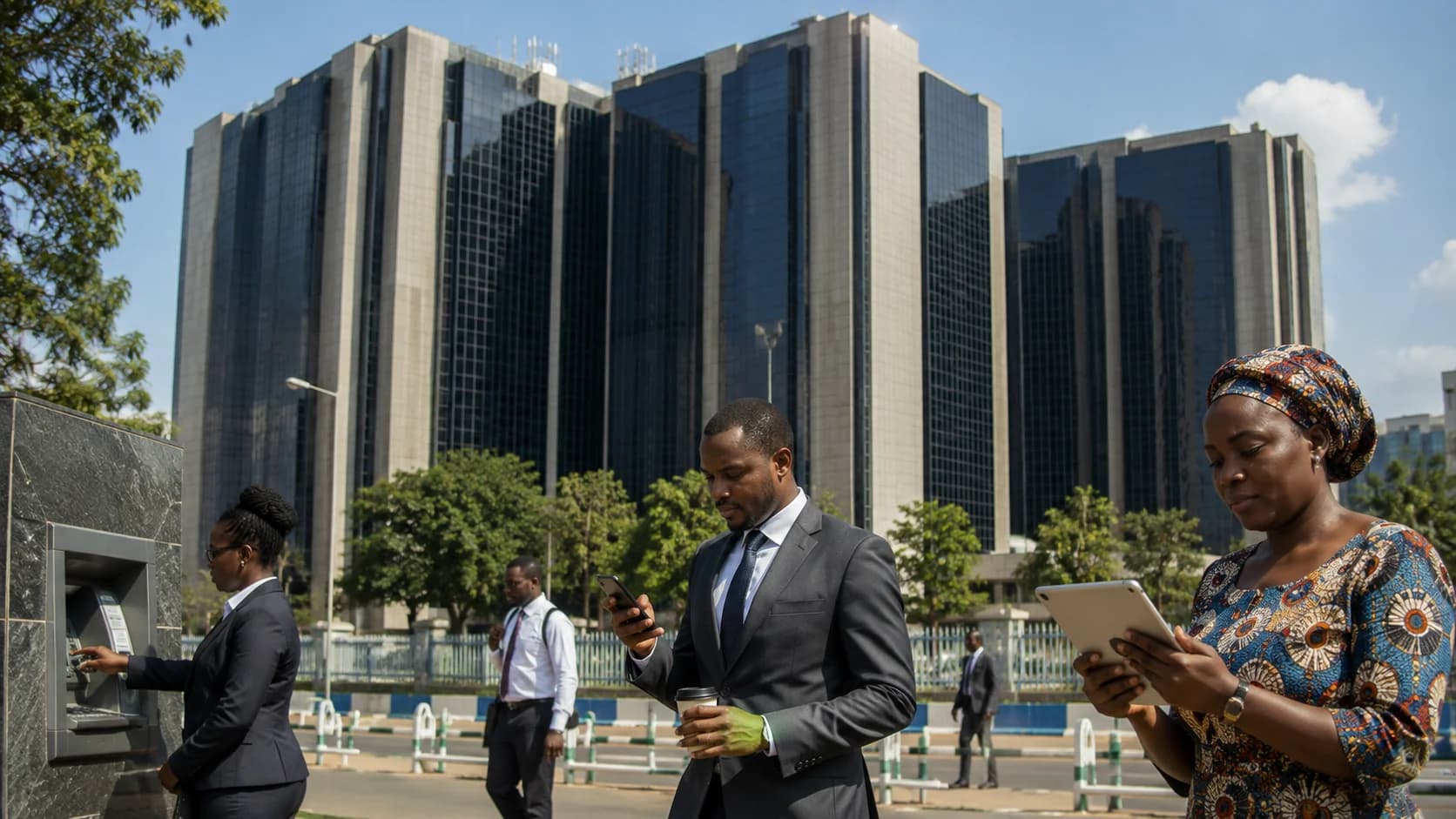
The Central Bank of Nigeria (CBN) has retained the country's Monetary Policy Rate (MPR) at 26.5%, a decision aimed at sustaining progress in the fight against inflation while maintaining stability in the foreign exchange market.
The decision was announced at the end of the Monetary Policy Committee (MPC) meeting in Abuja, where members voted unanimously to keep all key monetary policy parameters unchanged. The committee said recent improvements in inflation were encouraging but stressed that risks to price stability remain.
Why the CBN Left Rates Unchanged
According to the MPC, inflation has shown signs of moderation in recent months, helped by improved exchange rate stability and tighter monetary conditions.
However, the committee noted that global uncertainties—including geopolitical tensions, volatile commodity prices and financial market risks—continue to pose threats to Nigeria's economy.
Keeping the interest rate at 26.5% is intended to consolidate recent gains while preventing inflation from rising again.
What It Means for Borrowers
For Nigerians with bank loans or those planning to borrow money, the decision means lending rates are likely to remain high.
Businesses seeking loans for expansion, entrepreneurs looking for working capital and individuals applying for mortgages or personal loans may continue to face relatively expensive borrowing costs.
High interest rates generally discourage excessive borrowing, which helps reduce inflation by slowing demand in the economy.
What It Means for Savers
For savers, the decision could be positive.
Banks may continue offering relatively attractive interest rates on savings accounts, fixed deposits and investment products compared with periods of lower benchmark rates.
This encourages Nigerians to save more rather than spend immediately, supporting the CBN's efforts to manage inflation.
Impact on Businesses
Many businesses, especially small and medium-sized enterprises (SMEs), had hoped for a rate cut to reduce borrowing costs.
With rates unchanged, companies relying on bank financing may continue facing higher operating costs.
However, economists argue that maintaining macroeconomic stability and keeping inflation under control can create a more predictable environment for long-term investment.
Effect on the Naira
Financial analysts believe the decision could help support the naira by making naira-denominated investments more attractive to domestic and foreign investors.
Stable interest rates also signal the CBN's commitment to maintaining investor confidence and protecting the value of the national currency.
Inflation Still a Major Concern
Although inflation has eased from previous highs, it remains one of Nigeria's biggest economic challenges.
Rising food prices, transportation costs and energy expenses continue to put pressure on household budgets across the country.
The MPC said it will continue monitoring economic developments and adjust monetary policy if necessary to ensure inflation continues moving downward.
What Happens Next?
The CBN's next Monetary Policy Committee meeting will determine whether inflation and broader economic conditions justify keeping rates unchanged again or beginning a cycle of interest rate cuts.
For now, economists expect monetary policy to remain cautious until inflation falls more decisively and external risks become less severe.
For millions of Nigerians, the latest decision means borrowing is unlikely to become cheaper in the immediate future, while savers may continue to benefit from relatively higher returns on deposits.
Tags
PUBLISHER NOTE
About Talk Ya True
Talk Ya True publishes independent reporting and analysis with clear attribution, source transparency and corrections when needed.
Related Articles

Nigeria
37 Suspected Illegal Miners Die in NSCDC Custody as Tinubu Orders Independent Probe
Business
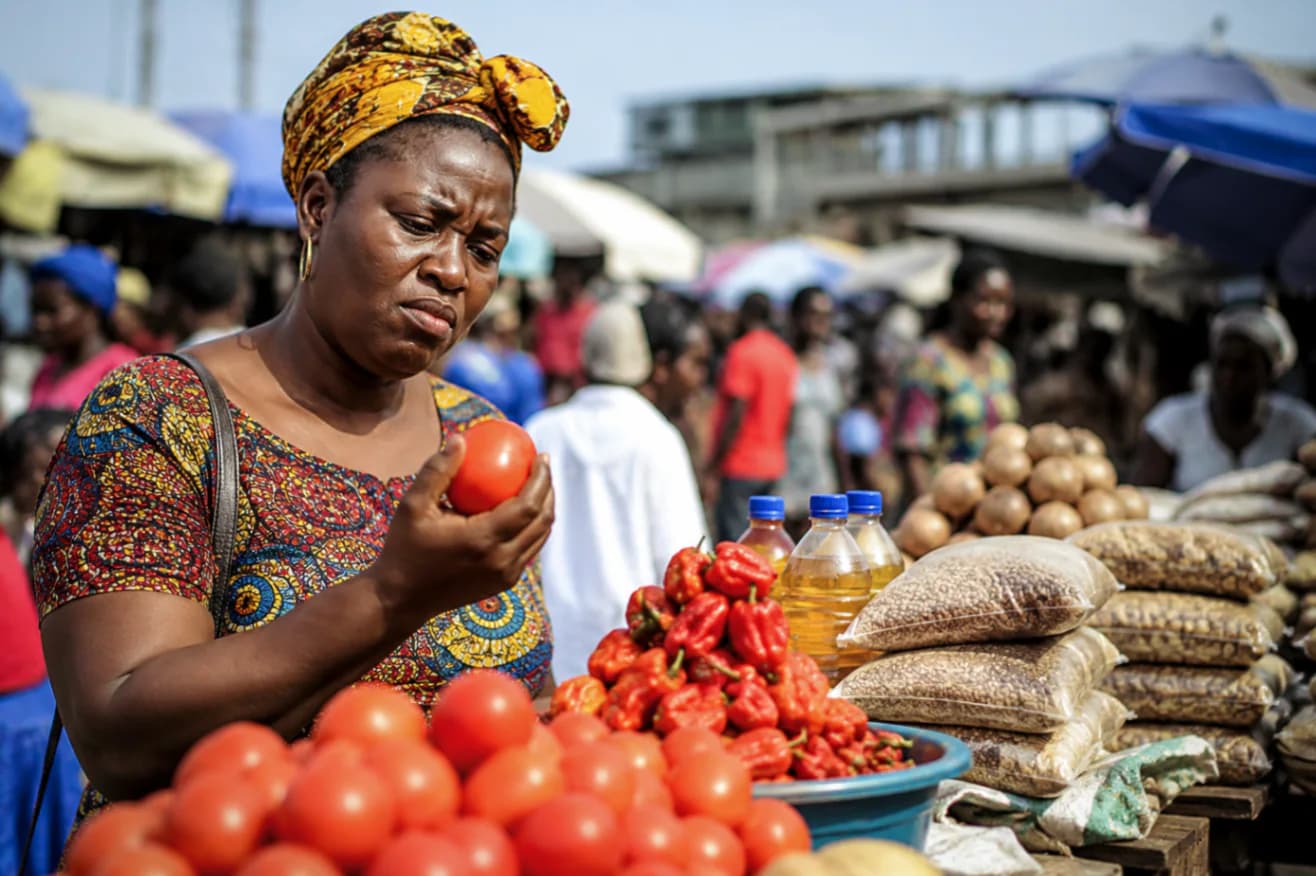
Nigeria’s Inflation Falls to 15.39% as Food Price Pressure Eases

Business
Nigeria’s Oil Output Hits 1.68m Barrels Per Day as OPEC Compliance Continues
World
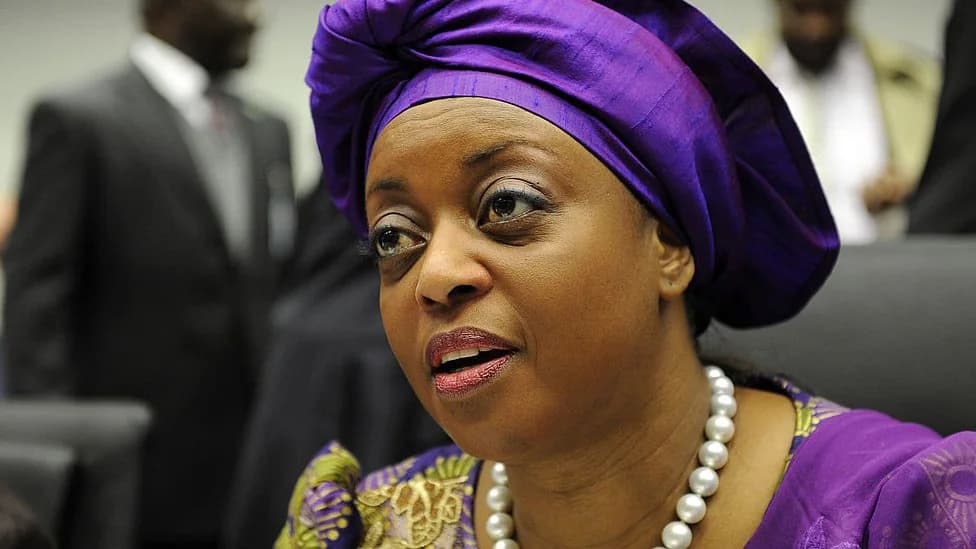
Diezani’s UK Acquittal Won’t End Nigeria’s Probe, HEDA Says
Stay Informed
Get the latest stories from Nigeria.
Free news updates. Unsubscribe anytime.
By subscribing, you agree to receive free news updates from Talk Ya True. You can unsubscribe at any time.