Business
Diesel Nears ₦2,000 as Nigerian Businesses Face Fresh Cost Pressure
Diesel prices are approaching ₦2,000 per litre in Nigeria, prompting refinery owners to call for urgent government intervention. Manufacturers and other businesses that depend heavily on diesel-powered generators are facing rising operating costs, with fears that the pressure could feed into food prices, transportation and the wider cost of living.
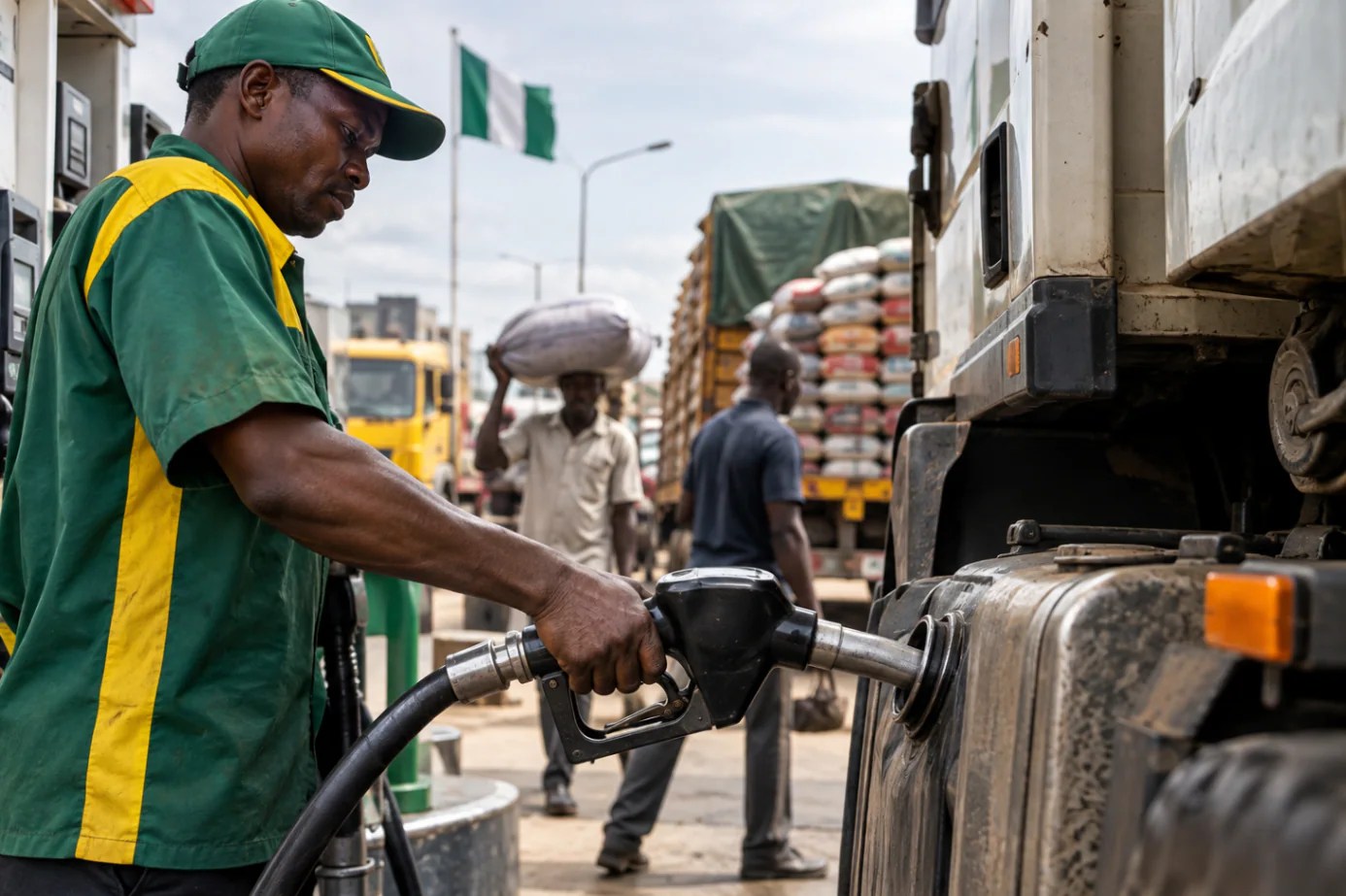
Diesel prices are climbing towards ₦2,000 per litre in Nigeria, creating fresh pressure on businesses and raising concerns about another increase in production, transportation and food costs.
The Crude Oil Refinery Owners Association of Nigeria (CORAN) has urged the Federal Government to take urgent action as the price of Automotive Gas Oil, commonly known as diesel, approaches the ₦2,000 mark.
CORAN warned that the increase could have consequences across several parts of the Nigerian economy because diesel remains an important source of energy for factories, farms, transport operators, telecommunications companies and businesses.
The warning comes as manufacturers are already dealing with extremely high energy costs.
The Manufacturers Association of Nigeria has reported that spending on diesel and other alternative sources of power now accounts for more than half of production costs for some manufacturers.
Recent reports put diesel prices at about ₦2,100 per litre in parts of Lagos and Ogun, compared with around ₦1,700 to ₦1,800 just days earlier.
That sharp increase is particularly significant for companies that rely on diesel generators because of unreliable electricity supply.
When diesel becomes more expensive, businesses have several difficult choices.
They can absorb the additional cost and accept lower profits, reduce production, increase the prices of their products or cut operating hours.
For manufacturers already struggling with weak consumer demand and high input costs, another major increase in energy expenses could make it harder to keep prices affordable while remaining profitable.
The pressure could also extend beyond factories.
Transport operators use diesel for trucks and other commercial vehicles, while farmers rely on diesel-powered equipment and logistics to move agricultural products from farms to markets.
If transportation costs increase, businesses may pass some of those expenses down the supply chain.
That can eventually affect the price consumers pay for food and other everyday products.
Why is diesel becoming so expensive?
The latest increase is occurring against the backdrop of higher international crude oil prices and tighter global refined-fuel supplies.
Global refining markets have been under pressure because of disruptions affecting refining capacity and fuel exports in several regions.
Reuters reported that global fuel shortages could persist beyond the current US-Iran conflict because of damaged Middle Eastern refining infrastructure, tight inventories and high refinery utilisation.
Nigeria is particularly exposed to these movements because the country remains dependent on a combination of domestic refining and imported petroleum products.
CORAN argues that increasing domestic refining capacity could reduce Nigeria's exposure to international supply disruptions, foreign exchange pressures, freight costs and other external shocks.
The association has therefore called for stronger support for Nigerian refineries.
It wants the Federal Government to guarantee adequate crude supplies to the Dangote Petroleum Refinery and extend the Naira-for-Crude arrangement to qualified modular refineries.
CORAN says Nigeria has the potential to produce significantly more diesel domestically if its large and modular refineries operate closer to their installed capacities.
According to figures cited by the association, Nigeria's modular refineries have a combined installed capacity of roughly 35,000 barrels per day and could produce between 2.2 million and 2.8 million litres of diesel daily at full capacity, depending on their configurations.
CORAN also said the Dangote refinery produced approximately 19.1 million litres of diesel per day in July.
Combined, the association estimates that domestic refineries could potentially produce between 21 million and 22 million litres of diesel daily.
National diesel consumption, however, was reported at around 14.7 million litres per day in July, while Nigeria still imported about 244.9 million litres during the month.
The figures highlight the challenge facing Nigeria: the country has invested heavily in domestic refining capacity, but supply chains, crude availability, infrastructure and commercial pricing arrangements still affect how much fuel can be produced locally.
What does this mean for Nigerians?
The immediate concern is not simply the price of diesel itself.
It is what happens when diesel becomes significantly more expensive for businesses that use it to produce or transport goods.
A manufacturer paying substantially more to power its factory may eventually increase the price of its products.
A transporter facing higher fuel expenses may charge more to move goods.
A farmer paying more for machinery and transportation may face higher costs before crops even reach the market.
Those increases can accumulate throughout the supply chain.
That is why CORAN is warning that the diesel price increase could worsen food inflation and the wider cost-of-living crisis.
However, the situation also highlights the potential benefits of expanding reliable domestic refining.
If Nigerian refineries can consistently process more locally produced crude and supply the domestic market, the country could reduce its dependence on imported refined products and become less vulnerable to international fuel-market shocks.
For consumers, the ultimate test will be whether greater domestic refining translates into more stable and affordable energy prices.
For now, businesses are facing another major cost challenge as diesel approaches ₦2,000 per litre, while refinery operators are asking the Federal Government to intervene before higher energy costs spread further across the economy.
Key Facts:
• Diesel prices are approaching ₦2,000 per litre in Nigeria.
• Reports have placed diesel around ₦2,100 per litre in parts of Lagos and Ogun.
• CORAN has called for urgent Federal Government intervention.
• Manufacturers are among the businesses heavily affected because many rely on diesel generators.
• Energy expenses can account for more than half of production costs for some manufacturers.
• Higher diesel prices can increase manufacturing, farming and transportation costs.
• Higher logistics and production costs can contribute to food-price pressures.
• CORAN is calling for stronger domestic refining and predictable crude supply arrangements.
• The association wants the Naira-for-Crude initiative extended to qualified modular refineries.
• Nigeria continues to import diesel despite increasing domestic refining capacity.
Tags
PUBLISHER NOTE
About Talk Ya True
Talk Ya True publishes independent reporting and analysis with clear attribution, source transparency and corrections when needed.
Related Articles

Nigeria
37 Suspected Illegal Miners Die in NSCDC Custody as Tinubu Orders Independent Probe
Business
Nigeria’s Inflation Falls to 15.39% as Food Price Pressure Eases
Business
Nigeria’s Oil Output Hits 1.68m Barrels Per Day as OPEC Compliance Continues

World
Diezani’s UK Acquittal Won’t End Nigeria’s Probe, HEDA Says
Stay Informed
Get the latest stories from Nigeria.
Free news updates. Unsubscribe anytime.
By subscribing, you agree to receive free news updates from Talk Ya True. You can unsubscribe at any time.