Nigeria
Diphtheria Outbreak Worsens as Plateau, Katsina and Kano Battle Rising Cases and Deaths
A worsening diphtheria outbreak is putting pressure on health authorities in Plateau, Katsina and Kano states, with fresh deaths and rising case numbers reported. Plateau has recorded 23 deaths from 143 suspected cases in two weeks, while Katsina has reported about 1,000 suspected cases since January. Kano remains one of Nigeria’s worst-affected states, with thousands of cases and deaths recorded since the outbreak began.
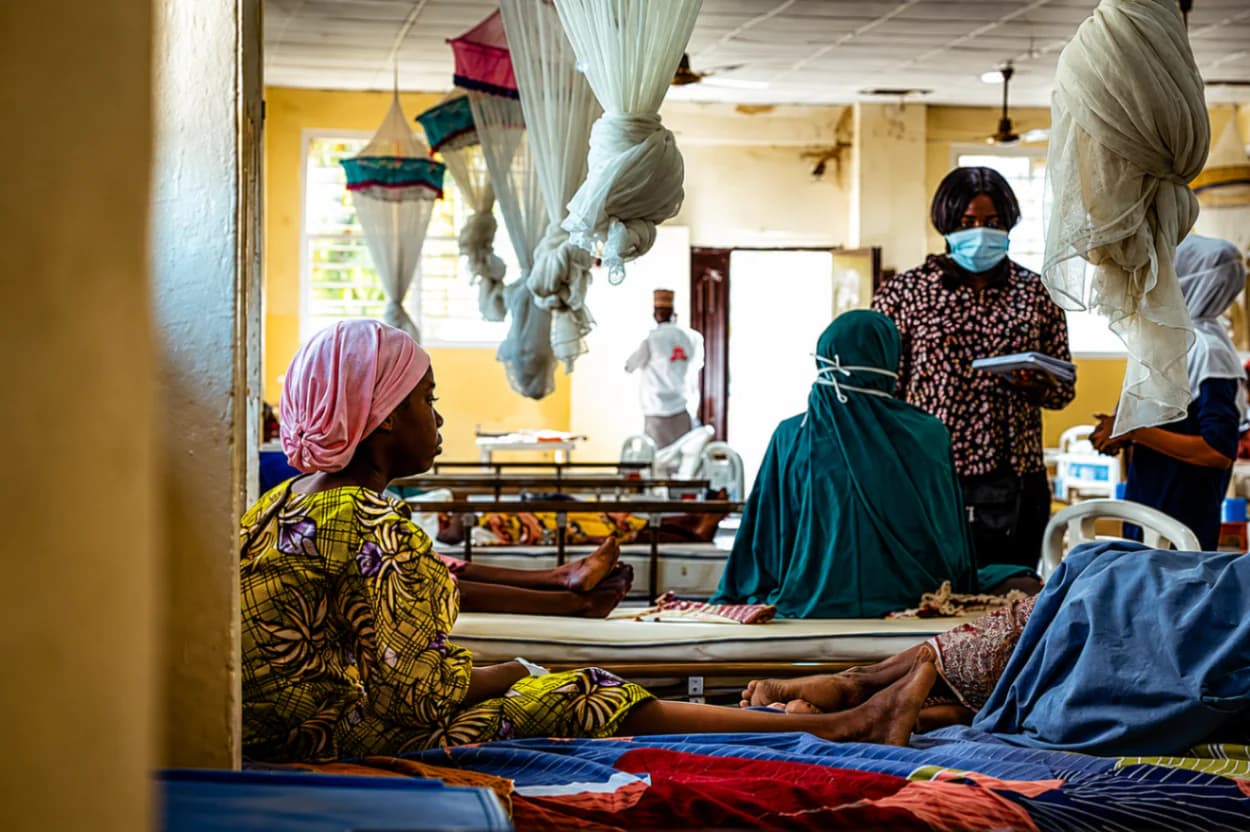
Nigeria is facing renewed concern over the spread of diphtheria as health authorities in Plateau, Katsina and Kano states intensify efforts to contain outbreaks that have affected communities and placed additional pressure on healthcare facilities.
The latest reports are particularly concerning in Plateau State, where health officials say 23 people have died from suspected diphtheria within two weeks.
The development comes as Katsina continues to record cases across several local government areas, while Kano remains one of the states with the heaviest cumulative burden from the disease.
The Nigeria Centre for Disease Control and Prevention (NCDC) has warned that the disease burden remains particularly concerning among children who are unvaccinated or incompletely vaccinated.
PLATEAU RECORDS 23 DEATHS
Plateau State has emerged as one of the latest areas experiencing a serious surge.
The state Commissioner for Health, Nicholas Baamlong, said on September 1 that 143 suspected diphtheria cases had been recorded, with 23 deaths reported over the previous two weeks.
Nine patients were receiving treatment at the Jos University Teaching Hospital and Plateau Specialist Hospital, while affected patients were being managed in isolation.
Baamlong said late presentation by patients and difficulties obtaining diphtheria antitoxin were among the major challenges facing the response.
The state is also experiencing difficulties confirming suspected cases because of a shortage of specialised containers needed to collect and transport samples to laboratories.
The outbreak has reportedly been concentrated largely in Jos North Local Government Area, with Rikkos identified as one of the communities significantly affected.
Local surveillance officials have separately reported 15 deaths in parts of Jos North, showing the seriousness of the situation in the affected communities.
KATSINA REPORTS ABOUT 1,000 SUSPECTED CASES
Katsina State is also dealing with a significant outbreak.
The Katsina State Primary Health Care Agency said about 1,000 suspected diphtheria cases had been recorded since January 2026.
Cases had been reported across 29 local government areas as of August 28, with Funtua recording the highest burden, followed by Kankia, Bakori, Katsina, Mashi and Daura.
Health authorities said approximately five per cent of those affected had died.
The state has activated emergency response measures involving surveillance, contact tracing, case investigation, treatment and community mobilisation.
The situation has also placed enormous pressure on the Federal Teaching Hospital in Katsina.
Hospital management said the continuous arrival of patients referred from health facilities across the state had caused severe overcrowding in the children's ward, with available bed spaces stretched beyond capacity.
KATSINA STEPS UP VACCINATION
Authorities in Katsina have responded with an emergency vaccination campaign targeting high-risk communities.
The state government said more than 91,000 people had been vaccinated within the first three days of the campaign.
By the fifth day, the state reported that 99,036 eligible people had received Td vaccines while another 51,310 children had received pentavalent vaccines, bringing the reported number of vaccinations administered during that period to more than 150,000.
The government has also secured an additional 650,000 doses of diphtheria-containing vaccines and established three additional isolation centres to strengthen the treatment response.
Health officials say low routine immunisation, delayed presentation at health facilities and the state's border with Niger Republic are among the factors complicating efforts to contain the disease.
KANO REMAINS A MAJOR HOTSPOT
Kano has been dealing with diphtheria for much longer than the current outbreaks reported in Plateau and Katsina.
According to the Kano State Centre for Disease Control, the state had recorded 39,536 suspected cases since the outbreak began in December 2022.
Of those cases, 32,633 had been confirmed, while the reported death toll had reached 1,747 as of September 1, according to the state health authorities.
The figures underline the scale of the challenge facing Kano.
The state has 44 local government areas, and health officials said all 44 had been affected by the disease.
There had also been recent controversy surrounding reports that more than 50 children had died from diphtheria in Rano Local Government Area.
However, the Kano State Centre for Disease Control disputed that figure, saying its surveillance data did not support the reported number.
The centre said its records showed 29 cases in the affected area between January and August 26, with two deaths recorded at that point.
WHAT IS DIPHTHERIA?
Diphtheria is a serious bacterial infection caused mainly by toxin-producing Corynebacterium diphtheriae.
It commonly affects the nose and throat and can produce a thick grey or white membrane that makes breathing and swallowing difficult.
The infection can also cause serious complications involving the heart and nervous system.
The NCDC says diphtheria spreads through respiratory droplets from coughing and sneezing, direct contact with infected people and, in some circumstances, contaminated objects and clothing.
COMMON SYMPTOMS TO WATCH FOR
Early symptoms can resemble other common infections.
They include:
Fever
Sore throat
Runny nose
Cough
Red eyes
Difficulty swallowing
Difficulty breathing
Neck swelling
A thick grey or white membrane around the throat, tonsils or nose
The NCDC says symptoms generally begin between two and five days after exposure, although the incubation period can sometimes be longer.
WHY VACCINATION MATTERS
Diphtheria is vaccine-preventable.
The NCDC recommends that children receive three doses of the pentavalent vaccine as part of Nigeria's routine childhood immunisation programme, given at six, 10 and 14 weeks of age.
The agency has repeatedly stressed that high vaccination coverage is one of the most important ways to prevent outbreaks.
The latest outbreak has again highlighted the consequences of gaps in routine immunisation, particularly in communities where children have missed recommended doses.
LATE TREATMENT CAN BE DEADLY
Health officials in Plateau and Katsina have highlighted another recurring problem: patients arriving at hospitals too late.
Diphtheria can become life-threatening when the bacterial toxin causes severe complications.
Treatment can involve diphtheria antitoxin and antibiotics, with close contacts also requiring monitoring and, where appropriate, preventive treatment.
The NCDC advises people with symptoms suggestive of diphtheria to isolate and seek medical attention rather than attempting to manage the illness at home.
HEALTHCARE SYSTEMS UNDER PRESSURE
The outbreaks are also exposing weaknesses in healthcare capacity.
In Plateau, officials have reported difficulties obtaining antitoxin and collecting samples for laboratory confirmation.
In Katsina, the Federal Teaching Hospital's children's ward has become overcrowded because of referrals from across the state.
These challenges matter because the effectiveness of an outbreak response depends not only on identifying cases but also on having enough beds, medicines, trained personnel, laboratory capacity and vaccines to respond quickly.
THE BIGGER NATIONAL PICTURE
The latest developments in Plateau, Katsina and Kano are part of a wider national diphtheria problem.
The NCDC said on August 28 that Nigeria had recorded more than 10,000 confirmed diphtheria cases in 2026.
The agency identified Kano, Borno and Bauchi among the states carrying some of the heaviest disease burdens and said continued transmission was linked partly to inadequate vaccination coverage, vaccine hesitancy, insecurity, displacement and difficulties reaching underserved communities.
This means the challenge goes beyond treating people who are already sick.
Authorities also have to find children who have missed vaccines, reach communities that are difficult to access and convince families to participate in immunisation programmes.
TALK YA TRUE ANALYSIS
The latest diphtheria figures should not be treated simply as another health headline.
They reveal a deeper problem that Nigeria has been struggling with for years: gaps in routine childhood vaccination and uneven access to healthcare.
Plateau's current outbreak is particularly worrying because officials are reporting deaths while simultaneously facing shortages of antitoxin and difficulties confirming cases.
Katsina's experience shows another side of the problem.
Even when authorities mobilise vaccines and establish additional treatment capacity, hospitals can quickly become overwhelmed when large numbers of sick children are referred from surrounding communities.
Kano demonstrates the consequences of a prolonged outbreak.
Thousands of suspected and confirmed cases accumulated over several years, with a very large number of deaths reported by state health authorities.
The lesson is clear: waiting until children become critically ill is not an effective outbreak strategy.
Prevention has to begin in communities.
Parents and caregivers need access to routine vaccination.
Health workers need the equipment and medicines required to recognise and treat cases quickly.
And authorities need reliable surveillance systems capable of detecting unusual increases in cases before hospitals become overwhelmed.
There is also an important responsibility on families.
Diphtheria is preventable, but vaccination only works at population level when eligible children actually receive the recommended doses.
FINAL WORD
The worsening diphtheria situation in Plateau, Katsina and Kano has raised fresh concerns about the protection of children and the capacity of health facilities to manage the growing burden.
Plateau has reported 23 deaths from 143 suspected cases in two weeks, while Katsina has recorded about 1,000 suspected cases since January and is responding with emergency vaccination and additional treatment capacity.
Kano continues to carry a much larger cumulative burden, with state authorities reporting more than 32,000 confirmed cases and 1,747 deaths since the outbreak began in December 2022.
The immediate priority is to contain the outbreaks and save lives.
But the long-term solution will require stronger routine immunisation, early diagnosis, adequate treatment supplies, better laboratory capacity and sustained community engagement.
For parents and caregivers, the message from health authorities is straightforward: make sure children receive their recommended vaccines, and seek medical attention immediately when symptoms associated with diphtheria appear.
KEY FACTS
Disease: Diphtheria
Type: Serious bacterial infection
Latest states facing significant outbreaks: Plateau, Katsina and Kano
Plateau suspected cases: 143
Plateau reported deaths: 23 in two weeks
Katsina suspected cases: About 1,000 since January 2026
Katsina affected LGAs: 29
Katsina vaccination response: More than 150,000 vaccinations reported within the first five days of the emergency campaign
Katsina additional vaccine supply: 650,000 doses secured
Kano suspected cases since December 2022: 39,536
Kano confirmed cases: 32,633
Kano reported deaths: 1,747
Main prevention: Vaccination
Transmission: Respiratory droplets, direct contact and contaminated objects
Status: Ongoing outbreak response
SOURCES
Nigeria Centre for Disease Control and Prevention — Diphtheria disease information and prevention guidance.
Nigeria Centre for Disease Control and Prevention — National disease situation reports.
Channels Television — Plateau reports 23 deaths and 143 suspected cases.
Channels Television — Katsina reports about 1,000 suspected cases and emergency response measures.
Katsina State Government — Emergency vaccination and outbreak response updates.
ICIR Nigeria — Latest national and state-level diphtheria figures, including Plateau and Kano.
PUBLISHER NOTE
About Talk Ya True
Talk Ya True publishes independent reporting and analysis with clear attribution, source transparency and corrections when needed.
Related Articles

Nigeria
37 Suspected Illegal Miners Die in NSCDC Custody as Tinubu Orders Independent Probe
Business
Nigeria’s Inflation Falls to 15.39% as Food Price Pressure Eases

Business
Nigeria’s Oil Output Hits 1.68m Barrels Per Day as OPEC Compliance Continues

World
Diezani’s UK Acquittal Won’t End Nigeria’s Probe, HEDA Says
Stay Informed
Get the latest stories from Nigeria.
Free news updates. Unsubscribe anytime.
By subscribing, you agree to receive free news updates from Talk Ya True. You can unsubscribe at any time.