Politics
FG to End Electricity Subsidy by 2027 as Nigeria Pushes Cost-Reflective Tariffs
The Federal Government has reaffirmed plans to phase out electricity subsidies by 2027, paving the way for cost-reflective electricity tariffs nationwide. Officials say the move is aimed at attracting investment into Nigeria's struggling power sector while protecting vulnerable households through targeted support.
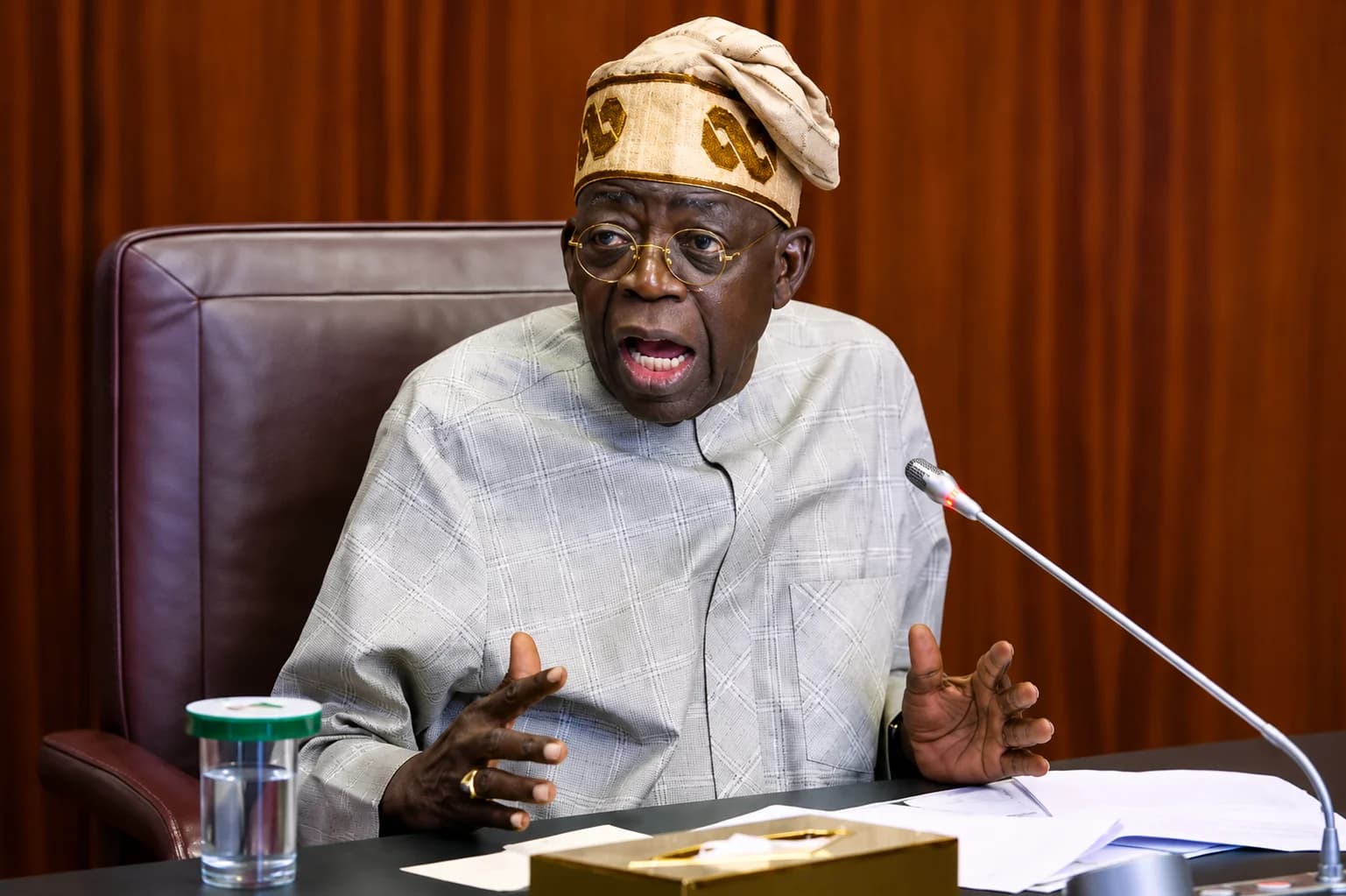
FG Confirms End of Electricity Subsidy by 2027
The Federal Government has confirmed that Nigeria will gradually phase out electricity subsidies, with a full transition to cost-reflective electricity tariffs expected by 2027.
The announcement forms part of the government's broader power sector reform agenda, which officials say is necessary to improve electricity generation, transmission, and distribution while making the industry financially sustainable.
Speaking on the reforms, government officials acknowledged that electricity subsidy removal remains one of the most sensitive economic issues facing the country. However, they argued that continuing to subsidise electricity at current levels is placing enormous pressure on public finances and discouraging private investment in the sector.
Why the Government Wants to End the Subsidy
According to the Federal Government, electricity tariffs in many customer categories do not reflect the actual cost of producing and delivering power.
Officials believe this pricing gap has contributed to mounting debts across the electricity value chain, limited infrastructure upgrades, and reduced investor confidence.
The government says moving to cost-reflective tariffs will allow electricity distribution companies and other market participants to recover operational costs, maintain infrastructure, and invest in expanding access to reliable electricity.
Support for Vulnerable Nigerians
While subsidies are expected to end, the government says it does not intend to leave low-income households without support.
Instead of subsidising electricity for everyone, officials plan to introduce targeted assistance through the proposed Power Consumer Assistance Fund (PCAF). The initiative is expected to provide financial support specifically for vulnerable consumers rather than maintaining a universal subsidy that benefits all electricity users regardless of income.
What This Means for Nigerians
If the transition proceeds as planned, many electricity consumers could eventually pay tariffs that more closely reflect the actual cost of supplying power.
For households and businesses already struggling with rising living costs, the policy may increase electricity expenses in the short term. However, the government argues that the reforms are necessary to improve service delivery, reduce power shortages, and encourage long-term investment in Nigeria's electricity infrastructure.
Mixed Reactions Expected
The proposed subsidy removal is likely to generate mixed reactions across the country.
Supporters argue that Nigeria's electricity market cannot continue relying on heavy government subsidies if it hopes to attract the billions of naira needed for modern infrastructure.
Critics, however, fear that higher electricity tariffs could further increase the cost of living and place additional pressure on households and small businesses already facing inflation and rising operating costs.
As 2027 approaches, attention will focus on whether the government can balance economic reforms with adequate protection for vulnerable Nigerians while delivering the more reliable electricity supply that consumers have long demanded.
PUBLISHER NOTE
About Talk Ya True
Talk Ya True publishes independent reporting and analysis with clear attribution, source transparency and corrections when needed.
Related Articles
Politics
INEC Releases Final 2027 Presidential Candidate List as Tinubu, Atiku, Obi and Makinde Make the Cut
Politics
Remi Tinubu Honoured as Oso Di Eme I in Imo as South-East Visit Sparks 2027 Debate
Politics
Atiku, Obi and Makinde Hold Firm as Opposition Struggles for One 2027 Candidate
Politics
Peter Obi’s Benue Visit Blocked as Youths Stop Convoy on Gboko Road
Stay Informed
Get the latest stories from Nigeria.
Free news updates. Unsubscribe anytime.
By subscribing, you agree to receive free news updates from Talk Ya True. You can unsubscribe at any time.