Business
Naira Holds Steady Against the Dollar as FX Market Shows Signs of Stability
The Nigerian naira has maintained a relatively stable exchange rate against the US dollar in both the official and parallel markets, providing cautious optimism for businesses and consumers after months of volatility. Analysts say improved foreign exchange liquidity and continued Central Bank interventions have helped keep the currency steady.
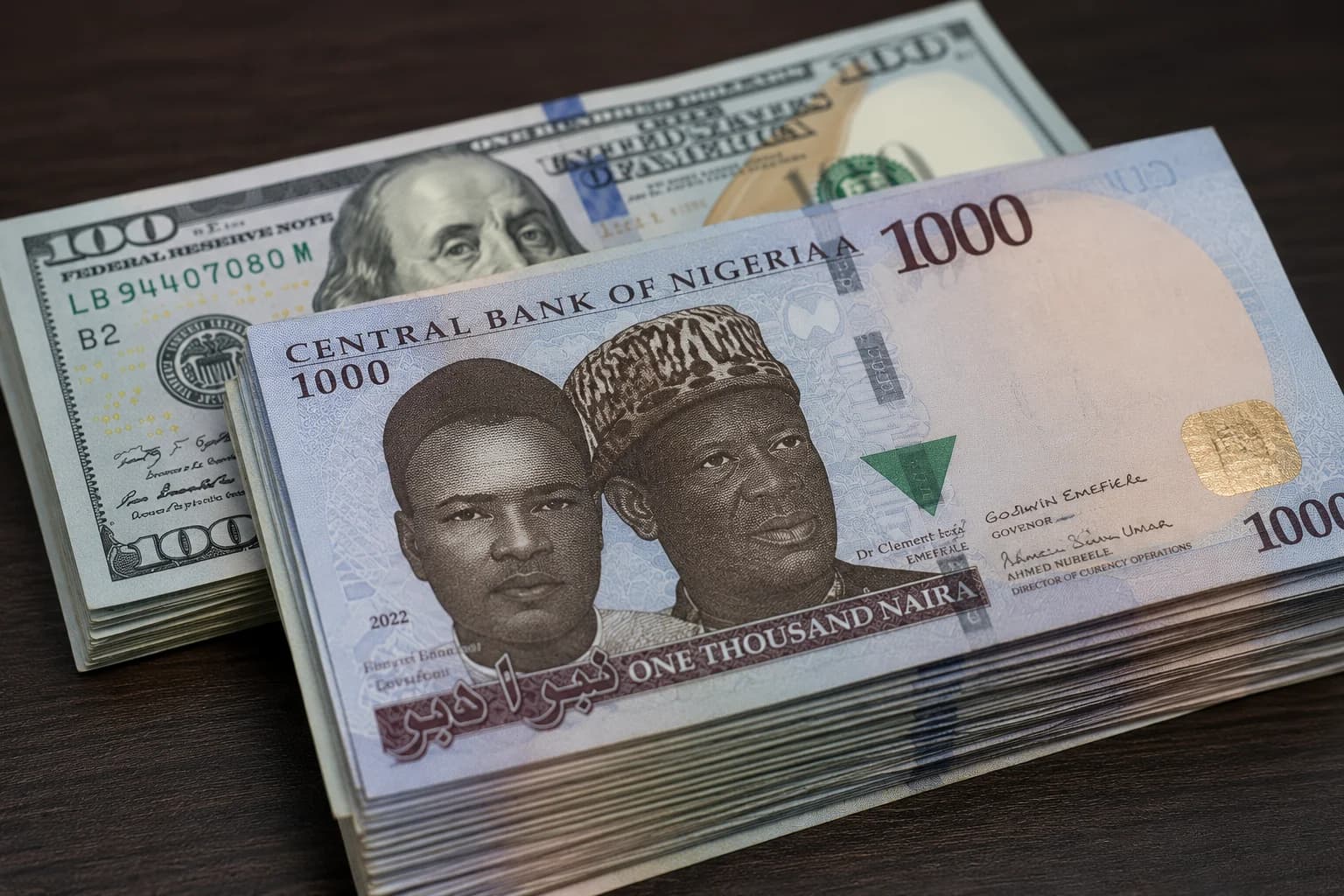
Naira Remains Stable
The naira continued to trade within a narrow range against the US dollar, with the official market remaining around ₦1,360 per dollar, while the parallel market traded at approximately ₦1,410–₦1,425 per dollar. Market observers say the relatively small fluctuations suggest a period of increased stability compared with previous months.
What's Supporting the Currency?
Financial analysts attribute the naira's recent stability to several factors, including:
Improved foreign exchange liquidity.
Continued dollar interventions by the Central Bank of Nigeria (CBN).
Increased confidence among investors.
Better foreign currency inflows into the official market.
These developments have helped ease pressure on the local currency and reduced sharp swings in exchange rates.
Impact on Businesses and Consumers
A more stable exchange rate is good news for businesses that rely on imported goods and raw materials.
When the naira remains stable, companies can better predict their costs, reducing uncertainty in pricing and helping to manage inflationary pressures.
Consumers may also benefit if importers pass on lower costs through more stable prices for food, electronics, medicines, and other imported products.
Challenges Still Remain
Despite the recent stability, economists warn that Nigeria still faces several economic challenges.
Inflation remains high, foreign exchange demand continues to be strong, and global oil prices and international economic conditions could still affect the value of the naira in the coming months.
Experts Urge Continued Reforms
Analysts say maintaining exchange-rate stability will require:
Sustained foreign exchange inflows.
Continued fiscal and monetary discipline.
Increased non-oil exports.
Stronger investor confidence.
Policies that encourage domestic production and reduce dependence on imports.
They argue that long-term stability will depend on structural economic reforms rather than short-term market interventions alone.
The Bottom Line
The naira's recent stability against the US dollar offers encouraging signs for Nigeria's economy after a prolonged period of volatility.
While the outlook has improved, economists caution that maintaining a stable exchange rate will require consistent policy implementation, stronger foreign exchange inflows, and continued efforts to strengthen the country's economic fundamentals.
PUBLISHER NOTE
About Talk Ya True
Talk Ya True publishes independent reporting and analysis with clear attribution, source transparency and corrections when needed.
Related Articles
Business
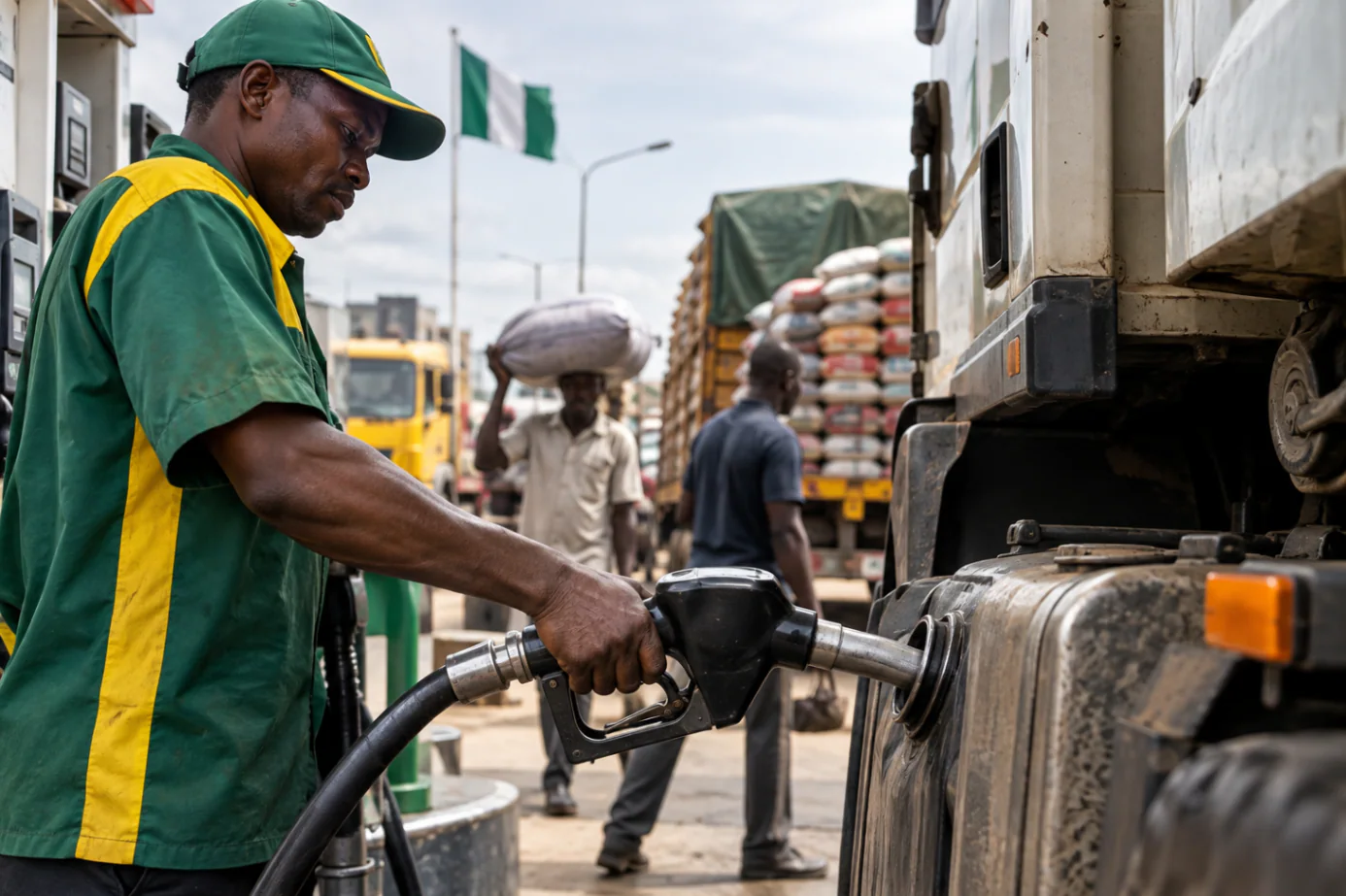
Petrol Hits ₦1,500 in Parts of Nigeria as Global Oil Surge Deepens Fuel Crisis

Business
Dangote Refinery Records $1.82bn Profit as IPO Opens
Business
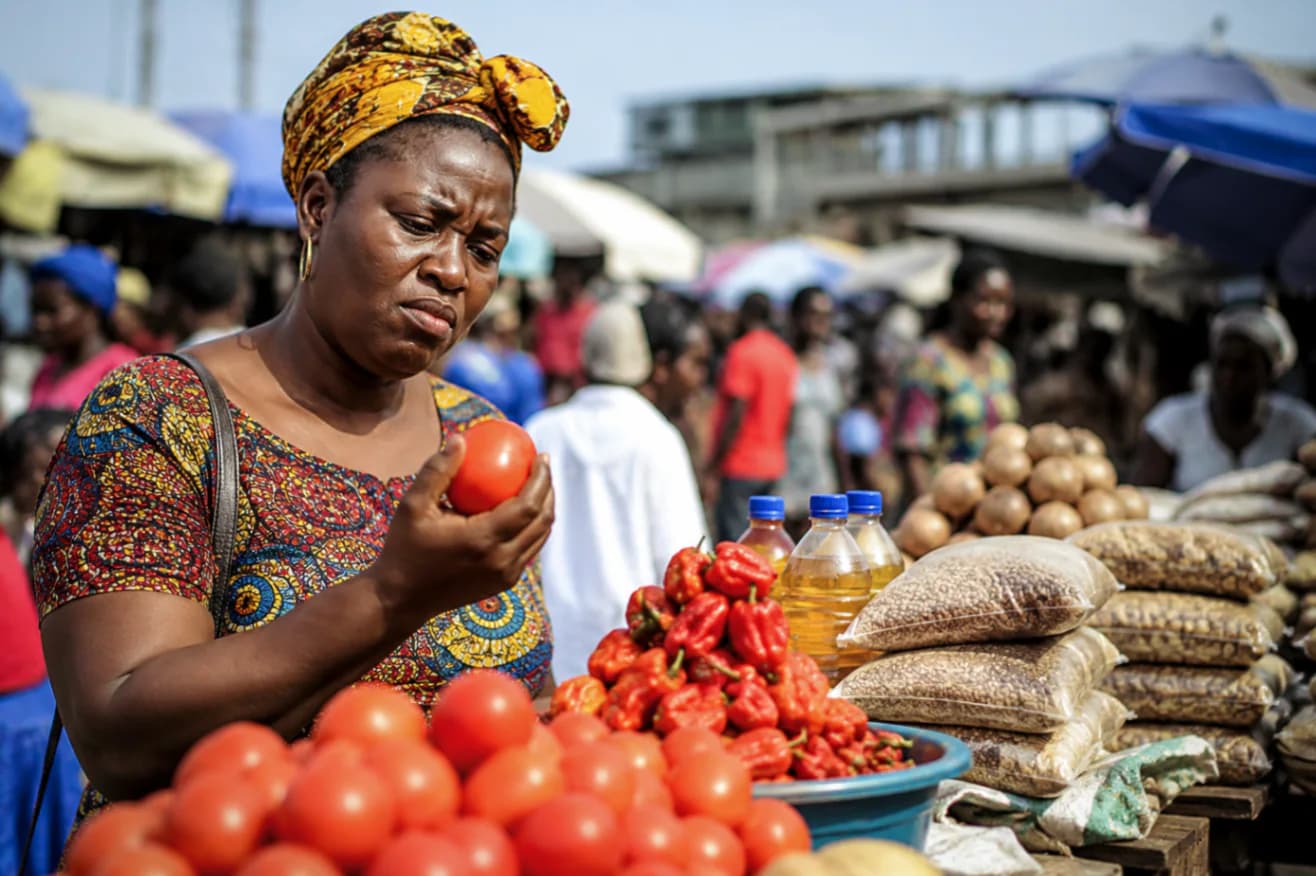
Nigeria’s Inflation Falls to 15.39% as Food Price Pressure Eases

Business
Nigeria’s Oil Output Hits 1.68m Barrels Per Day as OPEC Compliance Continues
Stay Informed
Get the latest stories from Nigeria.
Free news updates. Unsubscribe anytime.
By subscribing, you agree to receive free news updates from Talk Ya True. You can unsubscribe at any time.