Business
Petrol Hits ₦1,500 in Parts of Nigeria as Global Oil Surge Deepens Fuel Crisis
Petrol prices have reached ₦1,500 per litre in parts of northern Nigeria and around ₦1,400 in Lagos and Abuja as rising international crude prices push up fuel costs across Nigeria.
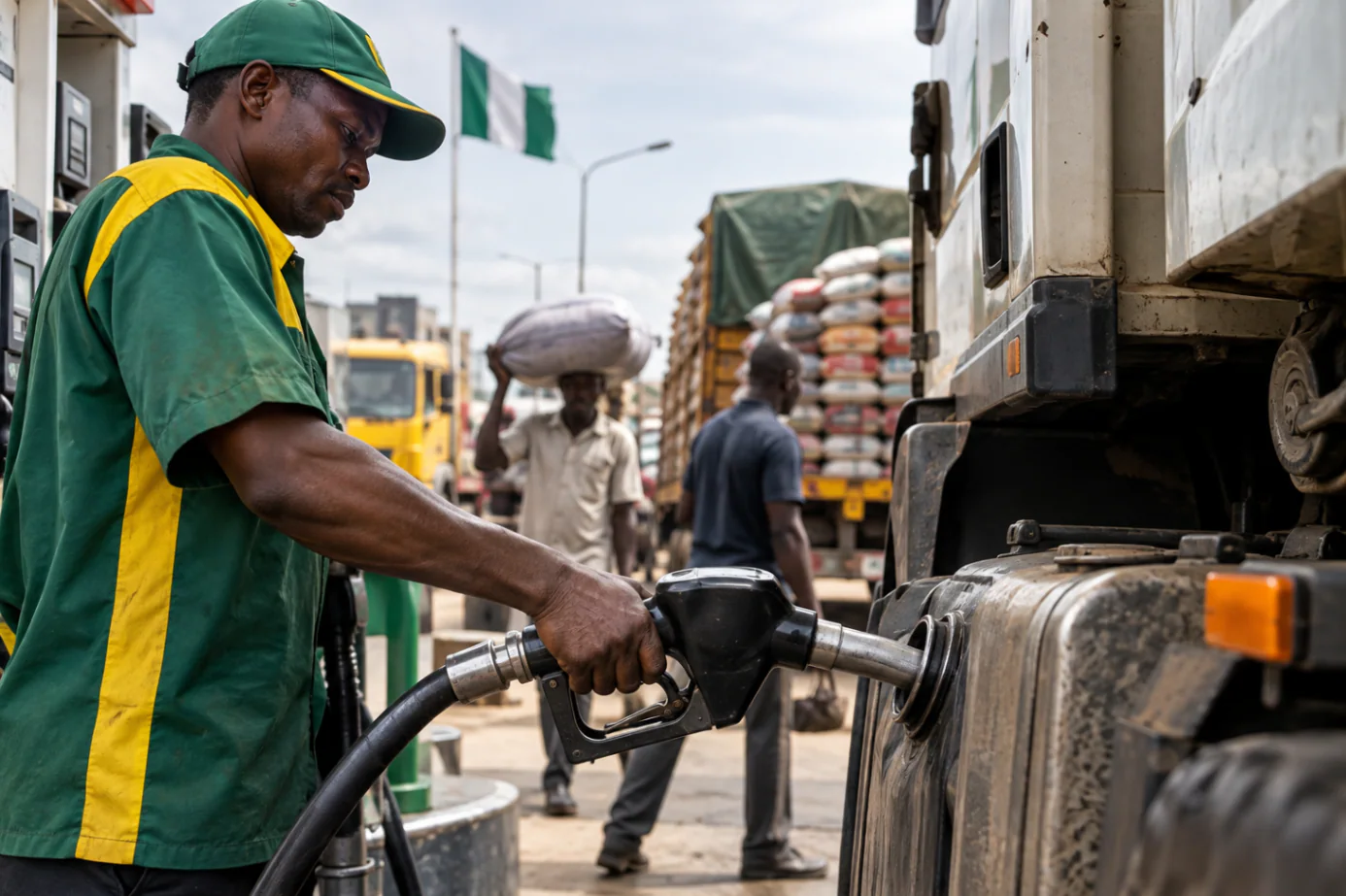
Petrol prices have climbed to as high as ₦1,500 per litre in parts of northern Nigeria, while motorists in Lagos and Abuja are paying around ₦1,400 as the surge in international oil prices puts fresh pressure on Nigeria’s deregulated fuel market.
The latest increase comes as Brent crude remains above $100 per barrel amid continuing disruptions and uncertainty in the global oil market.
Reuters reported on Monday that petrol was selling for about ₦1,400 per litre in Lagos and Abuja, while some filling stations in northern Nigeria were charging as much as ₦1,500.
Diesel prices have also moved above ₦2,000 per litre, adding another layer of pressure on businesses and transport operators.
Why Petrol Prices Are Rising
The latest price increases are closely linked to the sharp rise in international crude oil prices.
Global oil prices have surged as the Middle East conflict disrupts energy supplies and raises concerns about the availability and cost of crude and refined petroleum products.
Nigeria’s downstream petroleum market is largely deregulated, meaning petrol prices can move in response to changes in crude costs, refined-product prices, logistics, exchange rates and other market conditions.
Dangote Refinery, Africa’s largest refinery, has also raised its petrol wholesale price.
On September 12, the refinery increased its petrol gantry price from ₦1,265 to ₦1,350 per litre.
That was the fourth increase in its gantry price since August 21, taking the cumulative increase to ₦185 per litre, or about 15.9 per cent in 22 days.
Why Dangote Refinery Has Not Prevented Higher Prices
The latest price surge has highlighted the limits of domestic refining in protecting Nigerian consumers from international oil-market movements.
Dangote Refinery is currently operating at its full capacity of about 700,000 barrels per day.
However, the refinery still needs crude oil as feedstock, and the cost of that crude is affected by international market conditions.
Reuters reports that the refinery has had to import significant volumes of crude because domestic supplies have not been sufficient to meet all of its requirements.
As international crude prices rise, the higher cost can therefore feed through to the price of refined products.
This means that having a large refinery operating domestically does not automatically insulate Nigeria from global oil-price shocks.
The Impact on Transport
The higher petrol price is already creating additional pressure for transport operators.
Drivers who depend on petrol face higher daily operating costs, while businesses that rely on road transportation must spend more to move workers, goods and supplies.
If the increase persists, transport operators may respond by raising fares.
That can then affect the prices of food and other goods because transportation is part of the cost of getting products from farms, factories and warehouses to consumers.
Businesses Feel the Pressure
Small businesses are also exposed to the increase because many depend on petrol-powered generators, vehicles and other equipment.
Higher fuel costs can therefore affect businesses even when they do not sell petroleum products.
A restaurant, shop, farm, delivery company or small manufacturer may have to spend more on electricity generation, transportation or distribution.
Those additional costs can eventually be passed on to customers through higher prices.
Inflation Could Face Fresh Pressure
Nigeria’s latest inflation figures showed some improvement in August, with headline inflation falling slightly from 15.43 per cent in July to 15.39 per cent.
However, another sustained increase in energy and transportation costs could put renewed pressure on inflation.
Food prices could also be affected if higher fuel costs increase the cost of transporting agricultural products and other essential goods.
The situation is particularly significant because Nigerians are already dealing with elevated living costs.
Global Oil Prices Remain the Key Risk
The direction of petrol prices in Nigeria will partly depend on what happens in the international oil market.
If crude prices remain elevated for an extended period, domestic fuel costs could remain under pressure.
The Nigeria Labour Congress has called for measures to protect households from the impact of rising fuel prices, including increased wage support and greater access to domestically produced crude for local refining.
For motorists, however, the immediate reality is already visible at filling stations: petrol that was selling for around ₦1,200 a litre only weeks ago is now around ₦1,400 in major cities, with some northern locations reaching ₦1,500.
Key Facts
• Petrol has reached about ₦1,500 per litre at some filling stations in northern Nigeria.
• Prices in Lagos and Abuja are around ₦1,400 per litre.
• Diesel prices have risen above ₦2,000 per litre.
• Dangote Refinery raised its petrol gantry price to ₦1,350 per litre on September 12.
• The refinery has increased its gantry price four times since August 21.
• Dangote Refinery is operating at about 700,000 barrels per day.
• Brent crude remains above $100 per barrel amid global supply concerns.
• Nigeria’s August headline inflation rate was 15.39 per cent.
Tags
PUBLISHER NOTE
About Talk Ya True
Talk Ya True publishes independent reporting and analysis with clear attribution, source transparency and corrections when needed.
Related Articles

Nigeria
37 Suspected Illegal Miners Die in NSCDC Custody as Tinubu Orders Independent Probe
Business
Nigeria’s Inflation Falls to 15.39% as Food Price Pressure Eases
Business
Nigeria’s Oil Output Hits 1.68m Barrels Per Day as OPEC Compliance Continues

World
Diezani’s UK Acquittal Won’t End Nigeria’s Probe, HEDA Says
Stay Informed
Get the latest stories from Nigeria.
Free news updates. Unsubscribe anytime.
By subscribing, you agree to receive free news updates from Talk Ya True. You can unsubscribe at any time.