Nigeria
Nigeria Confirms Planned Exit of 200 US Military Personnel as Defence HQ Says Security Partnership Will Continue
Nigeria has confirmed that about 200 United States military personnel deployed to support the country’s counterterrorism efforts are being withdrawn. The Defence Headquarters says the move is part of an evolving security engagement and does not signal the end of cooperation between Abuja and Washington, with intelligence sharing, training and technical assistance expected to continue.
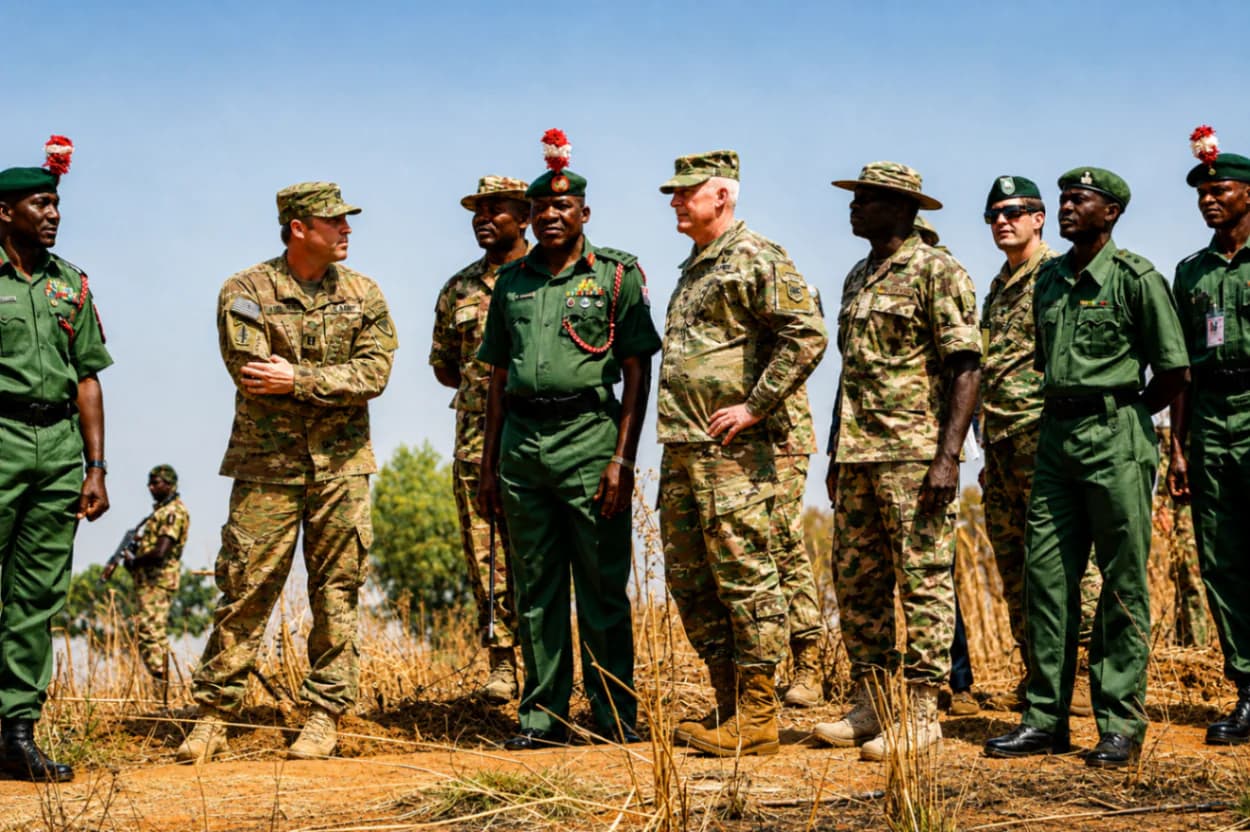
Nigeria has confirmed the planned withdrawal of about 200 United States military personnel deployed to the country earlier this year to support efforts against terrorism and other security threats.
The Defence Headquarters said the withdrawal should not be interpreted as a breakdown in relations between Nigeria and the United States, stressing that the two countries will continue working together on intelligence, training and other areas of security cooperation.
Director of Defence Information, Major-General Samaila Uba, gave the clarification during a security briefing in Abuja on Tuesday.
According to Uba, the American personnel were deployed for specific operational and counterterrorism objectives, meaning that adjustments to their numbers are part of the changing nature of the engagement.
“The relationship between both countries remains strong, enduring and mutually beneficial,” Uba said, according to reports of the briefing.
WHY ARE THE US TROOPS LEAVING?
The planned withdrawal follows months of intensified military cooperation between Nigeria and the United States.
About 200 US personnel were deployed in February 2026 amid increased security cooperation between the two countries.
Their role included intelligence gathering, training and technical support for Nigerian security forces fighting terrorist groups, particularly in northern Nigeria.
US officials have also linked the deployment to counterterrorism operations targeting Islamic State-linked militants in the Lake Chad Basin.
The deployment was relatively small compared with the size of Nigeria’s security forces, but American and Nigerian officials have described the intelligence and operational cooperation as significant.
A MAJOR COUNTERTERRORISM OPERATION
One of the most significant developments during the period of increased cooperation was a joint US-Nigerian operation against Islamic State militants in May.
The operation targeted Abu-Bilal al-Minuki, whom US officials described as a senior Islamic State leader in the Lake Chad Basin.
The operation was supported by intelligence cooperation between the two countries and was followed by further strikes against militant positions.
US Africa Command later said the operation significantly weakened Islamic State leadership in the region.
The operation has been cited by US officials as one of the major achievements of the expanded security partnership.
However, the withdrawal does not mean that the security threat has disappeared.
NIGERIA'S SECURITY CHALLENGE REMAINS
Nigeria continues to face attacks from terrorist organisations, bandit groups and other armed criminal networks.
The country's security challenges are also not limited to the northeast.
While Boko Haram and ISWAP remain major threats in the northeast, banditry and kidnapping continue to affect parts of the northwest and north-central regions.
This means the withdrawal of the larger US contingent comes at a time when Nigeria still faces significant security challenges.
The Associated Press reported that analysts have questioned how much the deployment changed the broader security situation, despite the operational successes reported by both countries.
WHAT WILL HAPPEN AFTER THE WITHDRAWAL?
The withdrawal does not mean that the United States is ending its military relationship with Nigeria.
According to the Nigerian Defence Headquarters, intelligence sharing, training, technical assistance and information exchange will continue.
Smaller teams of US military trainers and intelligence personnel are also expected to remain in Nigeria.
This means the relationship is shifting from a larger temporary deployment towards a more limited security partnership focused heavily on intelligence and capacity building.
The US Africa Command has similarly stated that the wider US-Nigeria security partnership remains active and that the number of American personnel in Nigeria can change according to operational requirements.
DEFENCE HEADQUARTERS RESPONDS TO CONCERNS
The announcement of the withdrawal has generated questions about whether Nigeria could lose important counterterrorism capabilities.
The Defence Headquarters has attempted to address those concerns.
Major-General Uba emphasised that responsibility for Nigeria's defence ultimately rests with Nigerian security forces.
He explained that US cooperation is intended to strengthen Nigeria's capabilities rather than replace the Nigerian military.
The partnership provides Nigeria with access to intelligence, training, technical expertise and other forms of professional military assistance.
Where both countries determine that additional joint operations are necessary, cooperation can still take place, according to the Defence Headquarters.
A CHANGE IN STRATEGY, NOT AN END TO COOPERATION
The development is therefore better understood as a change in the scale and nature of US involvement rather than a complete American withdrawal from Nigeria.
The larger contingent was deployed to support specific counterterrorism objectives.
With some of those objectives considered achieved, the number of US personnel can now be reduced while other forms of cooperation continue.
US officials have previously described the Nigerian deployment as an example of how a relatively limited American presence can support local forces through intelligence, specialised training and targeted capabilities.
WHAT THIS MEANS FOR NIGERIA
For Nigeria, the most important question is whether the country can maintain and build on the capabilities developed during the period of increased US cooperation.
The withdrawal places greater emphasis on the ability of Nigerian forces to independently gather intelligence, identify terrorist networks, conduct operations and protect vulnerable communities.
It also means that the continuation of intelligence sharing could be just as important as the physical presence of American personnel.
A smaller American footprint does not necessarily mean less cooperation if the intelligence and technical relationship remains strong.
However, Nigeria will still need to address the broader causes and forms of insecurity affecting different parts of the country.
TALK YA TRUE ANALYSIS
The headline “US troops leaving Nigeria” could easily create the impression that Washington is abandoning Nigeria.
The facts point to something more complicated.
The United States is reducing the number of military personnel deployed in Nigeria, but it is not ending its security relationship with Abuja.
That distinction matters.
Nigeria's security crisis is too broad to be solved simply by bringing in a few hundred foreign personnel.
The real test is whether Nigerian forces can use the intelligence, training and technical capabilities gained through the partnership to sustain pressure on terrorist groups after the larger US contingent leaves.
There is also another important lesson.
Foreign military assistance can provide intelligence, technology and specialised expertise, but Nigeria still needs strong domestic security institutions capable of using those resources effectively.
The withdrawal therefore should not simply be viewed as good news or bad news.
It is a test of what Nigeria can do with the capabilities and intelligence partnerships that have been developed.
If cooperation continues and Nigerian forces maintain operational pressure on terrorist groups, the smaller US presence may have limited impact on the broader security campaign.
But if the withdrawal creates gaps in intelligence, surveillance or technical capabilities, those gaps could become significant.
For Nigerians, the most important issue is not how many American soldiers remain in the country.
It is whether communities become safer.
FINAL WORD
Nigeria has confirmed the planned withdrawal of approximately 200 US military personnel deployed earlier this year, but the Defence Headquarters says the decision does not represent the end of the Nigeria-US security partnership.
Intelligence sharing, training, technical assistance and other forms of cooperation are expected to continue, while smaller teams of American trainers and intelligence personnel may remain in the country.
The larger question now is whether Nigeria can translate the experience and capabilities gained during the expanded partnership into sustained improvements on the ground.
The withdrawal may reduce the American military footprint.
It does not, however, remove Nigeria's responsibility to confront the country's security challenges.
KEY FACTS
Country: Nigeria
Country providing military personnel: United States
Personnel affected: Approximately 200
Initial deployment: February 2026
Main areas of support: Intelligence, training and technical assistance
Major counterterrorism operation: May 2026
Key militant figure targeted: Abu-Bilal al-Minuki
US position: Main contingent to be withdrawn, with continued security cooperation
Nigerian Defence Headquarters position: Withdrawal does not mean the security partnership is ending
Continued cooperation: Intelligence sharing, training, information sharing and technical assistance
Smaller US teams: Expected to remain
Primary responsibility for Nigeria's security: Nigerian security forces
Status: Planned withdrawal; security cooperation continues
Tags
PUBLISHER NOTE
About Talk Ya True
Talk Ya True publishes independent reporting and analysis with clear attribution, source transparency and corrections when needed.
Related Articles
Nigeria
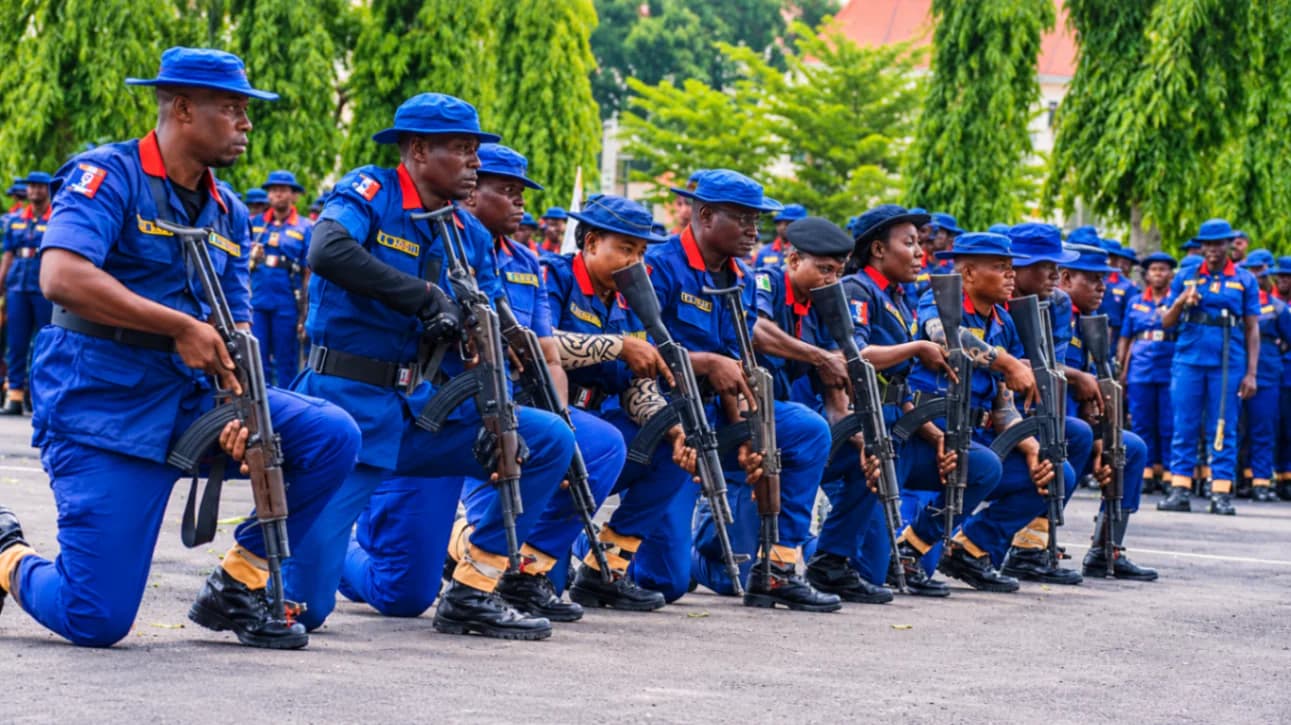
37 Suspected Illegal Miners Die in NSCDC Custody as Tinubu Orders Independent Probe
Business
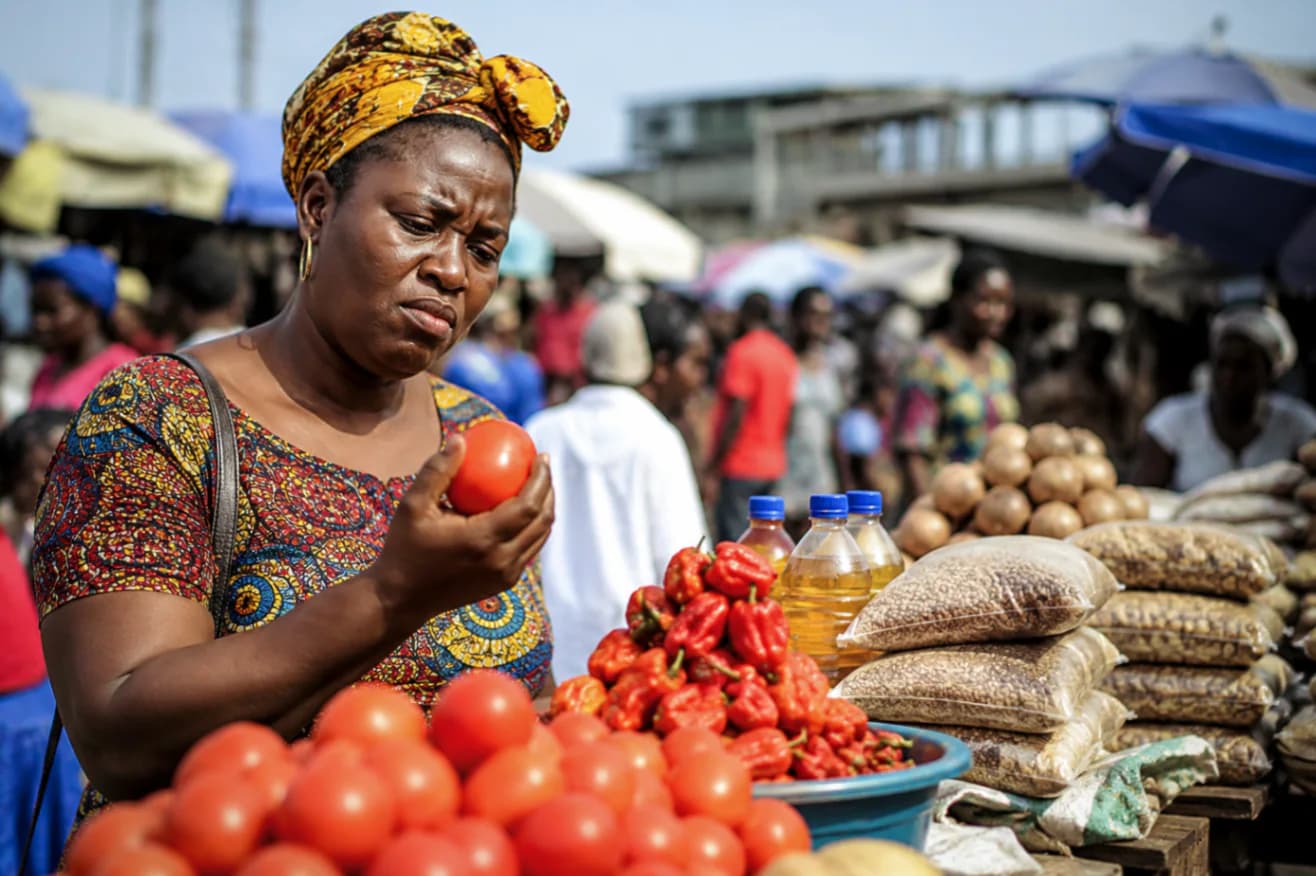
Nigeria’s Inflation Falls to 15.39% as Food Price Pressure Eases

Business
Nigeria’s Oil Output Hits 1.68m Barrels Per Day as OPEC Compliance Continues
World
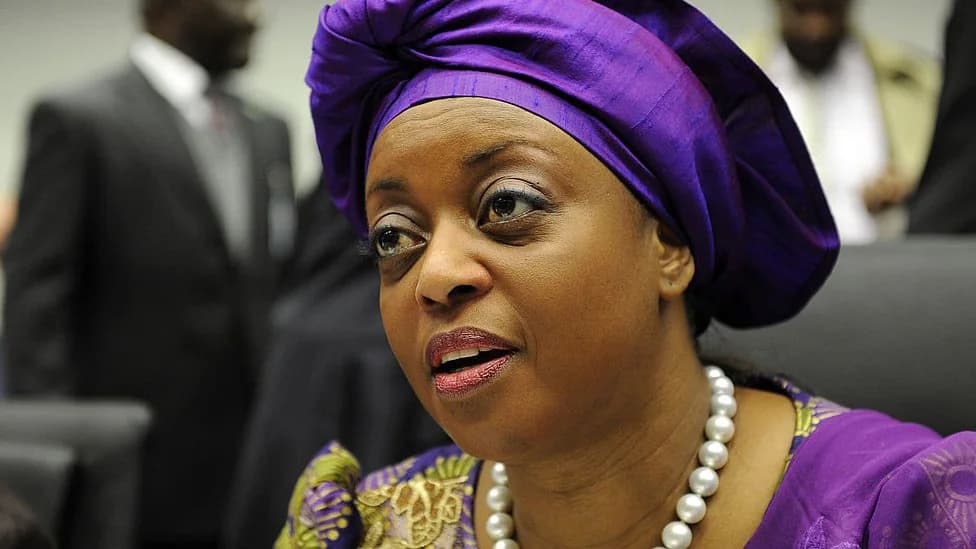
Diezani’s UK Acquittal Won’t End Nigeria’s Probe, HEDA Says
Stay Informed
Get the latest stories from Nigeria.
Free news updates. Unsubscribe anytime.
By subscribing, you agree to receive free news updates from Talk Ya True. You can unsubscribe at any time.