Africa
Nigeria Halts Parliamentary Engagements With South Africa Amid Rising Xenophobic Violence
Nigeria’s National Assembly has suspended official parliamentary visits and legislative engagements with South Africa over recurring attacks against Nigerians and other African migrants. The move comes amid growing concerns over the safety of Nigerians living and doing business in South Africa.
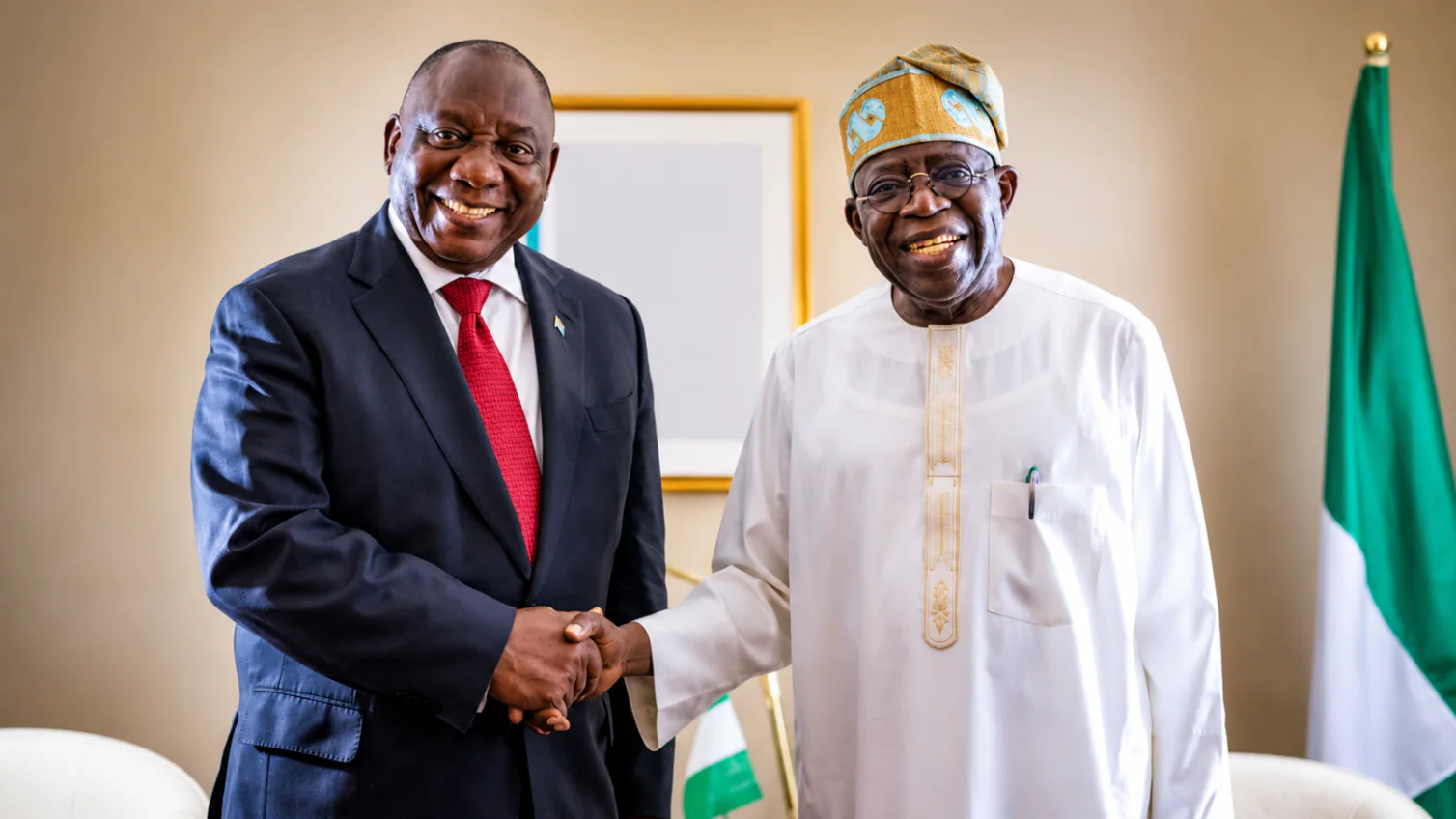
Nigeria’s National Assembly has suspended official parliamentary visits and legislative engagements with South Africa, citing growing concerns over recurring attacks against Nigerians and other African migrants in the country.
The decision, announced on Friday, September 11, 2026, directs Nigerian lawmakers to stop official travel to South Africa and refrain from participating in legislative meetings, conferences and other activities hosted or organised by South African institutions until further notice.
The move comes amid renewed tensions over xenophobic violence targeting foreign nationals in South Africa, with Nigerian authorities increasingly raising concerns about the safety of Nigerian citizens, businesses and investments.
According to Nigerian officials, at least 98 Nigerians have died in mob attacks, hate-related violence and extrajudicial killings in South Africa since 2022.
Nigeria’s Acting High Commissioner to South Africa also reported that 1,695 Nigerians have voluntarily left the country in 2026 amid the worsening xenophobia-related tensions.
National Assembly spokesperson Akin Rotimi said the parliamentary decision was intended to express concern over the safety, dignity and welfare of Nigerians living and conducting legitimate businesses in South Africa.
The suspension means Nigerian legislators will not undertake official visits to South Africa or participate in meetings organised by South African legislative institutions.
However, the decision does not amount to a suspension of diplomatic relations between Nigeria and South Africa. Government-to-government visits and meetings are not covered by the parliamentary directive.
The latest development follows months of tension between the two countries.
In June, anti-migrant protests and attacks in parts of South Africa intensified, with Nigerian officials reporting the deaths of two Nigerians. One was allegedly killed by police officers, while another was reportedly killed by unidentified attackers.
Nigeria subsequently engaged South African authorities over the safety of its citizens.
In July, South African Foreign Minister Ronald Lamola travelled to Abuja for discussions with Nigerian officials. South Africa reiterated its opposition to xenophobia and said perpetrators of violence should face the law.
During those discussions, Nigeria also sought stronger protection for its citizens, including increased police protection in areas vulnerable to attacks and greater accountability for those responsible.
The parliamentary boycott now represents a stronger political response from Nigeria's lawmakers after previous diplomatic efforts failed to completely ease concerns over attacks on Nigerians.
South Africa and Nigeria are among Africa’s largest economies and have maintained extensive political, commercial and people-to-people ties for decades. Nigerian businesses and nationals have established significant interests in South Africa, while South African companies also operate extensively in Nigeria.
The latest parliamentary action therefore adds another layer of pressure to already strained relations between the two countries.
For Nigerians living in South Africa, the immediate concern remains safety and protection from violence, while Abuja faces pressure to ensure that diplomatic engagement produces concrete safeguards for its citizens.
Key Facts
Nigeria’s National Assembly has suspended official parliamentary visits and legislative engagements with South Africa.
Nigerian lawmakers have been directed to boycott South African-hosted legislative activities until further notice.
The directive does not suspend government-to-government diplomatic meetings.
Nigerian officials say at least 98 Nigerians have died in mob attacks, hate-related violence and extrajudicial killings in South Africa since 2022.
About 1,695 Nigerians have voluntarily left South Africa in 2026 amid xenophobia-related tensions.
Nigeria and South Africa held diplomatic discussions in Abuja in July over the attacks.
South Africa has publicly condemned xenophobia and said perpetrators should be dealt with through the law.
Sources
Reuters — Nigeria parliament boycotts South Africa events over anti-migrant attacks, September 11, 2026
Associated Press — Nigeria’s parliament suspends engagements with South Africa over anti-migrant violence, September 11, 2026
Federal Ministry of Information and National Orientation, Nigeria — Citizens Diplomacy updates on Nigerians repatriated from South Africa
PUNCH — National Assembly suspends official visits to South Africa, September 11, 2026
PUBLISHER NOTE
About Talk Ya True
Talk Ya True publishes independent reporting and analysis with clear attribution, source transparency and corrections when needed.
Related Articles
Nigeria
37 Suspected Illegal Miners Die in NSCDC Custody as Tinubu Orders Independent Probe
Africa
Six Nigerians Extradited to US Over Alleged $6.2 Million Romance Scam Targeting American Women
Africa
Nigeria Suspends Parliamentary Engagements With South Africa Over Attacks on Nigerians
Nigeria
FG to Give 5 Million Nigerian Students 100MB Free Daily Data From October
Stay Informed
Get the latest stories from Nigeria.
Free news updates. Unsubscribe anytime.
By subscribing, you agree to receive free news updates from Talk Ya True. You can unsubscribe at any time.