Africa
Nigerian, South African Lawmakers Clash Over How to Describe Anti-Migrant Violence at Malawi Conference
A disagreement over the use of the word “xenophobia” has exposed fresh tensions between Nigerian and South African lawmakers at a parliamentary conference in Malawi, with the two delegations offering sharply different descriptions of violence and hostility directed at foreign nationals in South Africa.
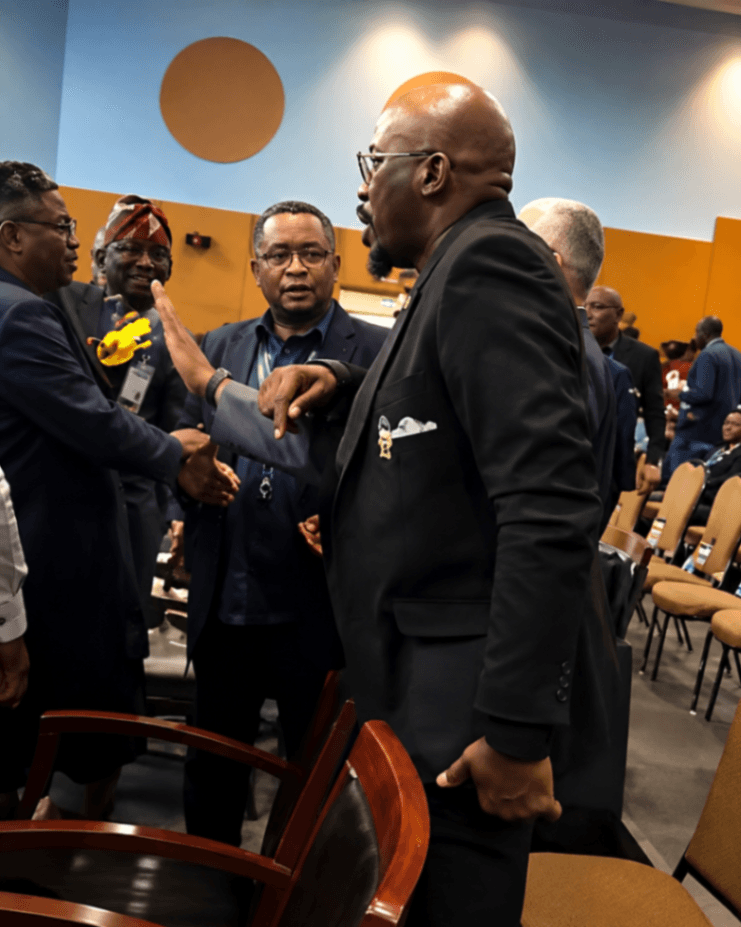
A debate over the treatment of foreign nationals in South Africa turned heated between Nigerian and South African lawmakers during the 55th Commonwealth Parliamentary Association Africa Region Conference in Lilongwe, Malawi.
The disagreement centred on a seemingly simple question: Should recent attacks and hostility against foreign nationals in South Africa be described as xenophobia?
Nigerian lawmakers argued that the term was appropriate, particularly given reports of violence, intimidation and attacks involving Nigerians and other African nationals living in South Africa.
South African representatives, however, reportedly objected to framing the issue exclusively as xenophobia and pushed for greater emphasis on illegal immigration and the enforcement of immigration laws.
The disagreement has attracted considerable attention because it comes at a particularly sensitive moment in relations between Nigeria and South Africa.
Why the argument matters
Nigeria and South Africa have been dealing with renewed diplomatic tensions following a wave of anti-immigrant attacks and protests in South Africa.
Nigerian officials have accused South African vigilante groups of targeting Nigerians and other foreign nationals, while Pretoria has maintained that the South African government does not support xenophobia and that immigration offences should be handled through the law.
Nigeria has also raised concerns that Nigerians with valid residence or work permits have been caught up in the violence, arguing that the problem cannot simply be reduced to illegal immigration.
During diplomatic discussions in July, Nigerian officials said at least 98 Nigerians had been killed in xenophobic attacks since 2022, while approximately 1,490 Nigerians had been evacuated from South Africa following the latest unrest. South Africa, for its part, said it opposed xenophobia and discrimination and that perpetrators of violence should face prosecution.
The disagreement in Malawi
Against that background, the terminology debate at the Commonwealth parliamentary gathering quickly became politically significant.
The Nigerian position was that describing the attacks as merely an immigration problem risked overlooking the treatment of foreign nationals because of their nationality.
South African lawmakers, according to reports and social-media accounts from the conference, argued that the discussion should also address undocumented migration and the enforcement of immigration rules.
The dispute therefore reflects two different approaches to the same crisis.
For Nigeria, the concern is primarily the safety and protection of its citizens living in South Africa.
For South Africa, the issue also involves the country's right to enforce immigration laws and address concerns surrounding undocumented migrants.
What people are saying on X
The confrontation quickly moved beyond the conference room, with users on X weighing in on both sides.
Some users strongly backed the Nigerian delegation and argued that South Africa was attempting to avoid the word “xenophobia” despite the reported attacks against foreign nationals.
One X user described the Nigerian delegates as having “stripped the mask off” what they viewed as South African hypocrisy, while arguing that xenophobia violates broader African commitments to human rights.
Other users took a more cautious position, arguing that the discussion should distinguish between xenophobic violence and legitimate immigration enforcement. Some posts echoed the South African argument that undocumented immigration is a separate issue that should not automatically be labelled xenophobia.
Another strand of the online conversation focused on the distinction between undocumented and documented migrants. Some users argued that if people with legal status are also being targeted, then describing the situation purely as an immigration-enforcement problem would be inadequate.
The reactions show why the terminology has become so contentious: the word used to describe the violence also influences how responsibility and the appropriate response are understood.
A wider Nigeria-South Africa dispute
The argument in Malawi comes after several weeks of heightened tension between the two countries.
Nigeria's National Assembly has condemned attacks on Nigerians in South Africa, while lawmakers have debated possible diplomatic and economic responses. The Senate has considered measures ranging from stronger diplomatic pressure to possible action against South African companies operating in Nigeria, although some of the more severe proposals were held back pending further investigation.
The Federal Government has also pressed South Africa to strengthen protection for Nigerians and other foreign nationals and to prosecute those responsible for attacks.
At the same time, South African officials have insisted that the government does not condone xenophobia and that criminal activity should be addressed through the justice system rather than vigilante violence.
The bigger question
The disagreement between the lawmakers is unlikely to end with the Malawi conference.
At its heart is a broader debate over how African countries should respond when migration, unemployment, crime, national identity and violence against foreigners become intertwined.
Nigeria wants the safety of its citizens abroad to remain at the centre of the conversation.
South Africa wants its concerns about undocumented migration and immigration enforcement recognised alongside accusations of xenophobia.
For now, the exchange in Lilongwe has provided another public demonstration of how deeply divided the two countries remain over the issue.
And as the debate continues, the challenge for both governments will be finding a way to protect foreign nationals, enforce immigration laws and address criminality without allowing nationality to become a justification for violence or collective punishment.
What X is saying — in short
The online reaction is not one-sided:
🇳🇬 Pro-Nigeria: Some users praised Nigerian lawmakers for refusing to drop the term “xenophobia.”
🇿🇦 Pro-South Africa: Others argued that illegal immigration and enforcement cannot simply be labelled xenophobia.
⚖️ Middle ground: Some users said both issues can exist simultaneously — countries can enforce immigration laws while still being required to protect migrants from violence.
🔥 Main criticism: Several reactions focused on the apparent attempt to turn the terminology itself into the central argument rather than addressing the underlying violence.
That distinction is important for our article because we shouldn't write “X erupted in outrage” or “Nigerians overwhelmingly praised...” when the material I found shows a mixture of positions.
Tags
PUBLISHER NOTE
About Talk Ya True
Talk Ya True publishes independent reporting and analysis with clear attribution, source transparency and corrections when needed.
Related Articles
Business
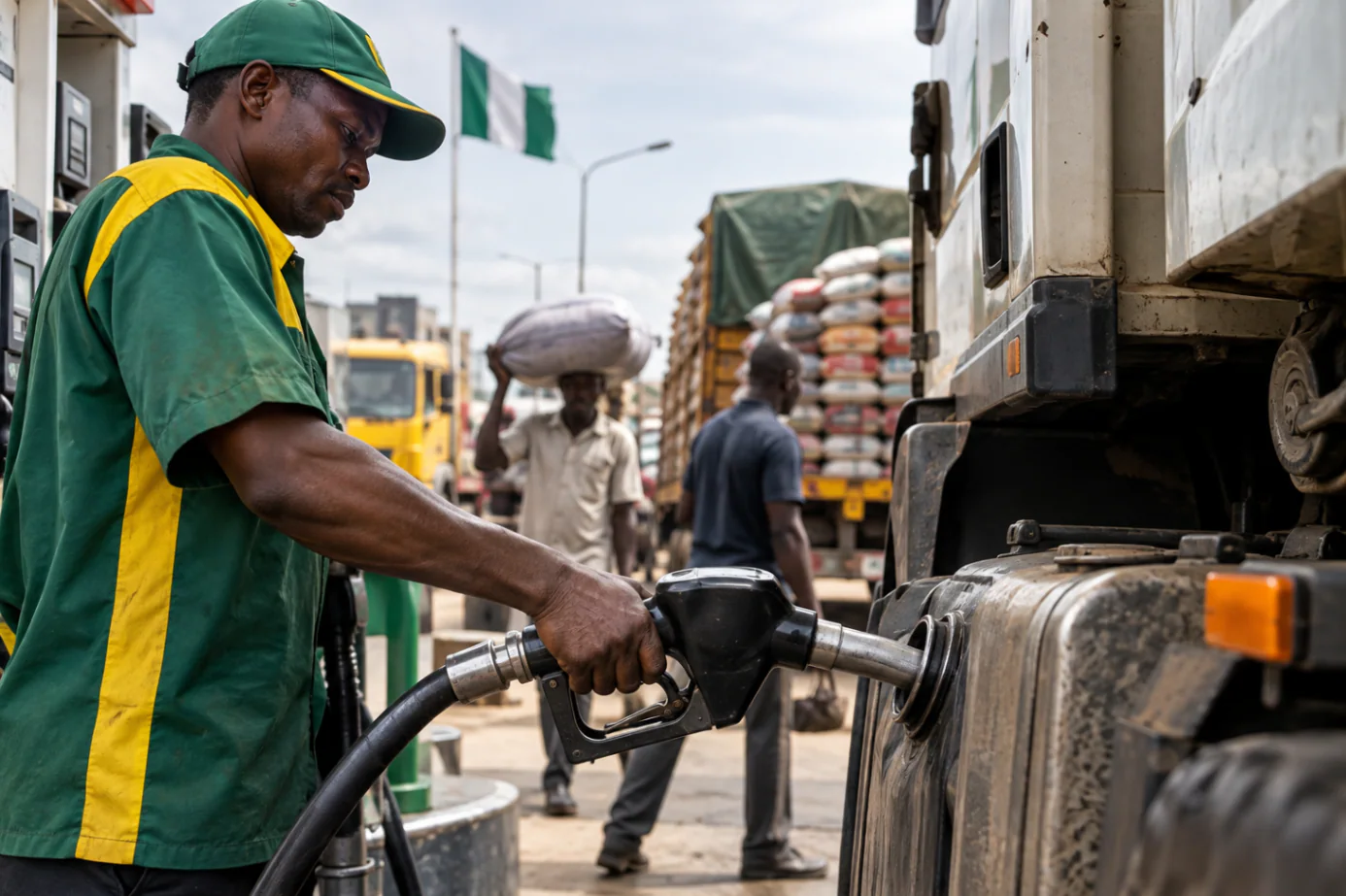
Petrol Hits ₦1,500 in Parts of Nigeria as Global Oil Surge Deepens Fuel Crisis
Nigeria
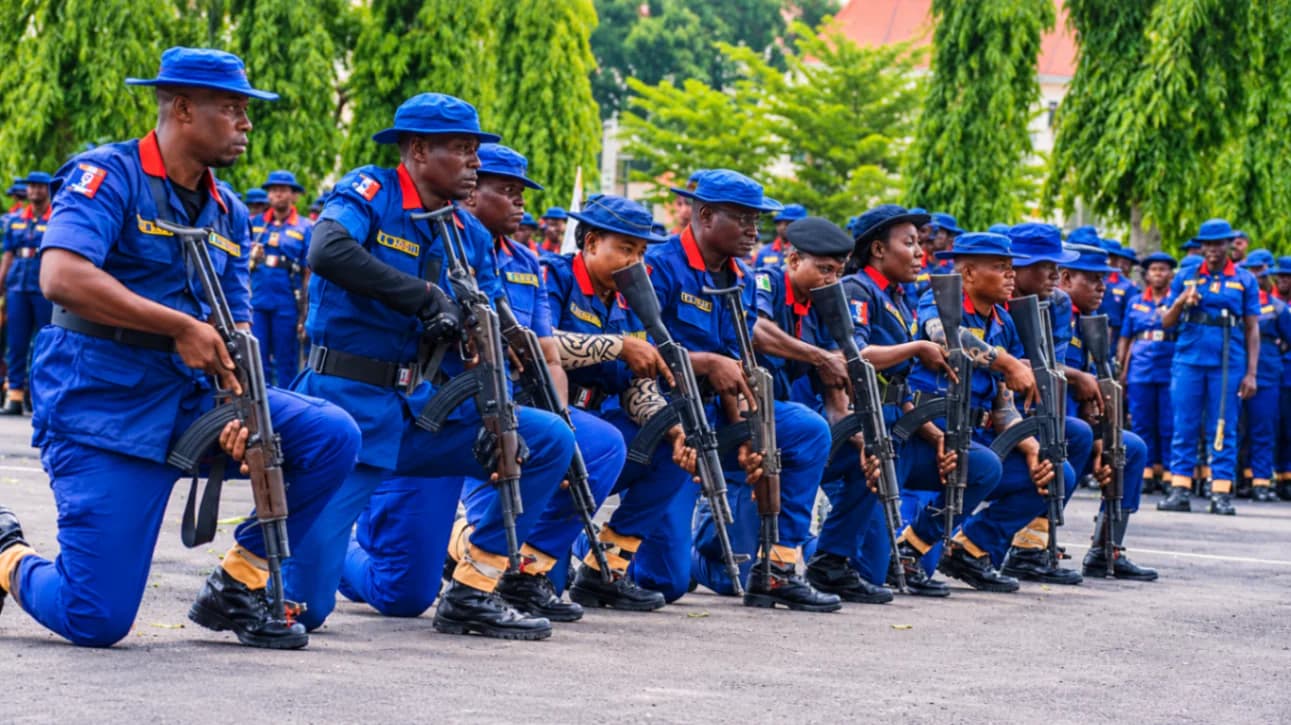
37 Suspected Illegal Miners Die in NSCDC Custody as Tinubu Orders Independent Probe
Business
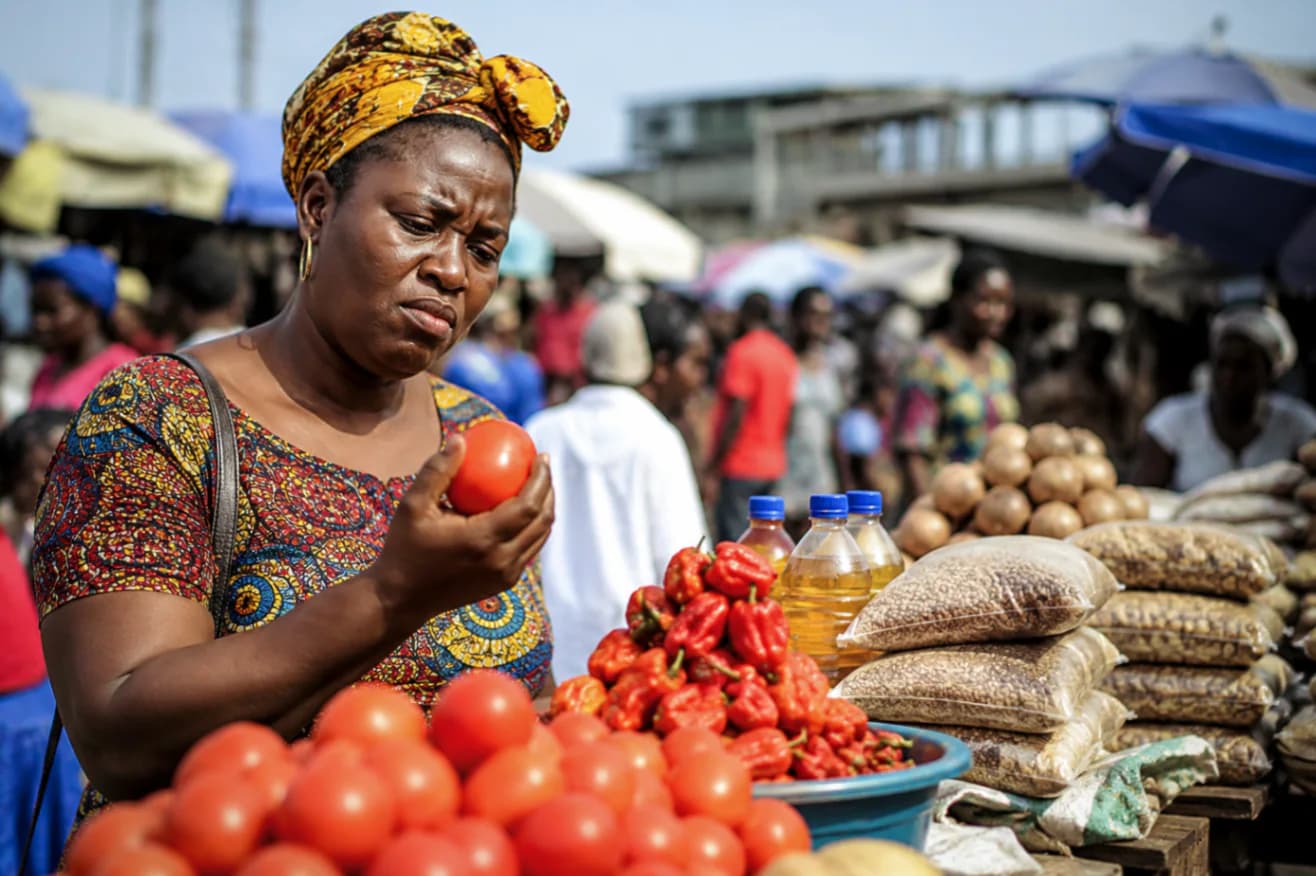
Nigeria’s Inflation Falls to 15.39% as Food Price Pressure Eases

Business
Nigeria’s Oil Output Hits 1.68m Barrels Per Day as OPEC Compliance Continues
Stay Informed
Get the latest stories from Nigeria.
Free news updates. Unsubscribe anytime.
By subscribing, you agree to receive free news updates from Talk Ya True. You can unsubscribe at any time.