Business
Nigeria’s Foreign Reserves Hit $52.83 Billion as Naira Holds Relatively Steady
Nigeria’s foreign exchange reserves have climbed to $52.83 billion, gaining about $7.27 billion since the beginning of 2026. The increase strengthens the country’s external financial buffer and could support confidence in the naira, although analysts and businesses will be watching to see whether the stronger reserves translate into greater stability in the foreign-exchange market.
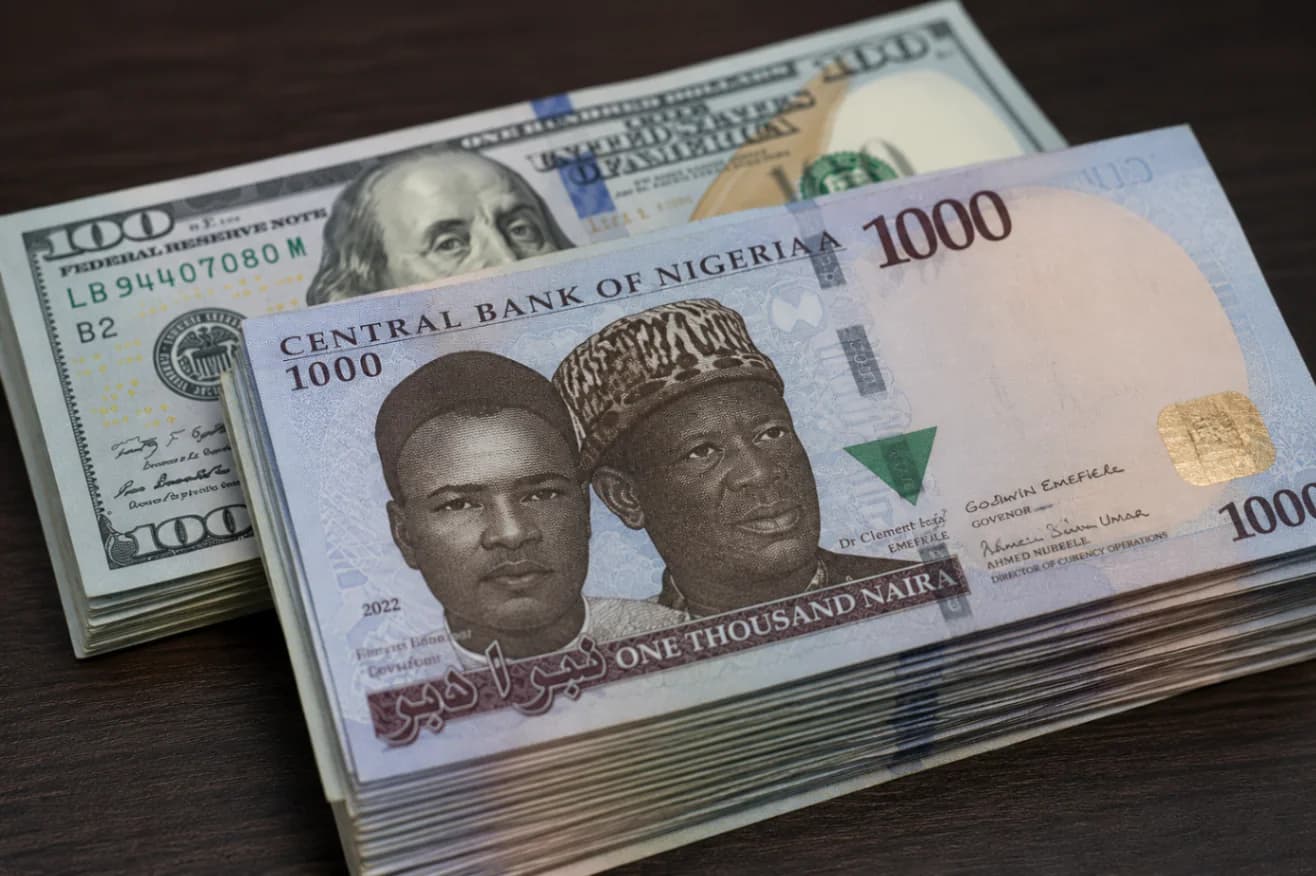
Nigeria's economic picture has received another potentially positive development, with the country's foreign exchange reserves rising to $52.83 billion as of August 21, 2026.
Data from the Central Bank of Nigeria (CBN) shows that the reserves have increased by approximately $7.27 billion, or 15.95%, since the beginning of the year.
The increase is significant because foreign reserves are one of the key indicators investors watch when assessing a country's ability to meet international obligations and manage pressure on its currency.
But what does the number actually mean for ordinary Nigerians?
What Are Foreign Reserves?
Foreign exchange reserves are assets held by a country's central bank, typically in foreign currencies and other internationally recognised assets.
For Nigeria, these reserves are particularly important because the country relies heavily on international trade.
Nigeria needs foreign currency to pay for imports, service certain external obligations and support transactions involving international businesses.
A stronger reserve position can therefore give policymakers a larger financial buffer.
Why $52.83 Billion Matters
Nigeria entered 2026 with considerably less in its external reserves.
The latest CBN figures show that reserves have gained roughly $7.27 billion in less than eight months.
That represents a substantial increase.
For investors, the improvement can signal that Nigeria's external position is becoming stronger.
It can also provide the Central Bank with more room to respond to periods of pressure in the foreign-exchange market.
However, reserves alone cannot guarantee that the naira will continuously appreciate.
The exchange rate is influenced by many factors, including dollar demand, oil earnings, imports, capital flows and monetary policy.
The Naira Has Remained Relatively Stable
The reserve increase comes as the naira has remained broadly stable in the official foreign-exchange market.
On Monday, the naira closed at around ₦1,346.97 per dollar, compared with ₦1,346.49 the previous week, according to market data.
That is a relatively small movement.
For businesses and consumers, stability can sometimes be just as important as a stronger exchange rate.
A business importing machinery, raw materials or other goods needs to be able to estimate how much those purchases will cost.
Large currency swings make that much harder.
Does This Mean the Naira Will Strengthen?
Not necessarily.
A stronger reserve position can support the naira, but it does not automatically determine the exchange rate.
Nigeria still needs a steady supply of foreign currency entering the economy.
Oil earnings remain important, while foreign investment, exports and other dollar inflows also contribute to the country's external position.
If those inflows remain strong and demand for foreign currency is managed effectively, the improved reserve position could support greater exchange-rate stability.
Why Businesses Should Pay Attention
The development is particularly important for Nigerian businesses.
Companies that import equipment, machinery or raw materials are highly exposed to movements in the exchange rate.
When the naira loses value, imported inputs become more expensive.
Businesses may then have to increase prices to protect their margins.
If the exchange rate becomes more predictable, companies can plan more confidently.
That could eventually benefit consumers as well.
Could It Help Bring Down Prices?
This is where things become more complicated.
A stronger naira and greater exchange-rate stability could eventually reduce some imported-cost pressures.
But Nigerians should not expect the reserve increase to immediately make food, electronics, vehicles or other products cheaper.
Many prices have already risen significantly over the past few years.
A more stable currency can slow future increases without necessarily reversing previous price increases.
That is an important distinction.
Oil Still Matters
Nigeria's economy remains closely connected to the petroleum sector.
Oil and gas exports generate a significant portion of the country's foreign exchange.
When international oil prices are favourable and production remains strong, Nigeria can receive more foreign currency.
That can support reserve accumulation.
But dependence on oil also creates vulnerability.
A major decline in oil prices or production could put pressure on foreign-exchange earnings.
That is why long-term economic stability requires Nigeria to strengthen non-oil exports and diversify its sources of foreign currency.
A Stronger External Buffer
One of the biggest advantages of having higher reserves is the additional buffer they provide during periods of economic pressure.
If international conditions deteriorate, a country with stronger reserves generally has more capacity to meet external obligations and respond to foreign-exchange pressures.
This is particularly relevant at a time when global energy markets and geopolitical tensions remain unpredictable.
Nigeria cannot control international events.
But it can strengthen its financial position so that external shocks are easier to manage.
Investors Will Be Watching
Foreign investors pay close attention to reserve levels.
A country with growing reserves can appear more capable of meeting international obligations and maintaining economic stability.
That can help improve investor confidence.
But investors will also examine other indicators.
They will look at:
Inflation
Interest rates
Exchange-rate stability
Government debt
Economic growth
Tax policy
Security
Political stability
No single economic statistic tells the whole story.
The Cost-of-Living Problem Remains
Despite the encouraging reserve numbers, Nigeria still faces a major cost-of-living challenge.
Inflation has slowed, but many household expenses remain high.
Food prices remain a major concern.
Transportation costs remain significant.
Businesses continue to face high operating expenses.
That means the reserve increase should not be confused with an immediate improvement in household finances.
The real challenge is turning macroeconomic improvements into better living standards.
What Could Make the Difference?
Nigeria needs to convert stronger external reserves into broader economic stability.
That means maintaining a stable foreign-exchange market while increasing domestic production.
If Nigerian businesses can produce more goods locally, the country can reduce its dependence on imports.
That would reduce pressure on foreign currency.
More exports could also generate additional dollars.
Over time, this could create a stronger economic cycle.
Dangote Refinery Adds Another Dimension
The development is also taking place alongside major changes in Nigeria's petroleum trade.
According to the US Energy Information Administration, Nigeria's seaborne petroleum-product exports have increased seven-fold since 2023, with the Dangote refinery playing a major role in the increase.
The EIA says Nigeria's total seaborne petroleum-product shipments averaged 561,000 barrels per day in the second quarter of 2026, compared with an annual average of 79,000 barrels per day in 2023.
Of that amount, about 350,000 barrels per day were exported during the quarter.
That growing refining capacity could become increasingly important to Nigeria's external position.
Nigeria Is Trying to Change Its Economic Story
For years, Nigeria has struggled with a familiar problem.
The country produces crude oil but has historically imported large quantities of refined petroleum products.
That meant significant foreign exchange was spent importing fuel.
The expansion of domestic refining is changing that dynamic.
According to the EIA, increased domestic production has helped Nigeria reduce petroleum-product imports while increasing exports.
That is potentially important for both the country's trade balance and foreign-exchange position.
But Sustainability Is the Key
The biggest question now is whether the improvement can continue.
One month of stronger reserves would not be enough to declare victory.
Nigeria needs sustained reserve accumulation.
It needs a more stable currency.
It needs lower inflation.
It needs stronger exports.
And it needs economic growth that creates jobs and improves household incomes.
If all those indicators move in the right direction together, the improvement in reserves becomes much more meaningful.
What Does It Mean for Ordinary Nigerians?
For the average Nigerian, the $52.83 billion figure may initially sound distant from everyday life.
But its effects can eventually reach households.
A stronger external position can support currency stability.
Currency stability can help businesses plan.
More predictable business costs can support investment.
Investment can create jobs.
And greater economic activity can eventually improve household incomes.
But that process takes time.
The reserve figure itself does not automatically put more money into people's pockets.
The Bigger Picture
Nigeria's rising foreign reserves are undoubtedly an encouraging development.
A gain of approximately $7.27 billion since the beginning of the year represents a significant improvement in the country's external financial position.
But Nigerians should judge the development alongside other economic indicators.
The real success will be measured by whether Nigeria can maintain the reserve gains while stabilising the naira, controlling inflation, attracting investment and creating productive jobs.
The country has an opportunity to strengthen its economic foundation.
The question is whether policymakers can turn that opportunity into lasting prosperity.
Final Word
$52.83 billion is a big number.
But the real story is what Nigeria does with the stronger position it now has.
If reserves continue rising, the naira remains relatively stable, domestic production expands and investment increases, Nigeria could be moving towards a more resilient economy.
For ordinary Nigerians, however, the ultimate test remains simple:
Will the stronger economy eventually make life more affordable and predictable?
That is the number that will matter most.
Key Facts
Foreign reserves: $52.83 billion
Date: August 21, 2026
Increase since January: About $7.27 billion
Percentage increase: 15.95%
Institution: Central Bank of Nigeria (CBN)
Naira rate: Around ₦1,346.97 per US dollar
Main source of foreign exchange: Oil and other external inflows
Major related development: Rising refined petroleum exports
Main benefit: Stronger foreign-exchange buffer
Main challenge: Turning stronger reserves into lower living costs and greater economic stability
PUBLISHER NOTE
About Talk Ya True
Talk Ya True publishes independent reporting and analysis with clear attribution, source transparency and corrections when needed.
Related Articles

Nigeria
APC Rice Distribution in Osun Triggers Vote-Buying Debate Days Before Election
Nigeria
Kano's ₦1.5bn Mass Wedding Sparks Debate as 1,500 Couples Begin New Lives

Politics
Orji Kalu Calls for Two-Year Amnesty to Recover Nigeria's Allegedly Looted Funds

Politics
Showunmi Praises Seyi Tinubu After City Boy Movement Visit, Highlights Inclusive Leadership
Stay Informed
Get the latest stories from Nigeria.
Free news updates. Unsubscribe anytime.
By subscribing, you agree to receive free news updates from Talk Ya True. You can unsubscribe at any time.