Business
Nigeria’s Internet Subscriptions Hit 157.4 Million as Broadband Penetration Reaches 56.1%
Nigeria’s internet subscriber base rose to 157.4 million in May 2026, marking the tenth consecutive month of growth, while broadband penetration climbed to 56.1%. The latest figures point to continued expansion of digital connectivity across the country.
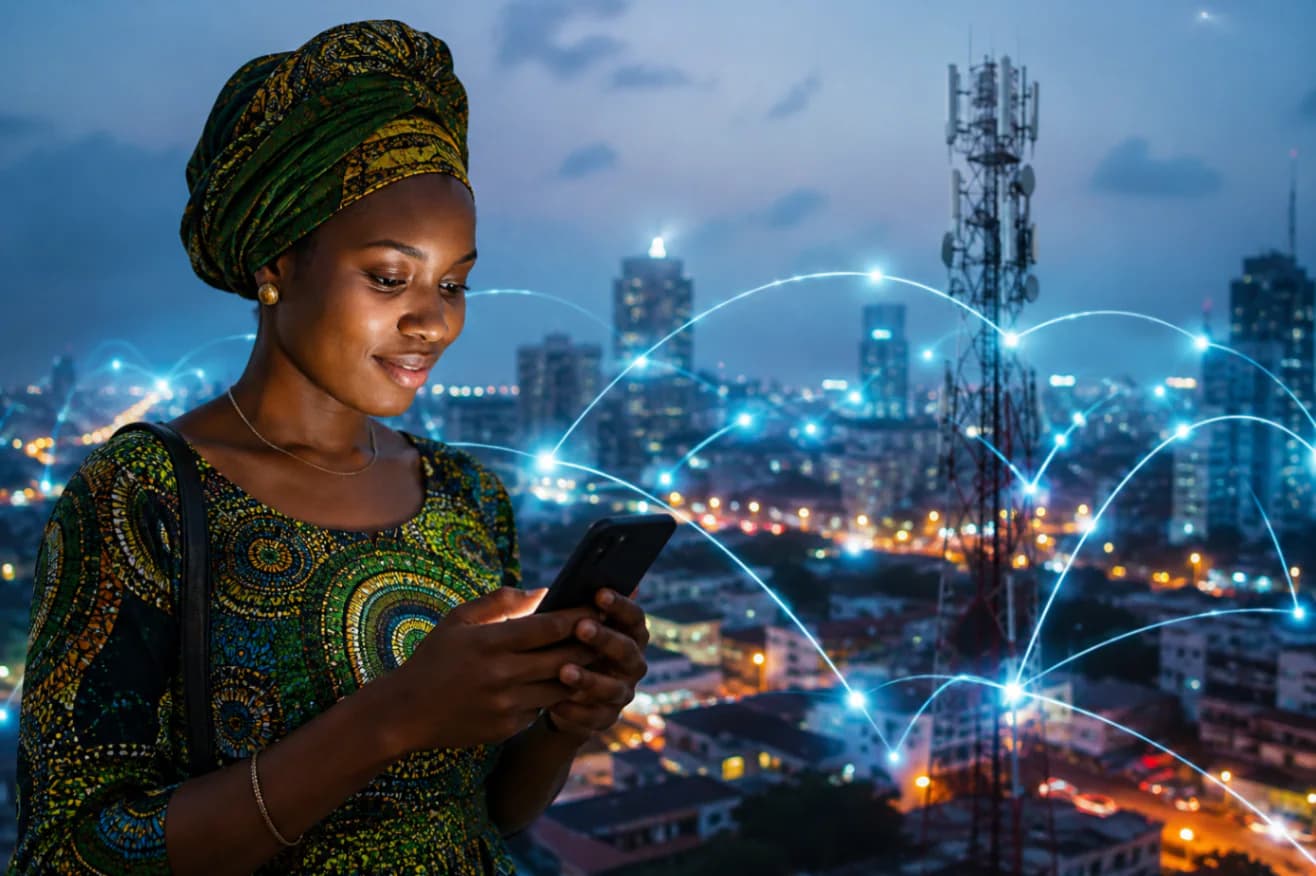
Nigeria’s internet market has continued to expand, with the country's total number of internet subscriptions reaching 157.4 million in May 2026, according to the latest figures from the Nigerian Communications Commission (NCC).
The latest data represents a 2% increase from April and an 11% rise compared with the same period a year earlier, extending Nigeria's monthly growth streak to 10 consecutive months.
The figures highlight the growing importance of mobile connectivity to Nigerians, with internet access increasingly tied to banking, online shopping, entertainment, education, communication and remote work.
Mobile Internet Remains the Main Driver
Mobile network operators accounted for approximately 157 million of the total subscriptions in May, up from about 154.3 million in April.
The numbers underline how heavily Nigerians depend on mobile networks for internet access, particularly in a market where fixed broadband infrastructure remains less widespread.
The continued increase also comes as telecommunications companies expand their 4G and 5G networks and invest in additional network capacity.
For many Nigerians, smartphones and mobile data remain the most accessible route to the internet.
Broadband Penetration Climbs
Broadband subscriptions also increased during the month.
According to the latest figures, broadband subscriptions reached approximately 122 million in May, representing a 1% increase from April and a 15% increase compared with a year earlier.
Broadband penetration consequently rose to 56.1%, compared with 55.7% in April and 48.8% a year earlier.
The increase suggests that more Nigerians are gaining access to faster internet services, although the figures also show that a substantial portion of the population remains outside broadband connectivity.
What Is Driving the Growth?
Several factors are contributing to Nigeria's growing internet usage.
Digital payments have become increasingly important to businesses and consumers, while online shopping, social media, streaming platforms and digital education continue to expand.
Businesses are also increasingly dependent on internet connectivity for communication, advertising, customer service and electronic transactions.
The growth in data consumption among telecom subscribers reflects the changing role of the internet in everyday Nigerian life.
For example, MTN Nigeria reported recently that its average subscriber used 14.8GB of data per month during the first half of 2026, representing a 15.2% increase from the previous year. Its active data-user base also rose to 55.7 million.
That suggests Nigerians are not only getting connected but are also spending more time and consuming more data online.
Nigeria Still Has a Digital Access Gap
Despite the encouraging numbers, the figures should not be interpreted as meaning that every Nigerian has reliable internet access.
An internet subscription is not necessarily equivalent to one unique individual using the internet.
People can have multiple SIM cards or subscriptions, while one subscription can also be used by more than one person.
Nigeria therefore still faces a significant digital-access challenge, particularly in rural and underserved communities.
Affordability, network coverage, electricity availability and the cost of smartphones and data remain important barriers to wider internet adoption.
Fibre Infrastructure Becomes Increasingly Important
As internet usage expands, the infrastructure supporting that connectivity is becoming increasingly important.
The NCC recently warned that damage to fibre-optic infrastructure could threaten digital services across the country.
The commission disclosed that more than 5,000 fibre cuts were recorded during the first six months of 2026, with road construction, excavation and related civil works identified among the major causes.
The NCC has therefore called on government agencies, contractors and construction companies to improve coordination and protect underground telecommunications infrastructure.
A damaged fibre cable can affect everything from mobile connectivity to electronic payments and online services.
Government Pushes Digital Inclusion
Nigeria is also pursuing broader digital-inclusion initiatives aimed at extending connectivity beyond major urban centres.
The government has been working on expanding digital infrastructure and developing frameworks that can support access to digital public services across the country.
The National Information Technology Development Agency has described digital public infrastructure as an important part of Nigeria's wider digital transformation strategy.
There are also plans for a large-scale national fibre-optic network intended to improve the country's digital backbone.
Industry stakeholders, however, have warned that issues including right-of-way charges, multiple taxation and state-level levies could complicate the rollout of the proposed network.
What the Numbers Mean for Businesses
The growing internet population represents a major opportunity for Nigerian businesses.
More connected consumers create a larger potential market for e-commerce, fintech, digital advertising, online entertainment and other internet-based services.
Small businesses can also use social media and online marketplaces to reach customers without needing a traditional physical storefront.
For Nigerian entrepreneurs, the continued expansion of internet access therefore creates opportunities to reach customers both inside and outside their immediate communities.
The Entertainment Industry Is Benefiting Too
Nigeria's entertainment industry is another major beneficiary of increased internet usage.
Music streaming, YouTube, TikTok, Instagram and other platforms have become important channels through which Nigerian artists and creators reach audiences.
The growth of Afrobeats internationally has also demonstrated how digital platforms can allow Nigerian musicians to build global audiences without relying entirely on traditional media.
The same applies to comedians, filmmakers, influencers and independent content creators.
What Nigerians Are Saying Online
The latest figures have generated discussion among technology and business commentators, with many focusing on what Nigeria's growing online population means for the country's digital economy.
Some see the increase as evidence that internet access is becoming increasingly central to everyday life in Nigeria.
Others have pointed out that the headline subscription figure should be treated carefully because subscriptions do not necessarily represent the number of unique internet users.
There is also continuing discussion about the cost of data, network reliability and the quality of service Nigerians receive despite the growth in subscriptions.
Those concerns remain important because increasing the number of connections is only one part of achieving meaningful digital inclusion.
The Road Ahead
Nigeria's internet subscription growth provides a positive indicator for the country's digital economy.
However, the next challenge is ensuring that the growth translates into affordable, reliable and meaningful internet access for more Nigerians.
That will require continued investment in fibre and mobile networks, better infrastructure protection, improved coverage in underserved communities and efforts to keep connectivity affordable.
At 157.4 million subscriptions and 56.1% broadband penetration, Nigeria's digital market is clearly expanding.
The bigger question now is how quickly the country can close the remaining connectivity gap and ensure that the benefits of the digital economy reach Nigerians across both urban and rural communities.
What People Are Saying
The online conversation around Nigeria's internet growth has largely focused on three issues:
More Nigerians are getting connected, creating opportunities for digital businesses and creators.
Data affordability remains a concern, particularly for people who rely heavily on mobile internet.
Infrastructure quality matters, with fibre cuts and network disruptions capable of undermining the progress represented by rising subscriber numbers.
The figures are therefore being welcomed as a sign of continued digital expansion, while many Nigerians are also asking whether the growth in subscriptions is being matched by improvements in speed, reliability and affordability.
Sources
TechEconomy — latest NCC figures showing 157.4 million internet subscriptions and 56.1% broadband penetration.
Independent Nigeria — report on the tenth consecutive month of internet subscriber growth.
TechMedia Africa — MTN's first-half 2026 data-usage and subscriber figures.
The Citizen — NCC warning over fibre-optic infrastructure and more than 5,000 fibre cuts in six months.
NITDA — digital public infrastructure and Nigeria's digital-inclusion initiatives.
PUBLISHER NOTE
About Talk Ya True
Talk Ya True publishes independent reporting and analysis with clear attribution, source transparency and corrections when needed.
Related Articles

Nigeria
Lagos Deputy Governor Moves Against ‘Car Spotting’ on Lekki-Epe Expressway as Residents React
Politics
Showunmi Praises Seyi Tinubu After City Boy Movement Visit, Highlights Inclusive Leadership

Entertainment
Travel Vlogger Sparks Debate After Heated Uber Fare Dispute in Enugu

Politics
Davido Raises Alarm Over Osun Poll, Says He Could Turn to Trump if Election Is Rigged
Stay Informed
Get the latest stories from Nigeria.
Free news updates. Unsubscribe anytime.
By subscribing, you agree to receive free news updates from Talk Ya True. You can unsubscribe at any time.