Business
Nigeria’s Manufacturing and Agriculture Show Signs of Recovery Despite Economic Pressures
Nigeria’s manufacturing, agriculture and trade sectors recorded business expansion in June, according to the latest Nigerian Economic Summit Group (NESG) Business Confidence Monitor. While high operating costs, limited access to credit and insecurity continue to challenge businesses, the report suggests that key sectors of the economy are showing resilience, offering cautious optimism for entrepreneurs, investors and policymakers.
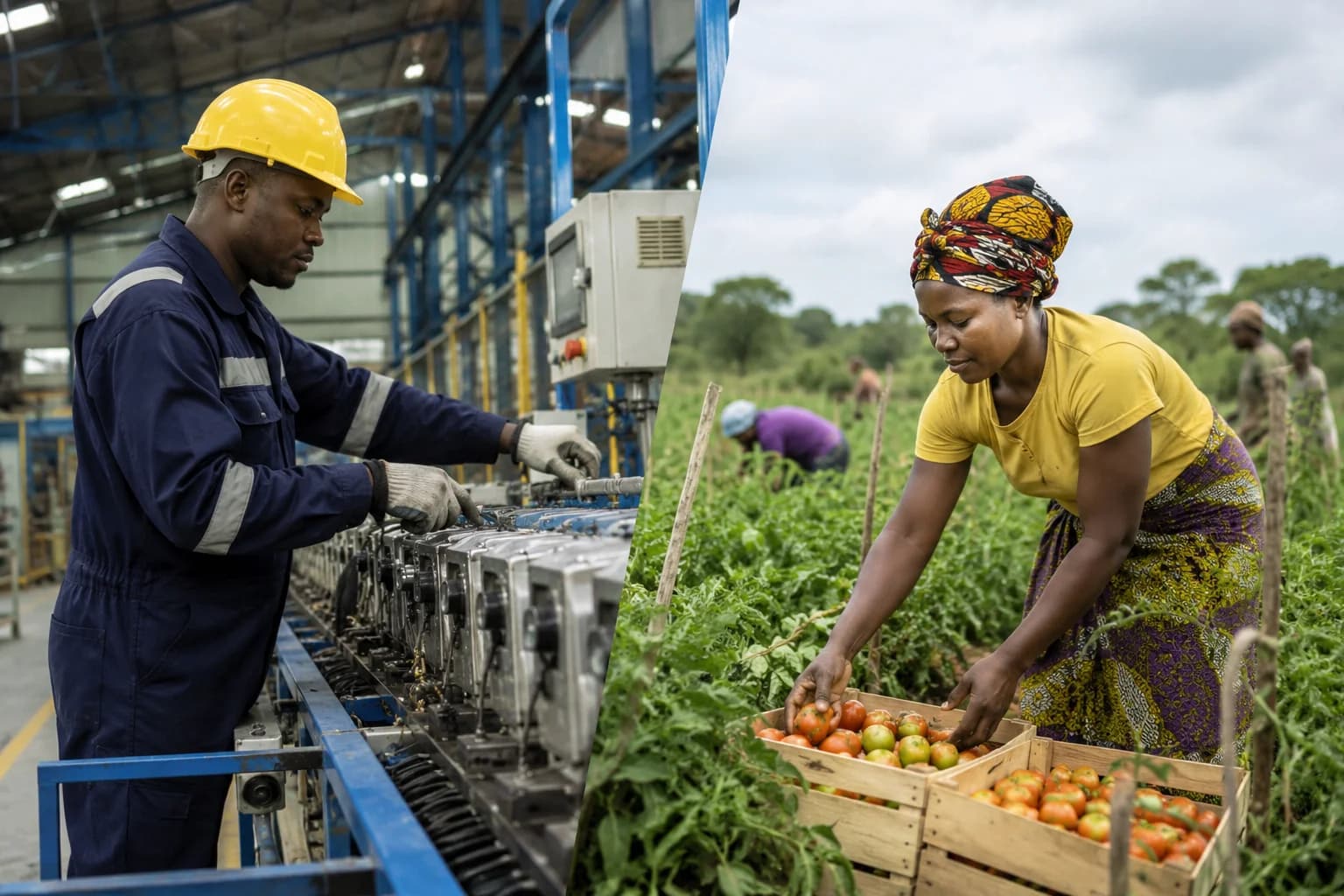
For many Nigerian business owners, the past year has been about survival.
Higher electricity costs.
Expensive transportation.
Rising prices of raw materials.
Limited access to bank loans.
And consumers with less money to spend.
Against that backdrop, any sign of economic improvement is welcome.
The latest Business Confidence Monitor released by the Nigerian Economic Summit Group (NESG) suggests that parts of Nigeria's economy are beginning to regain momentum.
According to the report, manufacturing, agriculture and trade all remained in expansion territory during June, marking the sixth consecutive month in which Nigeria's overall business environment has recorded growth, even though the pace of expansion has slowed compared with a year ago.
That may not sound dramatic.
But for businesses that have spent months battling rising costs, it is an encouraging signal.
Manufacturing Is Still Growing
Manufacturing remains one of the most important indicators of economic health.
When factories produce more goods, suppliers receive more orders.
Transport companies move more products.
Retailers have more items to sell.
Workers are more likely to keep their jobs.
The NESG report found that manufacturing activity stayed above the 100-point threshold that indicates expansion, although growth weakened compared with May. Food and beverage producers, textile manufacturers and paper-product companies continued to record growth, while some industries such as cement and plastics remained under pressure.
The picture is therefore mixed rather than perfect.
Some industries are recovering faster than others.
Agriculture Is Showing New Strength
One of the report's most encouraging findings concerns agriculture.
Business activity in the sector moved back into expansion after contracting in May.
Crop production, agro-allied businesses and fishing all improved, helped in part by favourable rainfall and early harvests, while livestock and forestry remained weak.
For Nigeria, stronger agricultural performance matters far beyond farmers.
A healthier agricultural sector can improve food availability, support rural incomes and reduce pressure on food inflation.
It also strengthens industries that depend on agricultural products, including food processing and manufacturing.
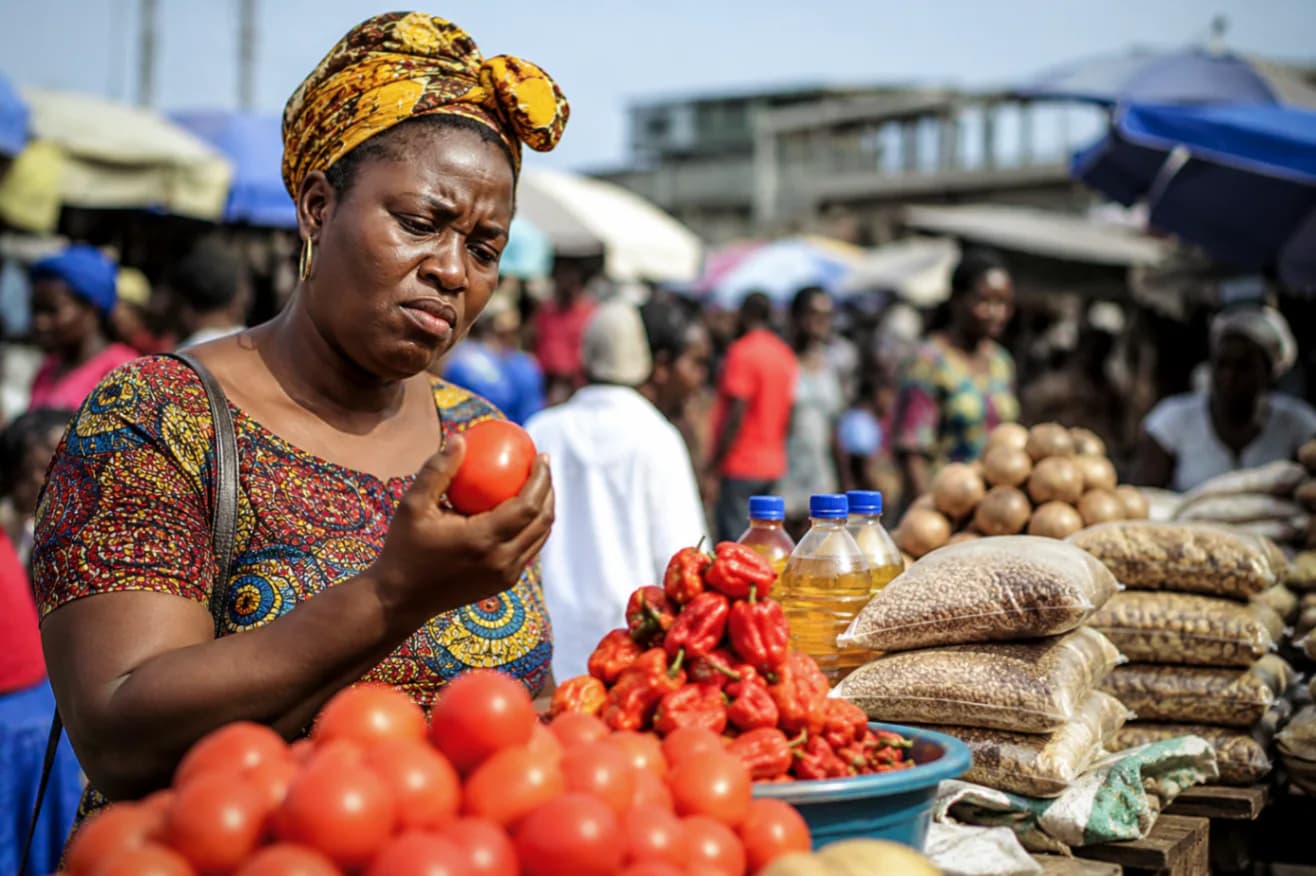
Trade Remains Active
Trade also continued to expand.
Despite weaker consumer purchasing power, businesses reported continued commercial activity, suggesting that demand has not disappeared even though many households remain under financial pressure.
For many small and medium-sized enterprises, however, the challenge is not simply finding customers.
It is maintaining profitability while operating costs continue to rise.
The Biggest Obstacles Have Not Disappeared
The report makes clear that businesses are still facing serious challenges.
Among the most common concerns are:
Limited access to affordable credit.
Persistent electricity shortages.
High operating and rental costs.
Infrastructure deficits.
Insecurity affecting commercial activity.
These issues continue to squeeze profit margins and discourage investment.
Expansion, therefore, does not mean businesses are comfortable.
It means more firms reported improving conditions than deteriorating ones.
Why This Matters for Ordinary Nigerians
Economic reports often focus on statistics.
But behind every percentage are real people.
Factory workers.
Market traders.
Farmers.
Transport operators.
Young entrepreneurs.
If businesses continue expanding, they are more likely to hire staff, invest in equipment and increase production.
That can create opportunities for workers and improve household incomes over time.
However, sustained growth will depend on whether businesses can overcome the structural problems that continue to raise costs.
Growth Needs Stronger Foundations
Nigeria's economy has repeatedly demonstrated resilience.
But resilience alone cannot guarantee long-term prosperity.
Businesses need reliable electricity.
Good roads.
Affordable financing.
Stable government policies.
Efficient ports.
Secure farming communities.
Without these foundations, expansion becomes harder to sustain.
A Positive Signal—Not a Final Destination
The latest NESG report offers reason for cautious optimism.
Manufacturing is expanding.
Agriculture is recovering.
Trade remains active.
Those are encouraging signs for Africa's largest economy.
But the report also reminds policymakers that growth is fragile.
The next challenge is ensuring today's expansion becomes tomorrow's long-term economic transformation.
For now, Nigerian businesses have shown they are still fighting.
The question is whether the business environment will improve enough to allow them not just to survive—but to thrive.
PUBLISHER NOTE
About Talk Ya True
Talk Ya True publishes independent reporting and analysis with clear attribution, source transparency and corrections when needed.
Related Articles

Business
Nigeria’s Foreign Reserves Hit $52.83 Billion as Naira Holds Relatively Steady
Business
Nigeria’s Inflation Falls to 15.43% - But Why Do Things Still Feel So Expensive?

Business
Naira Holds Firm as Brent Oil Climbs Above $94 Amid Middle East Tensions

Business
Nigeria’s Internet Subscriptions Hit 157.4 Million as Broadband Penetration Reaches 56.1%
Stay Informed
Get the latest stories from Nigeria.
Free news updates. Unsubscribe anytime.
By subscribing, you agree to receive free news updates from Talk Ya True. You can unsubscribe at any time.