Politics
Peter Obi: “Nigeria Is Not at War” as Insecurity Triggers Fresh Outcry
Former Anambra State Governor and 2023 presidential candidate Peter Obi has criticised Nigeria's worsening security situation, saying Nigerians should not be forced to live as though the country is at war. His comments come amid fresh reports of mass abductions and attacks in Niger State, renewing debate over the government's response to insecurity.
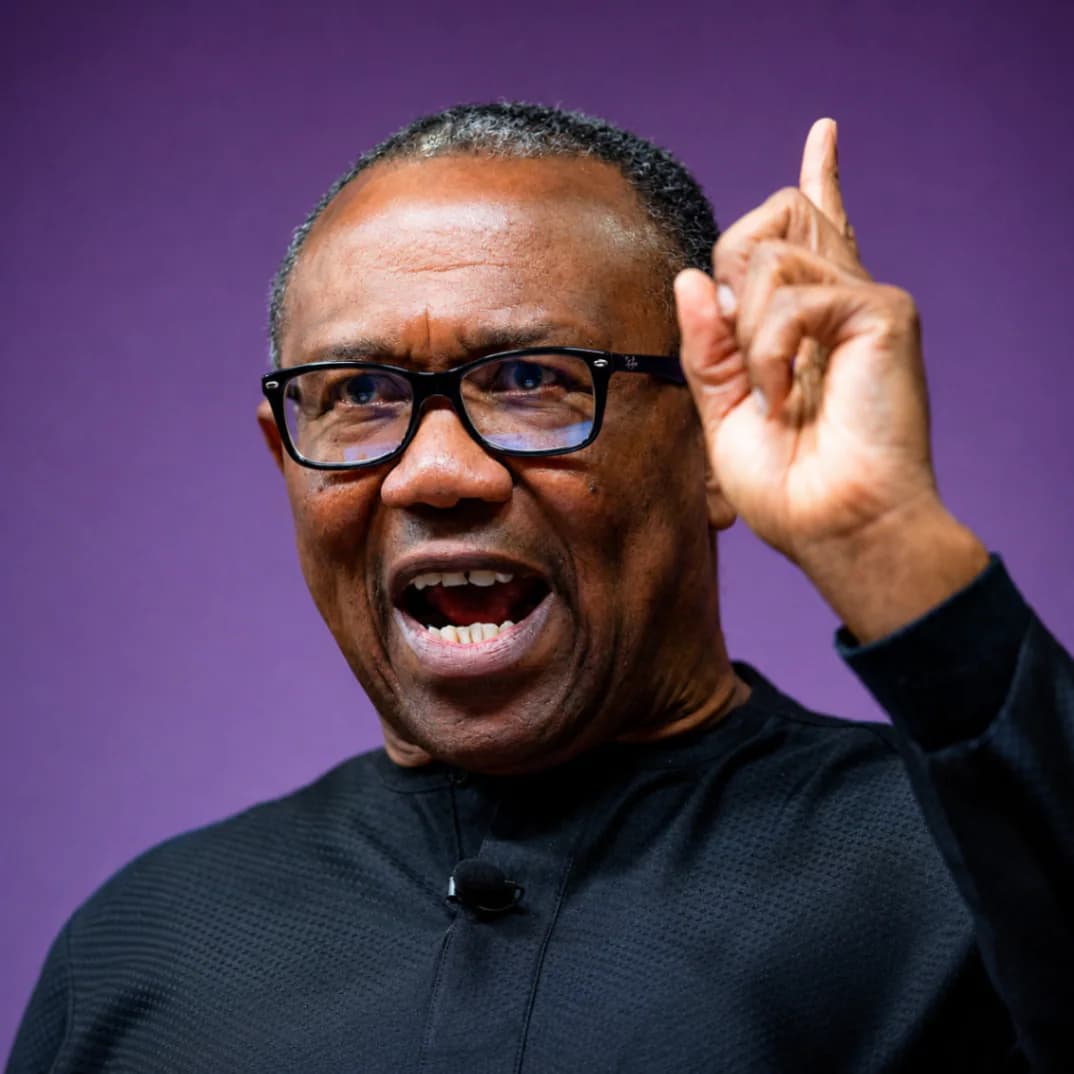
Former presidential candidate Peter Obi has expressed fresh concern over Nigeria's worsening security situation, arguing that the country's citizens should not have to live under the constant fear of killings, kidnappings and attacks.
Obi's comments come as Nigeria faces another wave of concern over insecurity following reports that armed men attacked communities in Borgu Local Government Area of Niger State, with worshippers among those reportedly abducted.
The situation has generated anger across the country and renewed questions about the ability of security agencies to protect vulnerable communities.
“Nigeria Is Not at War”
Obi has argued that the scale of violence facing Nigerians is unacceptable for a country that is not formally at war.
His comments reflect growing frustration over reports of kidnappings, attacks on communities and the deaths of civilians across different parts of the country.
For many Nigerians, insecurity has become more than a political issue.
It has become a daily concern affecting where people travel, where children attend school, when businesses operate and whether families feel safe in their homes.
Fresh Niger Abductions Intensify Debate
Obi's comments come at a particularly sensitive time.
In Niger State, armed men reportedly attacked several communities in Borgu and abducted worshippers during Friday prayers.
Police confirmed that an unspecified number of people were taken, while security forces were subsequently deployed to search for the victims.
A separate video circulating online has also been claimed by residents to show hundreds of people being held in a forest.
However, the footage has not been independently verified, and authorities have not confirmed the much larger figure circulating on social media.
That distinction is important because the scale of an attack should be established through credible evidence rather than online speculation.
The Human Cost of Insecurity
Behind every kidnapping statistic is a person.
It could be a farmer returning from the field.
A student travelling home.
A trader going to market.
A worshipper attending Friday prayers.
Or a parent waiting for a child who never returns home.
This is why insecurity has become one of the most emotionally charged issues in Nigeria.
People want to know that when they leave their homes, the government has the capacity to protect them.
They want roads to be safe.
They want schools to be safe.
They want places of worship to be safe.
And they want security agencies to respond quickly when communities are attacked.
Security Is More Than Military Operations
Nigeria's response to insecurity has frequently involved military operations against armed groups.
Those operations remain important, particularly in areas where terrorists and heavily armed criminal groups control difficult terrain.
But military action alone cannot solve every dimension of the problem.
Security also depends on intelligence gathering, policing, community cooperation, border management, rapid emergency response and effective prosecution.
If attackers can repeatedly enter communities, abduct residents and disappear into forests, authorities need to understand how those groups are receiving information, moving around and maintaining their operations.
Why Intelligence Matters
One of the biggest questions after any major attack is often:
Could it have been prevented?
That question is not necessarily an accusation against individual security officers.
Nigeria's security forces operate under difficult conditions, including vast territory, difficult terrain and limited resources.
But effective intelligence can sometimes provide authorities with information before an attack happens.
Knowing where armed groups are gathering, where they are moving and which communities they are targeting can give security forces an opportunity to intervene before civilians are harmed.
Communities Need Confidence in Security Agencies
Another important factor is public trust.
Residents are more likely to provide information when they believe authorities will protect them after they speak.
If people fear retaliation from criminals or believe their information will not lead to action, they may remain silent.
That creates an information gap.
Security agencies therefore need strong relationships with local communities.
Traditional leaders, religious leaders, farmers, transport workers and residents can all become valuable sources of intelligence when properly engaged.
The Political Dimension
Obi's comments inevitably carry a political dimension because he remains one of Nigeria's most prominent opposition figures.
With the 2027 presidential election approaching, insecurity will almost certainly become one of the central issues in political campaigns.
The governing APC will point to its security operations and military successes.
Opposition parties will highlight communities that remain vulnerable to attacks.
Both sides will attempt to convince voters that their approach offers the best solution.
But Nigerian voters should look beyond campaign rhetoric.
The real question should be:
Which policies actually make Nigerians safer?
Nigerians Need Results, Not Just Statements
A recurring frustration among citizens is the gap between government announcements and what people experience on the ground.
After an attack, authorities often announce that security forces have been deployed.
They may announce arrests.
They may promise investigations.
But families want to know whether their loved ones have been rescued.
Communities want to know whether attackers will return.
And citizens want to know whether the same incident will happen again.
That is why the government's success should ultimately be measured by results, not simply by the number of statements released.
What People Are Saying Online
Obi's comments have generated debate among Nigerians online.
Supporters argue that he is right to highlight the growing number of attacks and demand greater accountability from government.
Some users say insecurity should be treated as an urgent national emergency rather than something that becomes politically important only during election season.
Critics, however, argue that opposition politicians should also offer specific solutions instead of simply criticising the government.
That is a reasonable part of the debate.
Nigerians need both accountability and practical solutions.
What Should Change?
Nigeria needs a security strategy that combines military capability with stronger policing and intelligence.
Some priorities should include:
Better intelligence-sharing between security agencies.
Faster responses to emergency calls from vulnerable communities.
Improved protection for schools and places of worship.
Greater cooperation between security agencies and local communities.
Better surveillance of difficult forest routes.
Stronger investigations into kidnapping networks.
Effective prosecution of suspects who are arrested.
Greater transparency about rescue operations and security outcomes.
The goal should not simply be to respond after people have been kidnapped.
The goal should be to prevent the kidnapping from happening in the first place.
The 2027 Test
As Nigeria moves toward another presidential election, insecurity will provide voters with an important test of leadership.
Candidates will make promises.
They will propose new security strategies.
They will criticise their opponents.
But voters should ask specific questions.
How will you protect rural communities?
How will you stop kidnapping networks?
How will you improve intelligence?
How will you secure schools?
How quickly will security agencies respond to attacks?
And perhaps most importantly:
How will Nigerians know that your strategy is working?
Nigeria Should Not Become Used to Violence
Perhaps the most dangerous development is not only the violence itself.
It is the possibility that Nigerians become accustomed to it.
If kidnapping becomes another headline people scroll past, something has gone seriously wrong.
If parents accept that travelling with their children carries an unavoidable risk of abduction, something has gone seriously wrong.
If communities begin organising their own security because they no longer believe government can protect them, the consequences can become even more dangerous.
A functioning state cannot allow fear to become a normal part of everyday life.
The Government Has a Responsibility
Political disagreements should not obscure one basic fact:
Protecting citizens is one of the government's most fundamental responsibilities.
The government deserves recognition when security operations save lives or dismantle criminal networks.
But it must also be held accountable when communities remain vulnerable.
Both things can be true at the same time.
Supporting Nigeria does not mean refusing to criticise government.
Criticising government does not mean wishing Nigeria to fail.
The ultimate goal should be a safer country.
A Country That Wants to Move Forward
Nigeria is trying to rebuild its economy, attract investment, improve infrastructure and create opportunities for its young population.
None of those goals can be fully achieved if people do not feel safe.
Investors need security.
Businesses need security.
Farmers need security.
Students need security.
Families need security.
Economic development and national security are therefore closely connected.
A country cannot unlock its full potential while large parts of its population are living under the shadow of violence.
The Question Nigerians Should Keep Asking
Peter Obi's comments have once again brought the security crisis into the political conversation.
But beyond the politics, there is a much simpler question.
When will Nigerians be able to live ordinary lives without extraordinary fear?
That is the standard by which every government should ultimately be judged.
Not by how many speeches it delivers.
Not by how many political rallies it holds.
Not by how loudly its supporters defend it.
But by whether a Nigerian can travel, worship, farm, work and send their children to school without constantly wondering whether they will make it home safely.
Nigeria is not at war.
And Nigerians should not have to live as though it is.
Key Facts
Person: Peter Obi
Issue: Nigeria's worsening insecurity
Recent trigger: Reported mass abductions in Borgu, Niger State
Main concerns: Kidnapping, attacks on communities and civilian safety
Government response: Security forces deployed in affected areas
Political significance: Insecurity expected to be a major 2027 election issue
Social-media reaction: Strong debate over government performance and proposed solutions
Status: Security situation remains developing
Sources
Peter Obi's official social-media statement — primary source for his comments on the security situation.
The Guardian Nigeria — reporting on the Niger State mosque attack and abduction of worshippers. The Guardian Nigeria
Associated Press — reporting on the Niger State attacks and the estimated number of people potentially abducted.
Reuters — reporting on the unverified video allegedly showing a large group of abducted people.
Tags
PUBLISHER NOTE
About Talk Ya True
Talk Ya True publishes independent reporting and analysis with clear attribution, source transparency and corrections when needed.
Related Articles
Politics
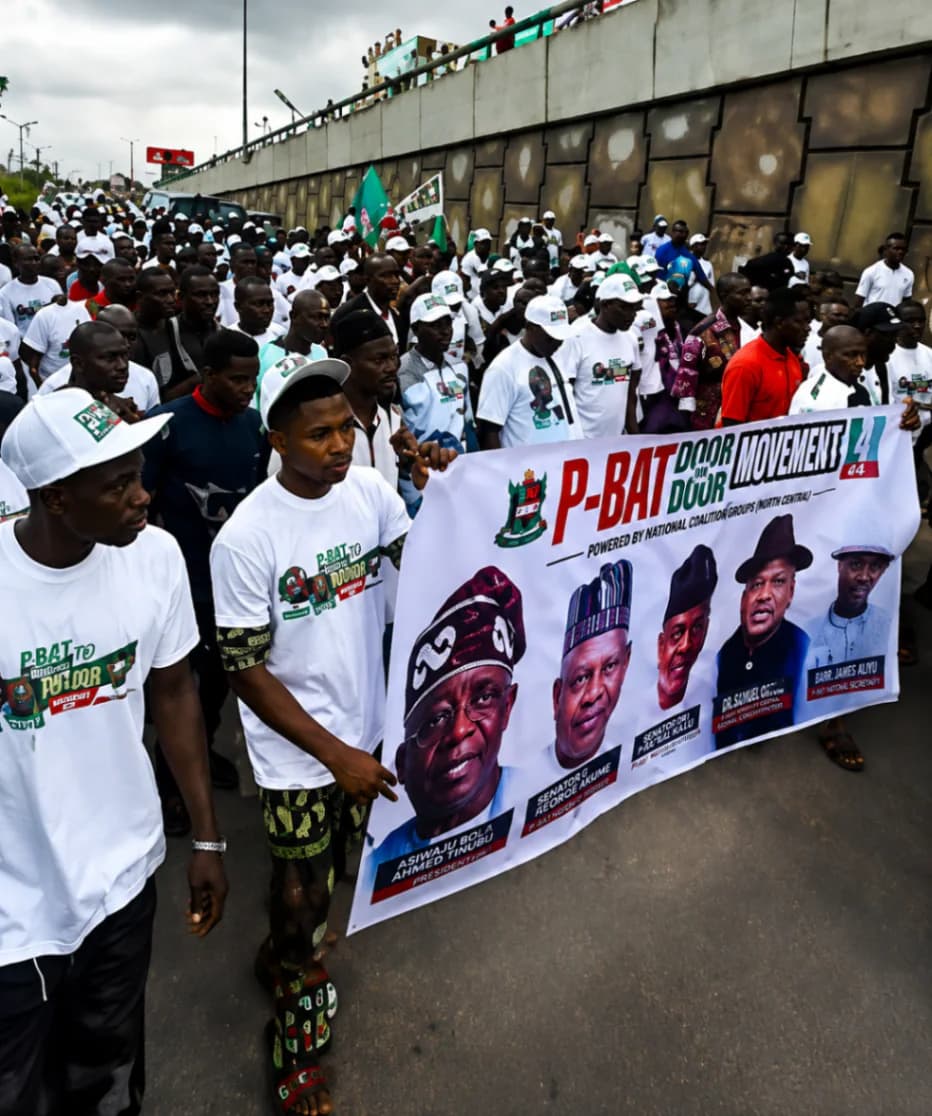
Tinubu Supporters Take 2027 Campaign to Bayelsa With Yenagoa Walk
Politics
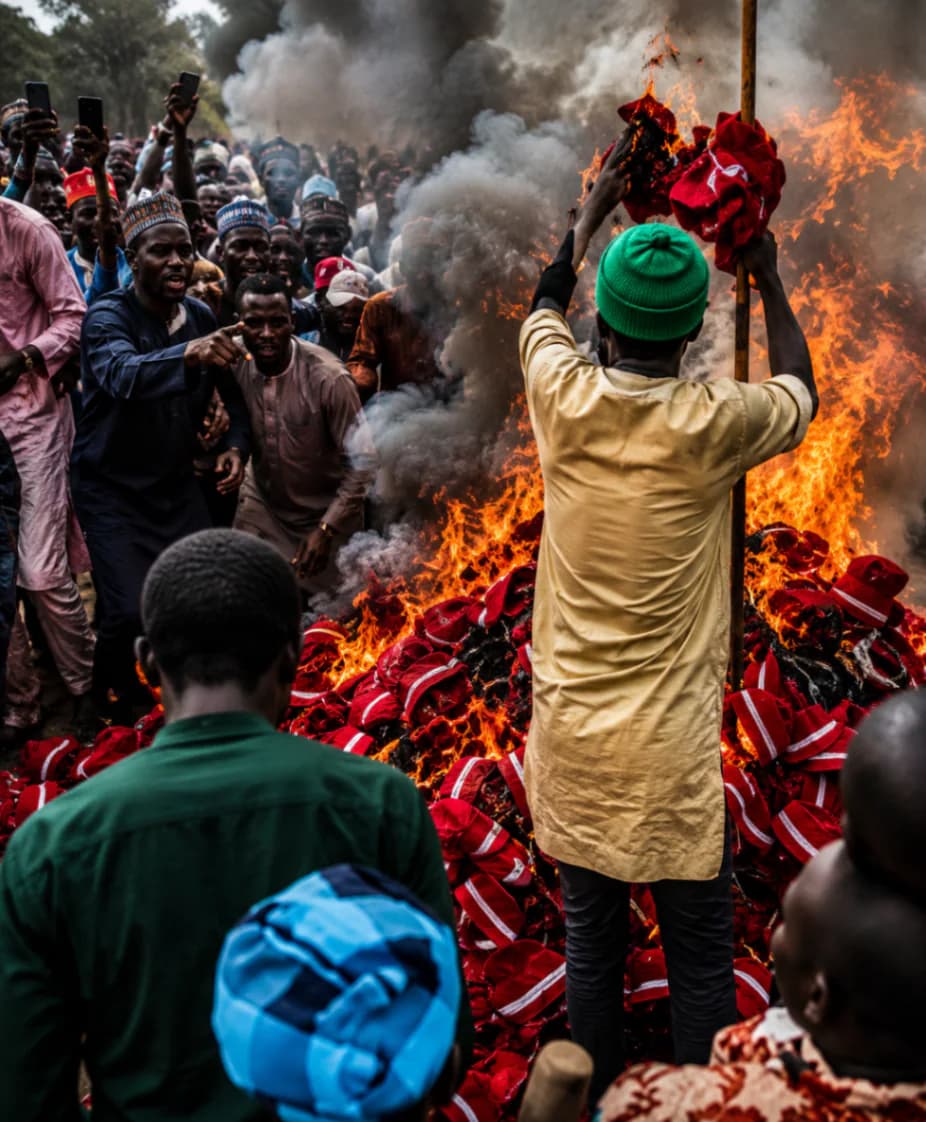
Kwankwasiyya Red Caps Burned in Viral Kano Video as Obi Alliance Sparks Political Backlash
Politics
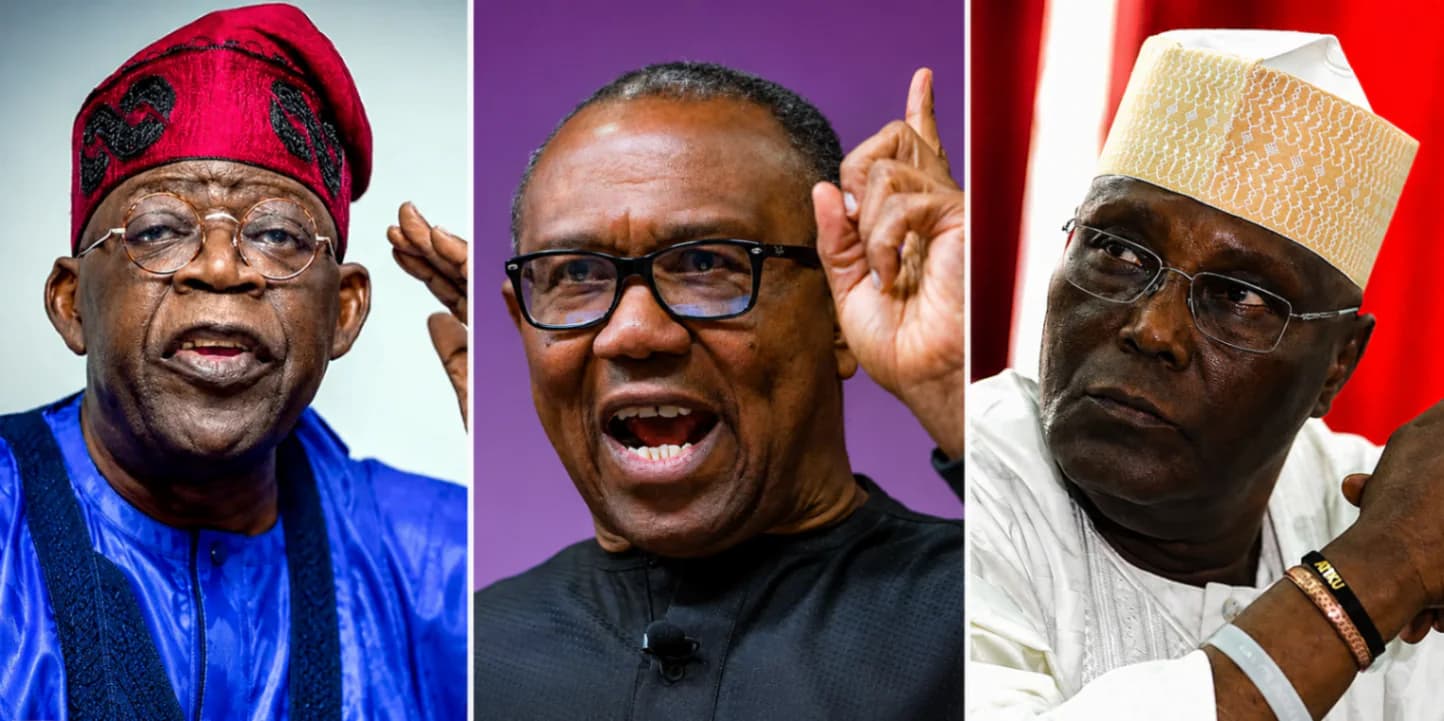
Nigeria’s 2027 Election Campaigns Begin as Tinubu, Obi and Atiku Enter Fresh Political Battle
Politics
Peter Obi Draws Massive Crowd in Edo as He Pays Final Tribute to Late Archbishop Akubeze
Stay Informed
Get the latest stories from Nigeria.
Free news updates. Unsubscribe anytime.
By subscribing, you agree to receive free news updates from Talk Ya True. You can unsubscribe at any time.