Africa
South Africa Seeks R292m From Nigeria, Malawi and Ethiopia for Migrant Repatriation Costs
South Africa is seeking reimbursement from Nigeria, Malawi and Ethiopia after spending about R292 million on transporting, accommodating and processing foreign nationals who were deported or voluntarily repatriated. The request has triggered debate online, with some questioning whether the migrants’ home countries should be responsible for costs incurred during South Africa’s immigration operations.
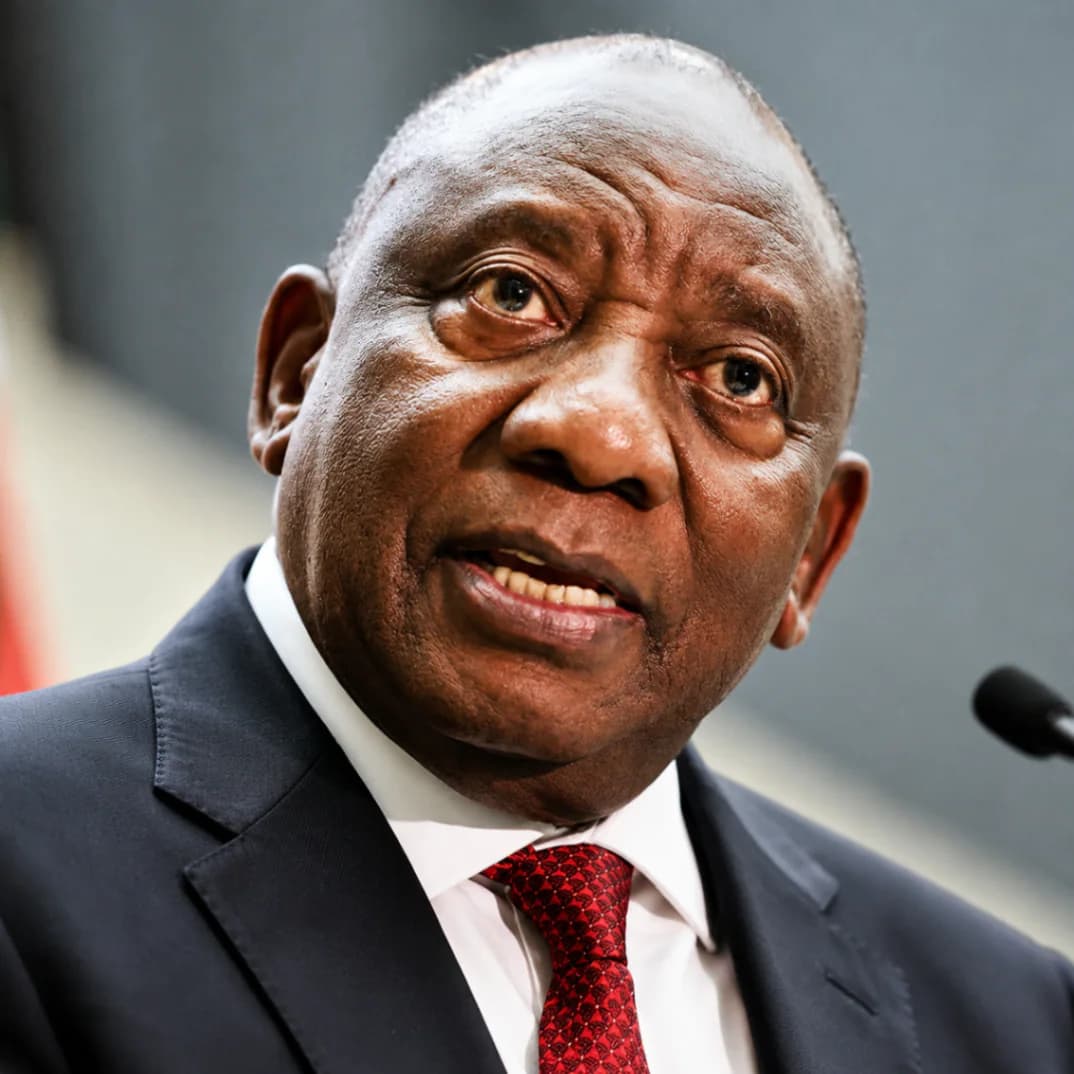
The South African government is seeking reimbursement from Nigeria, Malawi and Ethiopia after spending approximately R292 million (about US$18 million) on the repatriation of foreign nationals amid a major crackdown on undocumented migration.
South Africa's Department of Home Affairs disclosed the request while briefing Parliament on the cost of its recent repatriation operations.
Home Affairs Director-General Tommy Makhode said the department had written to the Malawian government and, through the Department of International Relations and Cooperation (DIRCO), contacted the embassies of Nigeria and Ethiopia to request reimbursement.
The amount covers expenses associated with transportation, temporary accommodation, repatriation centres and staffing.
However, the request has generated questions in Nigeria and elsewhere about who should ultimately bear the cost of deporting or assisting foreign nationals to return home.
South Africa Spent Nearly R300 Million
According to South African officials, the Department of Home Affairs spent R292 million on the operation, significantly exceeding the R60 million originally allocated for deportations.
Transportation represented the largest portion of the expenditure, while the Department of Public Works and Infrastructure reportedly spent about R48 million establishing and operating a temporary repatriation centre.
Makhode described the additional expenditure as unforeseen and unavoidable, noting that the department had not originally budgeted for the scale of the repatriation operation.
The government has consequently turned to the countries whose nationals were among those being returned, asking them to help cover the costs.
More Than 82,000 Foreign Nationals Processed
The scale of the operation has been substantial.
South Africa said that by August 6, 2026, its Home Affairs repatriation centres had processed 82,875 foreign nationals.
The figure does not include people who had already been repatriated before June 30 or people processed directly by the Border Management Authority, meaning the overall number involved in the wider operation is higher.
Malawian nationals accounted for a particularly large proportion of those processed.
South African government figures released earlier in the operation showed that Malawians made up more than 80% of those processed through the temporary repatriation system at one stage, followed by Zimbabweans and Mozambicans.
Why Did the Repatriations Happen?
The repatriations took place against the backdrop of an increasingly intense debate over undocumented migration in South Africa.
Anti-illegal-immigration groups, including Operation Dudula, have staged protests demanding action against undocumented foreign nationals.
South Africa's government has responded with a broader migration-management strategy that includes enforcement operations, immigration courts and repatriation arrangements.
The government has stressed that its migration policy is intended to enforce immigration law rather than target people based on nationality.
At the same time, the issue has remained highly sensitive because previous anti-immigrant protests in South Africa have sometimes been accompanied by accusations of xenophobia and hostility towards African migrants.
Nigeria Says It Has Not Received the Bill
One of the most important developments for Nigeria is that Abuja says it has not received a formal reimbursement demand.
Nigeria's Foreign Affairs Ministry spokesperson, Kimiebi Ebienfa, said Nigeria had not received any document from South Africa requesting payment.
Nigeria's Consul General in South Africa, Ninikanwa Okey-Uche, reportedly gave a similar response, saying the Nigerian mission in Pretoria had not received such a demand.
That creates an important distinction between South Africa saying it has sent requests through diplomatic channelsand Nigeria saying it has not yet received a formal document.
The two positions are not necessarily contradictory if the correspondence has not yet reached the relevant Nigerian authorities.
Does Nigeria Actually Have to Pay?
That is one of the questions attracting the most attention.
South Africa has requested reimbursement, but the request does not automatically mean that Nigeria, Malawi or Ethiopia are legally obligated to pay the entire amount.
The South African government itself has described the repatriation spending as an expense arising from its migration-management operations.
South Africa's official migration framework says that deportation is a lawful process through which a government removes a non-citizen from its territory. It also states that financial and humanitarian assistance can arise in certain circumstances and be handled on a case-by-case basis.
Whether the three governments agree to reimburse South Africa is therefore a separate diplomatic and legal question.
What People Are Saying on X
The issue has generated a particularly strong reaction among Nigerian and other African users on X.
One widely shared post framed the request as a form of “payback time”, arguing that South Africa should not expect other African governments to cover the cost of an immigration crackdown carried out on South African territory.
Another widely circulated post from Cameroonian journalist Mimi Mefo highlighted the approximately $18 million expenditure and South Africa's request for reimbursement from Nigeria, Malawi and Ethiopia.
The online discussion broadly falls into several camps.
Some South Africans support the request, arguing that taxpayers should not carry the full financial burden of returning undocumented foreign nationals to their countries.
Some Nigerians strongly oppose it, questioning why Nigeria should reimburse South Africa for an operation conducted by South African authorities.
Others are taking a more cautious position, saying the governments should first examine the legal basis for the request before agreeing to any payment.
There is also a wider debate about whether South Africa's migration crackdown should be viewed primarily as legitimate immigration enforcement or within the broader history of xenophobic tensions affecting African migrants.
The Xenophobia Question
The reimbursement request has arrived at a particularly sensitive time in relations between South Africa and other African countries.
South Africa has faced repeated criticism over xenophobic attacks and anti-foreign-national rhetoric, while South African authorities have consistently distinguished their immigration enforcement policies from attacks motivated by xenophobia.
The latest repatriation programme followed protests against undocumented immigration and involved large numbers of foreign nationals.
That context explains why the financial request has generated such strong reactions online.
For some Nigerians, the question is not simply about R292 million. It is about whether countries whose citizens were affected by South Africa's immigration policies should be expected to finance the enforcement operation.
South Africa Says the Costs Were Unplanned
The South African government's position is that the operation created costs that it had not anticipated in its existing budget.
Makhode told Parliament that the department's allocation for deportations was only about R60 million, meaning the actual expenditure was several times higher.
The government therefore wants to recover at least part of the money spent.
However, the scale of the bill means that negotiations could become complicated, particularly if the countries receiving the requests challenge either the amount or the principle of reimbursement.
What Happens Next?
For now, South Africa is waiting for responses from the governments concerned.
Nigeria's position is particularly important because Abuja says it has not yet received a formal reimbursement document.
If the request reaches the Nigerian government officially, it could trigger a diplomatic discussion over the legal basis of the claim, the number of Nigerian nationals involved and the costs that South Africa believes are attributable to them.
Malawi and Ethiopia will also have to decide how they respond to Pretoria's request.
The issue could therefore evolve from an immigration story into a broader diplomatic discussion between South Africa and the affected countries.
A Bigger African Debate
Beyond the money, the controversy raises a broader question about responsibility when governments deport or assist large numbers of foreign nationals to return home.
Should the country carrying out the deportation pay the cost as part of its immigration-enforcement responsibilities?
Should countries of origin contribute to the expenses?
Or should the costs be negotiated on a case-by-case basis depending on whether the return was a deportation, voluntary repatriation or humanitarian intervention?
There is currently no indication that Nigeria, Malawi or Ethiopia has agreed to South Africa's request.
For now, the confirmed position is that South Africa spent R292 million on the operation and has asked three African governments to reimburse it, while Nigeria says it has not received the request formally.
That distinction will be important as the story develops.
What X Is Saying
The online reaction is more divided than a simple “Nigeria refuses to pay” narrative would suggest.
Some South Africans say taxpayers should not be left with the bill for returning undocumented migrants.
Nigerian users are questioning the legal and diplomatic basis for charging their government.
Some users are connecting the reimbursement demand to the wider history of xenophobia and anti-migrant protests in South Africa.
Others argue that the three governments should examine the actual costs before rejecting the request outright.
Several users are also pointing out that $18 million is the total amount South Africa says it spent — not $18 million demanded separately from each country.
That last point is particularly important: South Africa is seeking reimbursement for the R292 million operation from Nigeria, Malawi and Ethiopia; the available reports do not say each country has been billed $18 million.
Sources
Associated Press — South Africa's request for reimbursement from African governments and the nearly $18 million cost. AP report
IOL — South Africa's R292 million expenditure and reimbursement request. IOL report
BusinessDay Nigeria — details of the reimbursement requests sent to Nigeria, Malawi and Ethiopia. BusinessDay report
The Citizen — breakdown of repatriation numbers and Home Affairs' parliamentary briefing. The Citizen report
South African Government (GCIS) — official background on the country's migration-management programme. South African Government migration update
X — Patriotic Media — reaction to South Africa's reimbursement request. X post
X — Mimi Mefo Info — post highlighting the R292 million/$18 million figure and the countries being asked to reimburse South Africa. X post
Nigeria's response — reports that Abuja says it has not received a formal reimbursement document. Nigeria response
PUBLISHER NOTE
About Talk Ya True
Talk Ya True publishes independent reporting and analysis with clear attribution, source transparency and corrections when needed.
Related Articles

Africa
Chidimma Adetshina Faces Angry Protesters Outside South African Court as Deportation Battle Continues
Africa
Angélique Kidjo Makes History as First African Artist to Receive Hollywood Walk of Fame Star
Africa
Nigerian, South African Lawmakers Clash Over How to Describe Anti-Migrant Violence at Malawi Conference
Africa
Foreign-Owned Shops Looted as Anti-Immigration Tensions Escalate in Durban
Stay Informed
Get the latest stories from Nigeria.
Free news updates. Unsubscribe anytime.
By subscribing, you agree to receive free news updates from Talk Ya True. You can unsubscribe at any time.