Nigeria
Tinubu’s 2026 Budget: ₦54.46 Trillion Spending Plan Puts Government Finances Under Spotlight
Nigeria's 2026 budget framework has placed proposed federal spending at about ₦54.46 trillion, with major questions surrounding borrowing, debt servicing and how the government intends to finance its development plans. The budget debate comes as Nigerians continue to deal with high living costs and pressure on household incomes.
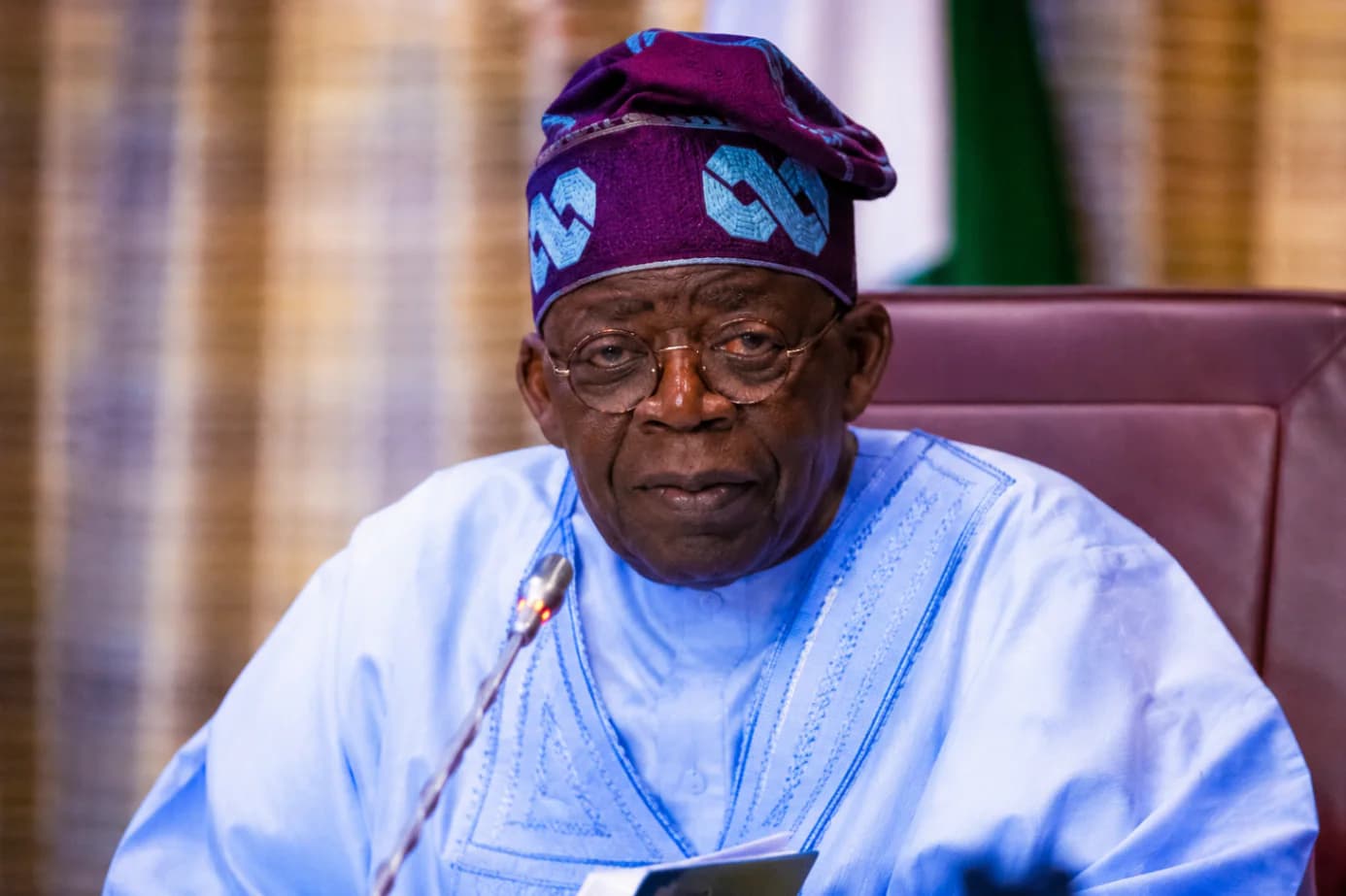
Nigeria's massive 2026 federal budget is once again putting government spending, borrowing and fiscal responsibility at the centre of national debate.
The 2026 fiscal framework provides for about ₦54.46 trillion in federal government spending, according to figures contained in the National Assembly's Medium-Term Expenditure Framework and Fiscal Strategy Paper.
The size of the proposed spending plan reflects the government's ambition to finance infrastructure, security, social programmes and other development priorities.
But it also raises a difficult question:
How much can Nigeria afford to spend — and how much more will the country have to borrow?
Where Will the Money Come From?
The government's ability to finance such a large budget is one of the biggest issues surrounding the plan.
The approved fiscal framework projected ₦34.33 trillion in Federal Government retained revenue, leaving a significant gap between expected revenue and proposed expenditure.
That gap means borrowing remains an important part of the government's financing strategy.
And borrowing inevitably raises another question:
How much debt can Nigeria continue to accumulate without putting additional pressure on future budgets?
Debt Servicing Is Already a Major Burden
Nigeria is already spending a substantial amount of government revenue servicing existing debt.
Earlier National Assembly discussions around the 2026 budget highlighted the scale of the country's financing challenge, with debt servicing projected to consume a significant portion of federal resources.
Every naira committed to debt servicing is money that cannot simultaneously be spent on roads, hospitals, schools, security or social programmes.
This does not mean borrowing is automatically bad.
Governments around the world borrow to finance infrastructure and development.
The important question is what the borrowed money is used for and whether it generates enough economic value to justify the debt.
Nigerians Want to Know What the Budget Means for Them
For ordinary Nigerians, the headline figure of ₦54.46 trillion can feel almost meaningless without knowing how it will affect everyday life.
People want to know whether the budget will help reduce the cost of living.
Will food become more affordable?
Will electricity improve?
Will roads be fixed?
Will more jobs be created?
Will hospitals receive better funding?
Will security improve?
These are the questions that matter to households.
The Economy Has Been Through Major Reforms
The budget comes against the backdrop of President Bola Ahmed Tinubu's economic reforms, including the removal of the petrol subsidy and changes to foreign-exchange policy.
The government argues that these reforms have improved the country's fiscal position and created more resources for development.
The Minister of Information, Mohammed Idris, recently said the removal of the petrol subsidy had generated about ₦15.8 trillion in resources for the Federation between June 2023 and December 2025.
According to the minister, those resources supported federal, state and local government finances as well as infrastructure and social programmes.
But Households Still Feel the Pressure
The government's economic argument faces a major challenge.
Many Nigerians continue to struggle with the high cost of food, transportation, electricity and other essentials.
Even though inflation has slowed, prices remain significantly higher than they were before the recent economic crisis.
That means the government has to demonstrate that additional spending is translating into improvements that citizens can actually see.
A Budget Is Only as Good as Its Implementation
Another important issue is budget implementation.
Nigeria has historically faced concerns about delayed projects, abandoned infrastructure and differences between what governments approve on paper and what is eventually delivered.
A large budget therefore does not automatically mean better services.
The government must ensure that approved funds actually reach the projects and programmes for which they were allocated.
It must also provide Nigerians with enough information to track how public money is being spent.
Transparency Will Matter
Questions about transparency have become increasingly important as government borrowing and spending increase.
Economists, civil-society organisations and opposition politicians have repeatedly called for greater disclosure around government finances.
On Tuesday, economist and business advocate Dele Kelvin Oye questioned the government's reported additional resources and spending, including a $5 billion financing arrangement with First Abu Dhabi Bank. He called for greater public disclosure because the transaction involves public institutions and sovereign obligations.
Such questions do not necessarily mean that government spending is improper.
But they demonstrate why greater transparency is important when very large sums of public money are involved.
What Should Nigerians Watch?
As the budget process continues, several areas deserve close attention.
1. RevenueCan the government actually collect the revenue it has projected?
If revenue falls short, the government may have to borrow more or reduce spending.
2. BorrowingHow much additional debt will Nigeria take on?
And under what terms?
3. Debt ServicingHow much of government revenue will go towards servicing existing and new debt?
4. InfrastructureWill the budget translate into completed roads, rail projects, electricity infrastructure and other productive assets?
5. SecurityWill increased allocations produce measurable improvements in communities affected by terrorism, banditry and kidnapping?
6. Social InvestmentWill vulnerable Nigerians receive meaningful support as the country continues to deal with the effects of economic reforms?
The Security Question Is Particularly Important
The timing of the budget debate is significant because Nigeria is simultaneously dealing with serious security challenges.
The recent mass abduction in Niger State has again demonstrated the scale of the country's security problem.
President Tinubu has ordered security agencies to mount an immediate rescue operation for the victims.
That means security spending will remain one of the government's most important priorities.
But Nigerians will want to see results.
More money for security should ultimately mean better intelligence, faster responses, stronger equipment and safer communities.
Government Spending Must Produce Results
The most important measure of a budget is not its size.
It is its impact.
A ₦54.46 trillion budget that produces functioning infrastructure, stronger security, more jobs and improved public services would represent a major investment in Nigeria's future.
But a similarly large budget that produces unfinished projects, waste and additional debt without corresponding economic growth would create a very different legacy.
That is why Nigerians should pay attention not only to the amount being spent but also to how it is spent.
Can Nigeria Grow Its Way Out of the Debt Problem?
One argument in favour of borrowing is that investment can stimulate economic growth.
If borrowed money is used to build infrastructure, support productive industries and create jobs, the resulting economic activity can increase government revenue.
In theory, that makes the debt easier to manage.
But borrowing for consumption without creating productive capacity is much more difficult to sustain.
Nigeria therefore faces a simple economic choice:
Borrow to build — or borrow simply to survive.
The difference could determine the country's financial position for years.
The 2027 Election Adds Another Layer
The budget also arrives as Nigeria approaches the 2027 general election.
That makes government spending politically significant.
The Tinubu administration will want Nigerians to see the economic reforms and budget investments as evidence of progress.
Opposition parties will likely argue that Nigerians are still struggling despite the government's spending plans.
Both sides will attempt to use economic data to strengthen their political arguments.
Citizens should therefore look beyond campaign rhetoric and examine actual results.
What Nigerians Should Demand
Regardless of political affiliation, Nigerians have a legitimate right to demand:
Clear budget information.
Transparent procurement.
Timely project implementation.
Regular spending updates.
Independent oversight.
Accountability for misappropriated funds.
Evidence that borrowed money is being used productively.
Public money belongs to the Nigerian people.
The government is ultimately its custodian.
The Bigger Question
Nigeria does not necessarily have a problem because it wants to spend more.
The country has enormous infrastructure and development needs.
The real issue is whether the government can spend more without creating an unsustainable financial burden.
That requires stronger revenue collection, disciplined spending, productive borrowing and effective oversight.
If those four elements work together, a large budget can become a powerful tool for national development.
If they fail, the same budget can become another burden for future generations.
Final Word
The ₦54.46 trillion figure is enormous.
But the real story is not simply the size of the number.
The real story is what Nigerians will get in return.
Will roads improve?
Will electricity become more reliable?
Will security improve?
Will businesses create more jobs?
Will families regain purchasing power?
Will government borrowing produce productive assets?
Those are the questions that should define the debate.
Because ultimately, a budget is not successful because it contains trillions of naira on paper.
It is successful when ordinary Nigerians can feel the difference.
Key Facts
2026 federal spending framework: About ₦54.46 trillion
Projected FGN retained revenue: ₦34.33 trillion
Main financing challenge: Large gap between projected revenue and expenditure
Major concern: Borrowing and debt servicing
Economic backdrop: Tinubu administration's ongoing reforms
Major public concerns: Cost of living, food prices, electricity, jobs and security
Political context: 2027 general election approaching
Status: Budget and fiscal-policy debate ongoing
Tags
PUBLISHER NOTE
About Talk Ya True
Talk Ya True publishes independent reporting and analysis with clear attribution, source transparency and corrections when needed.
Related Articles
Business
Nigeria’s Foreign Reserves Hit $52.83 Billion as Naira Holds Relatively Steady
Politics
Katsina Political Crisis Deepens as Governor Radda’s CSO and ADC Are Reportedly Detained
Nigeria
Tinubu Orders Urgent Rescue Operation After Mass Abduction in Niger State
Politics
Tinubu Gives Matawalle Key Security Role in APC's 2027 Campaign
Stay Informed
Get the latest stories from Nigeria.
Free news updates. Unsubscribe anytime.
By subscribing, you agree to receive free news updates from Talk Ya True. You can unsubscribe at any time.