Nigeria
Outrage as 2026 Budget Earmarks ₦8.05 Billion for Churches and Mosques Amid Economic Hardship
Fresh scrutiny has greeted Nigeria's proposed 2026 budget after documents revealed that the Federal Government earmarked ₦8.05 billion for the construction, renovation and equipping of churches and mosques. The allocation has sparked nationwide debate, with many Nigerians questioning the priority of such spending at a time of rising inflation, unemployment and a widening fiscal deficit.
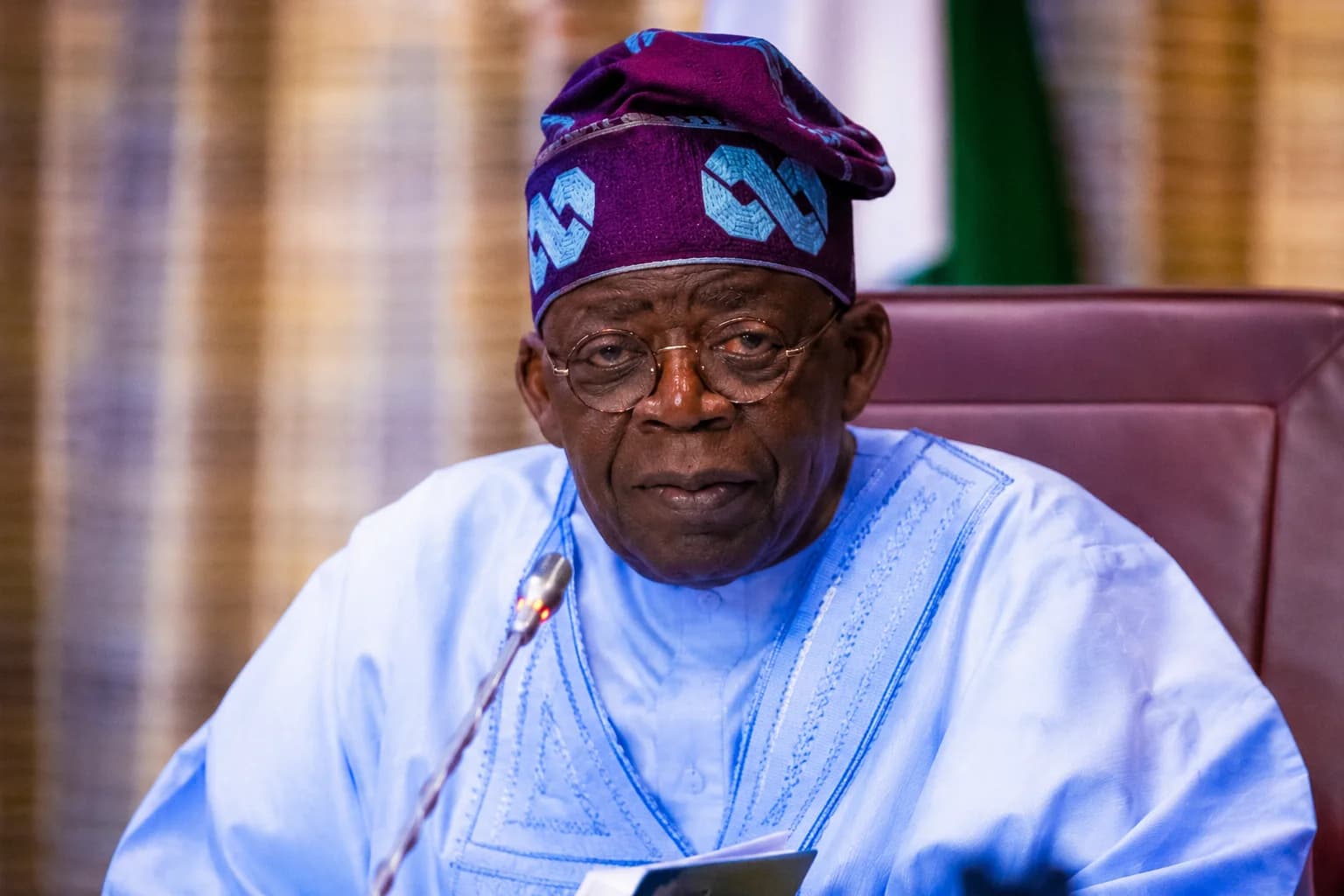
The Federal Government has come under heavy criticism following the revelation that ₦8.05 billion has been allocated in the proposed 2026 national budget for the construction, renovation and equipping of churches and mosques across Nigeria.
The budget provisions, highlighted by civic accountability organisation Tracka, have triggered widespread debate on social media and among public policy analysts, with many Nigerians arguing that scarce public funds should instead be directed towards critical sectors such as healthcare, education, security and infrastructure. The allocations were identified in the 2026 Appropriation Bill currently before the National Assembly.
How the Money Is Allocated
According to details extracted from the budget documents, the ₦8.05 billion allocation is divided between projects involving churches and mosques.
The budget includes approximately:
₦1.91 billion for projects involving seven churches.
₦6.14 billion for projects involving 52 mosques.
Among the listed projects are funding for church renovations, construction of new worship centres, provision of musical equipment, solar power installations, boreholes and the renovation of mosques in different parts of the country.
One of the largest church-related allocations is ₦1 billion for the provision and distribution of musical and cultural equipment to churches in Bende Local Government Area of Abia State. Another notable allocation is ₦1 billion for alternative solar power supply to mosques in Zamfara North.
Nigerians React
The revelations have generated mixed reactions across the country.
Many Nigerians have questioned why billions of naira are being budgeted for religious infrastructure when millions continue to struggle with the high cost of living, poor healthcare services, inadequate schools and insecurity.
Critics argue that while religious organisations play important roles in society, government spending should prioritise projects that directly improve public welfare and stimulate economic growth.
Others have defended the allocations, arguing that constituency projects often include community-based facilities and that places of worship serve as important centres for social development in many communities.
Budget Comes Amid Economic Challenges
The controversy comes at a time when Nigeria continues to grapple with significant economic pressures.
The proposed 2026 budget projects a fiscal deficit of approximately ₦31.45 trillion, while inflation, unemployment and the rising cost of essential goods remain major concerns for households across the country.
Economic analysts say every major expenditure is likely to face greater public scrutiny as Nigerians demand increased accountability in government spending.
Calls for Greater Transparency
Tracka urged lawmakers and government officials to review spending priorities and ensure that public resources are directed toward projects with the greatest impact on citizens' lives.
The organisation argued that investments in hospitals, schools, roads, water supply and security would provide broader public benefits than allocating billions of naira to renovate or construct places of worship.
Several civil society groups have also called on the National Assembly to carefully scrutinise constituency projects before the budget is passed into law.
Government Yet to Respond
As of the time of publication, the Federal Government had not issued a detailed response to the criticism surrounding the allocations.
The proposed budget will continue to undergo legislative consideration, and lawmakers may amend or remove specific line items before the Appropriation Bill receives final approval.
The debate has nevertheless reignited broader conversations about transparency, accountability and how limited public resources should be prioritised in one of Africa's largest economies.
PUBLISHER NOTE
About Talk Ya True
Talk Ya True publishes independent reporting and analysis with clear attribution, source transparency and corrections when needed.
Related Articles
Nigeria
37 Suspected Illegal Miners Die in NSCDC Custody as Tinubu Orders Independent Probe
Nigeria
FG to Give 5 Million Nigerian Students 100MB Free Daily Data From October
Nigeria
Reps Uncover 58 Bank Accounts and Alleged ₦400m Deal in PFIPC Investigation
Business
Nigeria’s Foreign Reserves Hit $52.83 Billion as Naira Holds Relatively Steady
Stay Informed
Get the latest stories from Nigeria.
Free news updates. Unsubscribe anytime.
By subscribing, you agree to receive free news updates from Talk Ya True. You can unsubscribe at any time.