Politics
Atiku’s Fuel Subsidy Proposal Sparks Fresh 2027 Fight With Tinubu and Wike
Former Vice President Atiku Abubakar has proposed a new approach to petrol subsidies as part of his 2027 campaign, arguing that Nigerians have not seen enough benefit from the savings generated after subsidy removal. President Bola Tinubu and FCT Minister Nyesom Wike have criticised the proposal, turning fuel policy into another major battleground ahead of the election.
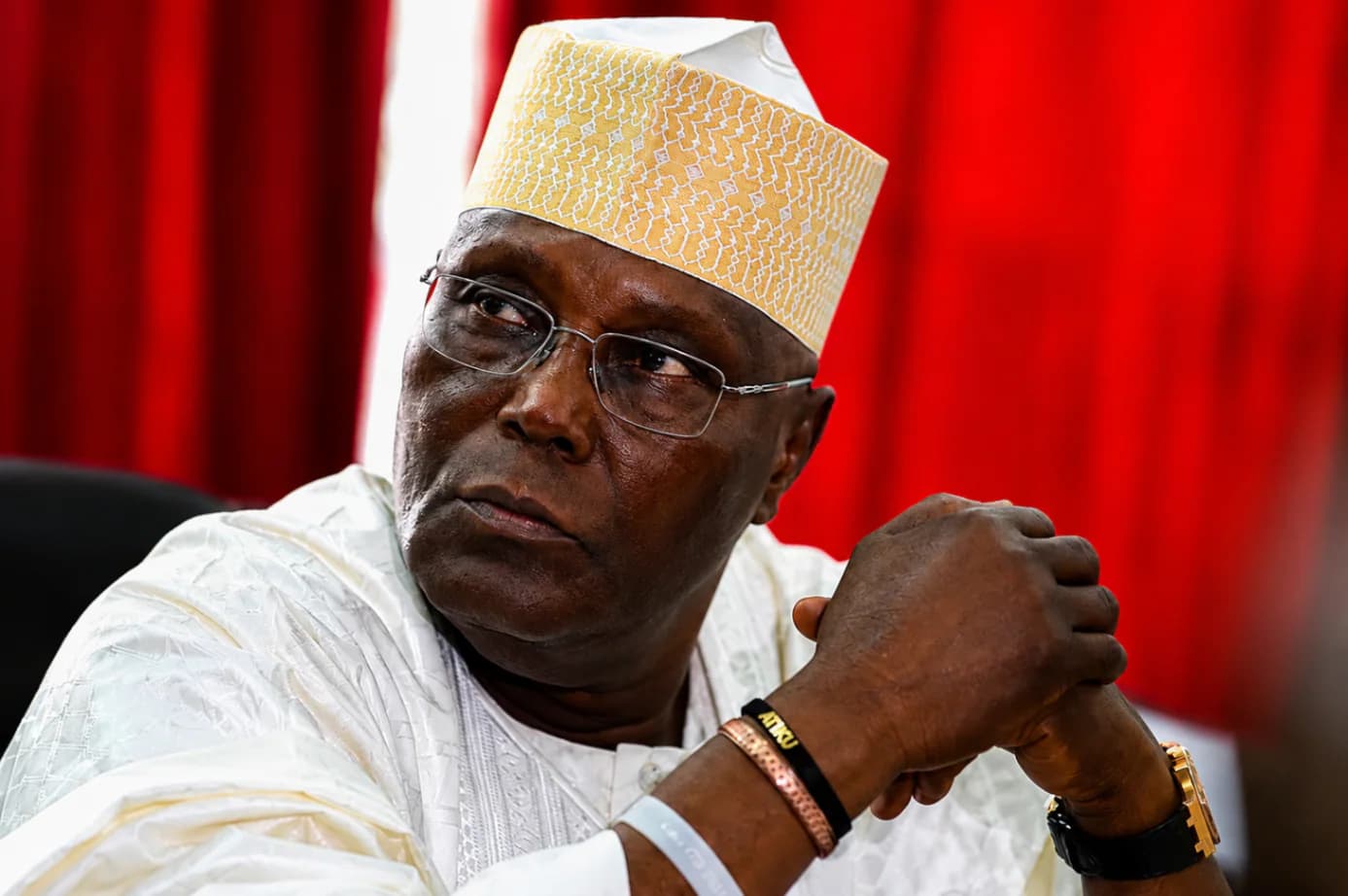
Former Vice President and African Democratic Congress (ADC) presidential candidate Atiku Abubakar has reignited Nigeria's long-running fuel subsidy debate with a proposal that has already triggered sharp criticism from President Bola Tinubu, the Presidency and FCT Minister Nyesom Wike.
Atiku has argued that Nigeria needs a different approach to petrol pricing and subsidy intervention, saying the benefits Nigerians were promised after the removal of the subsidy have not been sufficiently felt.
The issue has quickly become part of the emerging 2027 presidential campaign, with both sides presenting very different views of what Nigeria should do with fuel prices and the money previously spent on subsidies.
What Atiku Is Proposing
Atiku's position has been described in some reports as a promise to restore the petrol subsidy if he wins the presidency in 2027.
However, his more detailed proposal goes beyond simply returning to the old subsidy arrangement.
According to Atiku's Atiku Economic Recovery Plan (AERP) 2027, his proposal would move intervention away from subsidising imported fuel and towards domestic production.
He has described the idea as a shift:
From importation to domestic production
From intermediaries to Nigerian refineries
From unverifiable claims to independently verifiable production
The proposal would involve a targeted, capped and independently audited production subsidy for domestic refineries.
That distinction is important because describing the proposal simply as a return to the old subsidy regime does not capture the full structure Atiku has outlined.
Atiku Questions Where the Savings Went
Atiku's argument is built around what he says Nigerians have experienced since Tinubu removed the petrol subsidy in May 2023.
During a recent interview, Atiku questioned where the money saved from the policy had gone.
He argued that the savings should have been used to improve areas such as healthcare, education and security, while Nigerians instead faced significantly higher petrol, transportation and food costs.
“If elected,” Atiku said, he would restore subsidy support while ensuring that anyone found to have stolen public funds would be made to return them.
The former vice president has also challenged the government to provide greater transparency about the financial gains from subsidy removal.
Government Says the Reform Generated Trillions
The Federal Government has rejected the suggestion that Nigerians have received no benefit from the policy.
Finance Minister and Coordinating Minister of the Economy Taiwo Oyedele said this week that the removal of the subsidy generated approximately ₦15.8 trillion in resources for the federation between June 2023 and December 2025.
That figure has become an important part of the government's defence of the reform.
Government officials argue that the resources previously used to subsidise petrol have instead increased the funds available to the federal, state and local governments.
Supporters of the policy therefore see Atiku's proposal as a threat to reforms that they believe have improved government finances.
Tinubu Pushes Back
President Tinubu has also entered the debate directly.
While receiving Osun State Governor Ademola Adeleke at the State House in Abuja on Thursday, Tinubu criticised Atiku's proposal and described it as evidence of “serious ignorance” about governance and the economy.
The President's position reflects his administration's long-standing argument that Nigeria cannot sustainably return to the subsidy model that existed before May 2023.
The government has maintained that subsidy removal was necessary because the old system placed a significant burden on public finances.
Presidency Accuses Atiku of Political Manipulation
Tinubu's Special Adviser on Media and Public Communication, Sunday Dare, was even more direct in his response.
Dare accused Atiku of using the subsidy issue for political advantage ahead of the 2027 election.
He described Atiku's pledge as deceptive and argued that bringing back subsidy intervention could undermine the economic recovery the government says is underway.
The Presidency's response has therefore framed the issue as more than a disagreement over petrol pricing.
It has become a debate about the direction of Nigeria's economic policy.
Wike Attacks Atiku
FCT Minister Nyesom Wike has also criticised the proposal.
Wike accused Atiku of changing his position on fuel subsidy for political reasons.
He pointed to Atiku's previous comments about subsidy and questioned why the former vice president now supports an intervention that he had previously criticised.
Wike described Atiku as a “voodoo economist” and accused him of saying whatever he believes could improve his chances of becoming president.
He also argued that subsidy removal has increased the revenues available to governments for salaries, pensions and other obligations.
Atiku's Camp Rejects the Characterisation
Atiku's proposal, however, is not simply a call to return to the exact system that existed before 2023.
His economic plan specifically proposes tying subsidy support to domestic refining, with limits and independent auditing intended to reduce the opportunities for fraud that historically surrounded petrol subsidy payments.
Atiku has argued that the choice facing Nigeria should not simply be presented as:
subsidy versus no subsidy.
Instead, he wants the debate to focus on whether government intervention can be designed in a way that directly benefits Nigerian consumers while supporting domestic production.
That distinction is likely to become increasingly important as the 2027 campaign develops.
Why Fuel Subsidy Remains Such a Sensitive Issue
Fuel prices have an unusually broad impact on Nigerian households.
When petrol prices rise, transportation costs can increase.
Those higher transportation costs can then affect the price of food and other goods because businesses must spend more to move products.
That is why the removal of subsidy remains one of the most politically sensitive economic decisions of the Tinubu administration.
For many Nigerians, the question is not simply whether the subsidy was financially sustainable.
It is whether the economic reforms that replaced it have produced enough benefits to compensate for the higher cost of living.
The Political Battle Is Just Beginning
The dispute is emerging as Nigeria enters the campaign period for the 2027 presidential election.
Tinubu is seeking another term, while Atiku is preparing to challenge the incumbent under the ADC.
The fuel subsidy debate therefore gives both politicians an opportunity to present competing visions.
Tinubu can point to increased government revenue and the structural reforms implemented since 2023.
Atiku can point to petrol prices, household expenses and his argument that Nigerians have not seen enough of the benefits promised after subsidy removal.
That makes fuel policy likely to remain a major campaign issue over the coming months.
What People Are Saying Online
The debate has already spread across social media, with Nigerians taking sharply different positions.
Some users support Atiku's argument and are asking a straightforward question:
If trillions have been saved, where are the benefits for ordinary Nigerians?
Others argue that bringing back subsidies would simply recreate the same problems that existed before 2023, including alleged corruption, weak transparency and pressure on government finances.
Another group is focusing on Atiku's proposed production-based model, pointing out that it is different from simply subsidising imported petrol.
There is also a strong political dimension to the online conversation.
Supporters of the APC are accusing Atiku of making a campaign promise designed to appeal to Nigerians struggling with high living costs.
Atiku supporters, meanwhile, argue that the government's criticism does not answer questions about how the savings from subsidy removal have been used.
The debate is therefore likely to continue well beyond the latest exchange between Atiku, Tinubu and Wike.
The Bigger Question for Nigerians
Behind the political arguments is a more fundamental economic question:
What is the best way for Nigeria to keep petrol affordable without creating an unsustainable burden on public finances?
The old subsidy system was expensive and controversial.
But removing it transferred much of the immediate pressure to consumers.
Atiku's proposal attempts to find a middle ground by directing support towards domestic refining rather than imported fuel.
Whether such a system could work in practice would depend heavily on transparency, production levels, auditing and the government's ability to prevent abuse.
What Happens Next?
The fuel subsidy debate is unlikely to disappear.
With the 2027 election campaign now gathering momentum, politicians will continue to present different answers to one of the biggest economic questions facing Nigerian voters.
For Atiku, the challenge will be convincing Nigerians that his proposed intervention can reduce the cost burden without recreating the problems associated with the old subsidy regime.
For Tinubu, the challenge will be demonstrating that the difficult reforms introduced since 2023 are ultimately delivering tangible improvements in people's lives.
And for Nigerian voters, the key question may ultimately be much simpler:
Will any proposed fuel policy make life more affordable while keeping the country's finances sustainable?
That is likely to be one of the central economic questions of the 2027 presidential race.
What People Are Saying on X
The conversation on X is particularly divided.
One side is asking where the subsidy savings went, echoing Atiku's demand for greater transparency.
Another side argues that subsidy removal was necessary, saying Nigeria cannot afford to return to a system that placed a huge burden on public finances.
There is also significant discussion about Atiku's proposed production-based model, with some users pointing out that it is not identical to the old import subsidy system.
Meanwhile, Wike's harsh criticism has become a separate talking point, with users debating whether his attack represents a genuine economic argument or part of the broader 2027 political battle.
One important point for readers is that Atiku's proposal and the old fuel subsidy regime should not automatically be treated as the same policy. His detailed plan calls for targeted support linked to domestic production and independent auditing.
Sources
Vanguard — coverage of the dispute between Tinubu and Atiku and details of Atiku's proposed production-based subsidy model. Vanguard — Fuel Subsidy: Tinubu, Atiku Battle
The PUNCH — Presidency's response to Atiku's subsidy proposal and the government's argument about the economic recovery. The PUNCH — Presidency Blasts Atiku Over Fuel Subsidy Pledge
The Guardian — report on Atiku's 2027 campaign position and his call for subsidy intervention. The Guardian — Atiku Promises to Return Fuel Subsidy
P.M. News — Wike's criticism of Atiku and his argument that the former vice president has changed his position on subsidy. P.M. News — Wike Tears Into Atiku Over Fuel Subsidy
Reuters — broader context on Nigeria's economic reforms, subsidy removal and the political environment heading into 2027. Reuters — Nigeria's 2027 Election Campaign
PUBLISHER NOTE
About Talk Ya True
Talk Ya True publishes independent reporting and analysis with clear attribution, source transparency and corrections when needed.
Related Articles
Politics
Tinubu Supporters Take 2027 Campaign to Bayelsa With Yenagoa Walk
Politics
Kwankwasiyya Red Caps Burned in Viral Kano Video as Obi Alliance Sparks Political Backlash
Politics
Nigeria’s 2027 Election Campaigns Begin as Tinubu, Obi and Atiku Enter Fresh Political Battle
Politics
“Tinubu Will Lose by 4pm” — PRP Chairman Makes Bold 2027 Election Prediction
Stay Informed
Get the latest stories from Nigeria.
Free news updates. Unsubscribe anytime.
By subscribing, you agree to receive free news updates from Talk Ya True. You can unsubscribe at any time.