Politics
Deji Adeyanju Sparks Fresh Peter Obi Debate With Claims of Greater Activism Record
Deji Adeyanju has reignited his public clash with Peter Obi by drawing attention to his long history of activism, protests and personal sacrifices in Nigeria's democratic struggle. His comments have triggered a heated online debate over whether activism should be measured by years of protest and personal risk or by political leadership and governance.
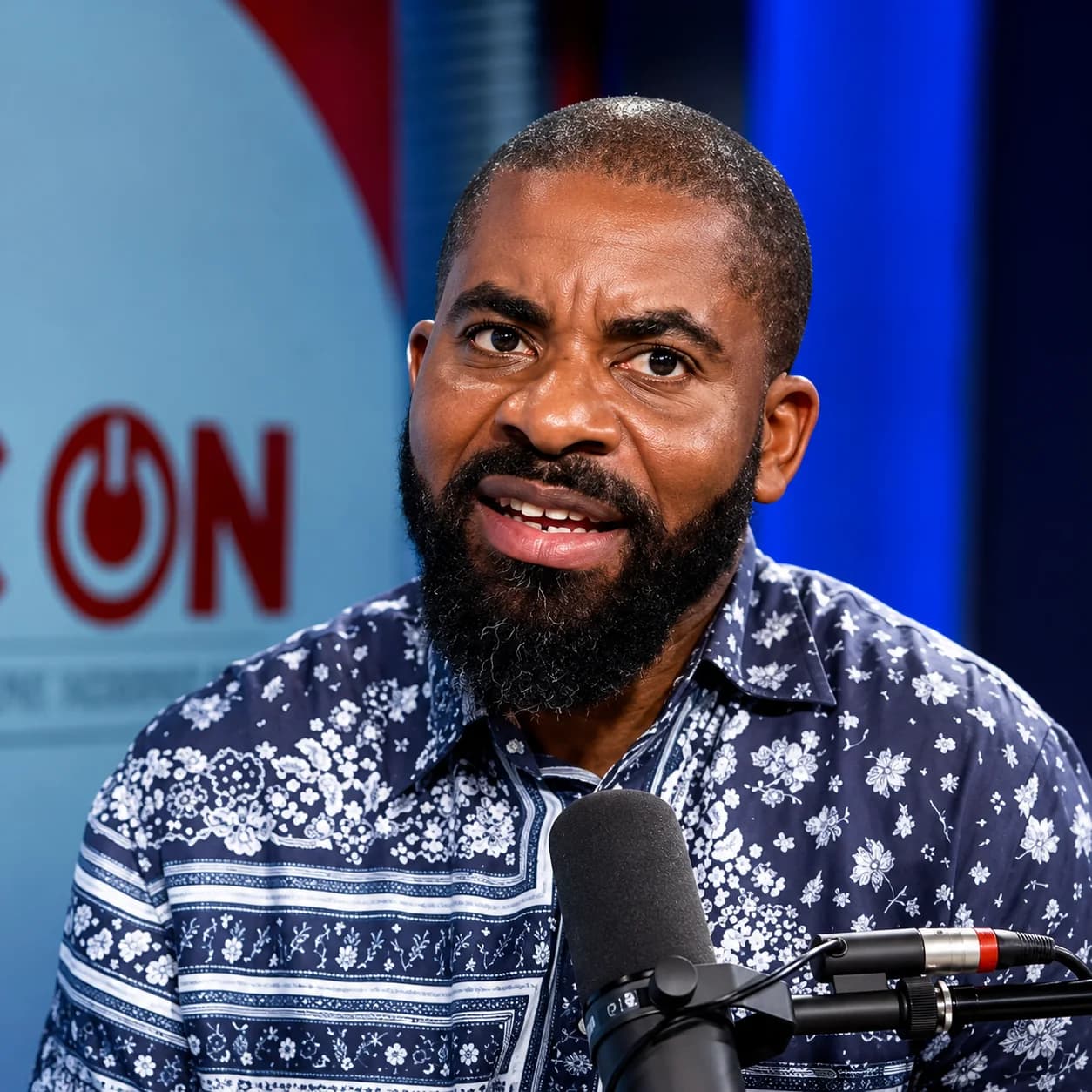
Human rights lawyer and activist Deji Adeyanju has reignited his long-running public disagreement with former Anambra State governor Peter Obi, placing his own history of activism at the centre of a fresh debate over who has made a greater contribution to Nigeria's democratic struggle.
Adeyanju's latest comments have generated strong reactions online, particularly among Nigerians who have followed the increasingly bitter relationship between the activist and the former presidential candidate.
The argument is no longer simply about politics.
It has become a debate about what qualifies someone as a genuine activist and whether political leadership should be compared with years of civil-rights activism.
Adeyanju Points to His Activism Record
Adeyanju has repeatedly highlighted his history of activism, including participation in protests, confrontations with government authorities and periods in detention.
His supporters say he began political activism at a young age and was involved in protests dating back to the military era.
His documented activism has included student activism and campaigns around democracy, human rights and political accountability.
That history is central to his argument that people should not automatically equate political popularity with activism.
The Peter Obi Comparison
The comparison with Obi is particularly provocative because the former Anambra governor has become one of Nigeria's most prominent opposition figures since the 2023 presidential election.
Obi's supporters point to his eight years as governor of Anambra, his emphasis on reducing the cost of governance and his emergence as a major opposition voice.
Adeyanju, however, has questioned what he considers Obi's contribution to Nigeria's democratic struggles before becoming a major political figure.
In 2025, while explaining his opposition to an Obi candidacy for 2027, Adeyanju explicitly contrasted Obi's political career with his own history of activism and said that activists had put their lives on the line for democracy.
That argument has now become part of the larger online debate.
"Who Has Sacrificed More?"
The question being debated online is essentially this:
Does political leadership automatically make someone an activist?
For Adeyanju's supporters, the answer is no.
They argue that activism involves taking risks before political power is available — protesting, challenging authorities and sometimes facing arrest or persecution.
From that perspective, a politician who later becomes an opposition leader should not necessarily be placed in the same category as someone who spent years confronting governments from outside political office.
But Obi's supporters see the comparison differently.
They argue that political leadership itself can be a form of public service and that Obi's record as governor and presidential candidate should be considered when assessing his contribution to Nigeria.
Adeyanju and Obi Were Once on the Same Side
The irony of the latest dispute is that Adeyanju was not always a critic of Obi.
In 2022, Adeyanju publicly said Obi was the best candidate among those who had declared for the presidency at the time, although he also described him as flawed and alleged corruption connected to his administration.
Their relationship subsequently deteriorated dramatically.
Adeyanju became increasingly critical of Obi, while Obi's supporters accused the activist of attacking their preferred candidate.
The disagreement eventually moved beyond social media.
The Dispute Reached the Courts
The feud escalated into a legal confrontation after Obi's legal team threatened Adeyanju with litigation over alleged defamatory statements.
By October 2025, reports said Obi had filed a ₦1.5 billion defamation lawsuit against Adeyanju over statements allegedly made on social media.
That legal history has inevitably influenced how Nigerians interpret Adeyanju's latest criticisms.
Supporters of Obi often see his attacks as part of a personal campaign against the former governor.
Adeyanju's supporters, on the other hand, argue that criticism of a public figure should not be interpreted as a personal vendetta simply because the two men have fallen out.
Nigerians Are Divided
The reaction online has been predictable but intense.
One side argues that Adeyanju has earned the right to speak about activism because of his personal history.
Supporters point to his arrests, protests and confrontations with authorities as evidence that he has taken real risks for his political beliefs.
Another camp argues that activism should not become a competition over who has suffered more.
They say Nigerians should be more interested in what each person has actually achieved for the country.
Some users have also questioned whether constantly comparing himself with Obi strengthens Adeyanju's argument or simply keeps the feud alive.
The "Obidient" Factor
The dispute has also become entangled with the large online community supporting Peter Obi.
Adeyanju has repeatedly criticised what he describes as the intolerance of some Obi supporters toward political criticism.
In August 2025, he said he would vote for President Bola Tinubu rather than support Obi if the opposition coalition selected Obi as its 2027 presidential candidate, arguing that some Obi supporters had created a hostile political culture online.
That statement further intensified the disagreement.
For many Nigerians, the argument is now about much more than Adeyanju and Obi themselves.
It has become another battle over the future direction of Nigeria's opposition politics.
But Activism and Governance Are Different Things
One important point can easily get lost in the argument.
Activism and governance are not the same profession.
An activist's role is often to challenge government, expose abuses and pressure authorities to change policy.
A governor or president has a different responsibility: managing institutions, delivering services, making policy and governing millions of people.
It is therefore difficult to objectively determine who is "bigger" simply by comparing activism with political office.
The two roles involve different forms of public service.
Adeyanju's Record Is Still Significant
That does not diminish Adeyanju's activism history.
His involvement in protests and confrontations with successive governments is well documented, and he has spent years positioning himself as an outspoken critic of political power.
His activism has also included defending controversial figures and challenging government agencies.
In 2025, for example, Adeyanju represented VeryDarkMan and criticised the EFCC over the influencer's detention, demonstrating that his human-rights advocacy has continued beyond his earlier political activism.
Obi's Record Is Also More Than Politics
Likewise, reducing Peter Obi to simply "a politician" ignores the political impact of his post-2023 movement.
His 2023 presidential campaign generated an unusually strong youth-driven political movement and turned him into one of Nigeria's most influential opposition figures.
He has also remained active in political protests and opposition activities.
In February 2026, Adeyanju himself praised Obi for joining the #OccupyNASS protest against aspects of the amended Electoral Act, describing his presence as an important stand for electoral reform.
That moment demonstrates just how complicated the relationship between the two men has become.
Adeyanju can sharply criticise Obi while still acknowledging his participation in particular democratic causes.
The Bigger Question
Perhaps the real issue raised by the controversy is whether Nigerians have become too focused on personalities.
Instead of asking who is "bigger", perhaps the more useful questions are:
Who has defended democracy when it was dangerous to do so?
Who has delivered measurable results in public office?
Who has consistently held governments accountable?
And who has demonstrated integrity when given power?
Those questions produce a much more meaningful assessment than social-media popularity.
The Bottom Line
Deji Adeyanju's latest comparison with Peter Obi has reopened one of Nigeria's most fascinating political arguments: what actually makes someone a credible activist?
Adeyanju can point to years of protests, arrests and confrontation with government authorities.
Obi can point to his record in public office, his emergence as a major opposition figure and his enormous political influence.
The two men have also moved from political disagreement into a bitter public feud that has included legal action.
Ultimately, the debate may not be about who is "bigger."
It may be about whether Nigerians are willing to recognise that activism, political leadership and public influence are three different forms of power — and each should be judged on its own record.
Tags
PUBLISHER NOTE
About Talk Ya True
Talk Ya True publishes independent reporting and analysis with clear attribution, source transparency and corrections when needed.
Related Articles
Politics
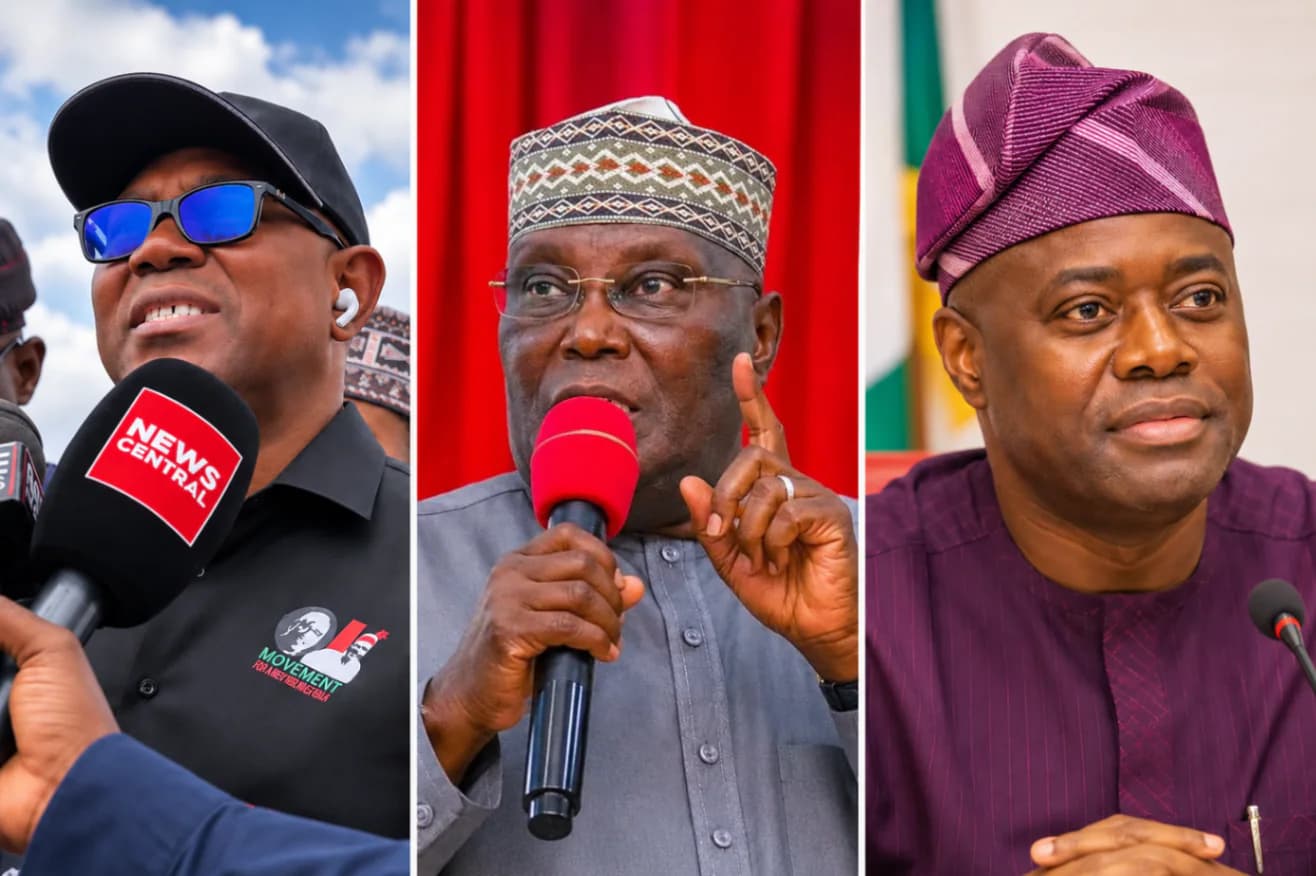
Atiku, Obi and Makinde Hold Firm as Opposition Struggles for One 2027 Candidate
Politics
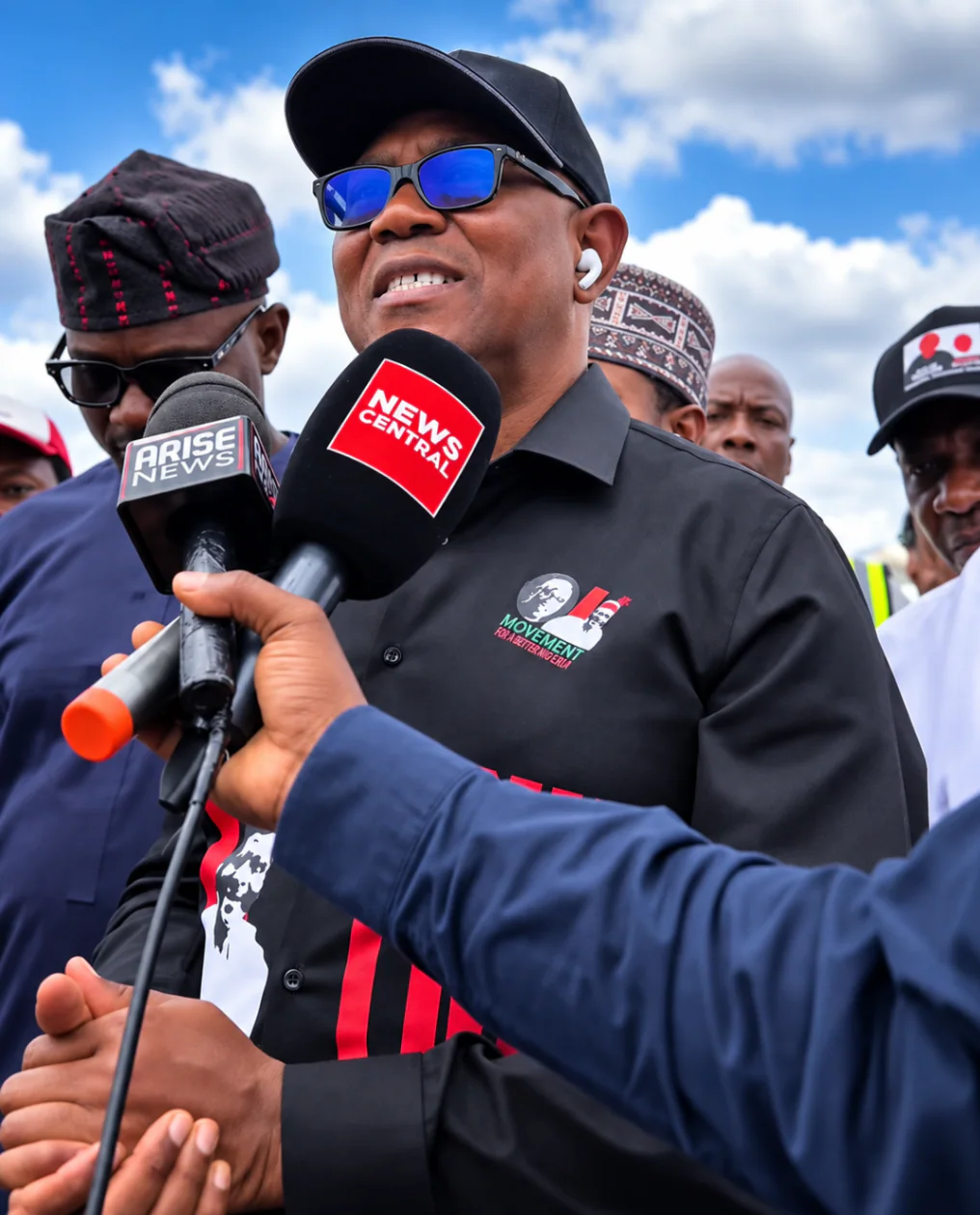
Peter Obi’s Benue Visit Blocked as Youths Stop Convoy on Gboko Road
Politics
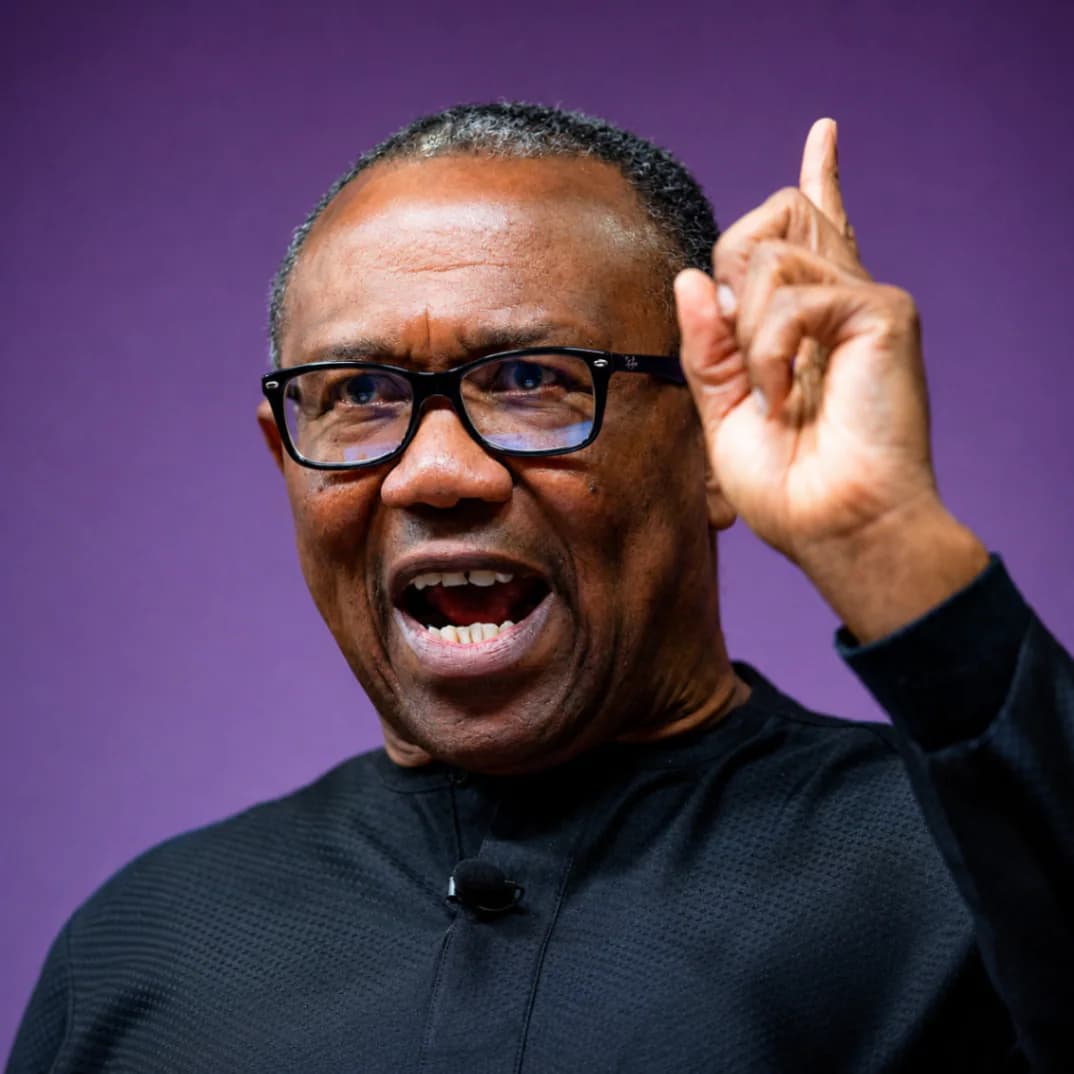
Peter Obi: “Nigeria Is Not at War” as Insecurity Triggers Fresh Outcry
Politics
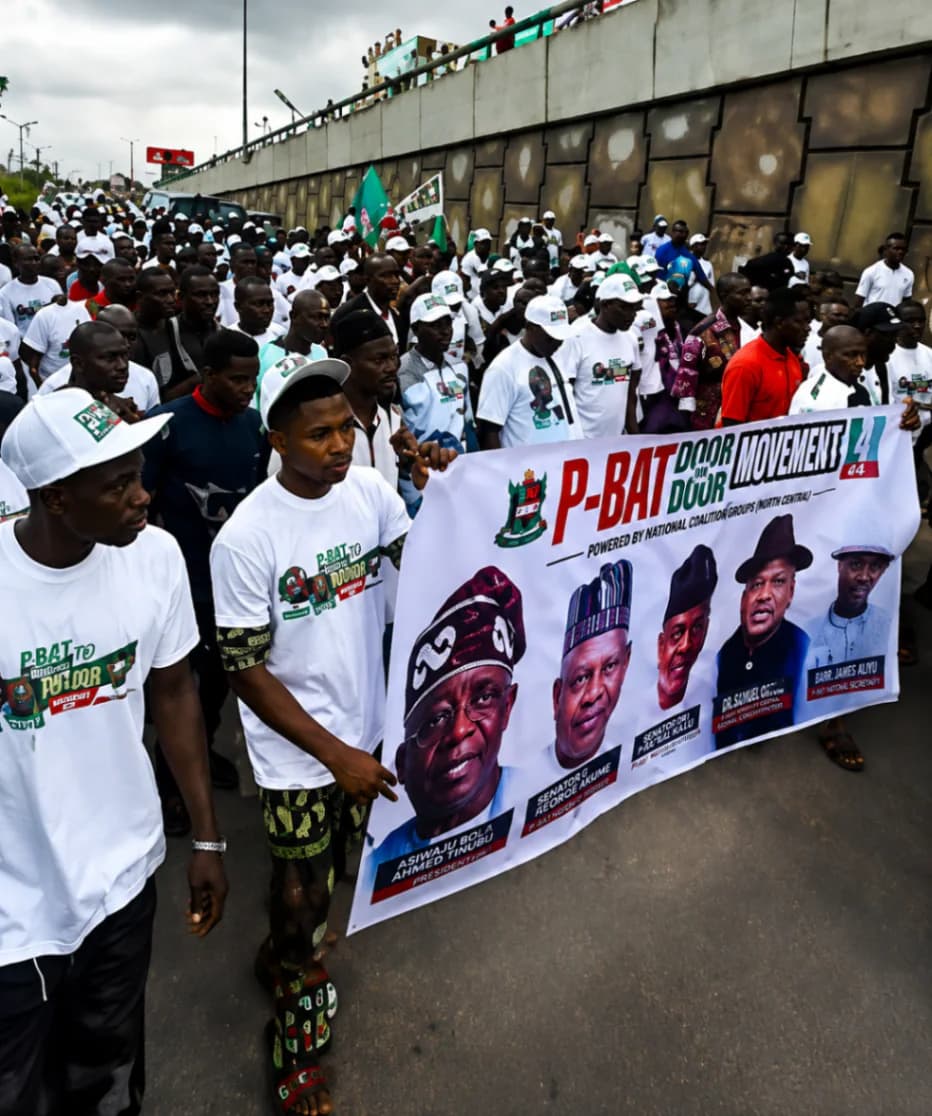
Tinubu Supporters Take 2027 Campaign to Bayelsa With Yenagoa Walk
Stay Informed
Get the latest stories from Nigeria.
Free news updates. Unsubscribe anytime.
By subscribing, you agree to receive free news updates from Talk Ya True. You can unsubscribe at any time.