Politics
DSS Seeks to Pause Sowore Trial Until After 2027 Election as Activist Demands Case Withdrawal
The Department of State Services has directed its lawyers to seek an adjournment of its cybercrime case against African Action Congress presidential candidate Omoyele Sowore until after the 2027 presidential election. The development has triggered a political and legal debate, with Sowore rejecting the proposed delay and demanding that the DSS withdraw the case and apologise.
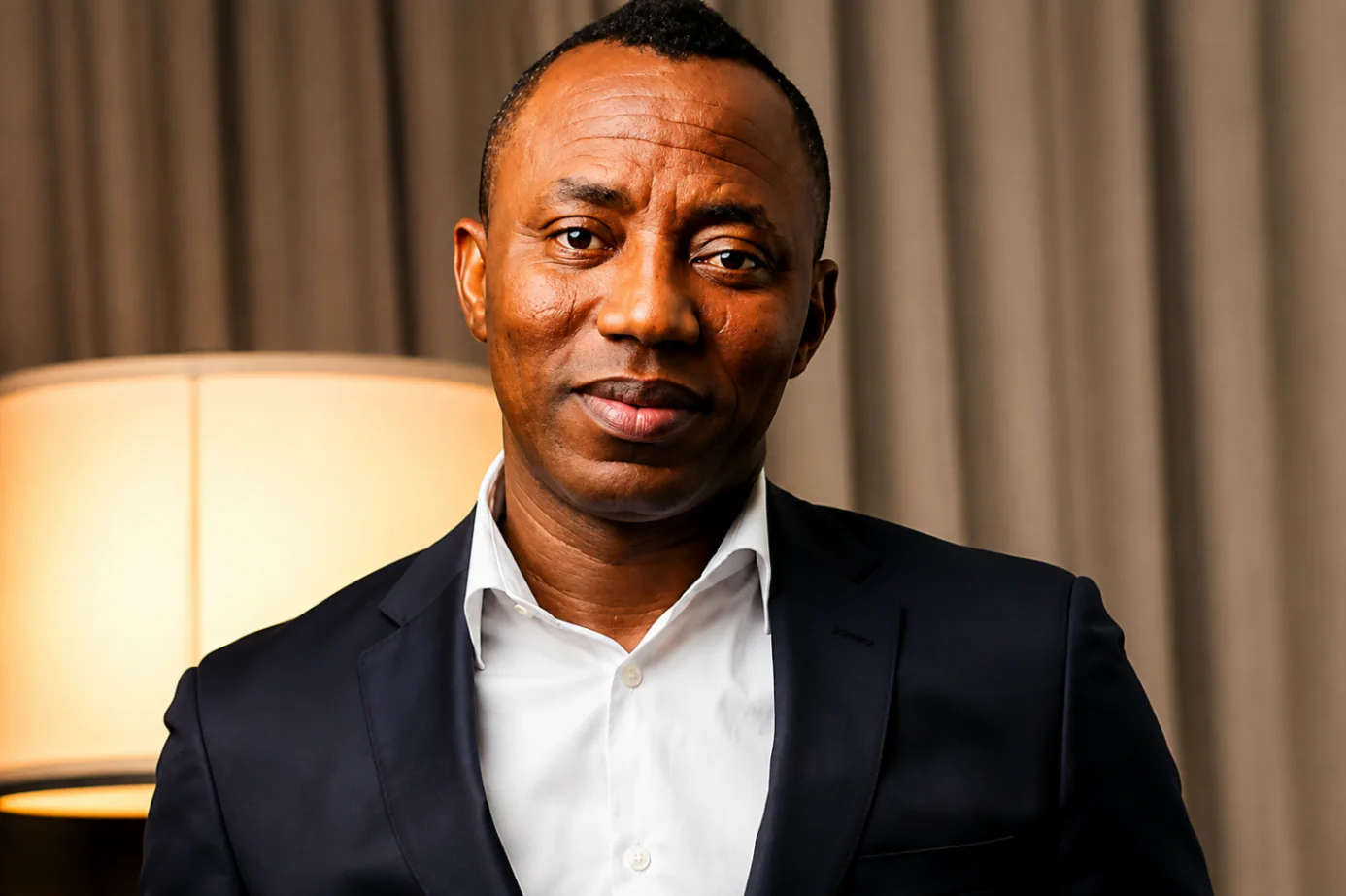
The Department of State Services has directed its legal team to seek an adjournment of the case against African Action Congress presidential candidate Omoyele Sowore until after the 2027 presidential election.
The development has created an unusual twist in a case that has been before the court for almost a year.
Sowore, who is preparing to contest the 2027 presidential election, has rejected the proposed delay and instead demanded that the DSS withdraw the case entirely.
The dispute has now raised questions about political participation, freedom of expression and the role of security agencies during an election period.
WHAT THE DSS WANTS
According to reports, DSS Director-General Oluwatosin Ajayi directed the agency's legal team to explore ways of suspending the proceedings until after the election.
The presidential election is scheduled for January 16, 2027.
The agency reportedly believes that pausing the proceedings would allow Sowore to participate fully in the election without the court case becoming a distraction or hindrance.
The proposed adjournment would last several months.
The DSS has argued that the case has already been before the court for almost a year and that postponing proceedings until after the election would not prejudice the case.
The matter is expected to return before the Federal High Court in September, when the proposed adjournment can formally be presented.
WHY IS SOWORE ON TRIAL?
The case arose from social-media posts made by Sowore in August 2025.
The DSS took issue with posts in which Sowore referred to President Bola Tinubu as a "criminal."
The agency had previously given him seven days to remove the posts.
After he refused, the DSS approached the Federal High Court seeking a determination on whether describing the president or another person as a criminal without a judicial pronouncement could constitute an offence.
The case subsequently proceeded against Sowore.
SOWORE REJECTS THE DELAY
Sowore has strongly rejected the proposed suspension.
Speaking on Channels Television on Monday, he argued that the DSS should withdraw the case rather than seek to delay it.
He also demanded an apology from the agency.
Sowore said he was already participating in the court process when the DSS initially insisted that the trial should continue despite the approaching election.
He questioned why the agency had now changed its position.
For Sowore, the issue is not simply about postponing a court hearing.
He believes the case itself should be withdrawn.
THE POLITICAL TIMING
The timing is what makes the development particularly interesting.
Sowore is not simply a defendant in the case.
He is also a presidential candidate.
That means any court proceedings involving him during the election campaign could potentially affect his ability to travel, campaign, attend political events or dedicate time to his presidential bid.
The DSS appears to be acknowledging that concern by seeking to pause the case.
But the decision has also created another question:
Why did the agency begin the case in the first place if it now believes continuing the proceedings during the election period could interfere with Sowore's campaign?
That is likely to remain part of the political debate.
A CASE ABOUT FREE SPEECH?
The case has inevitably raised questions about the limits of political speech in Nigeria.
Political campaigns are often heated.
Candidates routinely accuse opponents of corruption, incompetence and wrongdoing.
But the law still places limits on certain forms of speech.
The central legal question in Sowore's case concerns whether publicly describing someone as a criminal without a judicial finding can attract legal consequences.
That question has implications beyond Sowore.
It could affect how politicians, journalists, activists and ordinary social-media users discuss public officials.
WHY THE CASE MATTERS AHEAD OF 2027
Nigeria's 2027 election is already becoming increasingly competitive.
The emergence of multiple presidential candidates means political parties and movements are preparing for a long campaign.
A case involving one of the presidential candidates therefore carries significance beyond the individual defendant.
If the case continues during the campaign, it could become a recurring political issue.
If it is paused, critics may ask whether the DSS is treating Sowore differently because of the election.
If it is withdrawn entirely, another debate could emerge over why the prosecution was initiated in the first place.
TALK YA TRUE ANALYSIS
The most interesting aspect of this story is not that the DSS wants more time.
It is why the timing has changed.
A court case that the security agency previously pursued is now being considered for suspension because the defendant is contesting a presidential election.
From a democratic perspective, that creates a difficult balance.
A presidential candidate should be able to campaign without unnecessary legal obstacles.
At the same time, becoming a candidate should not automatically place someone beyond the reach of the law.
The solution should therefore be consistency.
If the case has merit, it should remain capable of being prosecuted.
If the allegations do not justify prosecution, the government should explain why the case was brought.
And if a temporary adjournment is genuinely necessary to protect the electoral process, the reasons should be transparent.
What should be avoided is the appearance that the justice system changes depending on who is contesting an election.
FINAL WORD
The DSS's decision to seek an adjournment of its case against Omoyele Sowore until after the 2027 presidential election has added another unexpected chapter to the controversy.
Sowore has rejected the proposed delay and is demanding that the case be withdrawn.
The Federal High Court will ultimately decide whether the proceedings should be postponed.
But the broader issue goes beyond one politician.
It concerns the relationship between security agencies, political candidates and freedom of expression during an election period.
Nigeria's 2027 election will test not only political parties and candidates but also the institutions responsible for ensuring that the democratic process remains credible.
KEY FACTS
Defendant: Omoyele Sowore
Political party: African Action Congress
Position: Presidential candidate
Agency: Department of State Services
Issue: Alleged cybercrime/cyber-bullying case
Origin of case: Social-media posts made by Sowore in August 2025
DSS's latest position: Seek adjournment until after the 2027 presidential election
Election date: January 16, 2027
Sowore's position: Wants the case withdrawn and has demanded an apology
Current status: Court proceedings ongoing
Important clarification: The proposed adjournment does not mean the case has been dismissed.
SOURCES
Channels Television — Sowore demands apology and withdrawal of DSS case.
The Guardian — DSS seeks to suspend Sowore trial until after presidential election.
THISDAY — Details of DSS request to suspend proceedings.
Tags
PUBLISHER NOTE
About Talk Ya True
Talk Ya True publishes independent reporting and analysis with clear attribution, source transparency and corrections when needed.
Related Articles
Nigeria
Comedian Aiza Nwosu Shot Dead in Awka as Police Launch Manhunt for Attackers
Nigeria
VIDEO SHOWS REMAINS BEING MOVED FOR MASS BURIAL AT BENUE TEACHING HOSPITAL, RAISING QUESTIONS OVER UNCLAIMED BODIES
Nigeria
Umahi Orders Arrest of Hartland MD Over Alleged Failure to Complete ₦14bn Benin-Onitsha Road Section
Nigeria
Ogun Forest Meth Lab: How NDLEA Uncovered a ₦480bn Alleged Drug Operation — and What Happens Next
Stay Informed
Get the latest stories from Nigeria.
Free news updates. Unsubscribe anytime.
By subscribing, you agree to receive free news updates from Talk Ya True. You can unsubscribe at any time.