Nigeria
Federal Government Exceeds Borrowing Target by ₦12.62 Trillion, Raising Fiscal Concerns
Nigeria's Federal Government exceeded its approved borrowing target by ₦12.62 trillion in 2025, according to the latest debt analysis, raising fresh concerns about the country's rising public debt, fiscal sustainability and growing debt servicing obligations. Economists say the development highlights the increasing pressure on government finances despite ongoing economic reforms.
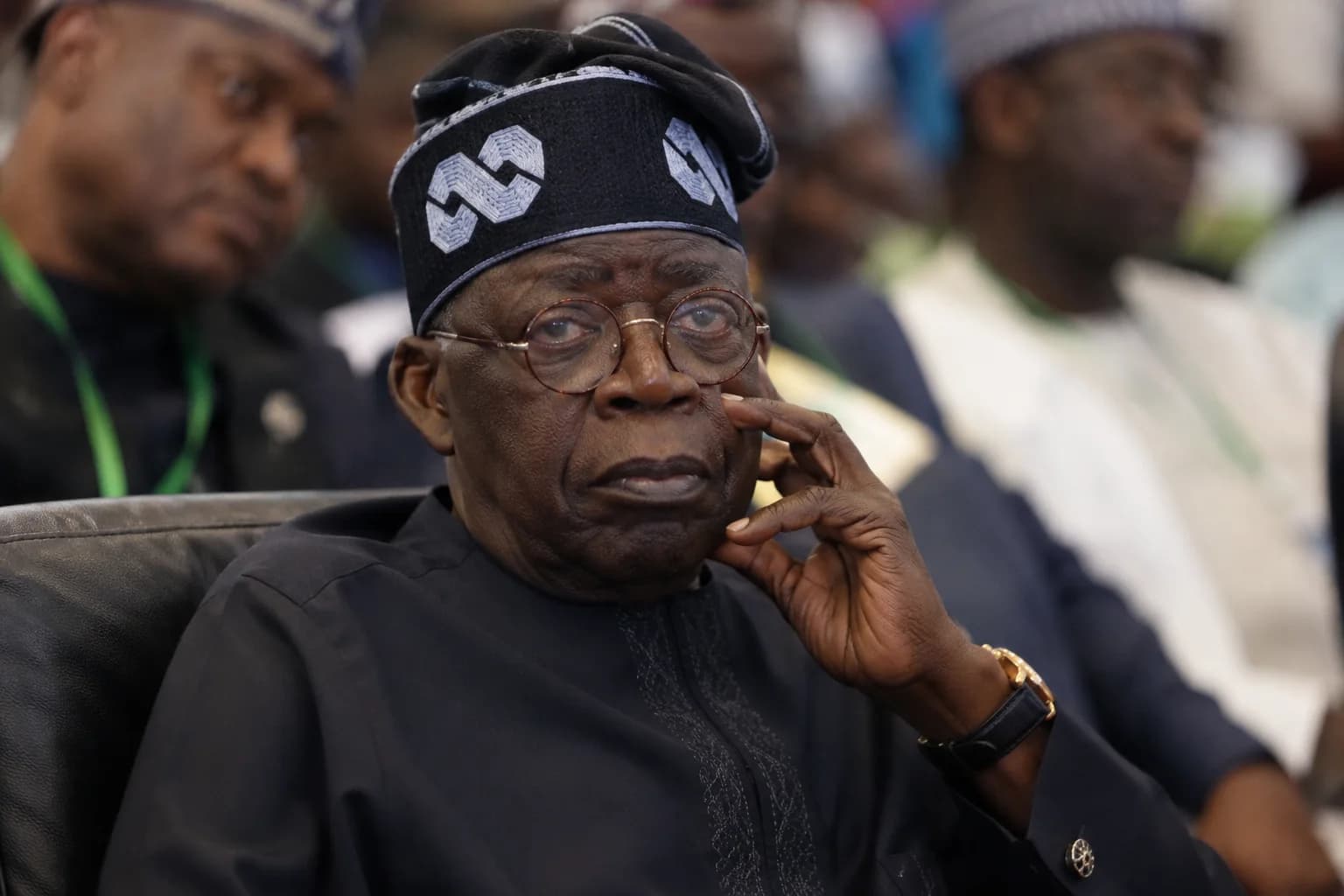
The Federal Government overshot its borrowing target by ₦12.62 trillion in 2025, according to recent fiscal reports, adding to concerns over Nigeria's rising debt profile and the long-term sustainability of public finances. (punchng.com)
The latest figures indicate that actual borrowing significantly exceeded the amount originally approved in the national budget, reflecting the government's increasing reliance on debt to finance budget deficits, infrastructure projects and other public expenditures.
Why the Government Borrowed More
Analysts say several factors contributed to the higher borrowing, including lower-than-expected government revenue, increased spending on infrastructure, security operations and debt servicing, as well as the impact of economic reforms introduced by the Tinubu administration.
The government has consistently argued that borrowing is necessary to finance critical projects capable of stimulating economic growth and improving public services. However, experts warn that sustained borrowing without corresponding revenue growth could place additional pressure on the country's finances. (punchng.com)
Economists Express Concern
Financial experts have cautioned that Nigeria's growing debt burden could increase future debt-servicing costs and reduce the amount of money available for essential sectors such as education, healthcare and infrastructure.
Some economists have called for stronger tax collection, improved non-oil revenue generation and greater efficiency in public spending to reduce dependence on borrowing. Others argue that debt can support development if borrowed funds are invested in productive projects that generate economic returns.
Government Defends Borrowing Strategy
The Federal Government maintains that Nigeria's debt remains within manageable levels compared to the size of the economy.
Officials have repeatedly stated that the administration's focus is on expanding government revenue, attracting investment and implementing reforms aimed at reducing fiscal deficits over time. They argue that ongoing economic policies will strengthen the country's financial position and gradually ease pressure on public debt.
What It Means for Nigerians
The increase in government borrowing is expected to remain a key issue in economic and political discussions as Nigeria seeks to balance development needs with fiscal responsibility.
Economists say improving revenue generation and ensuring transparency in the use of borrowed funds will be critical to maintaining investor confidence and supporting sustainable economic growth.
PUBLISHER NOTE
About Talk Ya True
Talk Ya True publishes independent reporting and analysis with clear attribution, source transparency and corrections when needed.
Related Articles

Nigeria
37 Suspected Illegal Miners Die in NSCDC Custody as Tinubu Orders Independent Probe
Nigeria
FG to Give 5 Million Nigerian Students 100MB Free Daily Data From October
Nigeria
Reps Uncover 58 Bank Accounts and Alleged ₦400m Deal in PFIPC Investigation

Business
Nigeria’s Foreign Reserves Hit $52.83 Billion as Naira Holds Relatively Steady
Stay Informed
Get the latest stories from Nigeria.
Free news updates. Unsubscribe anytime.
By subscribing, you agree to receive free news updates from Talk Ya True. You can unsubscribe at any time.