Politics
Nigeria's Opposition Searches for Common Ground as 2027 Grand Alliance Talks Gather Momentum
Nigeria's opposition is once again exploring the possibility of a broad political alliance capable of challenging President Bola Tinubu in 2027. But with Atiku Abubakar, Peter Obi, Rabiu Kwankwaso and other political heavyweights pursuing different platforms and ambitions, the biggest challenge may not be defeating the APC - but agreeing on who should lead the opposition into the election.
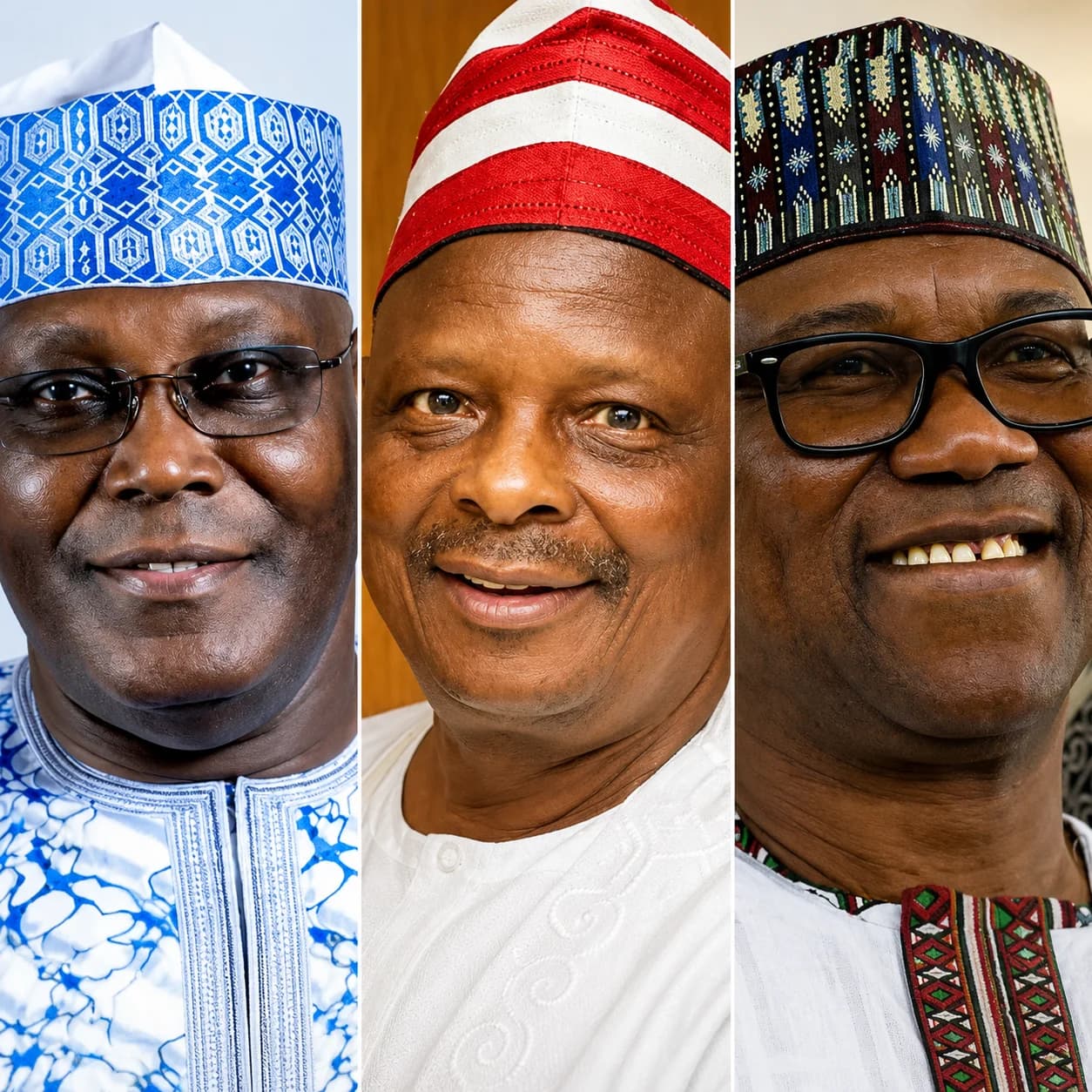
Nigeria's opposition is once again facing a defining political question ahead of the 2027 presidential election: can the country's major opposition forces put aside their differences and unite behind a single presidential candidate?
The idea of a grand opposition alliance has returned to the centre of political conversation, with former Vice President Atiku Abubakar and other opposition figures continuing to explore ways of creating a stronger challenge to President Bola Tinubu and the ruling All Progressives Congress.
Recent comments from PDP figures have suggested that a possible alliance involving major opposition personalities remains achievable, despite the political movements and disagreements that have emerged over the past year.
But there is a major complication.
The opposition is no longer operating from one political platform.
The Opposition Has Already Started Moving
One of the biggest developments in the opposition landscape came when Peter Obi and Rabiu Kwankwaso formally joined the Nigeria Democratic Congress (NDC).
Their move followed disagreements within the African Democratic Congress and concerns about internal disputes and litigation.
The two men presented the NDC as an alternative political platform ahead of 2027 and called for a political environment free from endless internal legal battles.
That development complicated earlier expectations that Obi and Kwankwaso could potentially become central figures in an ADC-led opposition coalition.
The political mathematics has therefore changed.
Atiku Still Wants a Strong Opposition
Former Vice President Atiku Abubakar remains one of the most prominent figures in the opposition camp.
His experience, national network and strong support in parts of northern Nigeria make him a major factor in any serious opposition calculation.
But Atiku's continued presidential ambition also creates one of the biggest questions surrounding a possible alliance:
Who gets the ticket?
If several major presidential contenders insist on contesting under the same coalition, unity could become almost impossible.
Obi and Kwankwaso Bring Their Own Political Machines
Peter Obi and Rabiu Kwankwaso are not ordinary opposition politicians.
Obi retains a powerful grassroots and online following associated with the Obidient Movement, while Kwankwaso has a strong political base in northern Nigeria, particularly around his Kwankwasiyya movement.
Analysts have previously described a potential alliance between the two as politically significant because of the different geographical and demographic constituencies they can potentially mobilise.
The combination of Obi's southern support and Kwankwaso's northern base has therefore generated considerable speculation about what a joint ticket could look like.
But that possibility is now complicated by their decision to move to the NDC.
Social Media Wants a Single Candidate
The debate on X has become particularly intense.
One recurring argument is that the opposition made the same mistake in 2023 by splitting its support among multiple presidential candidates.
Atiku contested under the PDP.
Obi ran under the Labour Party.
Kwankwaso contested under the NNPP.
President Tinubu ultimately won the election.
That experience has convinced many opposition supporters that one candidate may be the only realistic way to defeat an incumbent with the machinery of the APC behind him.
But agreeing on that candidate is proving far more difficult.
"Who Will Step Down?"
This is where the grand alliance idea encounters reality.
If Atiku believes he remains capable of winning the presidency, why should he step aside?
If Obi believes his movement has the strongest nationwide momentum, why should he surrender the ticket?
And if Kwankwaso believes his northern political base is essential to defeating Tinubu, why should he accept a secondary role?
These questions are at the heart of the opposition's dilemma.
A coalition can unite parties.
It is much harder to unite presidential ambitions.
The ADC Experience Shows the Problem
The African Democratic Congress had initially emerged as a promising platform for bringing several opposition forces together.
Atiku, Obi, Kwankwaso, Rotimi Amaechi and other prominent figures were all linked to discussions around the coalition.
But internal disagreements and legal disputes eventually undermined the project.
Obi and Kwankwaso's departure demonstrated just how fragile such political arrangements can become when competing interests are involved.
That experience may serve as a warning to the NDC and other opposition platforms.
Could the NDC Become the New Opposition Platform?
With Obi and Kwankwaso now in the NDC, attention is increasingly shifting toward whether the party can become a genuine national opposition platform.
The potential is obvious.
The party could potentially combine Obi's southern support with Kwankwaso's northern political network.
If Atiku or other major opposition figures eventually joined or supported the arrangement, the resulting coalition could become one of the most formidable challenges to the APC.
But political parties are not simply electoral machines.
They require structures, candidates, delegates, funding and agreements over how power will be shared.
The Tinubu Factor
The opposition's desire for unity is also being driven by the strength of the incumbent.
President Tinubu controls the federal government and the machinery of the APC.
The ruling party has also attracted a number of opposition politicians and governors into its orbit, further weakening the traditional opposition structure.
That makes a divided opposition particularly vulnerable.
Some political analysts have warned that continued fragmentation could reproduce the circumstances that helped Tinubu win in 2023.
Nigerians Are Watching the Personalities
The online conversation, however, shows that many Nigerians are not simply interested in party names.
They want to know which politician will actually emerge.
Supporters of Obi argue that he represents generational change.
Kwankwaso supporters point to his northern grassroots strength.
Atiku supporters emphasise experience and national reach.
Others believe figures such as Rotimi Amaechi could also play a significant role in any final opposition arrangement.
The result is a crowded political field in which almost everyone has a reason to believe they should be the one leading.
A Grand Alliance Could Change the Election
If the opposition eventually manages to unite behind a single credible candidate, the 2027 election could look very different from 2023.
A unified opposition could potentially combine voting blocs that were previously divided among several candidates.
That would force the APC to fight a much more concentrated campaign.
But a coalition would only work if its leaders can agree on difficult questions involving the presidential ticket, zoning, party structure and control of the campaign.
Without those agreements, the alliance could collapse before voters ever get to decide.
The Biggest Threat May Be Inside the Opposition
The irony is that the opposition does not necessarily need more politicians.
It needs agreement.
Nigeria already has enough prominent opposition figures capable of attracting voters.
What it lacks is a universally accepted mechanism for deciding which of those figures should lead the collective campaign.
That is why the coming months could be more important than the campaign slogans currently circulating.
The 2027 Battle Is Already Taking Shape
The political realignment is happening earlier than many Nigerians expected.
Parties are changing.
Politicians are defecting.
New alliances are being discussed.
And voters are already debating potential presidential combinations on social media.
The latest calls for a grand alliance show that the opposition understands the mathematics of a divided field.
But understanding the mathematics is not the same as solving it.
The Bottom Line
Nigeria's opposition is once again searching for a formula that could produce a single, formidable challenge to President Bola Tinubu in 2027.
The political landscape, however, is increasingly complicated.
Atiku remains a major opposition figure. Obi and Kwankwaso have moved to the NDC. Other politicians are pursuing their own ambitions, while the earlier ADC experiment has exposed the difficulty of keeping powerful political interests together.
For Nigerians watching the unfolding drama, the biggest question is no longer simply:
Can the opposition unite?
It is:
Can Atiku, Obi, Kwankwaso and the other major opposition figures agree on who should sacrifice their ambition for the sake of a single ticket?
If they can, 2027 could become a very different political contest.
If they cannot, the opposition may once again enter the election divided — giving the APC exactly the opening it needs.
PUBLISHER NOTE
About Talk Ya True
Talk Ya True publishes independent reporting and analysis with clear attribution, source transparency and corrections when needed.
Related Articles
Politics
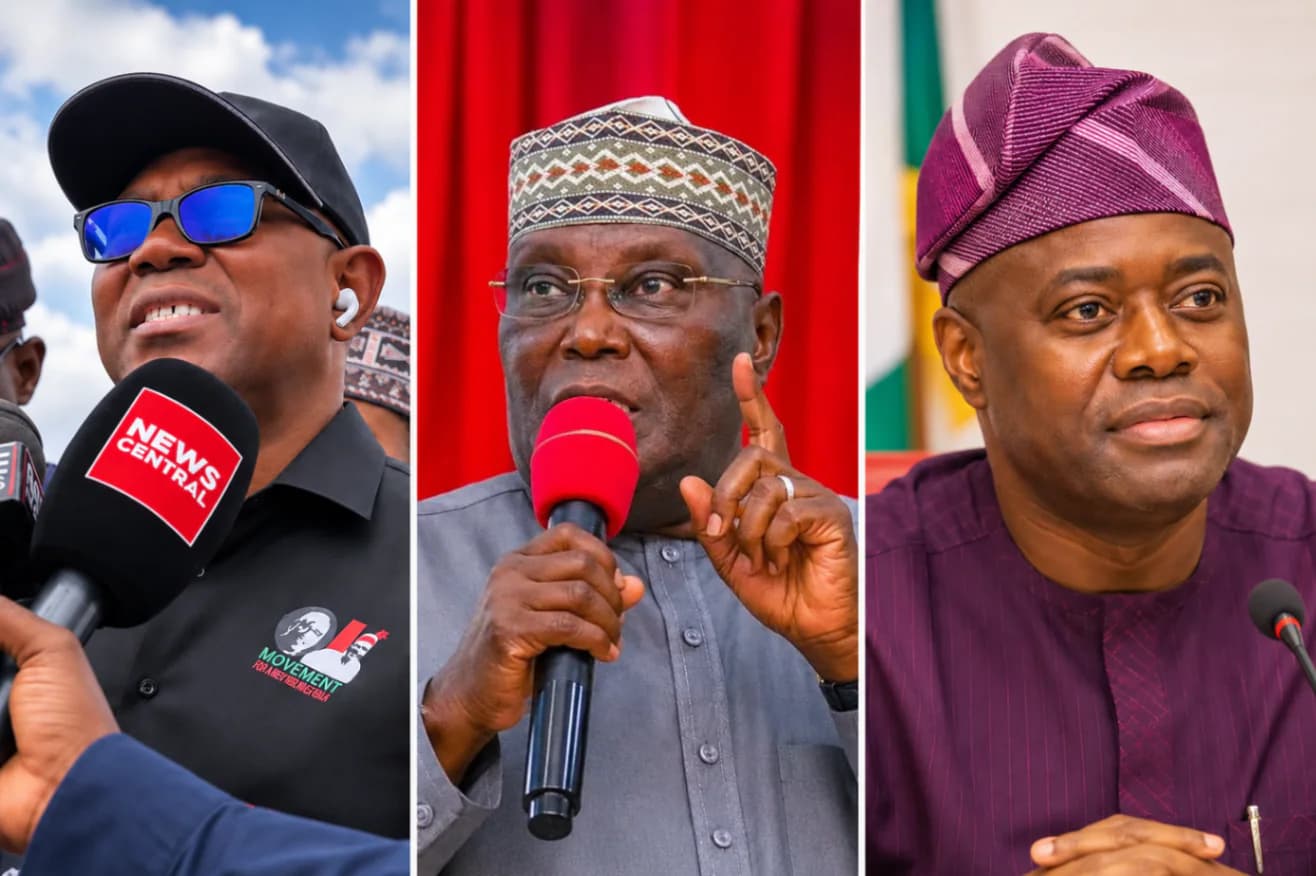
Atiku, Obi and Makinde Hold Firm as Opposition Struggles for One 2027 Candidate
Politics
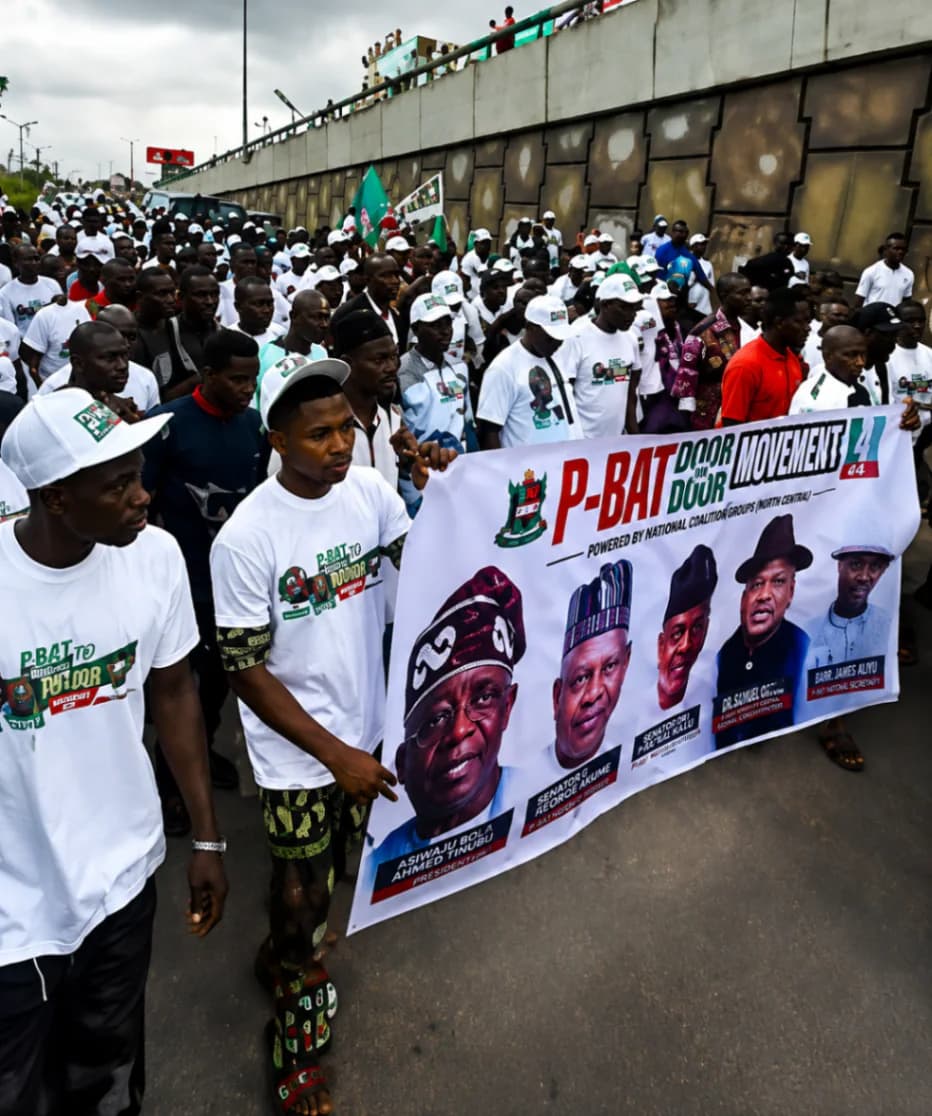
Tinubu Supporters Take 2027 Campaign to Bayelsa With Yenagoa Walk
Politics
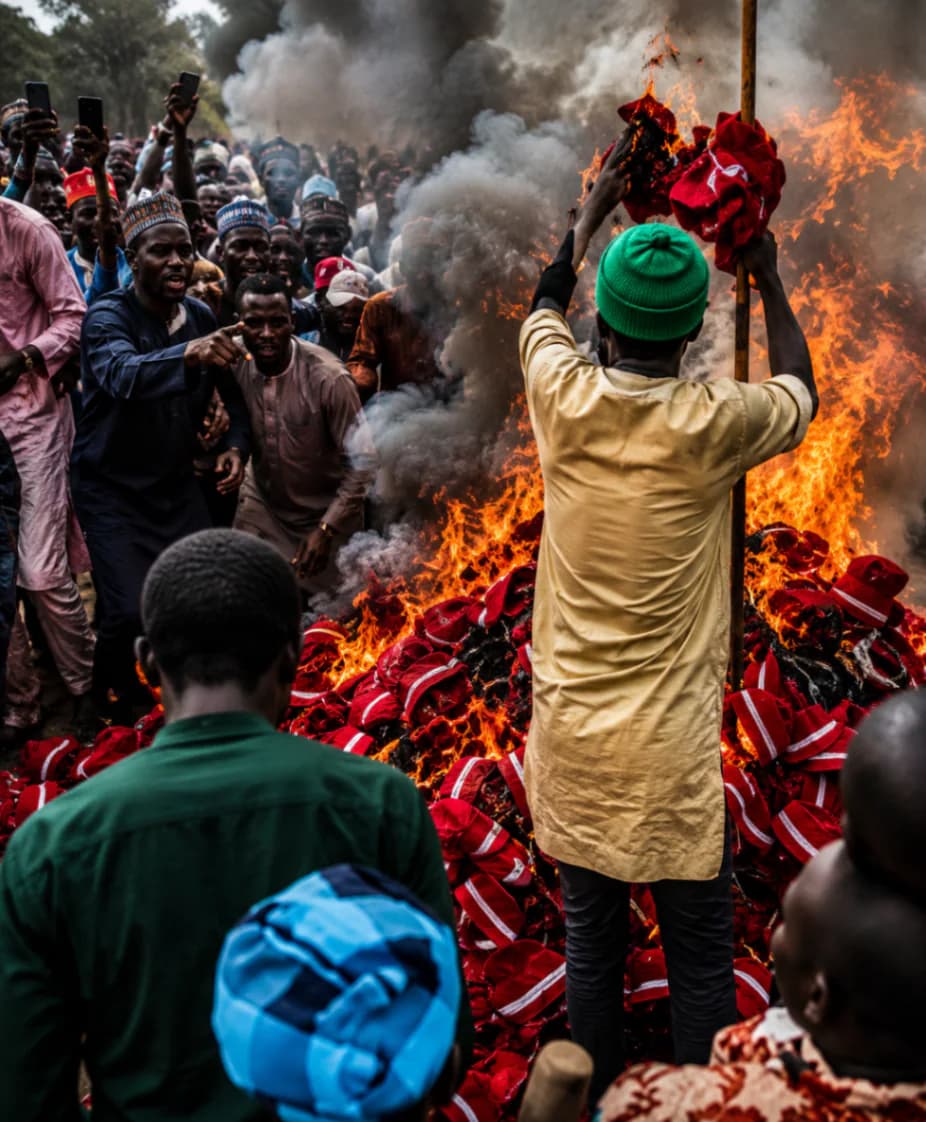
Kwankwasiyya Red Caps Burned in Viral Kano Video as Obi Alliance Sparks Political Backlash
Politics
Nigeria’s 2027 Election Campaigns Begin as Tinubu, Obi and Atiku Enter Fresh Political Battle
Stay Informed
Get the latest stories from Nigeria.
Free news updates. Unsubscribe anytime.
By subscribing, you agree to receive free news updates from Talk Ya True. You can unsubscribe at any time.