Business
Oil Hits $108 as Middle East Crisis Raises Fresh Fuel Price Fears in Nigeria
Brent crude has surged above $108 a barrel as Middle East tensions threaten global oil supplies and shipping routes. In Nigeria, the rally is already raising concerns over petrol prices, transport costs and broader inflationary pressure.
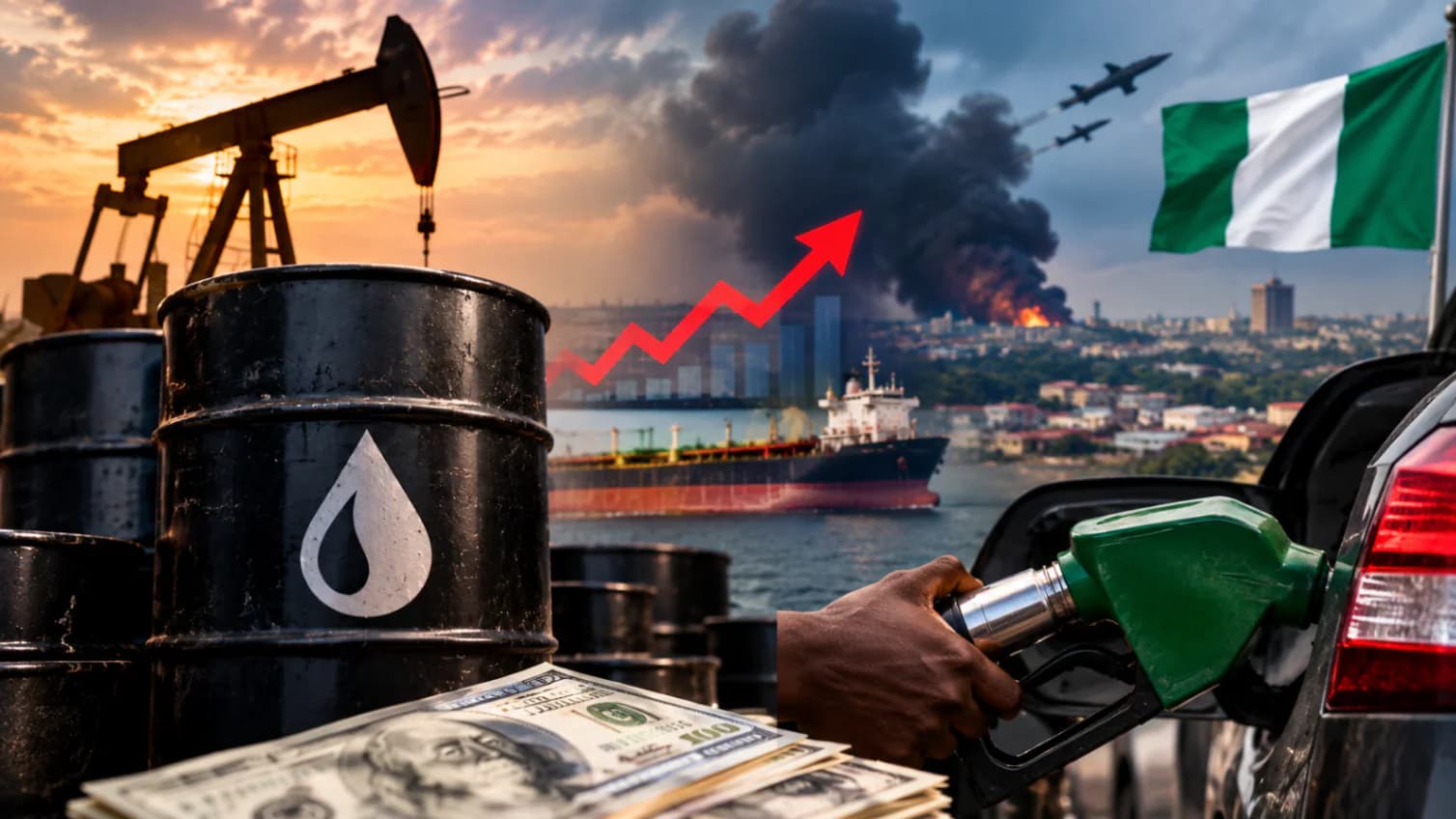
Global oil prices have surged above $108 a barrel as escalating conflict in the Middle East threatens major oil supplies and shipping routes, raising fresh concerns over petrol and diesel prices in Nigeria.
Brent crude, the international benchmark, climbed above $108 on Friday after a sharp rally driven by fears that continued fighting could disrupt oil flows through critical waterways, including the Strait of Hormuz and the Bab el-Mandeb.
Brent briefly approached $110, while US West Texas Intermediate crude also moved above $100. Although prices later pulled back, oil remained on course for a weekly gain of more than 8 percent.
The latest surge has been linked to escalating military tensions involving the United States and Iran, as well as attacks and fighting involving Iran-aligned Houthi forces around key Middle Eastern shipping routes.
The Strait of Hormuz is particularly important to global energy markets because large volumes of crude and petroleum products normally pass through the waterway.
The International Energy Agency has now warned that global oil supply could fall by about 5.7 million barrels per day in 2026, a substantially larger decline than previously projected, as conflicts and attacks disrupt production and transportation infrastructure.
Saudi Arabian oil production has also been severely affected, with August output falling to around 6 million barrels per day, according to the IEA.
For Nigeria, the situation presents a complicated economic picture.
As an oil-producing country, Nigeria can benefit from higher crude prices because increased export earnings can support government revenues and foreign-exchange inflows.
However, higher international oil prices can also increase the cost of refined petroleum products and put pressure on domestic fuel prices, particularly when the country remains exposed to international market movements.
Recent Nigerian market data already shows the pressure building.
The estimated landing cost of petrol reached ₦1,311.36 per litre as of September 8, according to figures from the Major Energy Marketers Association of Nigeria. That was about ₦46 above Dangote Petroleum Refinery’s reported ₦1,265 per litre gantry price at the time.
Petrol prices in parts of Nigeria have already risen to around ₦1,310 or more per litre, compared with roughly ₦830 before the latest international oil-market shock, according to Nigerian media reports.
If global crude prices remain elevated for an extended period, Nigerian consumers and businesses could face further pressure through higher transport costs, logistics expenses, electricity generation costs and the prices of goods that depend heavily on fuel-powered transportation.
The impact could be particularly significant for manufacturers, transport operators, farmers and small businesses that rely on petrol or diesel to power vehicles, generators and other equipment.
At the same time, Nigeria is in a stronger position than it was during previous oil-price shocks because the Dangote refinery has significantly increased its crude purchases and domestic refining activity.
Reuters reported this week that Dangote Refinery secured at least 16 million barrels of Nigerian crude for October delivery, equivalent to roughly 520,000 barrels per day and a substantial share of the refinery’s 700,000-barrel-per-day capacity.
The development highlights the importance of domestic refining as Nigeria faces another period of volatility in the international energy market.
For now, the biggest question is how long oil prices will remain above $100.
A sustained disruption to Middle Eastern oil production and shipping could keep prices elevated, while any successful diplomatic effort to restore normal shipping through key waterways could ease some of the pressure.
For Nigerian households, however, the concern is more immediate: whether the latest global oil shock will translate into another round of increases at the pump.
Key Facts
Brent crude climbed above $108 per barrel on Friday.
Brent briefly approached $110 as Middle East supply concerns intensified.
WTI crude also moved above $100 per barrel.
Oil prices remain on course for a strong weekly gain.
The IEA estimates global oil supply could fall by 5.7 million barrels per day in 2026.
Nigeria’s petrol landing cost reached ₦1,311.36 per litre on September 8.
Petrol prices in parts of Nigeria have already reached about ₦1,310 or more per litre.
Higher crude prices could increase pressure on transport, logistics and business costs.
Dangote Refinery has secured at least 16 million barrels of crude for October processing.
Sources
Reuters — Oil falls but remains on track for major weekly gain amid Middle East supply concerns, September 11, 2026
Reuters — IEA warns 2026 oil supply gap will widen on delayed return of normal Gulf flows, September 11, 2026
Reuters — Dangote Refinery buys 16 million barrels of Nigerian crude for October, September 10, 2026
PUNCH — Crude hits $107, fresh petrol price hike looms, September 11, 2026
Major Energy Marketers Association of Nigeria — Petrol landing-cost data
PUBLISHER NOTE
About Talk Ya True
Talk Ya True publishes independent reporting and analysis with clear attribution, source transparency and corrections when needed.
Related Articles
Business
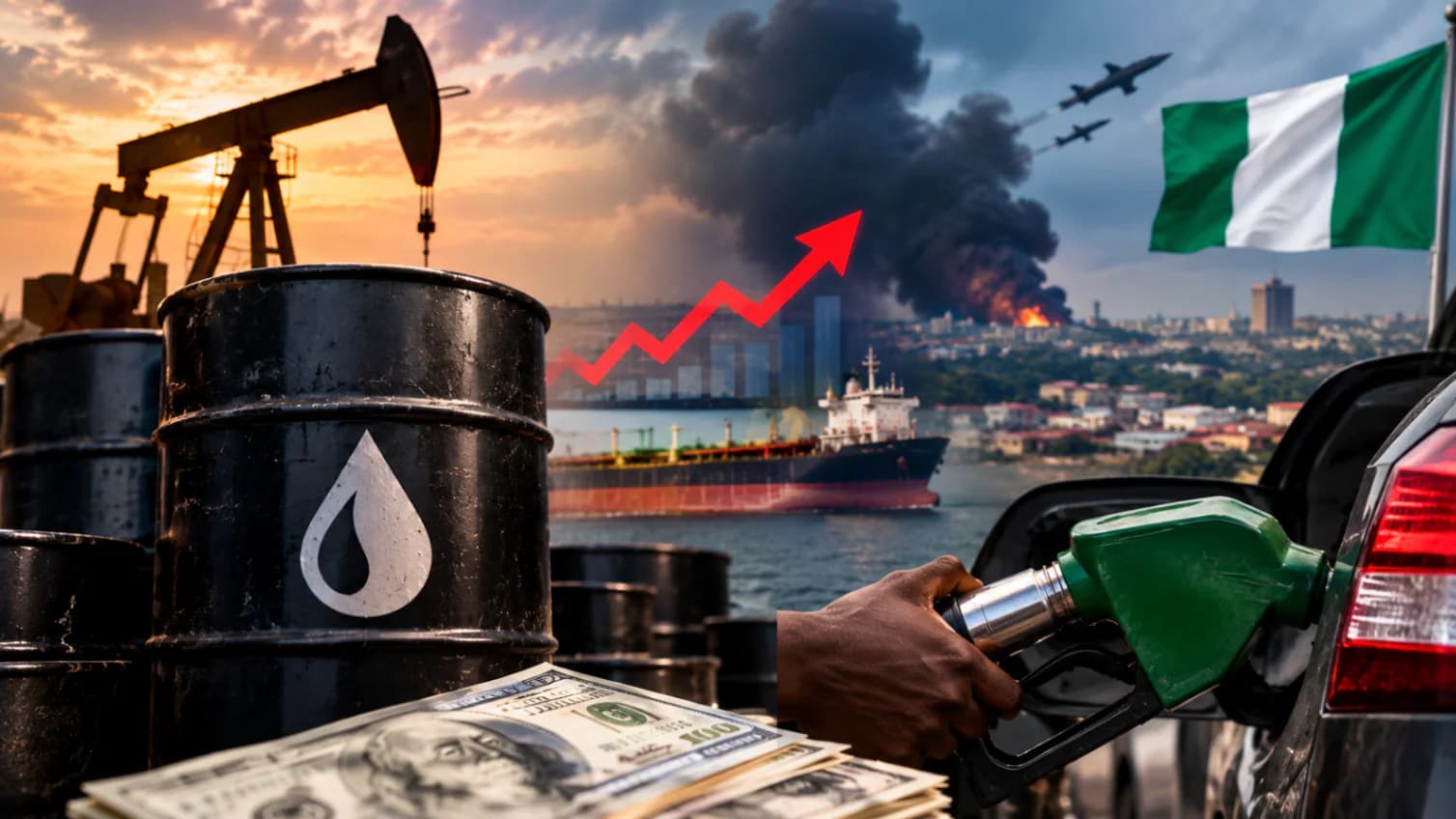
Petrol Prices Rise Above ₦1,400 as Dangote Refinery Raises Price Again

Business
Dangote Refinery Records $1.82bn Profit as IPO Opens
Business
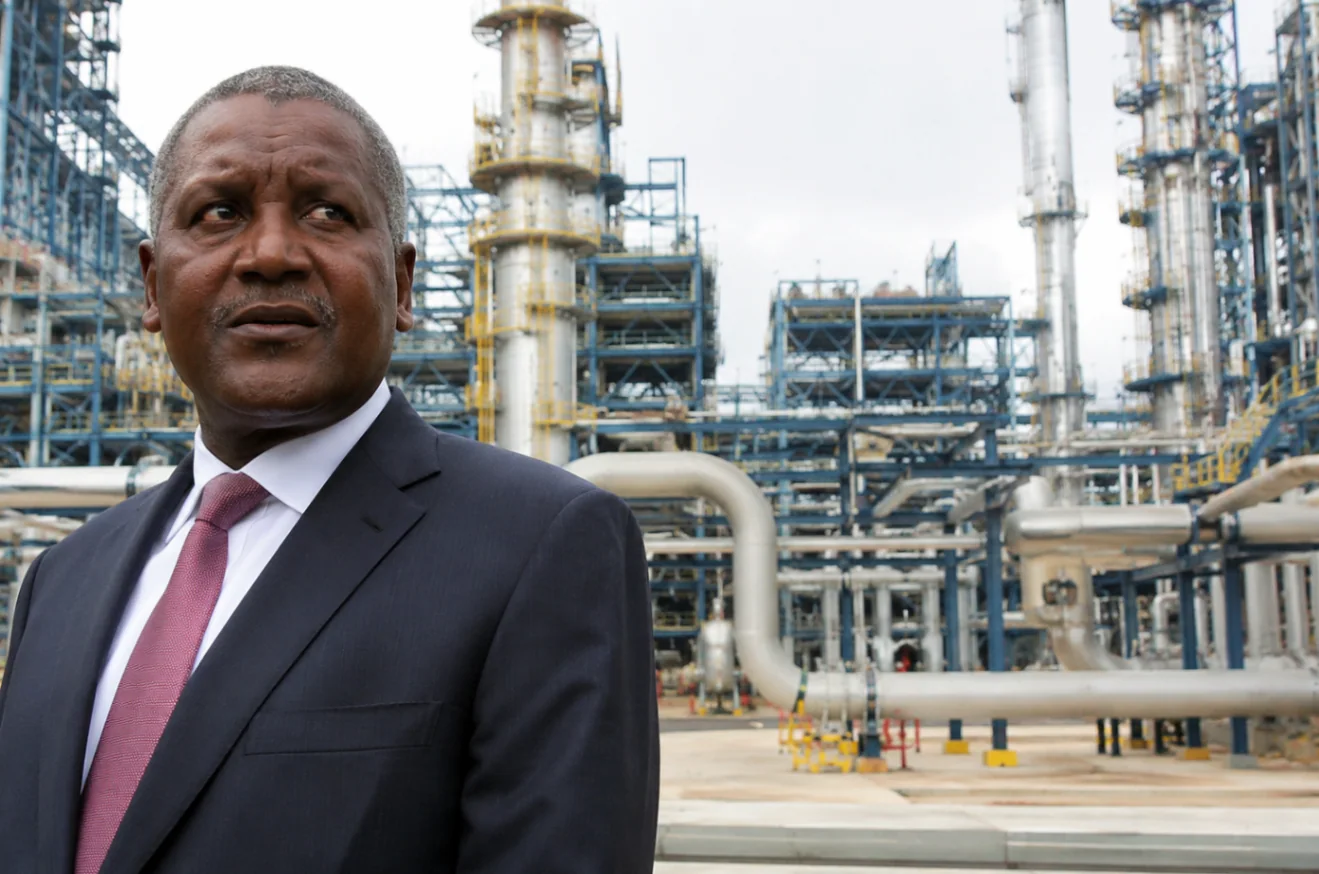
Dangote Refinery Launches ₦2.15tn IPO as Nigerians Get Chance to Buy Shares
Business
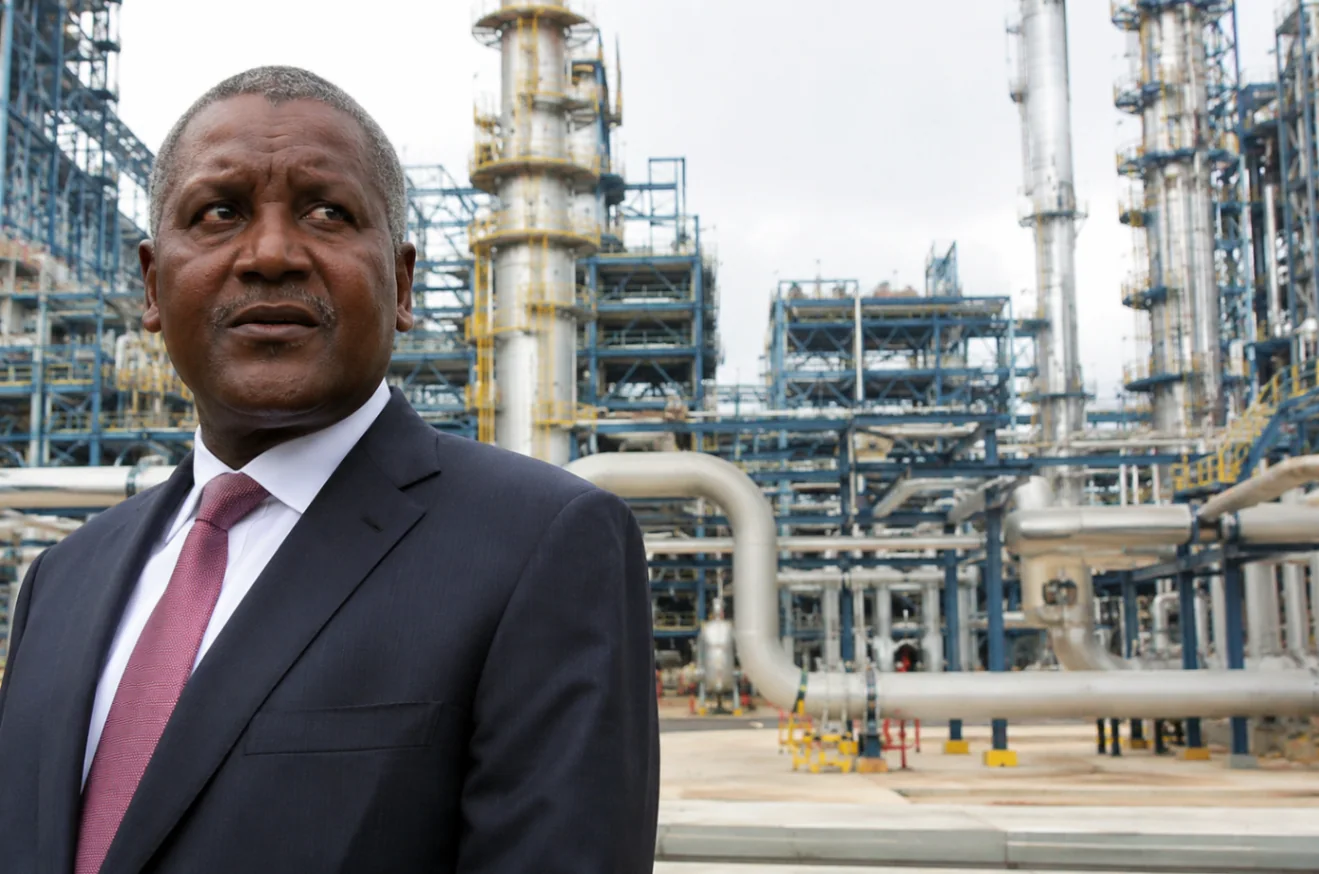
Dangote Refinery Launches ₦2.15tn IPO as Firm Targets 10 Million Investors
Stay Informed
Get the latest stories from Nigeria.
Free news updates. Unsubscribe anytime.
By subscribing, you agree to receive free news updates from Talk Ya True. You can unsubscribe at any time.