Politics
Peter Obi's Old Comments on His Son's Car Resurface, Nigerians Debate His Approach to Public Funds
Old comments by former Anambra State governor Peter Obi about his son not owning a car have resurfaced online, triggering a fresh debate among Nigerians over parenting, personal responsibility, political integrity and the use of public resources. While supporters see the remarks as evidence of Obi's frugal philosophy, critics question whether the story is being used politically and whether the circumstances are being presented accurately.
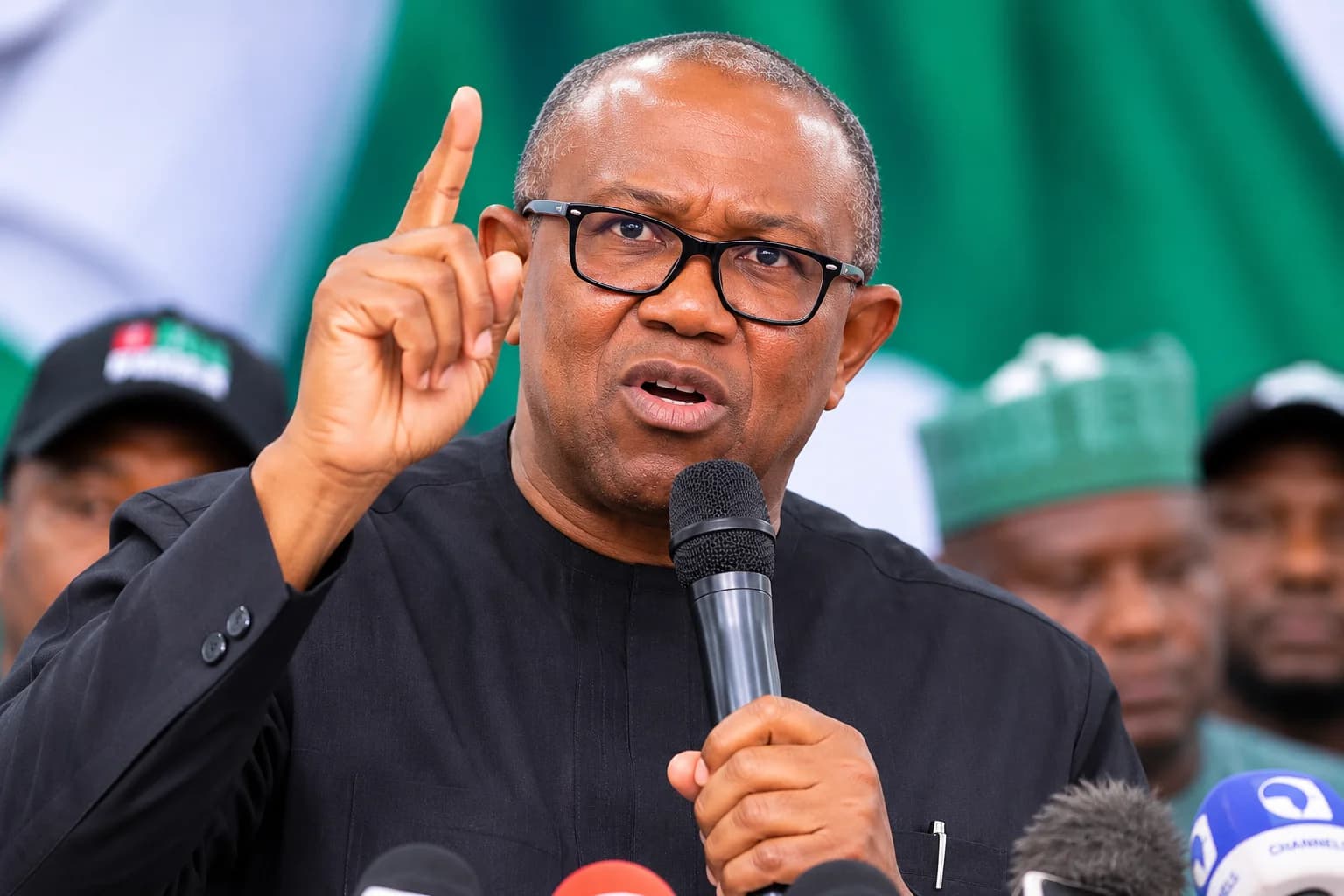
An old story about Peter Obi's decision not to buy his son a car has resurfaced online, generating a fresh wave of debate among Nigerians about wealth, parenting, political leadership and the use of public resources.
The discussion has gained renewed attention on social media, with supporters and critics of the former Anambra State governor interpreting the story in very different ways.
But there is an important detail that has been lost in some of the latest posts: Obi did not make these comments recently.
The original remarks date back to 2019, when Obi was serving as the vice-presidential candidate of the Peoples Democratic Party. He revisited essentially the same position in 2022.
What Did Peter Obi Actually Say?
Speaking in Agulu, Anambra State, in January 2019, Obi said his two graduate children did not own cars because they had not earned enough money to purchase them.
He explained that although he was financially capable of buying vehicles for his children, he believed they should work and earn their own money.
Obi's argument was straightforward: his personal wealth belonged to him, and his children should build their own wealth rather than depend on him.
He questioned why his son should automatically receive a car simply because his father could afford one.
The Story Was About More Than a Car
At the time, Obi was using the story to make a broader argument about Nigeria's attitude toward wealth and public office.
He argued that Nigerians had become too accustomed to expecting people in positions of authority to provide luxury and financial benefits for themselves and their families.
His point was that children of wealthy parents should not automatically be treated as entitled to their parents' wealth.
That philosophy later became part of the public image surrounding Obi's political career.
Obi Repeated the Position Years Later
The issue resurfaced in 2022 when Obi again discussed his family during a political engagement.
He said his son, who was approaching 30 at the time, did not own a car because he had to earn the money to purchase one himself.
He also spoke about his daughter, who had worked as a teacher, using his family as an example of what he described as personal responsibility and independence.
The comments attracted reactions on social media even then, with some Nigerians questioning why a wealthy father would allow an grown child to go without a car.
Others praised the principle behind the decision.
Why Is the Story Trending Again?
The renewed interest appears to be driven largely by Nigeria's increasingly polarised political environment.
Obi remains one of the country's most discussed political figures, and virtually anything involving his personal life can quickly become part of a larger political argument.
Supporters have revived the story as an example of what they consider Obi's approach to public resources and personal discipline.
Critics, meanwhile, have questioned whether the story proves anything about how he would govern a country.
That distinction is important.
Choosing not to buy your grown child a car is a personal decision. It does not, by itself, establish how a politician would manage billions of naira in public funds.
Supporters See a Lesson in Accountability
For Obi's supporters, however, the story represents something bigger.
They argue that a politician who teaches his children to earn their own money is less likely to view public office as an opportunity to enrich family members.
They point to the former governor's repeated statements about avoiding nepotism and separating his family from government.
In 2022, Obi said that during his eight years as Anambra governor, no member of the Obi family served in his government.
Supporters say this is consistent with the philosophy behind his decision not to simply purchase expensive items for his children.
Critics See a Different Picture
Critics have a different interpretation.
Some argue that refusing to buy a son a car is not necessarily evidence of exceptional leadership.
A wealthy parent can choose to provide for their children or choose not to, and neither decision automatically tells voters how effectively that person would govern.
Others have questioned why an old personal anecdote continues to be presented as political evidence years after it was originally made.
The debate therefore extends beyond the car itself.
What About Public Funds?
The phrase "state funds" has also become central to the online discussion.
It is important to separate the verified facts from social-media interpretations.
The reports containing Obi's original remarks do not say that he was refusing to buy his son a car specifically with Anambra State government money.
Rather, Obi was speaking about his personal decision not to buy his children cars and about his broader philosophy regarding public resources and personal wealth.
That distinction matters because describing the story as "Obi refused to buy his son a car with state funds" could imply that government money was available for his son's car and that Obi specifically rejected using it.
The available reports do not establish that.
The Bigger Nigerian Debate
The reason the story continues to resonate is that it touches a much bigger Nigerian problem: the blurred line between public office and private benefit.
Nigeria has repeatedly faced controversies over politicians using government resources for personal or family-related expenses.
Questions about official vehicles, security details, government contracts, travel, allowances and political appointments regularly generate public debate.
Against that background, a politician saying that his own children should earn their possessions can naturally attract attention.
But anecdotes should still be judged in their proper context.
Personal Responsibility vs Parental Support
There is also a genuine social debate beneath the politics.
Some Nigerians believe wealthy parents should provide significant support for their children, particularly when they can easily afford it.
Others believe that excessive parental wealth can create entitlement and prevent young adults from developing financial independence.
Obi clearly belongs closer to the second school of thought, at least based on his public comments.
His position has remained remarkably consistent across the years.
The Bottom Line
Peter Obi's comments about his son and the car were not made recently, despite the way some social-media posts may make the story appear.
He first publicly discussed the issue in 2019 and repeated the principle in 2022: his grown children should work and earn enough to buy their own cars rather than simply relying on their father's wealth.
Whether Nigerians view that as admirable discipline or simply a personal family choice depends largely on their political perspective.
But one thing is clear: an old story about a car has once again become a much larger argument about wealth, entitlement, public resources and what Nigerians expect from their political leaders.
Tags
PUBLISHER NOTE
About Talk Ya True
Talk Ya True publishes independent reporting and analysis with clear attribution, source transparency and corrections when needed.
Related Articles
Politics
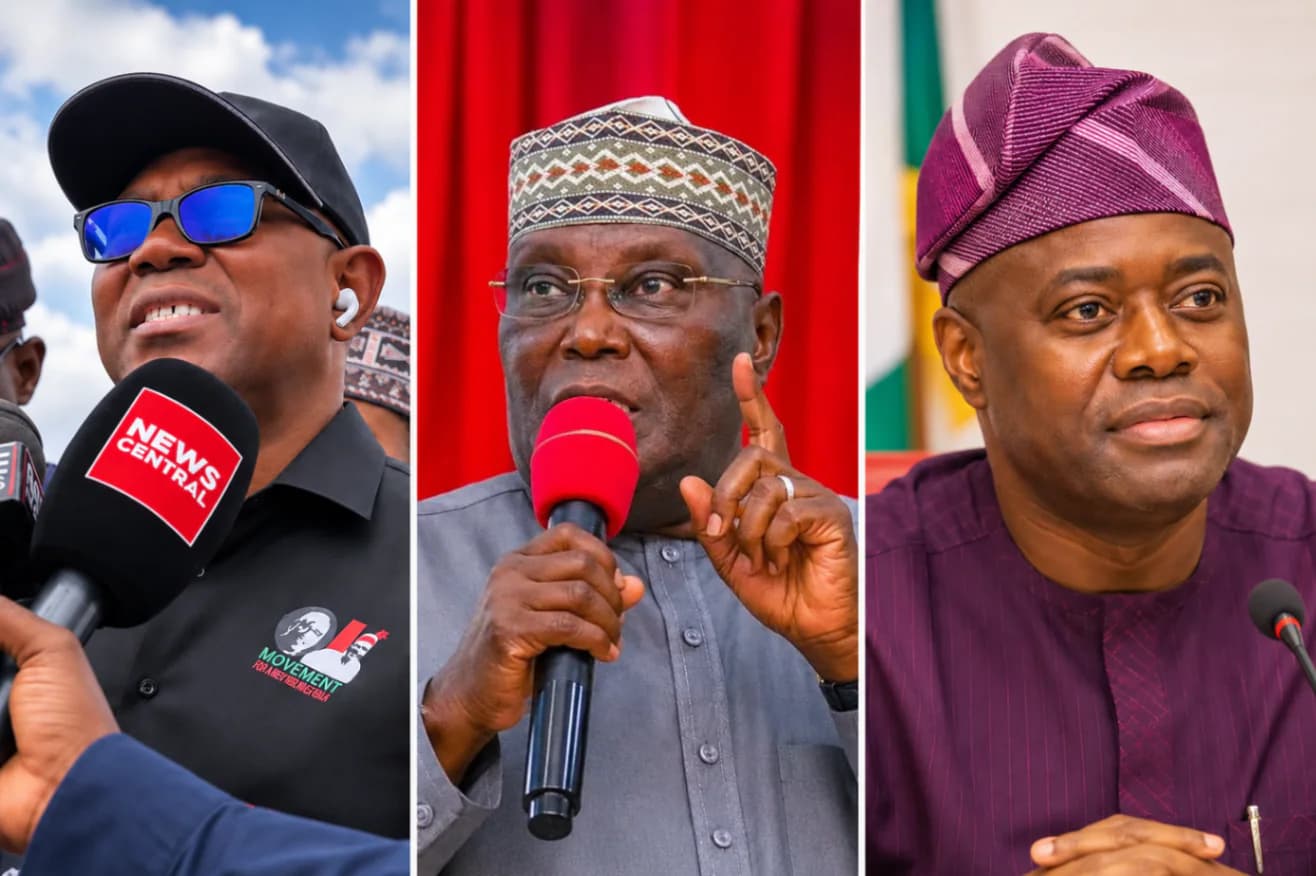
Atiku, Obi and Makinde Hold Firm as Opposition Struggles for One 2027 Candidate
Politics
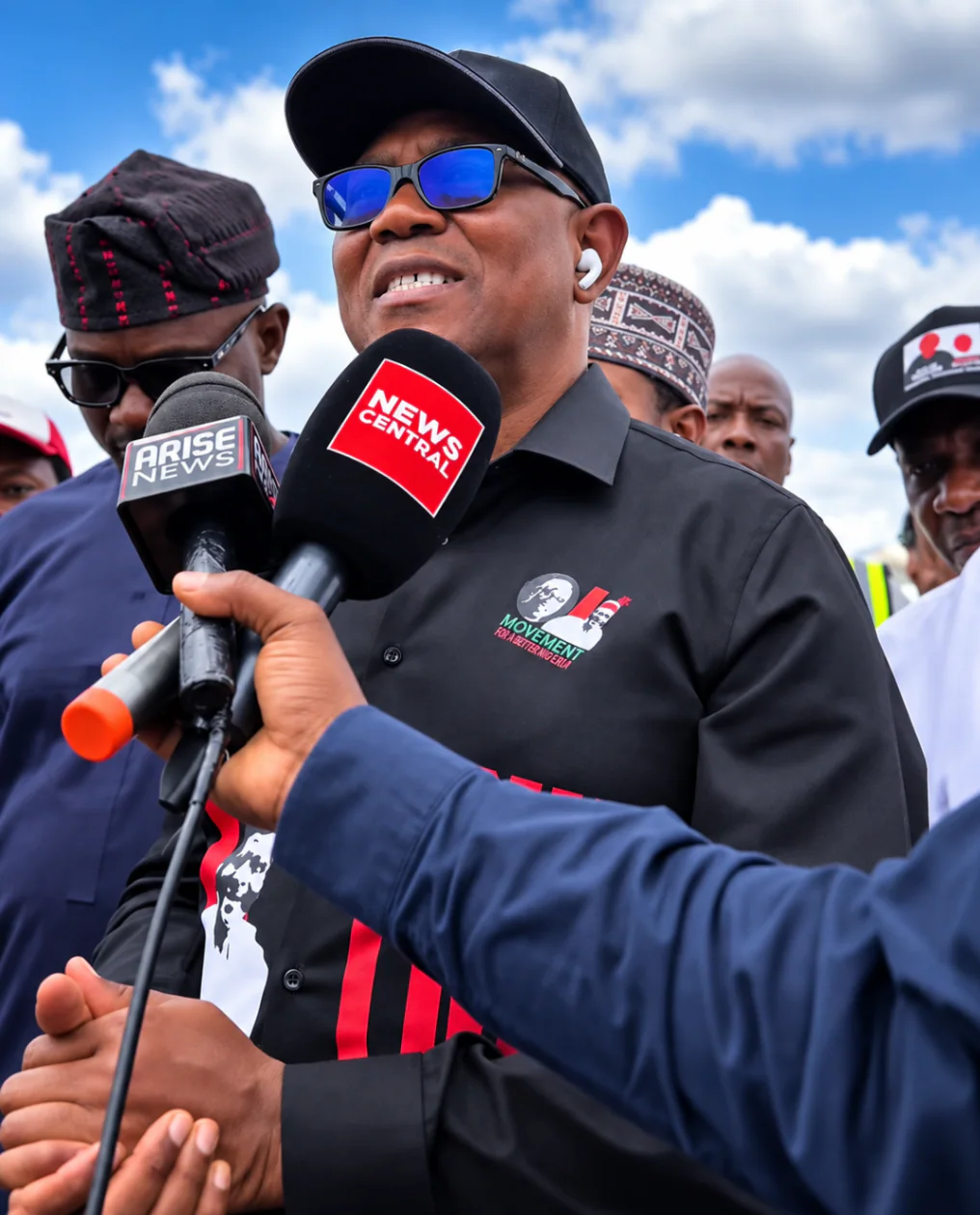
Peter Obi’s Benue Visit Blocked as Youths Stop Convoy on Gboko Road
Politics
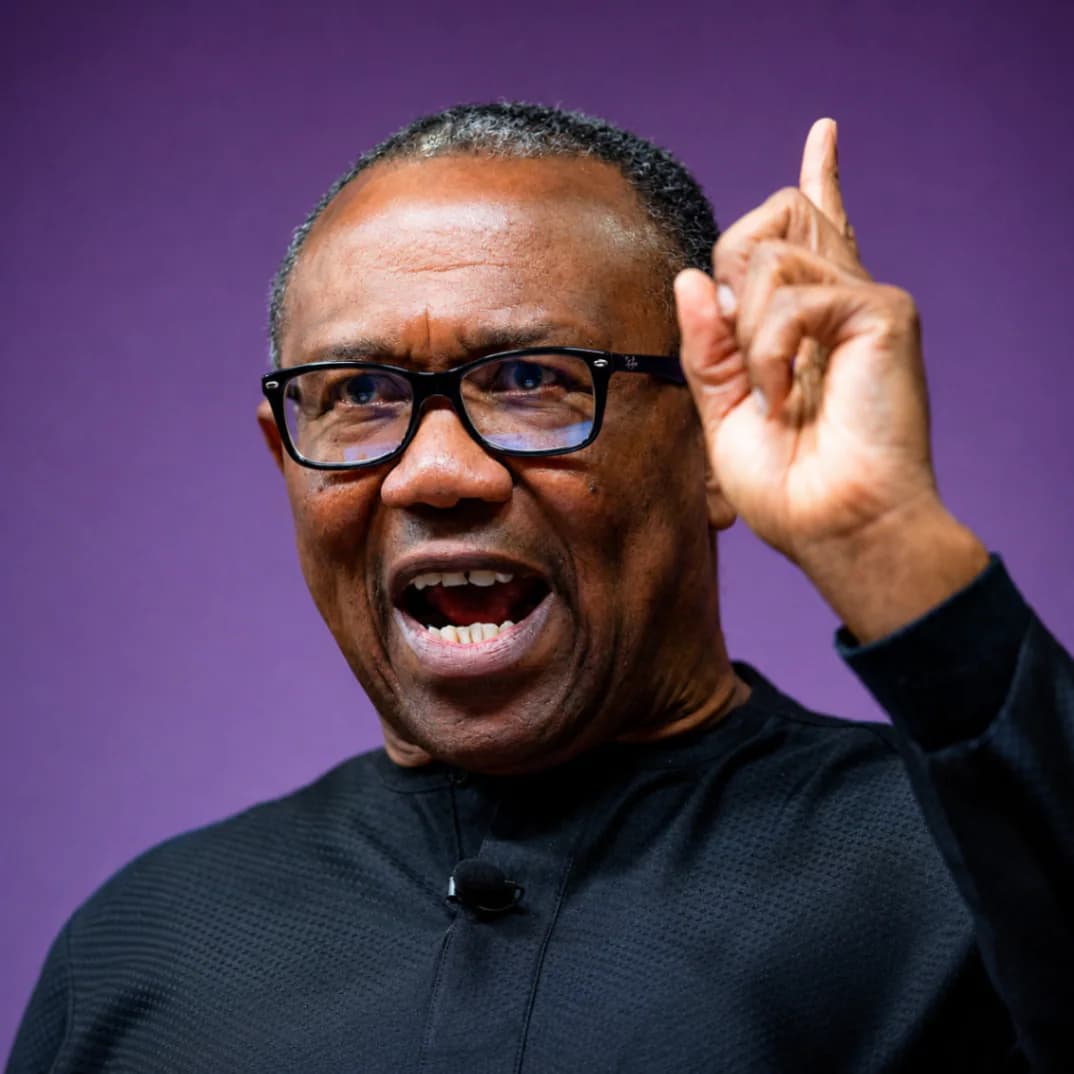
Peter Obi: “Nigeria Is Not at War” as Insecurity Triggers Fresh Outcry
Politics
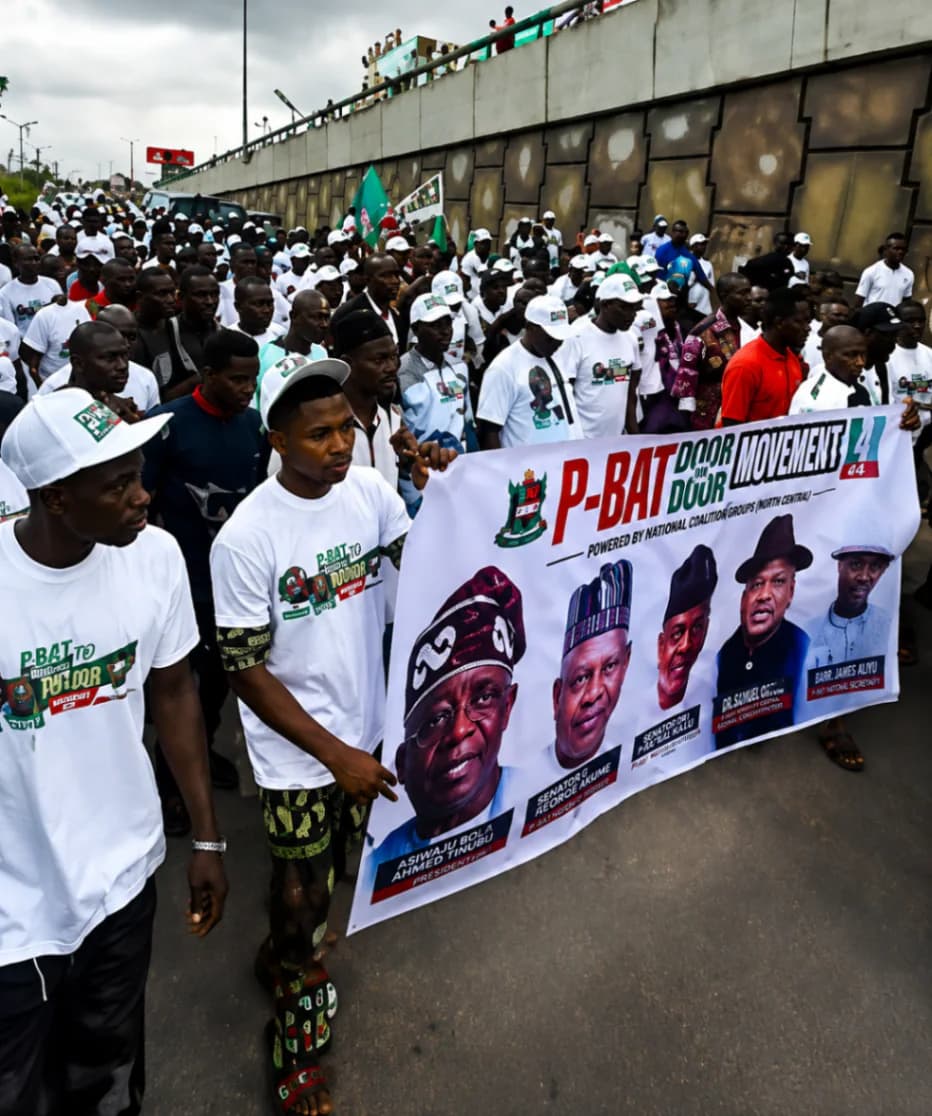
Tinubu Supporters Take 2027 Campaign to Bayelsa With Yenagoa Walk
Stay Informed
Get the latest stories from Nigeria.
Free news updates. Unsubscribe anytime.
By subscribing, you agree to receive free news updates from Talk Ya True. You can unsubscribe at any time.