World
Houthi Attacks Hit Saudi Energy Sites as 73 Are Injured and Oil Prices Surge Toward $100
Iran-backed Houthi forces have launched attacks on several southern Saudi Arabian cities, injuring at least 73 people and triggering fires at energy facilities. The escalation has sent Brent crude above $99 a barrel as markets fear further disruption to global oil supplies.
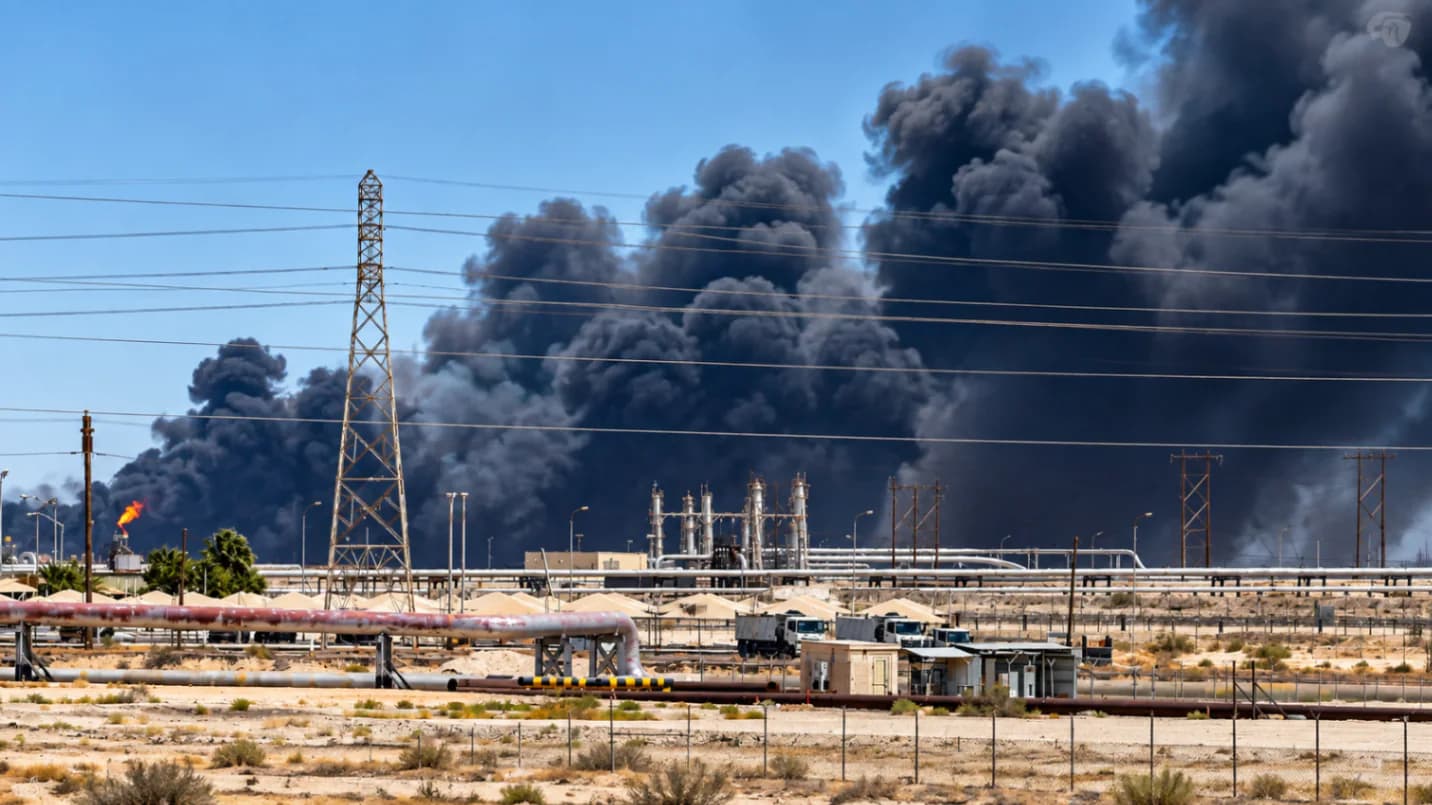
Global energy markets are facing fresh pressure after Iran-backed Houthi forces launched a wave of attacks on southern Saudi Arabia, injuring at least 73 people and triggering fires at energy and other infrastructure.
The attacks targeted the Saudi cities of Abha, Khamis Mushait, Jazan and Najran, according to the Saudi-led coalition fighting in Yemen.
Saudi authorities said the injured included women and children.
The attacks also affected energy facilities, with operations at some sites temporarily halted as emergency teams responded to fires and assessed the damage.
The latest escalation has immediately rattled global oil markets.
Brent crude, the international benchmark, climbed above $99 a barrel on Tuesday, reaching around $99.22 before easing slightly.
US West Texas Intermediate crude also rose sharply, trading above $94 a barrel.
Brent's latest move represents its highest level since July 24, while WTI reached its highest level since June 8.
Why the Saudi Attacks Matter
Saudi Arabia is the world's largest oil exporter, making any threat to its energy infrastructure a major concern for the global economy.
The latest attacks come at a particularly sensitive time for oil markets.
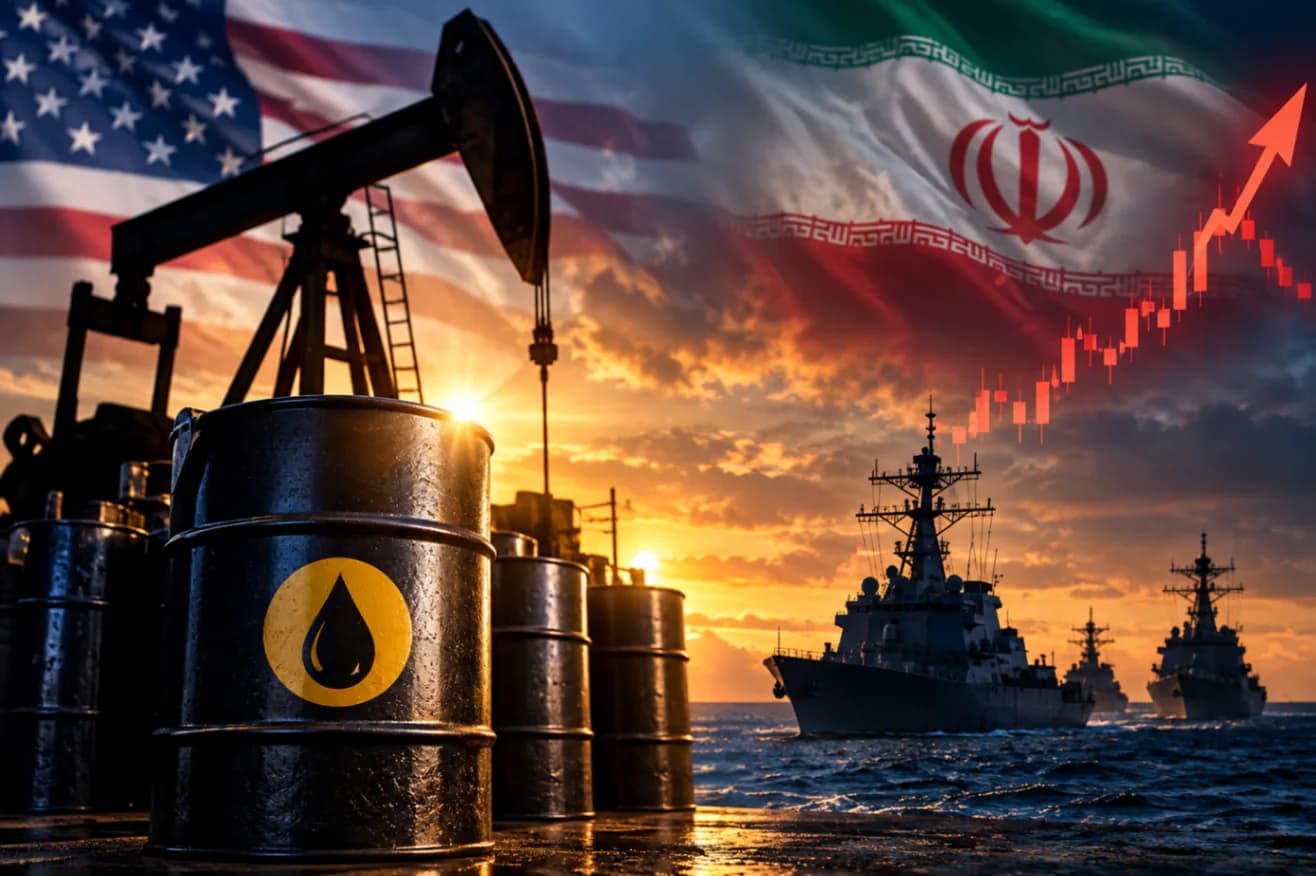
The Middle East is already experiencing significant disruption because of the continuing confrontation involving the United States and Iran, while shipping through the Strait of Hormuz has fallen sharply.
That means traders are now dealing with the possibility of supply disruptions on multiple fronts.
The Houthis' latest attacks have added another potential pressure point.
If damage to Saudi energy infrastructure becomes extensive or prolonged, traders could become increasingly concerned about the amount of crude and refined petroleum products available on international markets.
For now, however, the full extent of the damage remains under assessment.
What Happened in Saudi Arabia?
The Houthis said they carried out a broad military operation against targets deep inside Saudi territory.
The group used drones and missiles against several locations.
Targets reportedly included a Saudi airbase in Khamis Mushait and energy-related infrastructure in Abha, Najran and Jazan.
Jazan is particularly significant because the region contains major oil and power infrastructure.
Saudi authorities confirmed fires at several locations and said emergency crews were working to contain the situation.
The Saudi-led coalition described the attacks as a dangerous escalation and vowed to take measures against the Houthis.
The Houthis, meanwhile, said their attacks were part of a response to Saudi actions in Yemen.
The competing claims highlight the increasingly complex nature of the wider conflict.
A Growing Threat to Global Oil Supplies
The biggest concern for international markets is not simply the attacks themselves.
It is the possibility that the conflict could spread further across the region and begin affecting more energy infrastructure and shipping routes.
The Strait of Hormuz remains particularly important.
The waterway is a major route for oil exports from the Gulf, and shipping activity has already fallen significantly.
Reuters reported that traffic through the strait remains well below normal levels, adding to the geopolitical risk premium in oil prices.
If disruptions continue, traders could face a prolonged period of tighter supply and higher prices.
That could push crude prices beyond the psychologically important $100-a-barrel level.
What Does This Mean for Fuel Prices?
Higher crude prices can eventually put upward pressure on fuel prices around the world.
However, the price of crude oil is only one part of what consumers pay at the pump.
Refining costs, transportation, taxes, exchange rates and government policies also influence retail fuel prices.
That means a move above $100 in crude oil would not automatically translate into an immediate equivalent increase in petrol prices.
But if oil remains near or above $100 for an extended period, the pressure on fuel markets could become much harder to ignore.
Higher energy costs can also feed into transportation, manufacturing, electricity generation and the prices of goods and services.
The Nigeria Connection
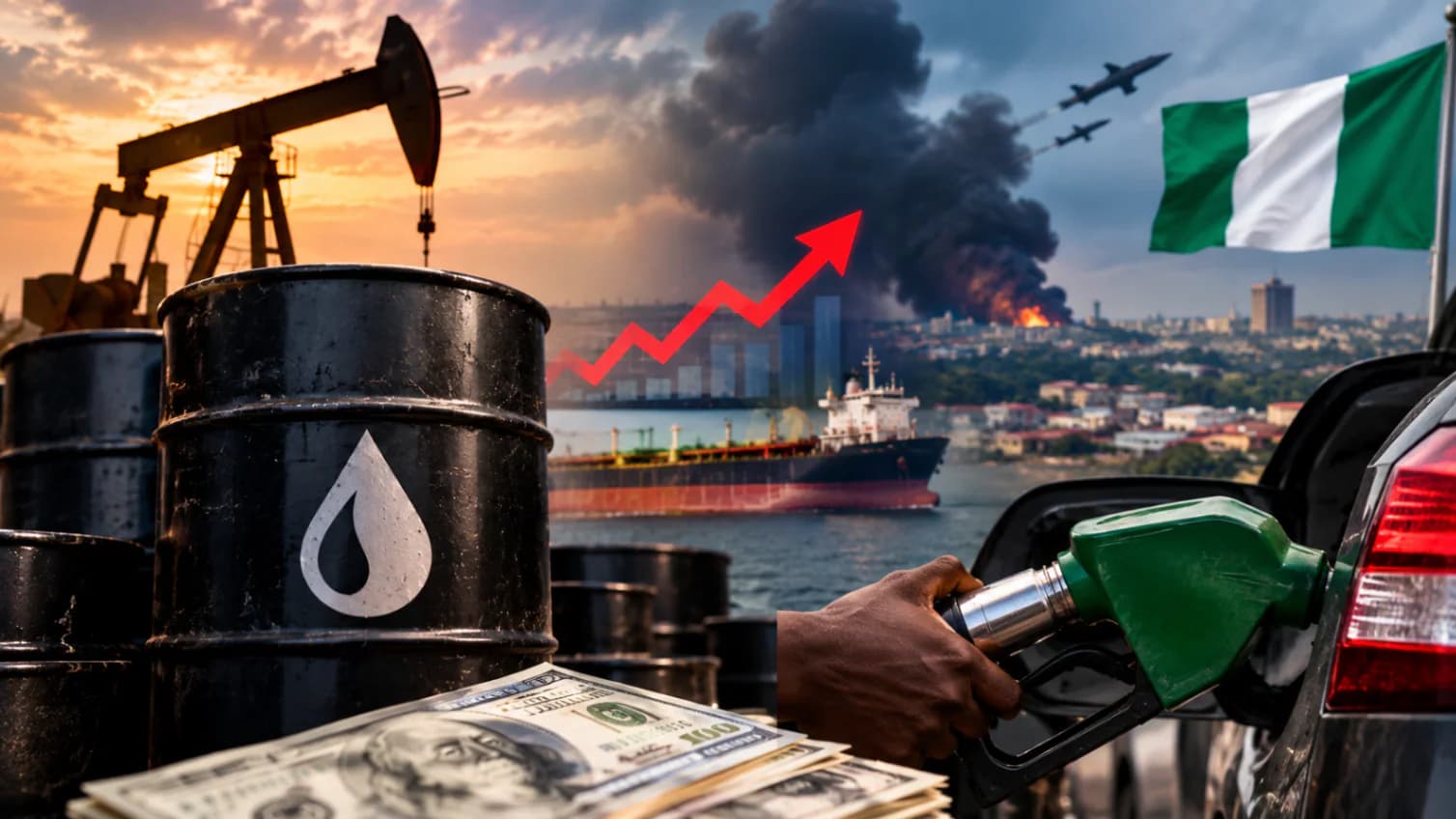
The latest oil-price surge presents both an opportunity and a challenge for Nigeria.
Nigeria is one of Africa's major crude-oil producers, meaning higher international oil prices can increase the value of the country's exports.
That could potentially improve government revenue and foreign-exchange earnings if production remains stable.
Higher oil prices can also provide additional support for Nigeria's external reserves.
But there is another side to the equation.
Nigeria's economy remains highly sensitive to energy prices, and higher global crude prices can increase costs across the wider economy.
The impact on Nigerian consumers will also depend on domestic petrol pricing, the exchange rate and the country's refining and fuel-supply situation.
This means rising oil prices are not automatically good news for Nigerians.
The government could benefit from stronger crude-export earnings while businesses and consumers could face higher energy and transportation costs.
Markets Watch for Further Escalation
Investors are now watching the situation closely.
Brent crude has already moved sharply higher, and traders are assessing whether the latest attacks represent a temporary disruption or the beginning of a broader threat to Gulf energy infrastructure.
The situation also comes as global financial markets are already dealing with uncertainty surrounding the wider US-Iran conflict.
If the violence spreads, the consequences could extend beyond oil.
Higher energy prices could increase inflation and complicate decisions by central banks around the world.
Businesses could also face higher transportation and production costs.
For consumers, the effects could eventually appear through more expensive fuel, transportation and everyday goods.
What Happens Next?
The immediate focus will be on the extent of the damage to Saudi energy facilities and whether operations can return to normal.
Markets will also be watching for any further Houthi attacks, Saudi retaliation or additional escalation involving Iran and other regional powers.
A prolonged disruption could push oil prices beyond $100 a barrel.
A rapid reduction in tensions, on the other hand, could ease some of the pressure.
For now, the international oil market remains on edge.
Brent crude is already close to $100, and the latest attacks have demonstrated just how quickly geopolitical events can affect global energy prices.
For Nigeria and other oil-producing countries, the coming days could prove particularly important.
Higher crude prices could bring increased export earnings, but a prolonged energy shock could also increase economic pressure on households and businesses.
The biggest question now is whether the latest escalation remains contained or develops into a much wider threat to the global energy supply.
Key Facts
Location: Southern Saudi Arabia
Attacking group: Iran-backed Houthi movement
Cities targeted: Abha, Khamis Mushait, Jazan and Najran
People injured: At least 73
Energy facilities: Some operations temporarily disrupted
Brent crude: Briefly reached about $99.22 per barrel
WTI crude: Rose above $94 per barrel
Main market concern: Potential disruption to global oil supplies
Major shipping route under pressure: Strait of Hormuz
Nigeria impact: Higher oil prices could increase export earnings but also add pressure to fuel, transport and other costs
Important clarification: The full extent of damage to Saudi energy infrastructure remains under assessment.
Sources
Reuters
Associated Press
Saudi Energy Ministry
Saudi-led coalition
Tags
PUBLISHER NOTE
About Talk Ya True
Talk Ya True publishes independent reporting and analysis with clear attribution, source transparency and corrections when needed.
Related Articles
Stay Informed
Get the latest stories from Nigeria.
Free news updates. Unsubscribe anytime.
By subscribing, you agree to receive free news updates from Talk Ya True. You can unsubscribe at any time.