Business
Oil Supply Fears Rise as Ship Is Hit in Strait of Hormuz
Global oil supply fears are intensifying after a vessel was hit in the Strait of Hormuz, days after Saudi Arabia shut a major oil pipeline following drone attacks. The developments could push crude prices higher and create fresh fuel-cost pressures for Nigeria.
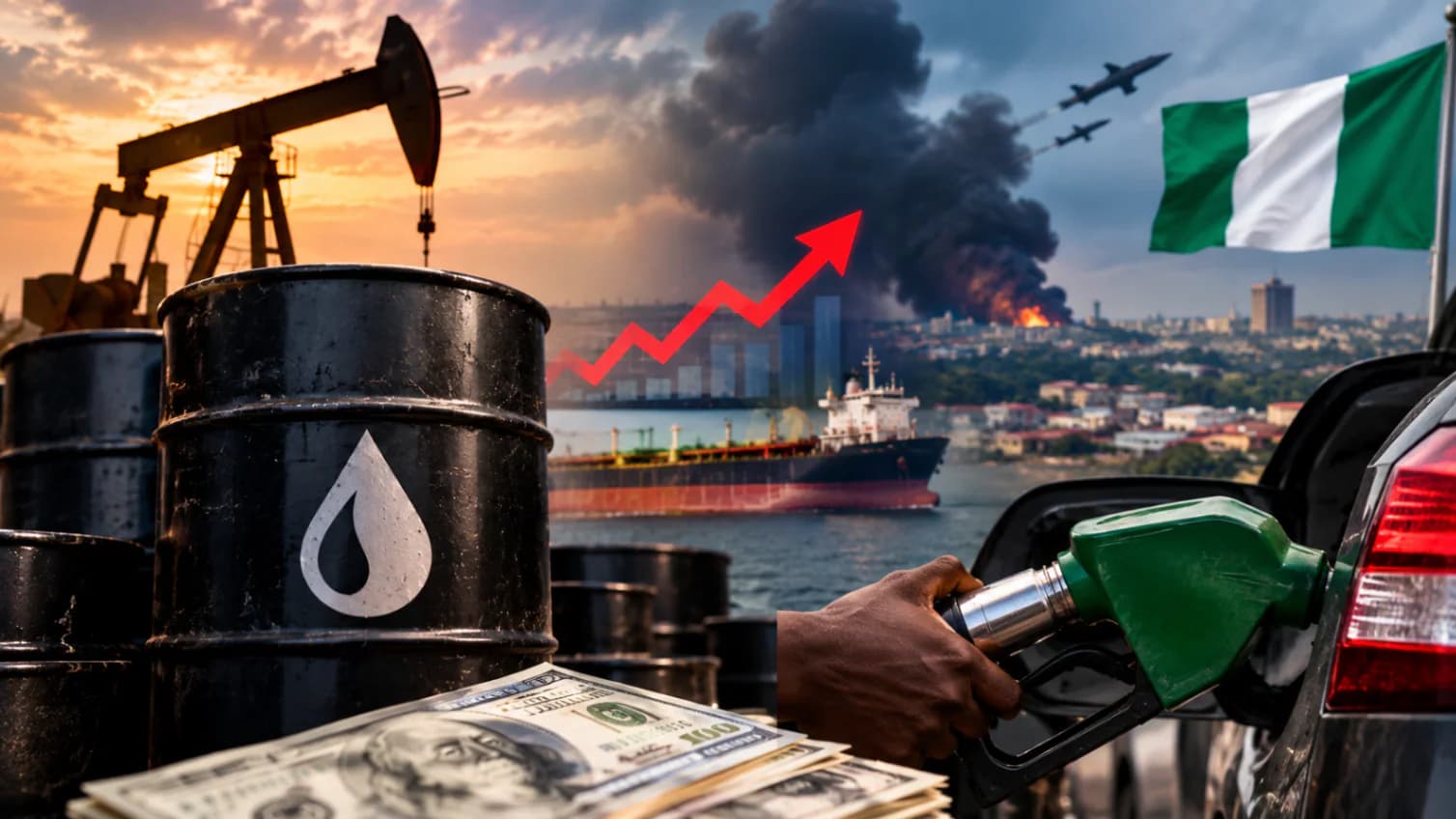
Global oil supply fears have intensified after a vessel was hit by a projectile while travelling through the Strait of Hormuz, adding to growing concerns over disruptions to one of the world’s most important energy routes.
The British navy-affiliated United Kingdom Maritime Trade Operations (UKMTO) reported on Sunday that a projectile struck a vessel in the Strait of Hormuz.
Initial reports said the incident caused a fire and triggered an evacuation of the crew. Iranian state media later reported that an Iranian commercial vessel had been struck near Qeshm Island, with one person killed and several others injured. No group has claimed responsibility for the attack.
The incident comes at a particularly sensitive time for global energy markets.
The Strait of Hormuz has been heavily disrupted by the ongoing Middle East conflict, reducing the movement of oil tankers through the strategic waterway.
The latest attack has raised fresh concerns that further incidents could make it even more difficult for crude and petroleum products to reach international markets.
The situation has been compounded by a separate attack on Saudi Arabia’s East-West oil pipeline.
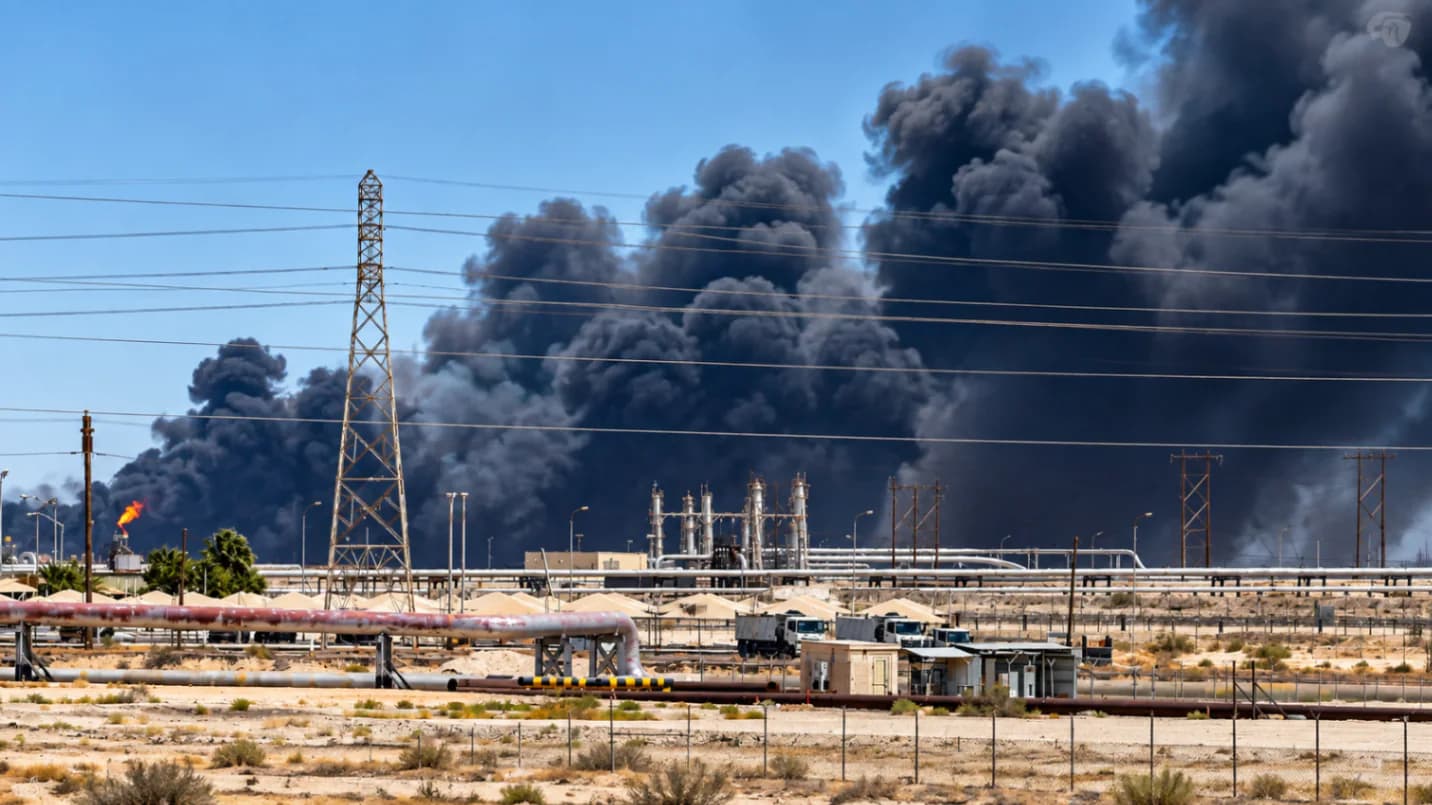
Saudi Arabia temporarily shut down the 1,200-kilometre pipeline after it was targeted by multiple drones in the Riyadh and Madinah regions.
The pipeline has become particularly important because it provides Saudi Arabia with an alternative route for moving crude to the Red Sea without relying entirely on the Strait of Hormuz.
Reuters reported that the pipeline has been carrying roughly 4 million barrels of oil per day, equivalent to about 4% of global oil supply. Saudi oil traders and buyers warned that if the pipeline remains offline for several days, the disruption could significantly reduce the kingdom’s ability to export crude.
Saudi Arabia has blamed the attacks on drones originating from Iraq, while Baghdad has opened an investigation. Riyadh has so far decided against immediate retaliation after an appeal from Iraq’s prime minister but said it reserves the right to take measures necessary to protect its territory and infrastructure.
The combination of attacks on shipping and energy infrastructure has created a growing threat to global oil supplies.
Brent crude had already closed at $104.61 a barrel on Friday after briefly reaching almost $110 earlier in the week. West Texas Intermediate ended Friday at $100.05. Oil prices had gained more than 8% during the week as concerns over disrupted supplies intensified.
The latest developments could put further upward pressure on prices when global markets reopen.
For Nigeria, higher oil prices present both an opportunity and a risk.
As one of Africa’s major crude oil producers, Nigeria can benefit from higher international prices through increased oil export earnings and government revenue.
However, higher global crude prices can also increase the cost of refined petroleum products and put additional pressure on petrol and diesel prices.
That could have wider consequences for Nigerian households and businesses.
Higher fuel costs can increase transportation expenses, food distribution costs, manufacturing expenses and the cost of operating petrol and diesel-powered generators.
The effect could become more significant if the international oil-price surge continues for an extended period.
Nigeria’s growing domestic refining capacity could provide some protection against international fuel-market volatility. Dangote Refinery has become an increasingly important source of refined petroleum products for the Nigerian market, reducing the country’s dependence on imported fuel.
But the refinery still purchases crude at market-linked prices, meaning a sustained increase in the cost of crude oil can ultimately affect the economics of refined products.
The current crisis is therefore being closely watched in Nigeria.
The biggest concern for consumers is whether a prolonged disruption to global oil supplies will trigger another increase in fuel prices and add to the cost-of-living pressures already facing households.
For oil-producing Nigeria, the crisis presents a difficult balance: higher crude prices could strengthen export revenues, but prolonged disruption to global energy markets could also increase domestic fuel and transportation costs.
With tensions continuing around both the Strait of Hormuz and the Bab el-Mandeb shipping route, the direction of oil prices in the coming days will depend heavily on whether attacks continue and whether diplomatic efforts can restore safe passage for commercial shipping.
Key Facts
A vessel was hit by a projectile in the Strait of Hormuz on Sunday.
The incident reportedly caused a fire and forced crew members to evacuate.
Iranian state media reported one death and several injuries from the vessel incident.
No group has claimed responsibility for the ship attack.
Saudi Arabia has temporarily shut its East-West oil pipeline after drone attacks.
The pipeline can move around 4 million barrels of crude per day.
Brent crude settled at $104.61 per barrel on Friday.
WTI settled at $100.05 per barrel.
Nigeria could benefit from higher crude export earnings but faces increased fuel-cost risks.
A prolonged global supply disruption could put additional pressure on petrol, diesel, transport and food prices in Nigeria.
Sources
Reuters — New report of attack on Strait of Hormuz shipping fans fears of threats to oil supplies, September 13, 2026
Reuters — Saudi pipeline outage threatens loss of 4% of global oil supply, September 13, 2026
Reuters — Saudi shares drop after drone attacks target key oil pipeline, September 13, 2026
Associated Press — Iranian commercial ship struck near Strait of Hormuz, September 13, 2026
Reuters — Oil falls but heads for 8% weekly gain on tight supply, September 11, 2026
Tags
PUBLISHER NOTE
About Talk Ya True
Talk Ya True publishes independent reporting and analysis with clear attribution, source transparency and corrections when needed.
Related Articles

Stay Informed
Get the latest stories from Nigeria.
Free news updates. Unsubscribe anytime.
By subscribing, you agree to receive free news updates from Talk Ya True. You can unsubscribe at any time.